The Levee Commissioners Who Patrol the River Banks
It's a common misconception, especially here in Mississippi, that wide-open spaces like river banks and the levees that protect our communities are fair game for an ATV ride. But the reality can be a rude awakening, leading to tickets, fines, and even your machine being impounded. This guide is here to help you understand exactly who manages these crucial areas, why ATV riding is almost universally prohibited, and what the real consequences are if you're caught taking a joyride where you shouldn't be.
The Guardians of the River: Mississippi Levee Commissions
When you see those massive earthen structures running alongside our major rivers, protecting towns and farmland from floodwaters, you're looking at critical infrastructure. These aren't just big dirt mounds; they're meticulously engineered flood control systems, and they're managed by dedicated entities known as levee commissions or levee boards. These groups have a monumental task: maintaining the integrity of the levees to prevent catastrophic flooding. That responsibility gives them significant authority over the land they manage.
The Role of Levee Commissions in Mississippi
Mississippi's levee commissions, like the Mississippi Levee Board in the Delta region or the Yazoo-Mississippi Delta Levee Board, are established by state law to oversee, maintain, and protect the vast network of levees. Their primary goal is flood control, which means ensuring the levees are structurally sound, free from erosion, and clear of anything that could compromise their protective function. This isn't a small job; it involves constant inspection, repair, and monitoring. They're often working closely with federal agencies like the U.S. Army Corps of Engineers, creating a complex web of rules and regulations designed to keep the levees safe for everyone.
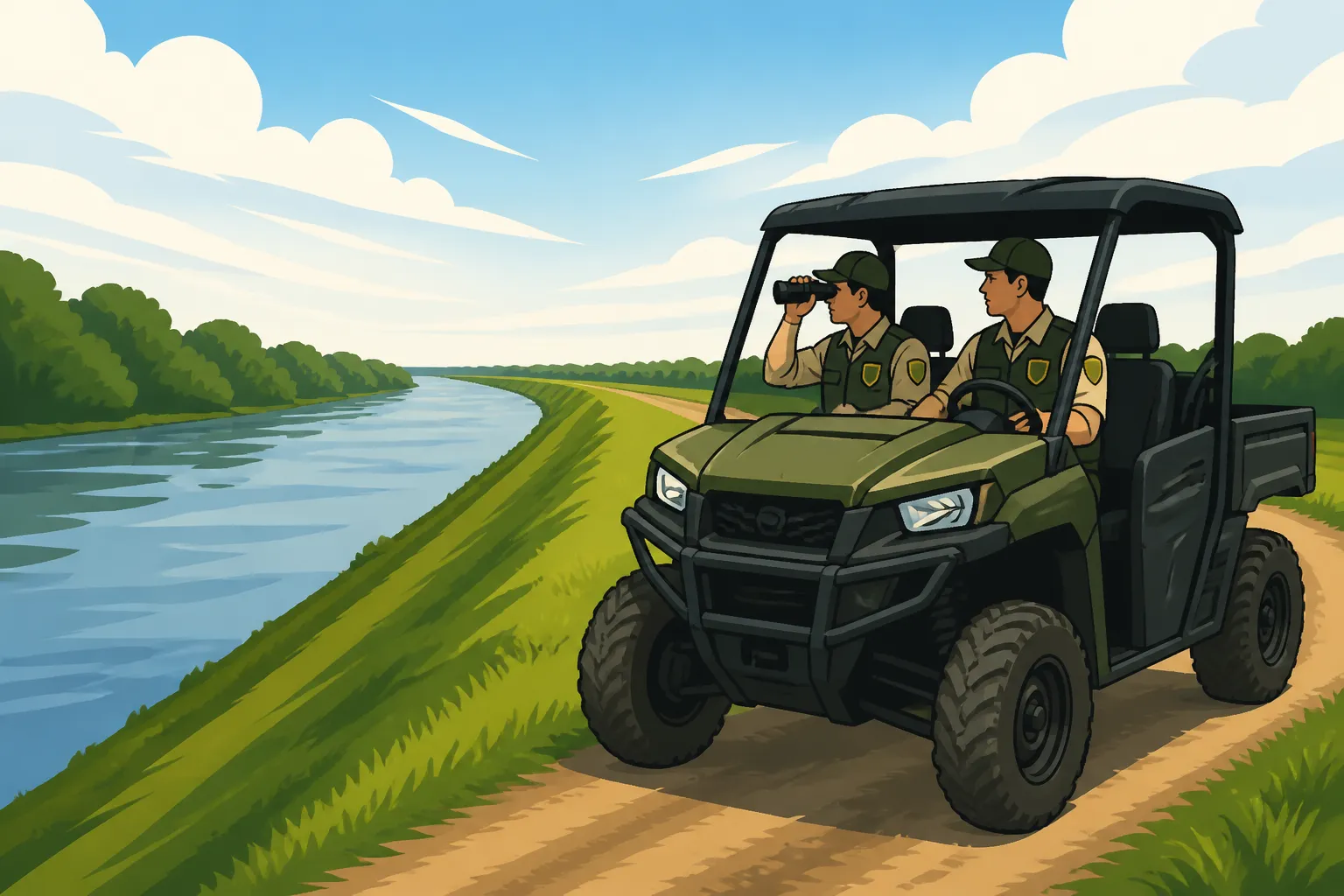
Think about it this way: a levee is like a dam for our rivers. You wouldn't expect to just drive your ATV or UTV across the top of a dam, would you? These commissions treat the levees with that same level of seriousness. They have staff and enforcement officers whose sole purpose is to uphold these standards, which includes keeping unauthorized vehicles off the banks. They understand the draw of a seemingly open path, but the potential for damage to the levee itself, or even interference with maintenance operations, far outweighs any recreational benefit.
Jurisdiction and Authority Over River Banks
Levee commissions generally have broad jurisdiction over the levees themselves and often a buffer zone around them. This means that even if you're not directly on the crown of the levee, you could still be on land under their control. Their authority stems from their mandate to protect public safety and property from flooding. This isn't just about preventing a big break; it's also about preventing incremental damage that could lead to problems down the road. For instance, repeated ATV traffic can compact soil, create ruts, and accelerate erosion, all of which are detrimental to the levee's stability.
It's also important to remember that much of the land adjacent to rivers and levees can be private property, even if it appears unmanaged. Just because there isn't a fence or a "No Trespassing" sign every fifty feet doesn't mean it's public access. Many landowners along these riverbanks are acutely aware of the rules governing levee access and are often quick to report unauthorized activity to both the levee board and local law enforcement. It's a critical point for riders to remember: even if the levee commission permits access, private land access is a separate issue entirely. Always err on the side of caution and assume that if it's not explicitly designated as an OHV trail, it's off-limits. You can find more details about general rules in [Mississippi Levee Board Rules].
Why Levee Riding Is Prohibited: Understanding the Rules
Many riders mistakenly believe that levees are simply large dirt roads, perfect for a long, scenic ride. However, this couldn't be further from the truth. The rules against riding ATVs and UTVs on levees are in place for very important, practical reasons, focusing on safety, environmental protection, and the integrity of flood control infrastructure.
Why ATVs Are Generally Prohibited on Levees
The core reason ATVs and UTVs are banned from levees boils down to the vulnerability of the structure itself. Levees are designed to hold back immense pressure from floodwaters. Any activity that could compromise their structural integrity is strictly prohibited. ATV tires, especially those designed for aggressive off-road use or mud, can cause significant damage. They can:
- Cause Erosion: Spinning tires, especially on wet or soft ground, can quickly churn up soil, leading to erosion. Over time, this erosion can weaken the levee's slopes and make it more susceptible to breaches during high water events.
- Create Ruts and Depressions: Deep ruts created by vehicles can collect water, exacerbating erosion and creating pathways for water to seep into the levee's interior, which can compromise its stability.
- Damage Vegetation: The grass and other vegetation on levee slopes are crucial for erosion control. ATVs can tear up this protective layer, leaving the bare soil exposed to wind and rain.
- Interfere with Inspections and Maintenance: Levee crews frequently patrol and inspect these structures. Unauthorized vehicles can obstruct their work, damage monitoring equipment, or create hazards for personnel. Imagine a crew trying to assess a potential weak spot only to find a deep mud pit left by an irresponsible rider.
These aren't minor concerns; they are direct threats to the safety of entire communities downstream. This is why [Mississippi Levee Riding Is Prohibited] is not just a suggestion, but a strict rule.
Understanding "No Trespassing" on Levee Property
When you see a "No Trespassing" sign, or even if you don't but the land is under the jurisdiction of a levee board, it means exactly that: no entry without explicit permission. Levee boards typically post these signs at access points, but their authority often extends along the entire length of the levee and its associated rights-of-way. Ignorance of these signs or the broader rules is not a valid defense if you're caught. The responsibility falls squarely on the rider to know where they are allowed to ride and where they are not.
Many riders find themselves in trouble because they perceive these areas as "abandoned" or "unsupervised." But levee boards are actively monitoring their infrastructure. They use a combination of physical patrols, surveillance, and community reports to catch trespassers. It's a critical public safety function, not just a casual enforcement of property rights. For broader understanding of property laws, consider reviewing [Mississippi Trespass Law for Riders].
Exceptions and Special Permits
While the general rule is strict prohibition, there can be very rare and specific exceptions, usually involving special permits. These permits are almost exclusively granted for legitimate, non-recreational purposes, such as:
- Emergency Services: Law enforcement, fire, or rescue teams needing access during an emergency.
- Utility Maintenance: Crews needing to access power lines, pipelines, or other utilities that cross or run along the levee.
- Agricultural Access: Farmers needing to access their fields that are cut off by the levee, often with specific vehicle types and strict conditions.
- Official Inspections or Research: Authorized personnel conducting studies or inspections related to flood control or environmental monitoring.
These permits are typically hard to get and come with stringent conditions regarding the type of vehicle, route, speed, and duration of access. They are absolutely not for recreational ATV riding. If you think your situation might warrant a special permit, you would need to contact the specific levee board directly, but do not expect to get one for recreational purposes.
The Cost of Disregard: Consequences of Violating Levee Rules
Riding an ATV on a levee without authorization isn't just a minor infraction; it can lead to serious legal and financial repercussions. Law enforcement and levee commission officers take these violations very seriously due to the critical nature of the infrastructure they protect.
Legal Penalties for Levee Trespass
If you're caught riding your ATV or UTV on a levee where it's prohibited, you could face charges ranging from simple trespass to more severe offenses, depending on the damage caused or if you resist an officer. The penalties can include:
- Fines: These can vary widely, but expect a significant monetary penalty. Unlike a minor traffic ticket, a trespass fine can be substantial, and sometimes multiple citations can be issued if you've covered a long distance or repeatedly ignored warnings. [Mississippi Fines for Road Riding] can give you an idea of state-level penalties, but local ordinances and levee board regulations might add their own layers.
- Court Costs: Beyond the fine, you'll also be on the hook for court costs, which can add hundreds of dollars to the total bill.
- Criminal Record: Depending on the severity and whether it's a repeat offense, a trespass charge could result in a misdemeanor on your record, which can have long-term consequences for employment or other opportunities.
- Damage Restitution: If your riding caused any damage to the levee itself – ruts, erosion, damage to vegetation – you could be ordered to pay for the repairs. These costs can quickly escalate, especially if specialized equipment and labor are needed to fix the damage.
Enforcement officers, including county sheriffs and levee board patrols, are authorized to issue these citations. They often have a keen eye for tracks and disturbances on the levee and are experienced in tracking down those responsible.
Machine Impoundment and Recovery
One of the most immediate and painful consequences for an ATV rider caught on a levee is the impoundment of their machine. Law enforcement can seize your ATV or UTV on the spot. This means:
- Towing Fees: You'll have to pay for your machine to be towed from the levee to an impound lot.
- Storage Fees: Impound lots charge daily storage fees, which can quickly add up, especially if legal proceedings prolong the retrieval process.
- Administrative Fees: There are often administrative fees associated with the impoundment and release of a vehicle.
To get your machine back, you'll typically need to pay all outstanding fines, fees, and prove ownership. This process can be frustrating, expensive, and time-consuming, turning a quick ride into a major headache and a significant financial hit. It's a stark reminder that the risks far outweigh any temporary thrill.
Environmental Damage and Fines
While protecting the levee's structural integrity is paramount, levee commissions and environmental agencies also care deeply about the surrounding ecosystem. Riding ATVs on riverbanks and levees can disturb wildlife, damage sensitive habitats, and contribute to water pollution through oil or gas leaks. In some areas, these actions could lead to additional environmental fines beyond those for trespass. These can be particularly stiff if protected species or wetlands are involved. The ecosystem around our rivers is delicate, and irresponsible riding can have lasting negative impacts, adding another layer of liability for the rider.
| Violation Type | Common Consequence | Potential Additional Fines/Actions |
|---|---|---|
| Simple Trespass | Monetary fine, court costs | Criminal record (misdemeanor), machine impoundment |
| Damaging Levee | Monetary fine, court costs, restitution for repairs | Increased criminal charges, extended impoundment, environmental fines |
| Repeated Offense | Higher fines, potential jail time | Longer impoundment, community service |
| Resisting Officer | Separate criminal charges, higher fines | Immediate arrest, legal fees, extended impoundment |
| Environmental Damage | Monetary fines, restitution for ecological repair | Increased scrutiny from environmental agencies |
Finding Responsible Riding: Legal Alternatives to Levee Banks
So, if levees are off-limits, where can you actually ride your ATV or UTV in Mississippi without worrying about fines, impoundment, or damaging critical infrastructure? The good news is that our state offers several excellent, legal options for off-road enthusiasts. The key is to seek out designated areas and always obtain proper permission.
Mississippi Private Mud Parks and Their Offerings
Mississippi is home to a vibrant off-road culture, and a big part of that are the numerous private mud parks scattered across the state. These parks are specifically designed for ATVs and UTVs, offering everything from deep mud pits and challenging obstacle courses to open trails and family-friendly riding areas. They often have amenities like wash stations, campgrounds, and even cabins.
- Red Creek Off-Road in Perkinston: This is a prime example, offering extensive trails, mud pits, and amenities like cabins and RV sites. They welcome riders of all skill levels and often host events and concerts. They've built their park with tough terrain in mind, so if you've invested in heavy-duty axles or lift kits from a company like SuperATV, this is where you can really put them to the test.
- Meridian OHV Park: This park provides another fantastic option with acres of trails and features designed for off-road vehicles.
- Other Smaller Parks: There are many other local mud parks that provide a safe, legal, and exciting environment.
The beauty of private parks is that they are managed specifically for off-road recreation. You pay an entrance fee, sign a waiver, and then you're free to enjoy the trails without fear of trespassing. They invest in maintaining their grounds, often have safety rules in place, and foster a sense of community among riders. This is a far cry from the constant worry of riding illegally on a levee. Look into [Mississippi Private Mud Parks] for more information.
Designated OHV Trails in National Forests
For those who prefer a more natural, scenic riding experience, Mississippi's national forests offer designated OHV trails. These trails are managed by the U.S. Forest Service and provide miles of marked routes through diverse landscapes.
- Bethel OHV Trails in the Holly Springs National Forest: Located in northern Mississippi, Bethel offers over 40 miles of trails winding through beautiful forest land. It's a fantastic place for a more traditional trail riding experience, though it's important to note width restrictions often apply (typically 50 inches or less for ATVs). [Bethel OHV Trails in Mississippi] provides more details on this popular spot.
- De Soto National Forest: While the De Soto National Forest offers vast expanses, specific designated OHV trails are key. Riders need a Forest Pass and must adhere strictly to posted rules, including staying on marked trails to protect the forest environment.
Riding in national forests requires adherence to specific rules and often a special permit, such as a [Mississippi Forest Pass Cost] annual pass. These rules are in place to protect the natural environment, prevent wildfires, and ensure rider safety. Always check the specific district's regulations and trail conditions before you head out. These trails are generally well-maintained, but having robust aftermarket parts, perhaps even skid plates or a winch from SuperATV, can be a smart move for tackling the varied terrain you might encounter. Read more about this option in [Mississippi National Forest Riding Explained].
Seeking Landowner Permission for Private Land Access
Another entirely legal and often rewarding option is to seek direct permission from private landowners. Many rural landowners have large tracts of property that might be suitable for ATV riding, especially if you're responsible and respectful. This could include timber land, agricultural fields after harvest, or just undeveloped acreage.
- Building Relationships: The best way to get permission is to build a relationship with landowners. This might involve offering to help with tasks on their property, being a good neighbor, or simply asking politely and demonstrating your commitment to responsible riding.
- Written Agreements: Always try to get permission in writing. A simple written agreement outlining where you can ride, when, and any specific conditions (e.g., "no riding near livestock," "stay on existing trails") can prevent misunderstandings later. [Written Permission From a Southern Landowner] highlights the importance of this step.
- Respecting the Land: When granted permission, it's crucial to respect the landowner's property. Leave no trace, close gates, avoid damaging crops or fences, and always be mindful of noise. Showing you're a responsible rider makes it more likely you'll be welcomed back.
This option works best if you have local connections or are willing to put in the effort to find and talk to landowners. It's a great way to explore new areas and often leads to unique riding experiences that aren't available in public parks or trails.
Remember, the goal is to enjoy your machine responsibly and legally. With so many fantastic options available in Mississippi, there's no need to risk fines or impoundment by riding on sensitive areas like levees. Get out there, explore, and ride safely!
Disclaimer
This article is for general informational purposes only and does not constitute professional advice. Laws, prices and regulations vary by location and change over time. Consult a qualified professional for guidance on your specific situation.