Mississippi Senate Bill 2258 and What It Would Have Done
It's incredibly frustrating for Mississippi ATV and UTV enthusiasts who just want a little more freedom to enjoy their machines, only to hit a brick wall when it comes to riding them on public roads. For years, the dream of being able to legally cross a highway or even run to the corner store on your side-by-side has felt out of reach. This guide will take a deep dive into Senate Bill 2258, a piece of legislation that stirred up a lot of hope for off-road vehicle owners in our state, exploring what it proposed, its journey through the legislative process, and why, ultimately, it didn't make it into law, leaving many riders wondering what's next.
The Long-Standing Frustration with Mississippi's ATV Road Laws
For anyone who owns an ATV or UTV in Mississippi, the current state laws regarding public road use are a constant source of bewilderment and, frankly, annoyance. You've invested good money in a powerful, versatile machine, only to find its utility severely limited by strict regulations that seem out of step with how many other states manage off-road vehicles. It’s not just about wanting to joyride on Main Street; often, it’s about practical needs, like crossing a small stretch of pavement to get from one section of private land to another, or even just filling up your tank without having to load your machine onto a trailer.
The desire for more flexibility is palpable among riders, especially those who use their machines for hunting, farming, or simply exploring the vast beauty of our state. The current setup often forces riders into precarious situations or to go significantly out of their way, which only adds to the frustration. We see our neighbors in other states with more permissive laws, and it makes you wonder why Mississippi has remained so rigid.
The Blanket Ban on Public Roads
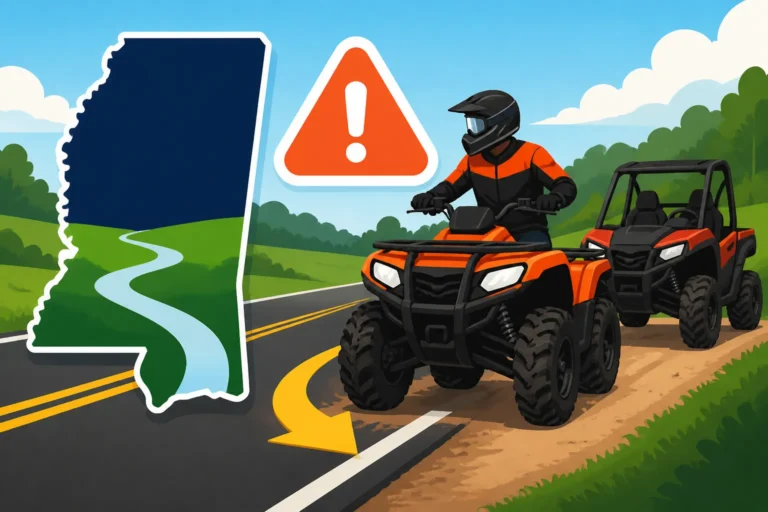
The plain truth is that, in Mississippi, if it's a public road, your ATV or UTV is generally not allowed on it. There are very few exceptions, and these are often narrowly defined and depend heavily on local ordinances or specific agricultural uses, which aren't always clear or consistent. This blanket ban can feel incredibly restrictive, especially for those living in rural areas where roads are often quieter and connect vast tracts of private property. It means that riding from your hunting camp to a distant deer stand, even if it requires only a brief trip on a county road, could technically land you in hot water.
This outright prohibition extends to almost all public highways, streets, and even most county roads. [Mississippi Law Flatly Bars ATVs From Public Roads], making it clear that off-road vehicles are meant for off-road use only. What many riders struggle with is the lack of nuance – there's no allowance for speed limits, specific times of day, or even for crossing intersections. It's a pretty stark line in the sand, and it often feels like a missed opportunity to safely integrate these vehicles into the local transport landscape where appropriate. [Why Mississippi's Road Ban Lists No Exceptions] is a question many ask, and the answer often feels unsatisfying to those who simply want a little more flexibility.
The Longing for Local Options
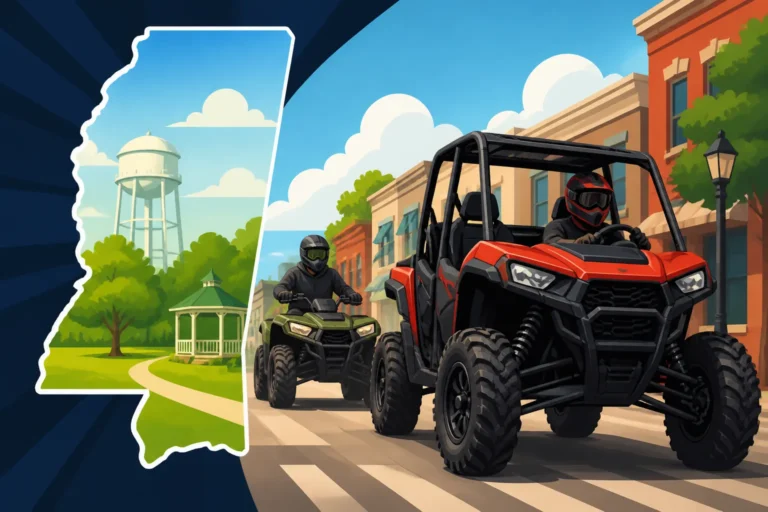
While state law is pretty firm, there's a growing awareness that some municipalities have managed to carve out exceptions for other types of vehicles, particularly golf carts. When you see towns like Hattiesburg successfully implement [Hattiesburg's Cart Ordinance in Mississippi], allowing golf carts on certain city streets, it naturally sparks hope among ATV and UTV owners. If a golf cart can be deemed safe and responsible enough for city roads under specific conditions, why not a side-by-side that often boasts more safety features and better performance?
This creates a sense of longing for similar local options for ATVs and UTVs. Riders often feel that a one-size-fits-all statewide ban doesn't account for the unique needs and conditions of different communities. A small, rural town might have entirely different traffic patterns and safety concerns than a bustling city, making localized decisions seem like a much more sensible approach. The absence of such flexibility at the state level often pushes riders to seek any glimmer of hope, which is precisely why legislative efforts like Senate Bill 2258 captured so much attention.
Understanding Mississippi Senate Bill 2258
In the legislative session that generated so much discussion, Senate Bill 2258 emerged as a beacon of hope for many ATV and UTV owners across Mississippi. This bill wasn't just another piece of paper; it represented a genuine attempt to address the longstanding frustrations around public road access for off-road vehicles. It sought to introduce a level of flexibility that Mississippi riders had been craving for years, moving beyond the simple "no riding on roads" stance to something more practical and responsive to modern needs.
The very existence of such a bill showed that lawmakers were at least listening to the concerns of the off-road community. It offered a glimpse into a potential future where the laws might actually reflect how people truly use their machines in various parts of our state. It's important to understand the specifics of what was proposed, as it laid the groundwork for future discussions, even if this particular effort didn't ultimately succeed.
What the Bill Proposed
Senate Bill 2258 aimed to create specific, limited avenues for ATV and UTV use on public roads. While the exact language was nuanced, the general thrust was to permit the operation of off-road vehicles on certain public roadways, provided they met particular criteria and conditions. This wasn't about opening up every highway to unrestricted riding; rather, it was a measured approach designed to allow riders to, for example, cross state highways or ride on lower-speed county roads under specific circumstances. The bill recognized that sometimes, a short stretch of public road is unavoidable to get from one piece of private property to another, or to access specific recreational areas.
Crucially, [The 2025 Road Access Bill That Passed 48-2] in the Senate demonstrated significant support for these ideas within one chamber of the state legislature. This vote wasn't just a symbolic gesture; it reflected a recognition that current laws were perhaps too stringent and that a path forward for limited, regulated road use was something many constituents desired. The bill likely detailed provisions for equipment, operator licensing, and perhaps even specific times or days when such limited access would be permitted, all in an effort to balance rider freedom with public safety concerns.
Conditions and Requirements Had It Passed
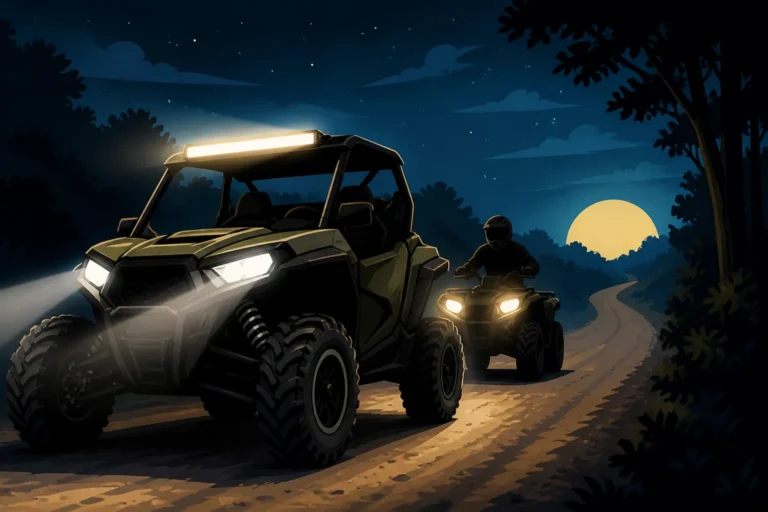
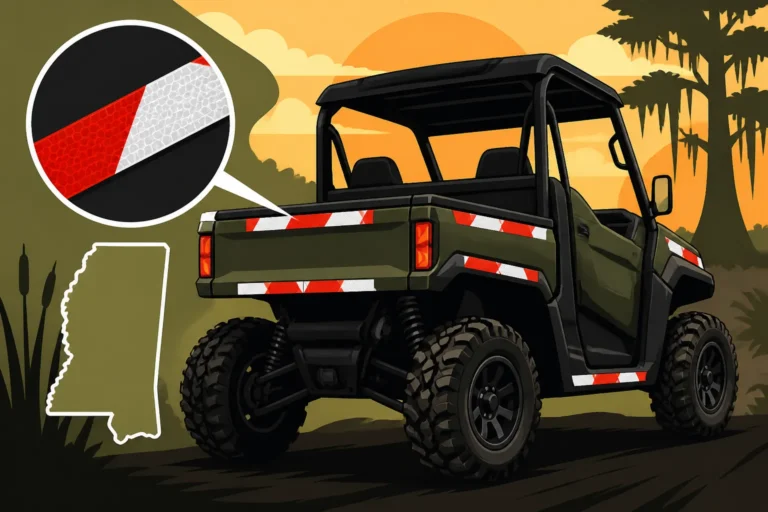
Had Senate Bill 2258 successfully navigated the entire legislative process and become law, it's highly probable that riders would have faced a new set of conditions and requirements for legal road use. This wouldn't have been a free-for-all, but rather a structured framework to ensure safety and accountability. We can surmise that any legal road access would have come with stipulations such as mandatory insurance, proper lighting (headlights, taillights, turn signals), and perhaps even a minimum age for operators. For those looking to upgrade their machines to meet potential new standards, companies like SuperATV offer a wide range of aftermarket lighting kits, mirrors, and signal systems that would have been crucial for compliance.
It's also likely that the bill would have addressed operator qualifications, perhaps requiring a standard driver's license or an ATV safety certification, similar to [Mississippi Safety Certificates as an Alternative] already discussed for young riders in other contexts. Furthermore, there might have been specific restrictions on road types or speed limits, perhaps confining ATV/UTV road use to roads with posted speeds under a certain threshold, or only allowing crossings of major highways. These conditions would have been put in place to ensure that while riders gained some flexibility, the safety of all road users remained paramount.
The Journey and Fate of Senate Bill 2258
The legislative process can be a long and winding road, and Senate Bill 2258’s journey through the Mississippi State Legislature is a prime example of how even a popular idea can face significant hurdles. For many riders, tracking the progress of this bill felt like watching a high-stakes race, with every committee vote and floor debate holding the potential for a breakthrough or a disappointment. It’s important to understand where the bill succeeded and where it ultimately fell short, as this sheds light on the challenges of changing off-road vehicle laws in our state.
The enthusiasm surrounding the bill was palpable, particularly when it moved forward from its initial stages. It gave a lot of people real hope that a new era for ATV and UTV access was just around the corner. However, as is often the case in politics, momentum doesn't always guarantee success, and even strong support in one legislative chamber doesn't mean the finish line is in sight.
From Committee to Senate Floor
The early stages of Senate Bill 2258's journey were quite promising, generating a significant amount of positive buzz among the off-road community. It started in a committee, where legislators reviewed its provisions, heard testimony, and debated its merits. The fact that it successfully passed through this initial committee stage was a huge victory, as many bills never even make it that far. This indicated that there was genuine interest and belief in the bill's potential benefits for Mississippi residents.
The real excitement, however, came when the bill reached the full Senate floor. After a period of discussion and debate, it was put to a vote, and [The 2025 Road Access Bill That Passed 48-2] in the Senate. This overwhelming majority was a clear signal that a significant portion of state senators recognized the need for change and supported the concepts outlined in the bill. For riders watching closely, this moment was filled with optimism, suggesting that a major shift in ATV and UTV road access was truly within reach. It demonstrated that there was a strong will to adapt Mississippi's laws to better serve the needs of its off-road vehicle owners.
Why the Bill Didn't Pass
Despite the strong support it garnered in the Senate, Senate Bill 2258 ultimately met its demise in the House of Representatives. This is a common fate for many pieces of legislation; even with broad support in one chamber, a bill must successfully navigate both legislative bodies to become law. In this case, the bill moved to the House after its Senate victory, where it was referred to a committee for review. Unfortunately, it failed to advance out of that committee before the legislative deadline. This outcome is often referred to as "dying in committee."
There can be numerous reasons why a bill fails to advance, even after passing one chamber. Sometimes it's due to competing priorities, a lack of time, or concerns raised by committee members that couldn't be resolved. It could also be that a different set of political considerations came into play in the House committee, or perhaps unforeseen opposition emerged. Whatever the specific reasons, the result was that [Why the 2025 Road Bill Died in Committee] became a reality, dashing the hopes of many riders who had been eagerly following its progress. This setback means that, for now, the existing restrictions on ATV and UTV road use in Mississippi remain firmly in place.
The Impact Had It Passed
Imagine for a moment that Senate Bill 2258 had successfully crossed the finish line and become law. For many ATV and UTV owners in Mississippi, this would have represented a monumental shift, opening up possibilities that have long been denied. It's fascinating to consider the tangible impacts this legislation could have had on daily life, recreational activities, and even the broader off-road vehicle market in the state. The dreams of expanded access weren't just about convenience; they were about integrating these versatile machines more seamlessly into the fabric of rural and even some suburban communities.
This hypothetical scenario paints a picture of greater freedom and utility for thousands of riders. The ripple effects would have touched everything from how people commute short distances to how they plan their hunting trips or trail rides. It’s a good exercise to consider these potential outcomes, as it highlights just how significant the bill’s failure was for the off-road community.
Expanded Riding Opportunities
If Senate Bill 2258 had passed, the most immediate and impactful change would have been a significant expansion of legal riding opportunities for ATVs and UTVs. Picture this: instead of trailering your side-by-side every single time you need to move it, you could potentially make a short trip down a low-speed county road to reach another property, or even run to the local gas station for fuel. This would have transformed how many people use their machines, making them far more practical for everyday tasks and connecting previously isolated riding areas. For example, a landowner with property divided by a public road could have legally traversed that road, saving time and effort.
Furthermore, hunters and outdoor enthusiasts would have found it much easier to access remote hunting leases or connect to different segments of a trail system without the logistical headache of loading and unloading a trailer. This newfound flexibility would also likely encourage more people to invest in accessories that enhance road-worthiness, such as turn signals, rearview mirrors, and DOT-approved tires – all readily available from suppliers like SuperATV. The vision was of a state where responsible, equipped riders could enjoy a broader, more integrated network of paths, bridging the gaps between private lands and trail systems.
Increased Safety and Regulation
While expanded access was the exciting headline, a successful passage of Senate Bill 2258 would have inevitably brought with it a framework for increased safety and regulation. Any legislation granting road access would have been carefully crafted with public safety in mind, introducing specific requirements for vehicles and operators. This likely would have meant mandating certain safety equipment, such as proper lighting, mirrors, and possibly even seatbelt use, ensuring that machines operating on public roads met a higher standard of safety.
Beyond vehicle equipment, the bill would probably have also addressed operator qualifications. This could have included requiring a valid driver's license for road use, or potentially mandating completion of an approved safety course. Such measures, similar to programs that issue [Mississippi Safety Certificates as an Alternative] for younger riders, would have been designed to ensure that anyone operating an ATV or UTV on a public road was properly trained and understood the rules of the road. While some might see regulations as an added burden, they are often crucial for gaining public and legislative acceptance for expanded access, ultimately contributing to a safer riding environment for everyone.
What This Means for Mississippi Riders Now
The failure of Senate Bill 2258 to become law leaves Mississippi ATV and UTV riders in the same position they've been in for years: largely restricted from using their machines on public roads. It's a tough pill to swallow, especially after so much anticipation. This legislative outcome means that the dreams of easier road crossings or quick trips to the store on your side-by-side remain just that – dreams. It's crucial for every rider to understand the current rules to avoid costly penalties and ensure safety.
However, the story doesn't end here. The conversation that SB 2258 started is important, and the desire for change among the riding community is still very real. While we must adhere to existing laws, we can also look to the future and understand how best to advocate for sensible changes moving forward.
The Current Landscape
For the time being, the fundamental rule remains: [Can You Ride an ATV on the Road in Mississippi]? The answer, overwhelmingly, is no. The state's laws are clear, and while there might be very specific, limited exceptions for agricultural use or direct crossing of certain roads, these are not broad allowances for general travel. It’s important not to confuse what would have been with what is. Any unauthorized riding on public roads can lead to significant consequences.
Riders caught operating ATVs or UTVs on public roads can face various penalties, including fines and potentially even impoundment of their machine. [Mississippi Fines for Road Riding] can be a unwelcome surprise, and repeated offenses can escalate the situation. The goal of law enforcement is to ensure safety on public roadways, and they are generally not shy about enforcing the existing statutes. Therefore, understanding and respecting [Mississippi Penalties for an Illegal Road Ride] is paramount to avoiding trouble. This means, for now, if you need to transport your machine over a public road, a trailer is still your safest and only legal option.
Looking Ahead
Even though Senate Bill 2258 didn't pass, the conversation it ignited is far from over. The strong support it received in the Senate demonstrates that there's a significant segment of legislators who understand and are willing to address the desires of the off-road community. This means that similar bills or revised versions could very well emerge in future legislative sessions. Staying informed and engaging with your local representatives will be crucial for any future efforts to expand road access.
In the interim, the best path forward for any rider who wants to legally use their machine on a public thoroughfare is to investigate [Mississippi Local Ordinances Are the Only Path]. Some towns or counties might have specific, narrowly defined rules for golf carts or other low-speed vehicles that, while not covering ATVs directly, show a willingness to adapt. Riders can also focus on improving their machines for off-road performance and safety, ensuring they are well-equipped for private land adventures. Companies like SuperATV continue to innovate with accessories that make your machine more capable and safe, regardless of its street-legal status. Advocating for sensible changes, educating others on responsible riding, and always respecting [Mississippi Bans ATVs on Public Roads] are the steps that will keep the momentum going for potential future reforms.
Comparing Current and Proposed ATV/UTV Road Rules
To help visualize the potential changes that Senate Bill 2258 could have brought, and to clarify the stark difference with our current reality, let's look at a comparison table. This table highlights key aspects of ATV/UTV road use in Mississippi as it stands today versus what the bill likely intended to introduce.
| Feature / Aspect | Current Mississippi Law (Without SB 2258) | Potential Under SB 2258 (Had it Passed) |
|---|---|---|
| General Road Access | Generally prohibited on public roads (state, county, municipal). | Limited access on specific roads (e.g., lower speed county roads, crossings), with conditions. |
| Operator Licensing | No specific state license for off-road use, but standard driver's license for legal vehicle operation. | Likely would have required a valid driver's license or specific ATV safety certificate for road use. |
| Vehicle Equipment | No specific road-legal equipment required for off-road use; spark arrestor often needed for public lands. | Would likely have mandated road-specific equipment: headlights, taillights, brake lights, turn signals, mirrors, horn. |
| Insurance Requirement | Not state-mandated for off-road use. | Potentially would have required liability insurance for road operation. |
| Speed Restrictions | Not applicable to public road use, as it's generally banned. | Likely would have imposed specific speed limits or restricted use to roads with lower posted speed limits. |
| Purpose of Use | Primarily for off-road recreation, hunting, or farm work on private land. | Expanded to include connecting properties, accessing services, or reaching trailheads via designated roads. |
| Local Ordinance Authority | Local ordinances can ban or regulate, but cannot generally override state ban for ATVs. | Might have empowered more local jurisdictions to create specific ATV/UTV road access ordinances under state guidelines. |
| Penalties for Violation | Fines, potential impoundment, misdemeanor charges. | Similar penalties for non-compliance with the new rules, but with defined legal avenues for permitted use. |
This table makes it clear that Senate Bill 2258 wasn't just a minor tweak; it proposed a significant structural change in how ATVs and UTVs could be operated in Mississippi. While the current situation remains restrictive, understanding the potential path forward is the first step towards advocating for future legislative success.
Disclaimer
This article is for general informational purposes only and does not constitute professional advice. Laws, prices and regulations vary by location and change over time. Consult a qualified professional for guidance on your specific situation.