Mississippi Rules for Riding a Cotton Field Road
Hey there, fellow riders and outdoor enthusiasts! There's something undeniably alluring about the wide-open spaces of a Mississippi cotton field, especially when you're looking for new places to ride your ATV or UTV. But before you even think about throttling down that inviting dirt path between the rows, let's talk real-world expectations and, more importantly, the rules. It’s easy to assume that because a road looks quiet and unused, it’s fair game, but in Mississippi, the path through a cotton field often comes with a whole lot of unspoken — and legally binding — considerations that could land you in hot water. This guide is all about helping you understand the truth about riding on cotton field roads so you can keep your machine, your wallet, and your peace of mind intact.
The Elephant in the Field: Is a Cotton Field Road Public?
This is the absolute first question every rider asks, and it’s the most crucial one to answer. In Mississippi, the vast majority of roads, paths, and tracks that traverse private agricultural land, like a cotton field, are, unequivocally, private property. They are not public roads, nor are they typically considered public access points, even if they don't have a big "No Trespassing" sign every five feet. It's a fundamental misunderstanding that can lead to significant problems for riders, often because these paths look like they might connect to something, or they just seem open.
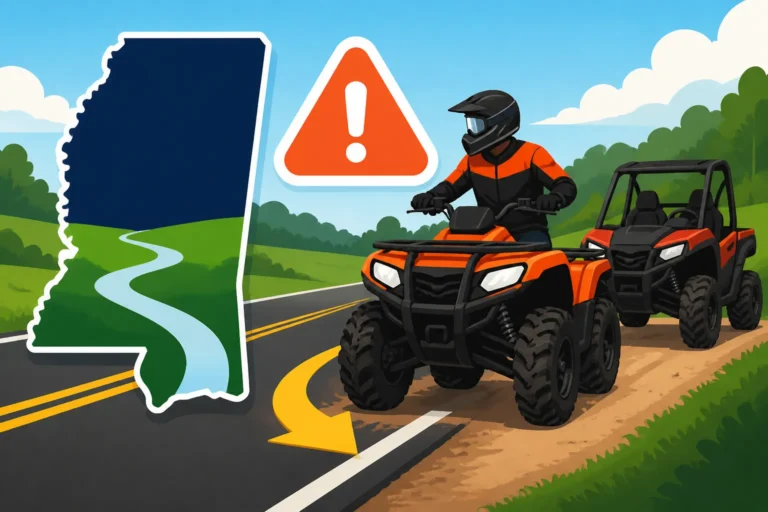
Imagine you're cruising along a county road and see a dirt track peeling off into a sprawling field of cotton, stretching out to the horizon. It looks like an adventure waiting to happen, a perfect place to test your machine. You might not see a gate, or even a fence. But that absence of a barrier doesn't magically turn private land into public access. Farmers rely on these roads for their daily operations—getting equipment in and out, checking crops, and hauling harvests. They are an extension of the farm itself, designed for their business, not for recreational riding. [Mississippi Bans ATVs on Public Roads] already, and that ban definitely extends to private roads without permission.
If you ride onto private property without explicit, clear permission from the landowner, you are trespassing. It’s that simple. And while the initial penalty might be a warning, repeated offenses or any damage caused could escalate quickly into fines, impoundment of your machine, or even legal action. It’s not worth the risk, especially when a farmer's livelihood is literally planted in those fields.
Why Cotton Fields Are a Minefield for Unpermitted Riding
Beyond the legalities of trespassing, there are a host of practical reasons why riding your ATV or UTV through a cotton field, even on an access road, is a really bad idea without permission. Farmers put immense effort, time, and money into their crops, and an off-road machine can cause significant damage, even unintentionally.
First, consider the crops themselves. A single pass over young cotton plants can flatten them, destroying potential yield. Even on a designated field road, the dust, exhaust, or even just the presence of a recreational vehicle can disrupt planting, irrigation, or harvesting activities. Mississippi’s climate means fields can quickly turn from dry dust to deep, sticky mud after a rain. Imagine getting stuck in the middle of a newly planted field; the damage caused by pulling your machine out could be extensive. This isn’t just about a few damaged plants; it's about a farmer’s income for the entire year.
Then there's the machinery. Cotton fields are full of expensive and often delicate farm equipment—tractors, cultivators, sprayers, irrigation systems, and harvesting machines. A misstep, a wrong turn, or simply not seeing a piece of equipment hidden by tall crops could lead to a costly collision or damage to vital infrastructure. Farmers often leave implements or irrigation pipes near field edges or along access paths. Your knobby tires could tear up irrigation lines, compact soil in critical areas, or inadvertently damage sensitive electronic sensors used for precision agriculture. Brands like SuperATV make fantastic aftermarket parts for off-road performance, but none of them are designed to protect against the specific hazards of operating untrained in a working farm environment.
Finally, think about liability. If you're on private land without permission and you get hurt, who is responsible? The landowner likely owes you no duty of care, and your own insurance might not cover you if you were engaging in an illegal activity. If you cause damage to the property or crops, you will be held financially responsible. It's a headache no one wants, and it's easily avoidable by simply respecting private property. The state's general off-road vehicle laws, like those in [Mississippi Code Section 63-31-1], focus more on vehicle definitions and do little to grant access to private land.
How to Get Permission (The Only Real Way to Ride)
So, if riding on cotton field roads without permission is a no-go, what’s the alternative? It’s simple, but it requires effort and respect: ask for permission. This isn't just a polite suggestion; it's the only legitimate way you should ever consider riding on private farmland.
Step-by-Step Approach to Asking for Access:
- Identify the Landowner: This can be tricky, but it’s crucial. Start by checking county tax assessor maps online or at the county courthouse. These maps usually show property lines and list the owner's name. Sometimes, you might be able to ask a local business owner or a neighbor if they know who owns a particular field.
- Make a Respectful Introduction: Once you identify the owner, approach them politely. Don't just show up on their property with your machine. A phone call, a letter, or a pre-arranged meeting is far more appropriate. Introduce yourself, explain your interest in riding, and assure them of your commitment to responsible behavior. Be prepared to talk about what kind of machine you have, your riding experience, and how you plan to minimize your impact.
- Be Prepared for "No": Landowners have every right to refuse permission, and many will, simply because of insurance liabilities, past bad experiences, or concern for their crops. Don't take it personally. Thank them for their time and move on. Remember, there's [What Posted Land Means for Mississippi Riders], but even unposted land is private.
- Offer to Help (Optional but Recommended): Sometimes, offering a hand with a chore can go a long way. Maybe you can help clear brush, fix a fence, or perform some light maintenance with your ATV or UTV. Many landowners appreciate assistance, especially from someone with a capable machine. Just be sure you're clear on expectations and don't over-promise.
- Get it in Writing: If you do get permission, always get it in writing. This doesn't need to be a complex legal document, but a simple signed note stating the dates, specific areas where you can ride, and any agreed-upon conditions is vital. This protects both you and the landowner. It provides clear evidence of your permission if questioned by a neighbor or law enforcement, and it establishes boundaries. [Written Permission From a Southern Landowner] is absolutely your best friend here. It’s also wise to carry a copy of this permission with you whenever you ride on their land.
Remember that getting permission is not a one-time thing. You'll likely need to re-establish contact each season, or if conditions change. Building a good relationship with a landowner can open up riding opportunities, but it hinges entirely on trust and respect for their property and their livelihood. This is completely different from [Mississippi WMA Road Riding] where rules are publicly posted.
Responsible Riding on Private Farmland (With Permission!)
Alright, let's say you've done the legwork, built a relationship, and now you have that golden ticket: written permission to ride on a cotton field road. Fantastic! But the responsibility doesn't end there. In fact, it's just beginning. Maintaining that trust and ensuring future access means being an exemplary rider.
Key Principles for Riding on Farmland:
- Stick to Designated Paths: Only ride on the specific roads, tracks, or areas the landowner has explicitly approved. Do not deviate, even if a tempting shortcut appears. This is especially true near actual crop rows. Farmers meticulously plan their fields, and even a single pass can compact soil or damage young plants.
- Be Mindful of Conditions: If it's been raining heavily, and the ground is saturated, think twice before riding, even with permission. Rutting up a field road can cause erosion, make it difficult for farm equipment, and leave a lasting negative impression. If your machine is equipped with serious traction like some of the robust tire options SuperATV offers, you might think you can handle the mud, but the damage to the land might not be worth it. Err on the side of caution.
- Respect Farm Equipment and Infrastructure: Always be on the lookout for machinery, irrigation lines, fuel tanks, gates, and other farm structures. Drive slowly around these areas. Never tamper with gates, fences, or equipment. Leave everything exactly as you found it. If you open a gate, close it. If you move something, put it back.
- Control Dust and Noise: While a roaring engine is part of the fun for many riders, it’s not ideal when you're near homes or working farm crews. Keep your speeds reasonable to minimize dust, especially if the ground is dry. Be conscious of your exhaust noise.
- Leave No Trace: Pack out everything you pack in. This means no trash, no oil spills, no broken parts left behind. Treat the land as if it were your own, or even better, as if it were a pristine wilderness area.
- Time Your Rides: Avoid riding during planting, spraying, or harvesting times. These are critical periods for farmers, and your presence, however respectful, could be a distraction or an impediment. Ask the landowner about their schedule.
- Report Issues: If you notice a broken fence, a gate left open, or anything that seems out of place on the property, report it to the landowner immediately. This shows you're engaged and care about their property.
- Carry Identification and Permission: Always carry your ID and the written permission from the landowner. If you encounter a deputy, a neighbor, or the landowner themselves, you’ll be able to quickly demonstrate that you’re where you’re supposed to be, avoiding potential misunderstandings or issues under [Mississippi Trespass Penalties for Riders].
By following these guidelines, you not only ensure your own enjoyment but also honor the trust the landowner has placed in you. This responsible approach is how long-term riding relationships are built in the agricultural heartland of Mississippi, far away from designated trails or public lands. For specific situations, your county tax collector may also be able to answer some questions about land ownership, as discussed in [Mississippi Title Questions Collectors Hear].
Why There's No "Farm Road Exception" in Mississippi Law
It's common in some states to have specific legal exemptions or allowances for ATVs and UTVs on farm roads, allowing limited use for agricultural purposes or even general access. However, Mississippi law is notably sparse when it comes to off-road vehicles. There is no blanket "farm road exception" that allows recreational ATV or UTV use on private agricultural roads without the landowner's explicit permission. [Mississippi Has No Farm Road Exception] is a critical point that many riders misunderstand.
The state's primary legal framework for ATVs and off-road vehicles, found in [Mississippi Code Section 63-31-3], focuses predominantly on defining these machines and, critically, on prohibiting their use on public roads and highways. It doesn't delve into private land access because that falls under general property and trespass laws, not specific ATV statutes.
This means that whether you're riding through a cotton field, a soybean field, or a timber tract, the legal principle remains the same: it's private land, and you need permission. Even if you're riding a utility-focused machine, perhaps a side-by-side from a brand like SuperATV designed for hauling and farm work, if you're not the landowner or an authorized worker, you still need permission. The intent of your ride (recreation vs. genuine farm work) doesn't change the underlying property rights.
This lack of a specific farm road exception highlights the importance of individual landowner relationships. Unlike publicly managed lands, where rules are standardized and often posted, every private farm is its own domain, and access is at the discretion of the owner. This is why the advice to "ask first" is not just a courtesy, but a legal and practical necessity for anyone hoping to enjoy off-road riding in Mississippi's agricultural landscapes. If you're a new resident, understanding [Mississippi Title for a New Resident] also means understanding local land access.
| Scenario | Is it Legal? | Key Requirement | Potential Risks (Without Permission) |
|---|---|---|---|
| Public Paved Road | No | N/A (Illegal) | Fines, tickets, impoundment, accidents with traffic. |
| Public Gravel Road | No | N/A (Illegal) | Fines, tickets, impoundment, accidents with traffic, dust complaints. |
| Private Cotton Field Road | No (without explicit permission) | Landowner's Written Permission | Trespassing charges, crop damage liability, equipment damage, personal injury. |
| Designated OHV Trail | Yes (with appropriate passes/fees) | Park/Trail Pass, adherence to rules | Fines, removal from park, personal injury, damage to natural resources. |
| Your Own Private Land | Yes (within local ordinances and safety guidelines) | Ownership or Lease Agreement | Personal injury, noise complaints, local ordinance violations. |
This table makes it clear: private cotton field roads fall firmly into the "No (without explicit permission)" category, underscoring the legal and practical importance of seeking landowner approval. When buying a used machine, remember [Mississippi Bills of Sale for a Used Machine] will clarify ownership but not riding rights.
Disclaimer
This article is for general informational purposes only and does not constitute professional advice. Laws, prices and regulations vary by location and change over time. Consult a qualified professional for guidance on your specific situation.