Sharing a Gravel Road With Loaded Log Trucks
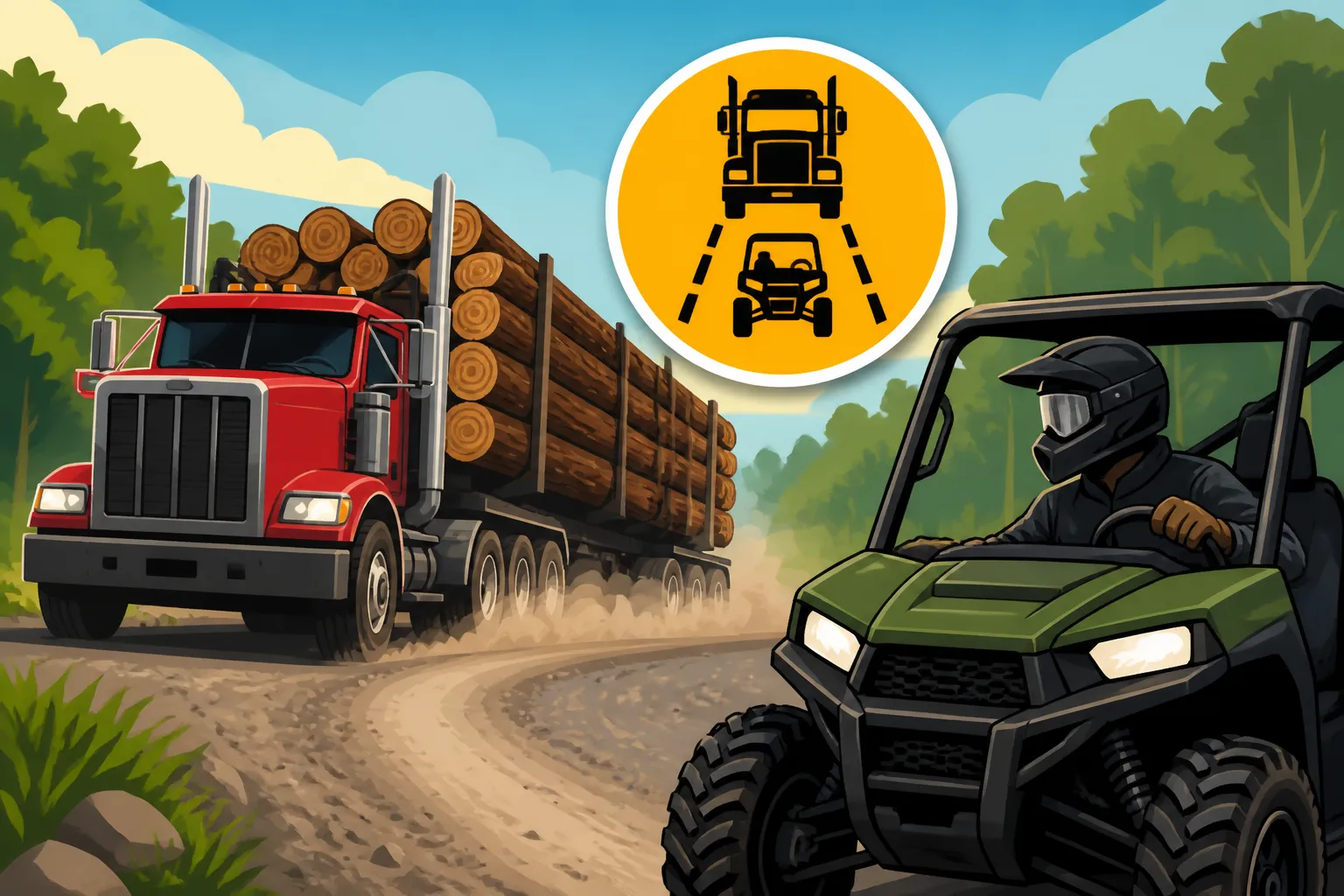
Picture this: you’re out enjoying a peaceful ride on a remote Mississippi gravel road, the sun dappling through the pines, the smell of damp earth in the air. Suddenly, a low rumble grows into a deafening roar, and a colossal log truck, laden with towering timber, rounds a blind curve, kicking up a dust cloud that swallows everything. It's a heart-stopping moment many of us have faced, and it’s genuinely terrifying. This guide is all about understanding those unique risks and riding smarter, safer, and with more confidence when sharing our beautiful Southern backroads with these behemoths.
The Unique Dangers of Southern Gravel Roads and Log Trucks
Riding on gravel roads in Mississippi offers a certain kind of freedom and access to breathtaking natural beauty, but it also comes with its own set of challenges, especially when you factor in commercial traffic. Log trucks aren't just big vehicles; they operate under different pressures and physics than your average pickup, and understanding this difference is crucial for your safety.
Why Log Trucks Are So Different
Log trucks are purpose-built machines designed to haul immense weights of timber from remote forests to mills, often against tight deadlines. This means they are heavy, fast, and not very nimble. Their sheer weight, sometimes tens of thousands of pounds, translates to incredibly long braking distances, especially on loose gravel. They can't just slam on the brakes or swerve to avoid an obstacle; it's a dangerous proposition for them and anyone around.
Beyond their weight, these trucks have significant blind spots – massive areas where the driver simply cannot see you, especially if you're a small ATV or UTV. The cab sits high, and the trailer stretches far behind, creating blind spots on all sides, but particularly along the passenger side and directly behind the trailer. Furthermore, they are often on a schedule. Time is money in the logging industry, and while no trucker wants an accident, they are generally moving with purpose, often at speeds that feel hair-raising on a dusty, narrow gravel road. They might not expect recreational riders to be on these logging-centric routes, which adds another layer of unpredictability.
The Nature of Mississippi's Gravel Roads
Our Southern gravel roads are a breed apart. They're often carved through dense forests, featuring frequent blind curves, steep inclines, and deep ditches. The surfaces themselves are rarely uniform; you'll encounter everything from freshly laid, loose gravel that feels like riding on marbles to hard-packed sections riddled with washboards that can shake your teeth loose. Then there's the dust. Oh, the dust! In dry conditions, a single vehicle, let alone a multi-ton log truck, can create a thick, opaque cloud that hangs in the air, reducing visibility to zero for minutes at a time. This combination of heavy, fast-moving trucks and unpredictable, low-visibility road conditions is a recipe for serious trouble if you’re not prepared.
Let’s put it this way:
| Feature | ATV/UTV on Gravel Road | Log Truck on Gravel Road |
|---|---|---|
| Weight | Relatively light (hundreds to low thousands lbs) | Extremely heavy (tens of thousands lbs) |
| Braking | Agile, quicker stop (still challenged by gravel) | Slow, long distances, especially on gravel |
| Maneuverability | Highly nimble, can easily pull over | Limited, wide turning radius, needs space |
| Blind Spots | Minimal | Massive, especially sides and rear |
| Speed | Variable, often recreational | Purposeful, often fast due to schedule |
| Dust Impact | Significant for rider, can be obscured | Creates huge, lingering dust clouds |
| Road Position | Can hug shoulders or move off-road quickly | Needs entire lane, may drift |
Essential Safety Strategies for ATV/UTV Riders
Navigating gravel roads where log trucks operate requires a proactive and defensive approach. Your safety hinges on being seen, being predictable, and understanding the dynamics of these encounters.
Visibility is Your First Defense
On dusty, winding gravel roads, being seen is not just important – it's absolutely critical. Start with your machine itself. Bright colors for your ATV or UTV, especially fluorescent greens, oranges, or yellows, stand out against the natural greens and browns of the forest. Don't underestimate the power of a safety flag. A tall, whip-style flag attached to your machine, often at least 8-10 feet high, can be seen over hills or through light vegetation long before your machine comes into view. This provides crucial extra seconds for an approaching truck driver to register your presence.
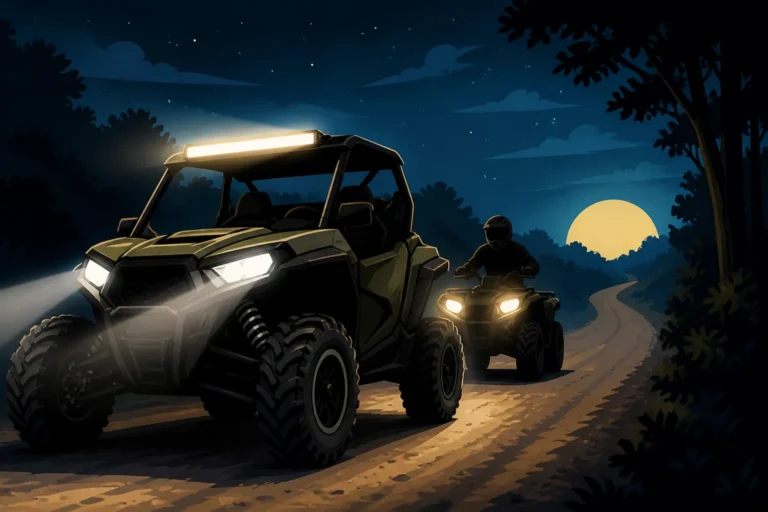
Lights are another non-negotiable. Even in broad daylight, your headlights and taillights should be on. If your machine isn't equipped with adequate lighting for these conditions, consider upgrading. Aftermarket LED light bars or auxiliary lights, perhaps from brands like SuperATV, can cut through the dust and announce your presence far more effectively than standard factory lights. Flashing amber or white strobe lights can also dramatically increase your visibility, especially when cresting a hill or rounding a bend where a truck might be coming from the opposite direction. Remember, the goal is to make yourself as conspicuous as possible, as early as possible. [Mississippi Lighting Rules on a Machine] provides good general guidance.
Defensive Riding Techniques
Defensive riding is paramount. Always assume there's a log truck right around the next blind curve. Slow down significantly when approaching any rise, bend, or intersection where visibility is limited. Listen intently for engine noises; log trucks are loud, and you can often hear them coming long before you see them. If you hear a truck, slow down further and prepare to pull over.
When you do encounter a truck, or even suspect one is near, get off the main track. Don't just pull to the edge of the road; if there's a safe, stable shoulder or a wide spot in the ditch, get your machine completely out of the way. Stop your machine and wait for the truck to pass. Never try to race a truck or sneak past one on a narrow stretch. It’s simply not worth the risk. If you're riding in a group, use hand signals or two-way radios to communicate about approaching trucks, dust conditions, and safe pull-over spots. Always give the truck the right-of-way, without exception.
Understanding Trucker's Perspectives
It's easy to feel frustrated or even angry when a log truck barrels past, kicking up a massive dust cloud. But try to put yourself in the trucker's shoes for a moment. They're often working long hours, on tight schedules, and navigating roads that are their workplace, not primarily a recreational trail. They might not expect to encounter small recreational vehicles on these routes, especially in certain areas or during specific times of day.
Their focus is on safely transporting their heavy load, which requires a specific driving style, including maintaining momentum on hills and through soft spots. Their ability to react quickly to an unexpected encounter is severely limited by the truck's size, weight, and the road conditions. They might not even see you until you're much closer than you realize due to their blind spots and the dust. By understanding their challenges, you can better anticipate their movements and ensure you're taking all necessary precautions to remain safe.
Preparing Your Machine and Yourself for Log Truck Territory
Taking on Mississippi's gravel roads means your machine and your gear need to be up to the task. These aren't pristine trails; they're working roads, and they can be tough on equipment and riders alike.
Machine Prep for Rough and Dusty Conditions
Your machine needs to be in top condition before venturing onto roads shared with heavy vehicles. First, think about your tires. Aggressive tread patterns might be great for mud, but on loose gravel, they can sometimes cause your machine to 'float' or slide more than you'd like. Consider tires designed for mixed terrain, or at least ensure your tire pressure is appropriate for gravel – sometimes slightly lower than pavement pressure can give you better grip, but don't go too low or you risk a flat.
Suspension is another key component. Gravel roads, especially those with washboards, can quickly fatigue a rider and cause a loss of control. Make sure your shocks are in good working order and consider adjusting them for a smoother ride if possible. Investing in robust underbody protection is also a smart move. Log trucks can dislodge large rocks and debris, and a good set of skid plates and A-arm guards, like those available from SuperATV, can protect vital components from unexpected impacts. You don't want a broken tie rod or a punctured oil pan miles from anywhere. Finally, consider a radiator screen to prevent pine straw and larger debris from clogging your radiator, especially in dusty, wooded areas.
Personal Gear and Communication
Your personal gear is just as important as your machine's setup. A helmet, always, is the absolute minimum. But on dusty gravel roads, eye protection is non-negotiable. Goggles are often superior to sunglasses because they seal around your eyes, preventing dust from getting in and obscuring your vision. A dust mask or bandana covering your nose and mouth is also highly recommended to prevent inhaling excessive dust, which can lead to respiratory irritation. [Mississippi Helmet Standards for Young Riders] are strict, but good practice for all ages.
For groups, communication is key. Two-way radios (walkie-talkies) allow riders to warn each other about approaching trucks, hazards, or changes in road conditions, especially when dust limits visibility between riders. Even a simple system of agreed-upon hand signals can be effective. If riding solo, letting someone know your route and expected return time is always a good idea, as cell service can be spotty in remote areas.
Legalities and Land Access
While many gravel roads in Mississippi might feel like public access points, it’s crucial to understand the legalities of where you're riding. Many roads used by logging operations are on private timber company land or are part of hunting leases, and riding recreational vehicles on them without explicit permission is trespassing. Always verify land ownership and access rules before you ride. [Mississippi Code Section 63-31-3] outlines the general prohibition of ATVs on public roads, and this often extends to roads that are technically private but used by the public. Furthermore, [Mississippi Trespass Law for Riders] can carry significant penalties. Respecting posted signs, gates on a Southern timber road, and asking for written permission from a Southern landowner or checking your hunting lease agreement are vital steps to avoid legal trouble and maintain good relationships with landowners and timber companies.
What to Do When an Encounter is Imminent
Despite all your preparation and defensive riding, encounters with log trucks on gravel roads are inevitable. Knowing exactly what to do in those high-stakes moments can make all the difference.
Spotting a Truck Early
Your senses are your best allies here. Beyond just looking, listen and feel. Log trucks have a distinct, deep engine rumble, and on quiet roads, you can often hear them coming from a good distance away, even before you see any dust. If you hear that distinctive sound, immediately start scanning the road ahead and behind. Look for tell-tale dust plumes. A large, high dust cloud stretching far down the road is almost certainly a log truck. Start slowing down and preparing to react.
The moment you see or hear an approaching truck, communicate it to any riders with you. Point in the direction of the truck, or use your radio to call it out. The earlier everyone in your group is aware, the more time you have to execute a safe pull-over.
The Pull-Over Protocol
Once you’ve spotted an approaching truck, the next steps are critical.
- Signal and Slow Down: If riding in a group, signal to the riders behind you that you're slowing and pulling over.
- Find a Safe Spot: Look for the widest, most stable shoulder or an accessible, flat spot off the main road. If there's a ditch, ensure it's shallow and stable enough to pull into without overturning.
- Get Off the Road: The goal is to get your machine completely out of the truck’s path. Don't just hug the white line; get as far off the gravel track as safely possible. If there's a pull-off or a clearing, use it.
- Stop Completely: Bring your machine to a full stop. Turn off your engine if you wish, but at least have your machine in neutral with the brake engaged. This prevents any accidental movement.
- Wait Patiently: Do not attempt to move until the truck has fully passed and the dust has settled. Sometimes, log trucks travel in convoys, so be prepared for a second or third truck to follow. Waiting until you have clear visibility again is non-negotiable.
After the Truck Passes
Once the rumbling subsides and the dust starts to settle, resist the urge to immediately pull back onto the road. Take a moment. First, look around to ensure no other trucks are following. Those dust clouds can be deceptive, and sometimes a second truck might be hidden within the tail of the first. Second, allow the dust to clear enough so that your visibility is restored. Riding into a thick dust cloud is incredibly dangerous, as it essentially creates a temporary blind spot for you.
When you do resume your ride, do so cautiously. The truck might have thrown rocks or dislodged other debris onto the road, so be mindful of new hazards. The road surface might also be temporarily altered, with deeper ruts or softer spots where the heavy truck tires churned the gravel. Ease back into your speed, remain vigilant, and keep an ear out for any more approaching sounds. Your safety is paramount, and a few extra seconds of caution are always worth it.
Disclaimer
This article is for general informational purposes only and does not constitute professional advice. Laws, prices and regulations vary by location and change over time. Consult a qualified professional for guidance on your specific situation.