Mississippi Rules for Riding a Catfish Pond Road
Riding an ATV or UTV in Mississippi often brings up questions about where you can legally operate your machine. Many folks in our great state have access to vast stretches of rural land, often dotted with agricultural features like catfish ponds. The question of whether you can ride your quad or side-by-side on a "catfish pond road" might seem specific, but it touches on a much broader and frequently misunderstood aspect of Mississippi's ATV laws: the strict rules regarding off-road vehicles on public roads. This guide will help you understand the nuances of these roads, the legal framework that applies, and how to stay on the right side of the law while enjoying your machine.
The Stark Reality: Mississippi's Statewide ATV Road Ban
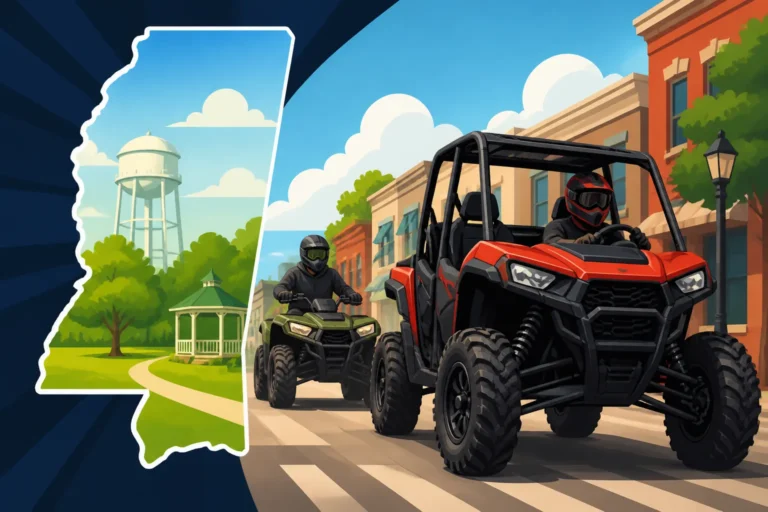
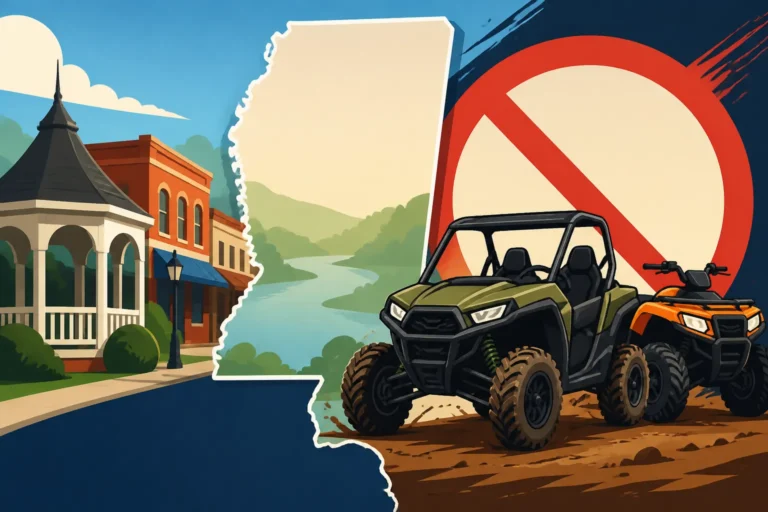
Let's get this out of the way upfront, because it’s the cornerstone of all ATV riding in Mississippi: generally speaking, ATVs and UTVs are not allowed on public roads anywhere in the state. This isn't a suggestion; it's a hard and fast rule embedded in state law. Many riders, especially those new to the state or those who've ridden in other places with more lenient laws, find this incredibly frustrating. It feels restrictive, and it often leads to confusion, particularly when a "road" looks like a dirt path that hardly anyone uses.
The law, specifically [Mississippi Code Section 63-31-3], defines off-road vehicles and then largely restricts their operation to private property. There's no broad "farm road exception" or "gravel road loophole" that many people hope for. If a road is maintained by the county or state, or if it's designated as a public right-of-way, your ATV or UTV is most likely prohibited. This is why you'll often hear about riders receiving citations for simply trying to get from one piece of private property to another by crossing a public road, let alone riding down one for any distance. The state's stance is pretty clear: if it's a public road, it's off-limits. This fundamental understanding is critical before we even begin to talk about specific types of roads, like those leading to catfish ponds. The lack of permissive state statutes means that unless a very specific, limited exception applies (which is rare for ATVs), or you're on private land, you're likely in violation. This can feel like a real pinch for folks who just want to use their utility machines for work or their sport machines for fun without constantly worrying about legal repercussions.
Unpacking "Catfish Pond Roads": Public Thoroughfare or Private Property?
Now, let's zero in on "catfish pond roads." The crucial question here isn't what the road is used for, but who owns and maintains it. This distinction is what truly determines whether you can legally ride your ATV on it.
The Presumption of Private Ownership for Pond Access Roads
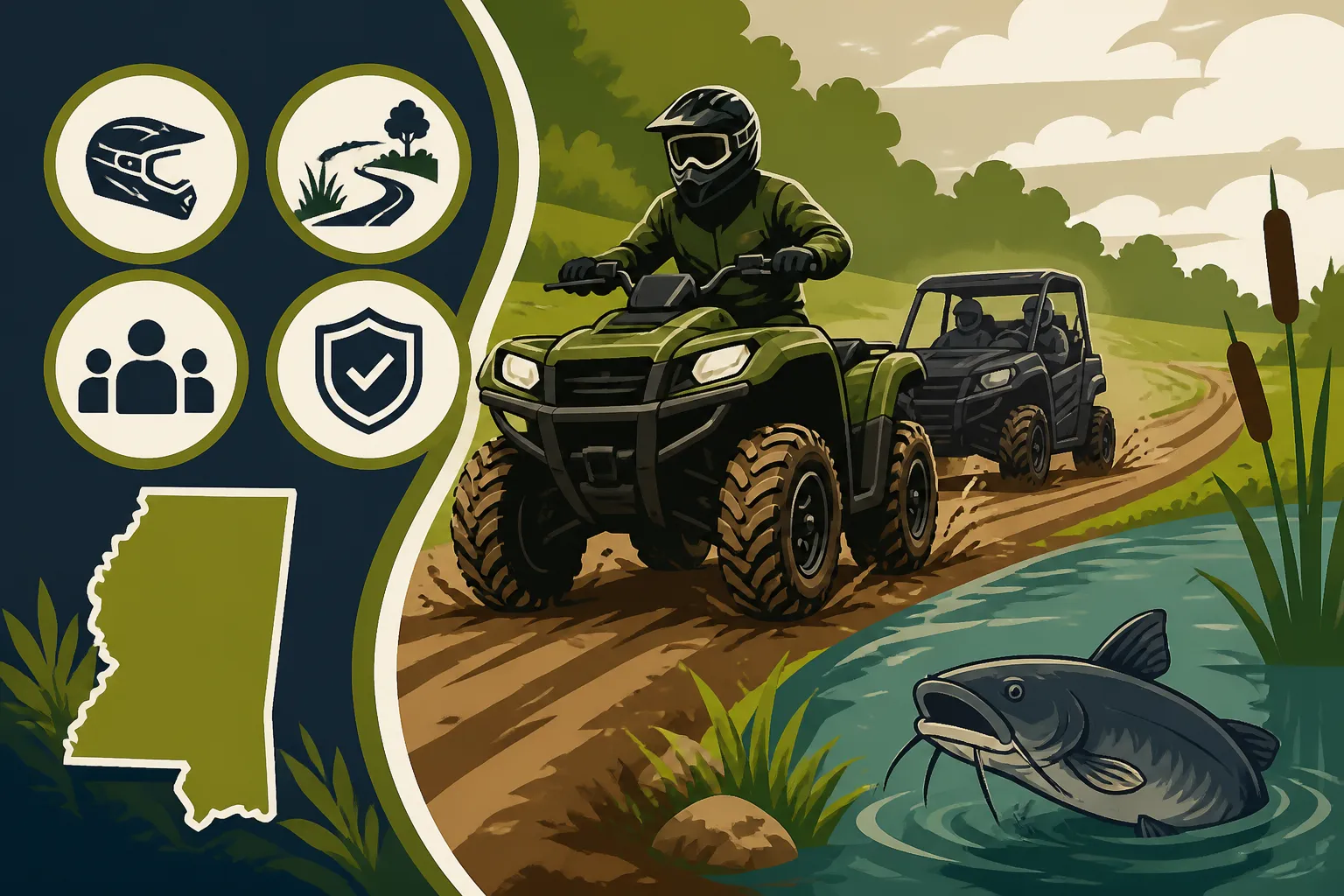
In the vast majority of cases, a road leading to or around a catfish pond is going to be private property. Think about it: these ponds are usually part of a larger agricultural operation or a private parcel of land. The roads are built and maintained by the landowner for their specific purposes – feeding fish, harvesting, property management, or personal access. They aren't typically intended for general public use, nor are they usually maintained by a public entity like the county road department.
If the road is indeed on private land, then the statewide ban on ATVs on public roads simply doesn't apply. You are free to ride your ATV or UTV on that private catfish pond road provided you have the landowner's explicit permission. This is where most off-road riding happens in Mississippi, on someone's land with their blessing. Without that permission, even if it looks like a forgotten dirt path, riding on it constitutes trespassing. [Mississippi Trespass Law for Riders] makes it clear that being on someone else's property without permission can lead to legal trouble, regardless of whether you're on a public road or not.
When a "Pond Road" Might Blur the Lines
Occasionally, a road that looks like a private pond access road might have a more ambiguous status. For instance, sometimes a public easement might run through private land, or a private road might connect two public roads and, over time, be informally used by the public or even occasionally maintained by the county. These situations are tricky, and it's best to err on the side of caution.
Consider a scenario where a long-standing dirt track, historically used by local farmers to access different fields and ponds, seems like a public road because the school bus used it decades ago, or the county once filled a pothole near its entrance. Even if it feels public, if it isn't officially designated as a public road and maintained by a public entity, you should treat it as private. The burden of proof would likely fall on you to demonstrate its public status, which can be nearly impossible without official records. Riding your machine, perhaps with a high-performance exhaust system from SuperATV, might attract attention if you're mistaken for being on a public thoroughfare, even if you believe you're on private land. This is why clarity is key. Always assume a road is public if you're unsure and avoid it, or better yet, get definitive proof of its private status and secure permission.
Here’s a quick comparison of the general rules for ATVs on public versus private roads in Mississippi:
| Feature | Public Roads (Generally) | Private Roads (With Permission) |
|---|---|---|
| ATV/UTV Use | Prohibited by state law | Generally Permitted |
| Primary Law | Mississippi Code Section 63-31-3 | Mississippi Trespass Law |
| Access Control | Government (State/County/City) | Landowner |
| Permit/License | No exceptions for ATVs to ride on public roads | No state permit needed for private land |
| Consequences | Fines, potential impoundment | Trespassing charges, landowner displeasure |
The Golden Rule: Permission is Paramount on Private Catfish Pond Roads
If you’ve determined that the catfish pond road is indeed on private property, your next and most crucial step is to secure explicit permission from the landowner. This isn't just about avoiding legal trouble; it's about being a respectful and responsible member of the riding community.
How to Get and Document Permission
It sounds simple, but getting permission can sometimes be a delicate dance. Ideally, you want to get [Written Permission From a Southern Landowner]. A simple, signed document outlining who can ride, where, and any specific rules (like time of day, guest policies, or restricted areas) can save a lot of headaches later. This protects both you and the landowner. Verbal permission is better than nothing, but it's hard to prove if there's a misunderstanding or a change of ownership or heart.
Imagine you've just bought a new side-by-side, maybe with some robust A-arms from SuperATV to handle the rough terrain around those ponds. You're eager to try it out. Your neighbor, who owns the land with the pond, casually says, "Yeah, sure, ride whenever." That sounds great, but what if his son sees you riding when the neighbor isn't home and calls the sheriff, thinking you're trespassing? What if the neighbor sells the property, and the new owner has no idea about the informal agreement? Written permission, even a simple text or email exchange, can provide valuable proof and prevent these awkward and potentially costly situations.
Respecting the Landowner’s Wishes and Property
Once you have permission, it’s vital to respect the landowner’s wishes. This includes sticking to designated trails or roads, not disturbing livestock or crops, closing gates, and packing out everything you pack in. These catfish pond roads are often working roads. There might be heavy equipment, feed trucks, or other vehicles moving around. Be mindful of their operations. Riding responsibly helps maintain a good relationship with landowners, which is essential given the limited public riding opportunities in Mississippi.
Many riders dream of finding expansive private lands to explore, and a network of catfish pond roads can offer just that. However, this privilege comes with the responsibility of upholding your end of the agreement. If you damage property, leave trash, or act carelessly, you not only risk losing your access but also potentially souring the landowner's opinion of all ATV riders, making it harder for others to gain access in the future. Remember that landowners are doing you a favor, and treating their land with the utmost respect is paramount.
Beyond the Law: Practical Considerations for Riding These Unique Paths
Even when you have permission to ride a private catfish pond road, there are practical considerations that differ from riding on dedicated trails or open fields. These roads present their own unique challenges and require a certain level of preparedness.
Machine Maintenance and Setup for Rural Roads
Catfish pond roads are rarely groomed trails. They can be rough, muddy, rutted, or sandy, depending on the weather and local soil. You might encounter debris from trees, gravel, or even equipment parts. This kind of terrain can be tough on your machine. Regular checks of your tires, suspension, and driveline are crucial. If you’re often encountering water crossings from overflowing ponds or heavy rains, consider accessories like snorkels to protect your engine. Many riders find that upgrading components, such as heavy-duty axles or lift kits from a brand like SuperATV, can help their machines better handle the demanding conditions often found on these working roads.
It’s not just about what breaks, but what gets dirty. Mud and dust from these roads can get into every nook and cranny of your ATV or UTV, potentially leading to premature wear if not properly cleaned. After a day of riding these types of roads, a thorough wash and inspection are always a good idea. Pay attention to wheel bearings, brake pads, and air filters, as these components are particularly vulnerable to abrasive dirt and moisture.
Safety on Uncontrolled Private Roads
Unlike established OHV parks, private catfish pond roads lack formal safety signage or supervision. You need to be extra vigilant.
- Yield to Farm Equipment: Expect to encounter tractors, trucks, and other farm machinery. These vehicles are often slow, noisy, and may not expect to see an ATV. Give them ample space.
- Watch for Obstacles: Unmarked culverts, sudden dips, loose gravel, and overhanging branches are common. Keep your speed in check, especially when visibility is poor or you're unfamiliar with the road.
- Solo Riding vs. Group Riding: While it's always fun to ride with friends, if you're exploring a new pond road, it might be wise to go with at least one other rider. If you get stuck or have a mechanical issue, help is readily available. Always let someone know where you're going and when you expect to return, especially if cell service is spotty.
- Carrying Essentials: A basic tool kit, tire repair kit, first-aid kit, and enough water are highly recommended. You're often far from immediate help on these rural routes. It's a good practice to always be self-sufficient.
The Myth of the "Farm Road Exception" and Local Ordinances
Some riders believe there's a blanket "farm road exception" in Mississippi that allows ATVs on roads serving agricultural purposes. As mentioned earlier, this is a common misconception. [Mississippi Has No Farm Road Exception] in its state law that would permit ATVs on public roads, regardless of their agricultural utility. If a catfish pond road is truly a public road (a rare scenario for such specific access), the state ban still applies.
However, local city or county ordinances can sometimes create very specific and limited exceptions for certain types of vehicles on particular roads. This is generally the only pathway to legal road riding for ATVs in Mississippi, but it's exceptionally rare for ATVs, usually applying to golf carts or Low-Speed Vehicles (LSVs) in specific communities. Even then, it would be highly unusual for a municipality to pass an ordinance specifically allowing ATVs on a "catfish pond road" unless that road was within city limits and designated for broader public access. [Mississippi Local Ordinances Are the Only Path], but for ATVs, it's a very narrow and seldom-traveled path. Before you assume any local exception, you would need to verify it directly with the local authorities and understand its exact limitations. Relying on hearsay or what "everyone else does" is a fast track to potential [Mississippi Penalties for Illegal Road Riding].
In conclusion, riding your ATV or UTV on a catfish pond road in Mississippi hinges almost entirely on private ownership and explicit landowner permission. Understand the strict statewide ban on ATVs on public roads, always clarify the status of any road you intend to ride, and prioritize communication and respect with property owners. Doing so will ensure you can enjoy your machine safely and legally in the Magnolia State's beautiful rural landscapes.
Disclaimer
This article is for general informational purposes only and does not constitute professional advice. Laws, prices and regulations vary by location and change over time. Consult a qualified professional for guidance on your specific situation.