Mississippi Rules for Riding a Gravel Pit
It's easy to spot an open gravel pit here in Mississippi and immediately think, "What a perfect place to let loose on my ATV or UTV!" The wide-open spaces, varied terrain, and challenging climbs can be incredibly enticing. However, this seemingly ideal riding spot often comes with a complex web of legal and safety considerations that many riders overlook. This guide will walk you through the realities of riding in Mississippi gravel pits, helping you understand the rules, minimize risks, and avoid potential trouble.
The Legal Lowdown: Is That Gravel Pit Private or Public?
The biggest misunderstanding about gravel pits often revolves around ownership. Many riders assume that if a pit looks abandoned, or if there are no fences or "No Trespassing" signs, it must be fair game for off-road recreation. I've heard countless stories from folks who learned the hard way that this simply isn't true. The vast majority of gravel pits, even those that appear disused, are privately owned. They belong to individuals, local construction companies, or even larger aggregate mining operations.
Imagine you're driving down a county road and you spot an old gravel pit, overgrown in places but still clearly a pit, with some intriguing piles of dirt and a few challenging slopes. Your instinct might be to pull in and ride. But the fact is, unless you have explicit, direct permission from the person or company who owns that land, you are trespassing. It doesn't matter if the gate is open or if there's no sign; the land still has an owner, and that owner has rights. Treating private land as public access is a quick way to find yourself in a heap of legal trouble, not to mention a lot of frustration.
This distinction between private and public land is absolutely crucial for any off-road enthusiast in Mississippi. Unlike designated public trails, which are clearly marked and managed for recreation, a gravel pit is an industrial site, regardless of its current activity level. It’s not meant for recreational vehicles, and its owners likely have significant concerns about liability and property damage. Ignoring these facts can lead to a very uncomfortable interaction with law enforcement or, even worse, a serious accident.
Understanding Trespass Laws in Mississippi
Mississippi law is pretty clear when it comes to trespassing on private property. If you're on someone else's land without their permission, you are trespassing. Period. It's not just about what you can see, like signs or fences; it's about the owner's explicit or implied consent. When it comes to something like a gravel pit, which is usually owned by a company or an individual with a specific purpose for that land (even if that purpose is just holding it for future use), there's almost never implied consent for recreational riding.
The penalties for trespassing can range from a simple warning to significant fines, especially if you're caught repeatedly or if your activities cause damage to the property. In some cases, your machine could even be impounded, which is a major headache and a significant expense to get back. I've heard tales of riders who faced not only fines but also civil lawsuits for damage they unwittingly caused, like tearing up an access road or disturbing a sensitive area. It's not a situation anyone wants to be in, and it's entirely avoidable by understanding and respecting property rights. You can learn more about what the law says specifically in [Mississippi Trespass Law for Riders].
Consider a hypothetical scenario: you and your buddies find a great-looking gravel pit. You ride for a few hours, having a blast, only to suddenly see a local sheriff's deputy driving up. Your hearts sink. The deputy explains that the landowner called them, and now you're facing citations. Beyond the immediate legal trouble, think about the impound fees, the court costs, and the frustration of dealing with the aftermath. This isn't just a minor traffic ticket; it's a criminal offense that can show up on your record. It just goes to show how quickly a fun ride can turn into a legal nightmare. For more general information on how the law handles such situations, check out [Mississippi Penalties for Illegal Road Riding].
Getting Permission to Ride in a Gravel Pit
So, if riding in an unmarked gravel pit is usually trespassing, what’s a determined rider to do? The answer is straightforward: get permission. This might sound like a long shot, but sometimes, with a polite approach and clear understanding of the owner's concerns, you might just get a "yes." It's the only truly legal and responsible way to enjoy the unique terrain a gravel pit offers.
Many riders shy away from asking, assuming they'll be told no, or they just don't know how to ask. But a respectful inquiry is always better than an unauthorized ride. You have nothing to lose by asking and everything to gain – legal riding access and peace of mind. Remember, the goal isn't just to ride today; it's to foster good relationships that might open doors for future riding opportunities, whether in this pit or elsewhere.
The key to successfully getting permission lies in doing your homework, making a professional approach, and being ready to address any concerns the landowner might have. It's about demonstrating that you are a responsible off-road enthusiast, not someone looking to cause trouble or damage. Showing this level of respect and diligence can make all the difference when you're seeking access to private land.
Identifying the Landowner and Making Contact
The first step in seeking permission is figuring out who actually owns the gravel pit. This might seem daunting, but it's often easier than you think. Your local county tax assessor's office is an invaluable resource. They have records of all property ownership, often accessible to the public. Many counties even have online GIS (Geographic Information System) maps where you can zoom in on a parcel of land and find the owner's name and contact information. Sometimes, a quick chat with locals in the area might also yield some helpful leads, especially if it's a smaller, family-owned operation.
Once you have the landowner's name, the next step is making contact. This is where your politeness and clear communication come in. When you reach out, whether by phone, email, or in person, clearly state who you are, why you're calling, and what you're asking for. Explain that you noticed their gravel pit and are interested in the possibility of riding your ATV or UTV there. Be prepared to explain what kind of machine you have, how many people would be riding, and for how long. Emphasize that you understand it's private property and that you respect their decision, whatever it may be.
It's important to remember that many landowners will likely decline your request, often due to liability concerns or ongoing operations. Don't take it personally. But some, especially if the pit is truly inactive or they have a positive view of responsible riders, might be open to the idea. You might be surprised. I’ve heard stories of landowners who granted access to small, responsible groups, sometimes even charging a small fee, which still beats a trespassing fine any day. A good general guide for securing access is in [Written Permission From a Southern Landowner].
Addressing Landowner Concerns: Liability and Damage
The number one reason landowners hesitate to grant access for recreational riding is almost always liability. They worry, quite understandably, that if someone gets hurt on their property, they could be sued. This is a very real concern for them. When you make your request, be prepared to discuss how you can mitigate this risk. Offering to sign a liability waiver, releasing them from responsibility for any accidents, is a powerful gesture that shows you understand and respect their position. Some landowners might even have their own waiver forms ready to go.
Beyond liability, landowners will also be concerned about potential property damage. ATV and UTV tires can churn up dirt, create ruts, and accelerate erosion, especially in soft, unstable gravel pit environments. You should assure them that you are committed to responsible riding and leaving no trace. This means:
- Sticking to established trails or areas they designate.
- Avoiding sensitive areas like drainage culverts or active work zones.
- Packing out everything you pack in, including any trash.
- Being mindful of noise, especially if the pit is near residential areas.
To further reassure them, you could even discuss how you equip your machine. For instance, SuperATV offers robust skid plates and heavy-duty suspension components that not only protect your machine but can also help reduce the impact on the terrain by providing better control. Carrying a robust winch, also offered by SuperATV, is a smart idea, as it means you won't have to call for help and potentially involve the landowner if you get stuck. Demonstrating this level of foresight and responsibility can go a long way in building trust and making a landowner more comfortable with granting you permission.
Safety Considerations Unique to Gravel Pits
Even with permission, riding in a gravel pit is inherently different and often more dangerous than riding on a dedicated trail system like [Bethel OHV Trails in Mississippi] or [Red Creek Off-Road in Mississippi]. These aren't purpose-built recreational areas; they are industrial sites with features that can be incredibly hazardous to unsuspecting riders. It's crucial to approach any gravel pit with heightened awareness and a commitment to safety, no matter how much experience you have.
The terrain itself presents unique challenges. What looks like a fun climb could be an unstable pile of loose material ready to shift. What appears to be a shallow puddle could hide significant depths or dangerous debris. These aren't the groomed paths or well-marked obstacles you'd find at a park. They are dynamic environments shaped by heavy machinery and natural forces, constantly changing and often unpredictable.
Being prepared for these specific hazards can mean the difference between an exhilarating ride and a serious incident. This includes not just your riding skills but also the condition of your machine and the gear you wear. Never underestimate the dangers present in a gravel pit, even if you’ve ridden similar terrain before.
Unstable Terrain and Hidden Hazards
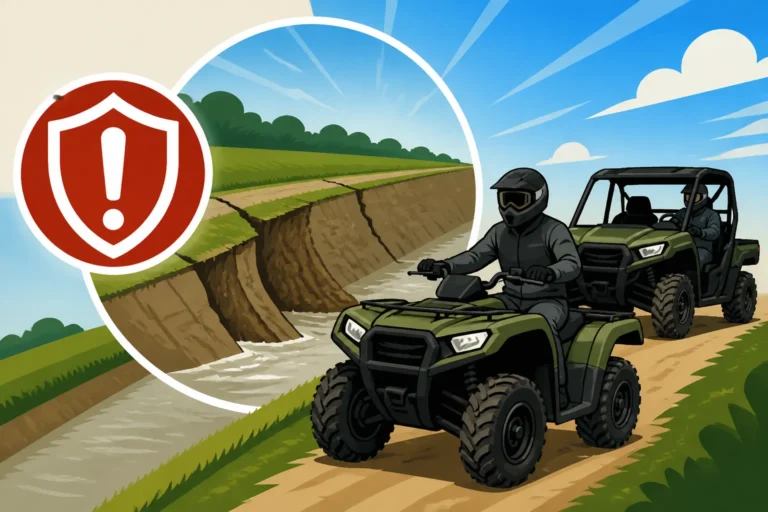
The very nature of a gravel pit means you're dealing with constantly shifting, unstable ground. Loose gravel on steep inclines can cause your tires to lose traction unexpectedly, leading to rollovers or slides. Deep ruts left by heavy machinery can swallow a wheel, throwing your balance off or even damaging your suspension. I've personally seen riders underestimate a seemingly small pile of gravel only to find their machine high-centered in a heartbeat.
Beyond the obvious, gravel pits are often full of hidden dangers. Sharp rocks, discarded pieces of metal, broken concrete, rebar, or even old tires can be partially buried, waiting to puncture a tire or snag a vital component on your machine. After heavy rains, washouts can create sudden, dramatic drop-offs or turn seemingly solid ground into quicksand. Standing water in pits can conceal anything from deep holes to submerged industrial waste. You simply cannot see what's beneath the surface, making these water crossings extremely risky.
This is where having robust equipment really makes a difference. Aftermarket protection like heavy-duty skid plates and A-arm guards are vital for protecting the undercarriage of your ATV or UTV. SuperATV offers a range of these accessories designed to withstand severe impacts, which can be a lifesaver when navigating unknown terrain in a gravel pit. Similarly, upgrading to more durable tires with aggressive tread can improve traction and reduce the risk of punctures from sharp debris. It's not just about getting through the terrain; it's about getting through it safely and without damaging your machine.
Active Operations and Equipment
One of the gravest dangers of riding in an active gravel pit is the presence of heavy machinery. Dump trucks, excavators, bulldozers, and loaders operate in these areas, and they are not looking for recreational riders. These machines have enormous blind spots, are slow to maneuver, and their operators are focused on their work, not on spotting ATVs. The sheer size difference between your machine and an excavator means that if there's a collision, your chances of walking away unscathed are slim to none.
The noise from machinery, combined with the dust they kick up, can severely limit visibility and communication. An operator might not see or hear you until it's too late, especially if you're approaching from an unexpected direction. It's not just about the immediate danger of being run over; it's about the entire operational environment being hostile to small, fast-moving recreational vehicles.
Even in seemingly "inactive" pits, old equipment might be left behind, creating obstacles or unstable structures. Fumes from diesel equipment, loud noises, and the general industrial atmosphere are far removed from the natural beauty of dedicated trails. If you somehow gain permission to ride in a pit that is ever active, the landowner will likely specify strict hours or areas where riding is absolutely prohibited. Always adhere to these rules without question. It’s a matter of life and death.
Here's a quick reference for common hazards and how to stay safe:
| Hazard Type | Description | Safety Tip |
|---|---|---|
| Unstable Slopes | Loose gravel, steep grades, potential for collapses, sudden erosion. | Always scout unknown slopes on foot first. Avoid riding alone in challenging areas. Approach climbs cautiously, anticipating loss of traction. Be aware of your machine's limitations and your own skill level. |
| Heavy Equipment | Large, slow-moving machinery with immense blind spots and focused operators. | Assume all pits are active, even if you don't immediately see equipment. Stay far away from any machinery, operational zones, or staging areas. Never assume an operator sees you. Yield the right-of-way immediately and completely. |
| Hidden Debris | Metal scraps, broken concrete, rebar, sharp rocks, discarded tires. | Wear appropriate protective gear (sturdy boots, gloves). Thoroughly inspect your tires before and after riding. Consider aftermarket protection like skid plates and A-arm guards for your machine's vital components. |
| Water Pits/Ponds | Deep, murky water with unknown depths, submerged hazards, and toxic runoff. | Never ride into standing water unless you are absolutely certain of its depth and what lies beneath. Water in gravel pits can be deceptively deep and contain hazardous materials. If in doubt, turn around. |
| Dust & Visibility | Fine dust created by vehicles and wind, obscuring vision and irritating lungs. | Wear a full-face helmet with a sealed visor and consider a dust mask or bandana to protect your lungs. Ride at a safe distance from others to avoid their dust clouds. Use your lights for better visibility to others. |
Responsible Riding and Environmental Impact
Even when you've done everything right—secured permission, understood the risks, and prepared your machine—responsible riding in a gravel pit is still paramount. Your actions, positive or negative, reflect not only on you but on the entire off-road community. Being a good steward of the land, even land that’s been industrially modified, is crucial for maintaining any future access and fostering a positive image for ATV and UTV enthusiasts.
It's about more than just avoiding a ticket; it's about building trust. Landowners who grant access are making a leap of faith. If that faith is broken by irresponsible behavior, littering, or damage, it's unlikely they'll ever open their land to riders again. This not only closes off that specific location but can also create a negative reputation for all riders in the area, making it harder to gain access to other private lands down the line.
Therefore, every time you ride in a gravel pit (or any private land), consider it an audition. Show the landowner, and the community, that off-road riders can be respectful, responsible, and environmentally conscious. This mindset benefits everyone in the long run.
Protecting the Environment and Your Reputation
When riding in a gravel pit, even a heavily altered landscape deserves respect. Avoid riding in sensitive areas, such as any small wetlands that might have formed, or near any streams or ponds. Your machine can easily disturb delicate ecosystems or contribute to runoff that impacts water quality. Stick to drier, more established areas of the pit where your impact will be minimal.
One of the biggest issues is litter. It's absolutely non-negotiable: pack out everything you pack in. This includes empty drink bottles, snack wrappers, and any broken parts from your machine. Don't leave anything behind. Carrying a small trash bag on your machine, perhaps secured with some bungee cords or within a cargo box from SuperATV, makes it easy to collect your refuse and dispose of it properly later. This simple act goes a long way in showing respect for the property.
Noise control is another important factor, especially if the gravel pit is located anywhere near residential areas. While the rumble of an ATV or UTV is part of the experience, excessive noise can be a major nuisance to neighbors and quickly lead to complaints. Ensure your exhaust system is in good repair and meets any local sound ordinances. Remember, noise complaints can be a quick way for a landowner to revoke permission, so being mindful of your sound footprint is a sign of good judgment. You can read more about dealing with noise in [Mississippi Noise Complaints About Quads] and ensuring your machine has proper equipment like a spark arrestor is always a good idea, as discussed in [Mississippi Spark Arrestor Requirements].
The Future of Riding Access
The way you behave today impacts the riding opportunities of tomorrow. Landowners who grant access do so with an implicit trust that riders will be responsible, respect their rules, and leave the property as they found it, if not better. One single negative incident – whether it's excessive noise, property damage, or littering – can immediately shatter that trust and lead to access being revoked for everyone. It's a sad reality, but one bad apple can indeed spoil the whole bunch when it comes to private land access.
Instead of constantly seeking out unauthorized or hard-to-access private land like gravel pits, consider supporting and utilizing designated riding areas whenever possible. Parks like [Red Creek Off-Road in Mississippi] or [Bethel OHV Trails in Mississippi] are managed specifically for off-road recreation, offering a safer and more sustainable way to enjoy your machine. These parks have infrastructure, rules designed for safety, and an existing framework for responsible riding. They are often a better, more reliable option for off-road fun.
By advocating for more designated riding areas, following the rules at existing parks, and demonstrating impeccable behavior when granted private land access, you contribute to a positive future for the off-road community in Mississippi. This helps ensure that the joy of ATV and UTV riding remains accessible for generations to come, moving away from the risky and often illegal pursuit of unauthorized spots. Remember, a driver's license or safety certificate is required on some public lands, so knowing about [Mississippi Safety Course Certificates] is a good idea. For specific state laws governing ATVs, it's always helpful to check [Mississippi Code Section 63-31-1] and [Mississippi Code Section 63-31-3].
Disclaimer
This article is for general informational purposes only and does not constitute professional advice. Laws, prices and regulations vary by location and change over time. Consult a qualified professional for guidance on your specific situation.