Mississippi Rules for a Child Passenger
Riding an ATV or UTV in Mississippi is a beloved pastime for many families, offering incredible opportunities to explore our beautiful landscapes, from the Delta lowlands to the pine forests. However, bringing along younger passengers often comes with a host of questions and anxieties for parents and guardians. This guide is here to untangle the specific rules and best practices around carrying child passengers on off-road vehicles in Mississippi, helping you ensure a safe and legal ride for everyone.
Mississippi's Core Laws on Child Passengers and Off-Road Vehicles
Navigating the rules for ATVs and UTVs, especially when it comes to kids, can feel like slogging through deep mud after a heavy rain – confusing and sometimes a bit murky. In Mississippi, the state's laws around off-road vehicles (which include ATVs and UTVs, often referred to as ROVs or side-by-sides) are quite specific, particularly when it comes to who can ride and where, and this definitely applies to our littlest riders. The primary concern is always safety, and the law reflects that.
Age and Passenger Restrictions on Public Land
One of the most critical aspects of Mississippi law for off-road vehicles is that passengers are generally only permitted on machines specifically designed by the manufacturer to carry more than one person. This means if your ATV is a single-rider model, it's not legally equipped to carry a passenger, child or adult, on public lands or properties that mirror state law. This is a point of confusion for many riders, as some aftermarket seats exist, but they don't change the vehicle's original manufacturer design intention. The intent behind this rule is to prevent overloading and ensure the vehicle's stability isn't compromised by an extra rider it wasn't built to handle. You can delve deeper into the specific legal framework in [Mississippi Code Section 63-31-3].
For younger riders, there are additional layers. Generally, if a child is under the age of 16, Mississippi law dictates that they must wear an approved safety helmet when operating or riding as a passenger on an ATV or ROV. This isn't just a suggestion; it's a legal requirement aimed at protecting our most vulnerable riders from head injuries. Understanding [Mississippi ATV Helmet Law Age] is crucial for any family planning a ride. Furthermore, anyone under 16 operating an ATV on public lands, including those legally designated as trails, needs to have a safety certificate or be under the direct supervision of an adult who has one. This rule extends to passengers as well if they are operating the machine. If your child is riding, understanding [Mississippi ATV Age Requirements] is also key.
Understanding "Passengers Only on a Factory Two-Seat Machine"
This particular phrase is one you'll hear often in discussions about off-road vehicle laws in Mississippi, and for good reason. It forms the bedrock of safe and legal passenger transport. It means that if your ATV was originally designed and sold by the manufacturer as a single-rider vehicle, putting a child (or any passenger) on it is generally not permitted under state law, especially on public property. This holds true even if you've added an aftermarket seat or padded storage box that looks like a comfortable spot for a second person. The vehicle's fundamental design for weight distribution, braking, and handling is optimized for one rider.
Side-by-sides (UTVs/ROVs) are a different story, as they are explicitly designed with multiple seats from the factory. These machines are built with the intention of carrying passengers, and their design – including roll cages, seatbelts, and wider stances – reflects this. For these vehicles, the focus shifts to ensuring all passengers, especially children, are properly restrained and meet other age and safety requirements. This distinction is vital, as a single-rider ATV, no matter how large or powerful, is still only intended for one. When considering a UTV for family rides, this factor is a major plus. For more on this, check out [Passengers Only on a Factory Two-Seat Machine].
Navigating Different Riding Environments with Children
It's not just about if you can have a child passenger, but where you can have them. Mississippi offers a variety of riding experiences, from private hunting leases to dedicated off-road parks, and the rules can subtly shift depending on the location. What's perfectly fine on your own land might land you a citation on a state-managed trail. This patchwork of regulations can be frustrating, but knowing the specifics for each type of terrain will save you headaches and help you stay safe.
Private Property vs. Public Land Rules
The biggest distinction often lies between private property and public land. If you're on your own land, or land for which you have explicit permission from the owner (like a hunting lease or family farm), the state's stringent public land rules regarding passengers are typically relaxed. On private property, the owner's rules, or your own common sense and safety practices, generally take precedence. This is where many families enjoy multi-person ATV rides or allow younger, supervised riders to gain experience. However, even on private land, common sense dictates that a child should always be supervised and wearing appropriate safety gear. A helmet, sturdy boots, and long sleeves are never a bad idea, regardless of where you're riding.
When you venture onto public lands, such as national forests with designated OHV trails or state-managed wildlife management areas (WMAs), the state laws kick in with full force. Here, the "factory two-seat machine" rule is strictly enforced, and you'll absolutely need to ensure your child passenger is wearing a helmet if they're under 16. Furthermore, on public land, adults supervising younger riders (especially those under 16) should be aware of [Mississippi Supervision on Public Land] requirements, which often involve carrying a valid safety certificate themselves. It’s also important to remember that just because you can ride on certain public lands, doesn’t mean you can ride everywhere. [Mississippi Passenger Rules on Public Land] makes it clear that designated trails are the only legal places.
State Parks and Dedicated OHV Parks
Mississippi's state parks and privately-owned OHV parks often have their own set of rules that can be even more restrictive than general state law. While they generally adhere to the state's core regulations, they might add specific age minimums for passengers, stricter helmet requirements (sometimes for all ages, not just under 16), or rules about the type of machine allowed. For example, a state park might have a blanket policy requiring all riders and passengers, regardless of age, to wear a helmet, or they might enforce specific sound limits that could impact older, modified machines. Always check with the specific park you plan to visit before you load up the trailer.
Private parks, like Red Creek Off-Road or Meridian OHV Park, are businesses, and they establish their own liability waivers and operating rules to protect themselves and their patrons. These rules are usually clearly posted at the entrance or on their websites and often include requirements for safety gear, passenger ages, and vehicle types. These parks are usually very clear that passengers are only allowed on machines designed for them. It’s also common for these parks to require all riders to sign a waiver, and for minors, this requires a parent or legal guardian's signature. Knowing the [Mississippi State Park Passenger Rules] and [Mississippi State Park Helmet Requirements] before you go can save you a lot of hassle at the gate.
Essential Safety Measures for Child Passengers
Beyond simply following the law, ensuring the absolute safety of your child passenger should be your top priority. Accidents can happen quickly, even on familiar terrain, and children are often more vulnerable to injuries. Preparing your child, your machine, and yourself for the ride can make all the difference between a memorable family adventure and a trip to the emergency room.
Proper Gear and Machine Readiness
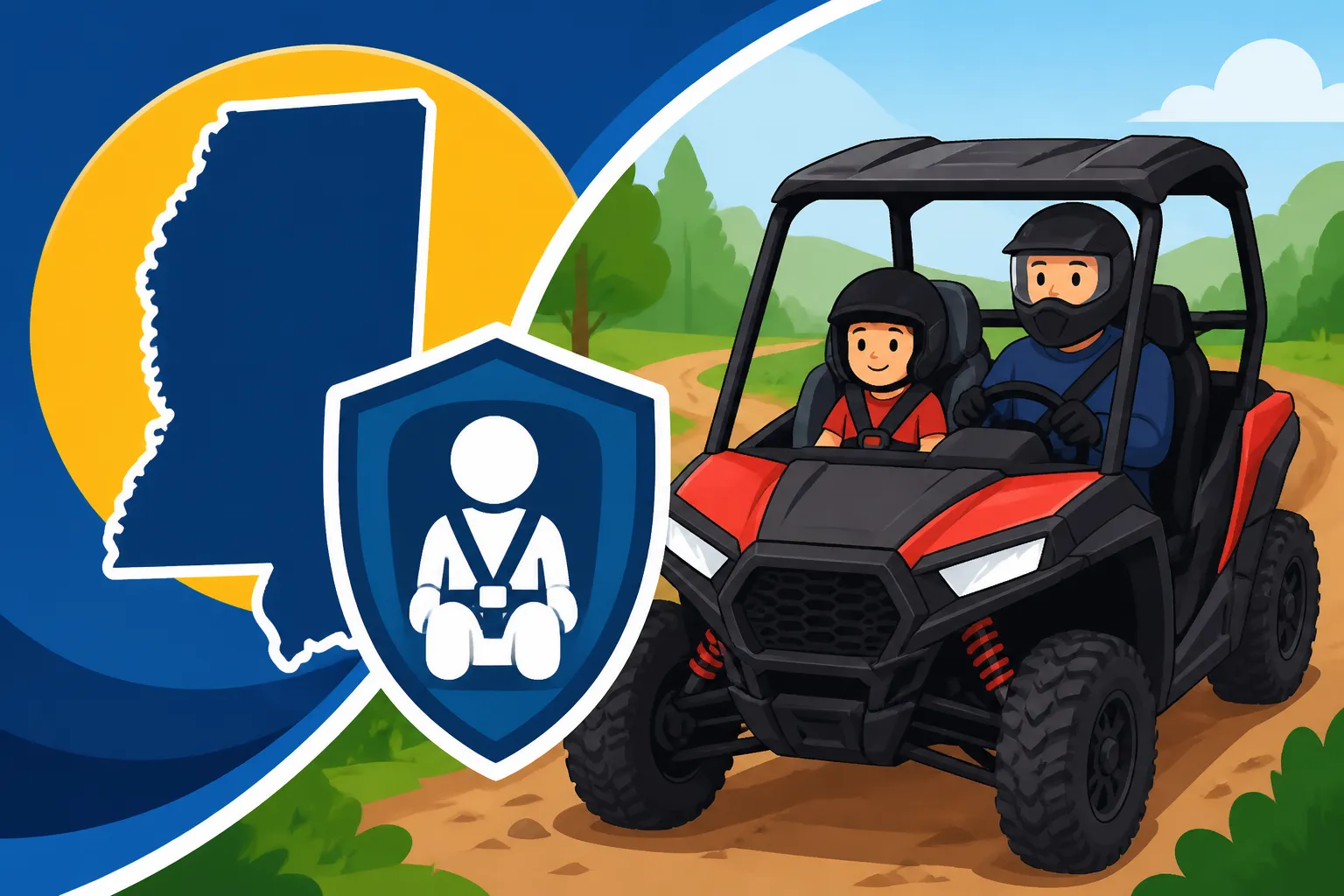
Just like you wouldn't send a child to school without shoes, you shouldn't let them ride on an ATV or UTV without the right protective gear. A well-fitting helmet is non-negotiable for anyone under 16 in Mississippi, but it’s a smart choice for all ages. Look for helmets that meet DOT (Department of Transportation) standards. Beyond that, sturdy over-the-ankle boots, long pants, long-sleeved shirts, gloves, and eye protection (goggles or a helmet with a face shield) are all critical. This gear helps protect against abrasions, cuts, impacts, and debris kicked up from the trail. Don't skimp on quality here; your child's safety is worth the investment.
Your machine itself also needs to be ready. Before every ride with a child passenger, perform a thorough pre-ride inspection. Check tire pressure, brake function, fluid levels, and ensure all lights are working. Confirm that seatbelts (on UTVs) are functional and properly adjusted for your child's size. Ensure any cargo is securely fastened and won't shift during the ride. If you're on a UTV, make sure the doors are latched, and the roll cage is intact. Companies like SuperATV offer a range of robust components, from suspension upgrades for a smoother ride to durable skid plates, which can contribute to overall machine reliability and safety, especially when carrying precious cargo. A well-maintained machine is a safe machine.
The Importance of Training and Supervision
While a child might not be operating the ATV or UTV as a passenger, understanding the dynamics of the ride is still important. Children need to be instructed on how to properly ride as a passenger: keeping their feet on the footrests, holding onto the grab handles (if available) or the operator, and remaining seated at all times. They should also understand the importance of not distracting the driver. For younger riders who might eventually want to operate their own machine, consider enrolling them in an approved ATV safety course. Mississippi offers courses that provide invaluable skills and knowledge, and completing one can lead to a [Mississippi Safety Certificates as an Alternative] to a driver's license for public land operation for those over 12. These courses often cover proper riding posture, controls, and risk awareness, laying a solid foundation for future riding.
Direct adult supervision is paramount, especially for children. On public lands, this often means the adult must be present and, in some cases, possess their own [Mississippi Safety Course Certificates]. Even on private land, never allow a child to ride unsupervised. The adult should always be aware of the child's comfort level and fatigue, taking breaks as needed. Remember, kids have shorter attention spans and can tire more quickly than adults. Tailoring the ride to their capabilities and attention span ensures a positive and safe experience for everyone. If your child is approaching the age to ride their own smaller machine, look into [Mississippi Rules for a Youth Quad] to ensure they're on an appropriately sized vehicle.
Special Considerations and Common Pitfalls
Even with the best intentions, there are unique situations and common mistakes riders make when bringing children along. Being aware of these can help you avoid potential issues and ensure everyone has a positive and lawful experience.
When to Consider a Youth-Specific Machine for Operating
There comes a point when a child moves beyond being solely a passenger and expresses interest in operating their own machine. This is a great step, but it must be approached with caution and adherence to safety guidelines. Mississippi law for operation has age requirements, and for younger riders, a machine must be "age-appropriate" – meaning a smaller, lower-powered ATV or UTV designed specifically for youth. Putting a child on a full-size machine they cannot safely control is an incredibly dangerous mistake.
Youth ATVs are designed with features like speed limiters, smaller engines, and lighter frames that are easier for children to manage. They also often have remote shut-off switches, allowing a supervising adult to stop the machine if a child gets into trouble. If you're considering this step, researching [Mississippi Rules for a Youth Quad] is essential to understand the size, age, and supervision requirements. Never let a child operate a machine that is too big or powerful for their age, size, or experience level. It's also important to remember that even on youth machines, the helmet and protective gear requirements still apply. For those between 12 and 16, getting a [Mississippi Safety Certificate Lookup] done can confirm they have the necessary qualification for public land riding.
Insurance and Liability for Young Passengers
While Mississippi doesn't mandate ATV insurance, it's a wise investment, especially when carrying passengers, and particularly children. Accidents, unfortunately, can happen, and having insurance can protect you from significant financial burdens related to medical bills, property damage, or legal fees if someone is injured. Your homeowner's policy might offer limited coverage for off-road vehicles on your property, but it's usually insufficient for accidents occurring off-site or involving bodily injury to third parties.
A dedicated ATV or UTV insurance policy can provide liability coverage, which is crucial if your child passenger is injured due to a mishap and you're found responsible. It can also offer comprehensive and collision coverage for your machine itself. When discussing policies, be upfront with your insurance agent about how the machine is used and if you routinely carry child passengers. This ensures you have appropriate coverage. Remember, even with the best safety practices and proper gear, accidents are a possibility. Protecting yourself and your family with adequate insurance is an important layer of preparedness. For a teenager who might start operating, it's also worth understanding [Mississippi Rules for a Teen Rider].
Summary of Child Passenger Rules in Mississippi
To make things a little clearer, here's a quick overview of the key considerations for child passengers in Mississippi. Remember, specific parks or private lands may have additional rules.
| Rule Category | ATVs (Single-Rider) | UTVs (Multi-Rider) | Age < 16 (Operator/Passenger) | Age > 16 (Operator/Passenger) |
|---|---|---|---|---|
| Passengers Permitted | Generally NO on public land (unless factory designed for 2) | YES, if factory designed with multiple seats | Varies by location/machine | Yes, if factory designed for multiple seats |
| Helmet Required | YES, if under 16 | YES, if under 16 | YES | No state mandate (recommended) |
| Safety Certificate | Required for operation on public land (age 12-15) | Required for operation on public land (age 12-15) | YES (if operating) | No state mandate (recommended) |
| Supervision | Highly recommended, often required on public land | Highly recommended, often required on public land | YES | Recommended for new riders |
| Proper Restraints | N/A | YES (seatbelts, doors/nets) | YES (seatbelts) | YES (seatbelts) |
| Private Land | Owner's rules apply, but safety is paramount | Owner's rules apply, but safety is paramount | Owner's rules apply | Owner's rules apply |
This table provides a general guide. Always check the specific laws and park rules before your ride.
Riding ATVs and UTVs with your family can create some of the most cherished memories, offering unparalleled access to Mississippi's natural beauty. By taking the time to understand and adhere to the state's rules, especially concerning child passengers, you're not just avoiding a ticket – you're actively ensuring the safety and well-being of everyone on board. Prioritize safety gear, proper supervision, and a clear understanding of where and how you can ride. That way, every family adventure on the trails is a happy and safe one.
Disclaimer
This article is for general informational purposes only and does not constitute professional advice. Laws, prices and regulations vary by location and change over time. Consult a qualified professional for guidance on your specific situation.