Mississippi Rules for Riding After Dark
There's a special thrill to riding your ATV or UTV as the sun dips below the horizon, the air cools, and the stars begin to emerge. However, in Mississippi, that serene picture can quickly turn into a legal headache if you're not absolutely clear on the rules, especially when it comes to public roads and trails. This guide is here to untangle the complexities of riding your machine after dark in the Magnolia State, ensuring you understand where you can legally ride, what gear you need, and how to stay safe and out of trouble.
The Stark Reality: Why Night Riding on Public Roads is a No-Go in Mississippi
It’s a common fantasy for many riders: cruising down a quiet country road under the moonlight, the hum of your engine the only sound. But in Mississippi, that dream is firmly against the law. The state's stance on ATVs and UTVs on public roads is unambiguous, and the darkness only amplifies the risks and the likelihood of encountering legal issues.
Mississippi's Blanket Ban on Public Road Use
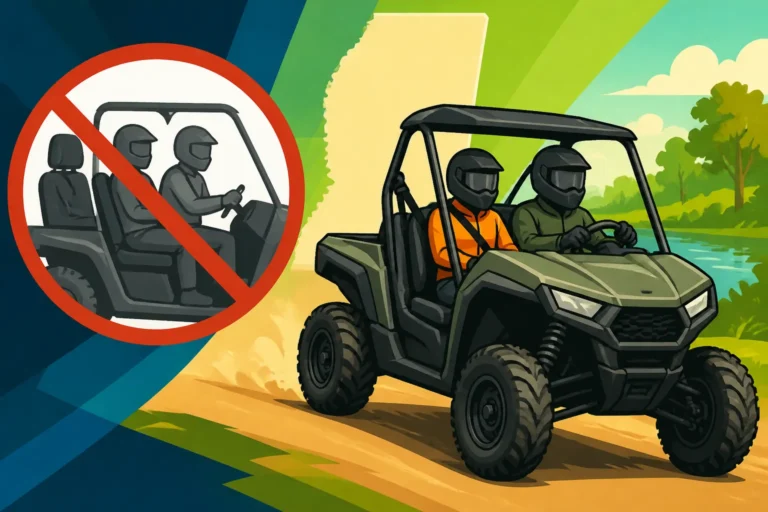
Let's be crystal clear: [Mississippi Bans ATVs on Public Roads]. This isn't just a suggestion; it's a fundamental aspect of the state's off-road vehicle laws. Whether it’s noon or midnight, sunny or stormy, the general prohibition on riding your ATV or UTV on a public road, street, or highway in Mississippi remains in effect. The law doesn't suddenly change when the sun goes down. In fact, riding at night on prohibited roads can make an already illegal activity even more dangerous and noticeable to law enforcement.
Many riders, especially those new to the state or the sport, often misunderstand this. They might think a less-traveled road after dark would be acceptable, or that if they're just "crossing" a road, it's fine. However, [Mississippi Code Section 63-31-3] makes no such allowances for time of day or intent. The moment your tires hit that asphalt or gravel of a public thoroughfare, you are potentially violating state law, and doing so in the dark only increases the chances of an incident or being spotted by a patrolling deputy.
The Legal Implications of a Nighttime Stop
Getting stopped by law enforcement during the day for riding illegally on a public road is one thing, but a stop at night can carry additional complications. Reduced visibility makes it harder for both the rider and the officer to assess the situation quickly and safely. While the penalties for illegal road riding might seem minor on the surface – [Mississippi Fine Ranges for Road Riding] can start quite low – these citations can still stack up, and multiple offenses can lead to more serious consequences, including impoundment of your machine.
Beyond the immediate citation, a nighttime stop can raise questions about your judgment and intent. While there isn't a separate, harsher penalty specifically for "riding at night on public roads," the conditions of darkness could lead to more intensive questioning regarding alcohol consumption, potential impairment, or other infractions that might not be as readily apparent during daylight hours. It’s simply not worth the risk.
What the Lack of State Lighting Laws Means for Public Roads
Given the outright ban on ATVs and UTVs on public roads, Mississippi state law doesn't extensively detail lighting requirements for these machines in that specific context. Why? Because the machines aren't supposed to be there at all. Any lights you might have on your machine, no matter how bright or compliant they might be for off-road use, won't magically make it legal to ride on a public road after dark.
This lack of specific lighting regulation for ATVs on public roads shouldn't be misinterpreted as an allowance. Instead, it underscores the state's clear stance: these vehicles are for off-road use only. Therefore, focusing on street-legal lighting for your ATV for public roads in Mississippi is a moot point. Any modifications should be geared towards enhancing safety and visibility on designated off-road trails and private land, which we’ll discuss next.
Navigating the Dark: Rules for Private Land and Designated Trails
While public roads are out, plenty of opportunities exist for after-dark riding in Mississippi, provided you're on private land or within the confines of a permitted off-road park. These environments come with their own set of rules and considerations, particularly when it comes to riding after the sun goes down.
Permission and Posted Hours on Private Property
When you're riding on private land, whether it's your own property, a friend's sprawling acreage, or land you have permission to access, the rules of the landowner are paramount. This is especially true for night riding. Just because you have permission to ride during the day doesn't automatically extend to after dark. Always, always verify with the landowner if nighttime riding is permitted. Not doing so could lead to a misunderstanding, or worse, a [Mississippi Trespass Law for Riders] violation, even if you thought you had permission.
Landowners might have very good reasons for restricting night riding. It could be for noise considerations for neighbors, concerns about disturbing wildlife, or simply a matter of safety given potential hazards that are harder to spot in the dark. A clear, written agreement or explicit verbal permission is your best defense against any issues. Respecting these boundaries not only keeps you out of trouble but also helps maintain good relationships and ensures future access to riding areas.
Specific Park Regulations for After-Dark Riding
Many designated off-road parks and private mud parks across Mississippi do allow night riding, often advertising it as a major draw. However, each park will have its own specific rules and hours of operation that you absolutely must adhere to. These aren't just suggestions; they are often tied to permits, insurance, and the safety of all patrons. For instance, parks like [Red Creek Off-Road in Mississippi] often have specific weekend hours that might extend into the night, but they’ll also have clear closing times and rules about noise or behavior after dark.
It's crucial to check a park's website or call ahead to confirm their night riding policies. Some parks may require additional lighting beyond standard factory equipment, or have specific rules about camping, campfires, or alcohol consumption during night events. Publicly managed trails, such as those within national forests like [Bethel OHV Trails in Mississippi], typically have strict daytime-only hours for riding and do not permit after-dark operation. Always confirm the rules for any specific location before you load up your machine and head out for an evening adventure.
Understanding Lease Agreements and Hunting Club Rules
For many Mississippi riders, ATVs and UTVs are integral to hunting and timber land management. If you're riding on leased land or as part of a hunting club, your ability to ride after dark will be governed by the terms of your lease agreement or the club's bylaws. These documents often specify permitted hours of operation, particularly during hunting seasons, and may have restrictions on vehicle use to minimize disturbance to game animals or fellow hunters.
It’s not uncommon for hunting clubs to have rules about driving machines only during specific times (e.g., to and from stands before dawn and after dusk, but not for general joyriding in the middle of the night). Some might even have special lighting requirements for utility purposes, like retrieving a downed animal after dark. Always consult your lease or club rules, and if there's any ambiguity, clarify with the landowner or club president. Disregarding these rules could jeopardize your membership or lease.
Essential Gear and Safety Considerations for Night Riding
Riding after dark, even in a controlled environment, introduces a new set of challenges and risks. Your visibility is dramatically reduced, depth perception is skewed, and hazards become much harder to spot. Therefore, having the right gear and adopting a vigilant safety mindset are not just good ideas—they’re absolutely essential.
Upgrading Your Lighting for Enhanced Visibility
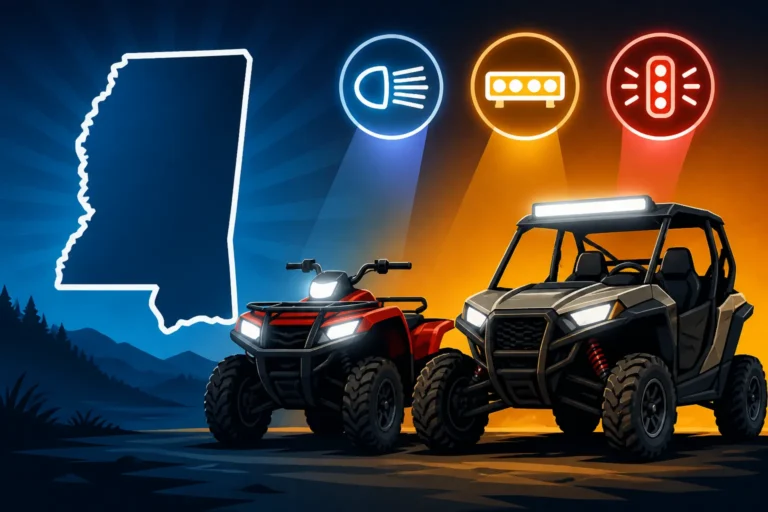
Factory headlights are often adequate for basic visibility, but for serious night riding, especially on technical trails or in dense woods, they usually fall short. Investing in auxiliary lighting is a game-changer. LED light bars, spot lights, and flood lights can dramatically improve your field of vision, helping you spot obstacles, ruts, and wildlife much sooner. Companies like SuperATV offer a wide range of robust lighting solutions designed specifically for off-road machines, providing brighter, wider, and longer-reaching illumination.
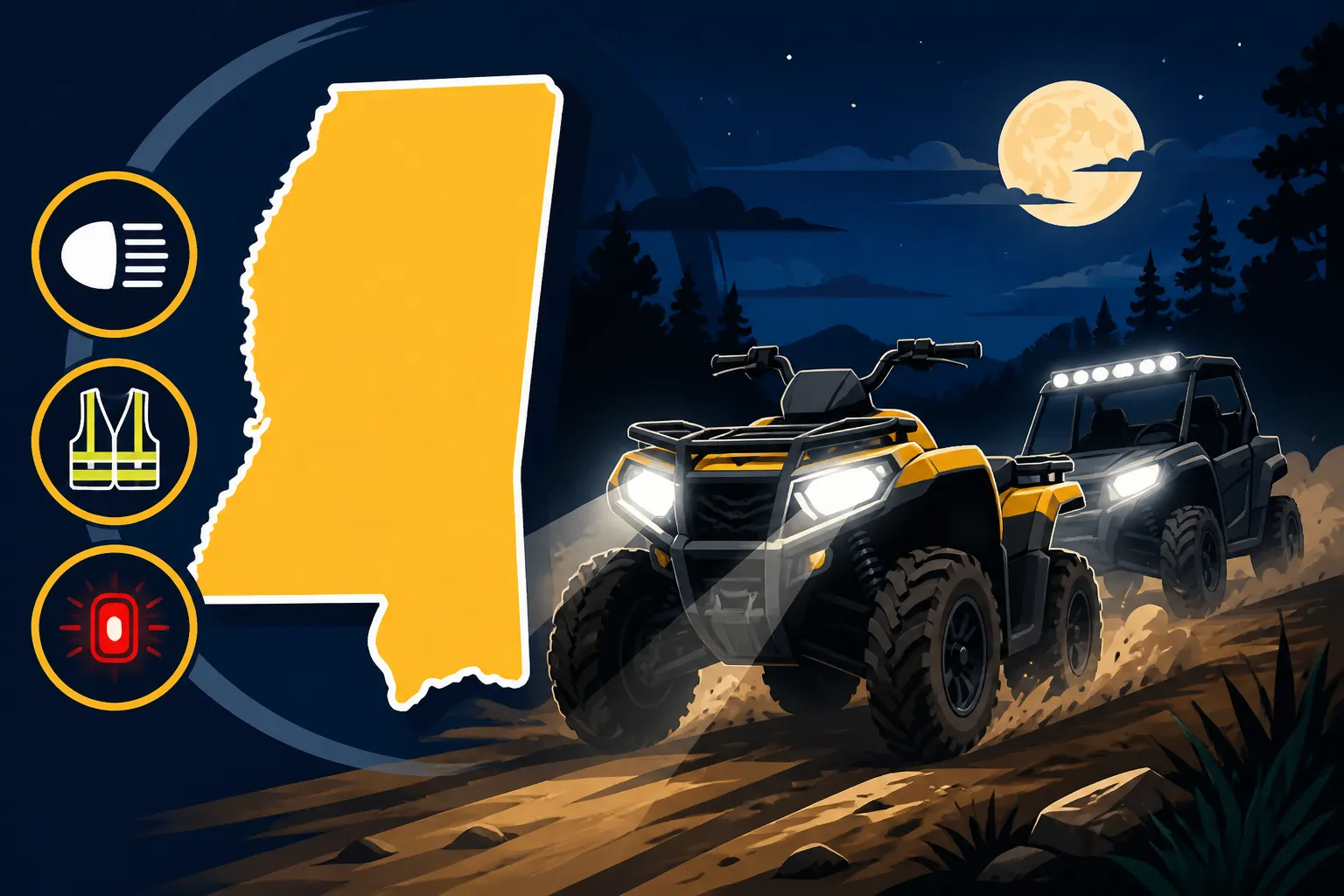
When considering lighting upgrades, think about a combination of flood patterns for peripheral vision and spot patterns for distance. Also, consider rear-facing lights, particularly if you’re riding in a group, to ensure others can see you. While [Mississippi Lighting Rules on a Machine] mainly focus on minimum requirements for public roads (which, again, you shouldn't be on), having ample, high-quality lighting for off-road conditions is a non-negotiable safety upgrade.
Here's a quick comparison of common lighting options:
| Light Type | Purpose | Pros | Cons |
|---|---|---|---|
| Factory Headlights | Basic forward illumination | Standard equipment, legal minimum | Often insufficient for aggressive night riding |
| LED Light Bar | Wide, powerful forward illumination | Excellent overall visibility, durable, energy efficient | Can be expensive, may require additional wiring |
| Pod Lights | Focused spot or flood beams | Versatile, good for specific areas (A-pillars, rear) | Smaller coverage area than a light bar |
| Rock Lights | Underbody illumination | Helps see terrain directly under the machine, aesthetics | Primarily for slow, technical crawling, not speed |
| Whip Lights | Tall, illuminated safety flag | Increases visibility to other riders, especially in dunes | Can be snagged by branches, not for illumination |
Personal Safety Gear and Awareness
Beyond lighting for your machine, your personal safety gear becomes even more critical after dark. A clear visor on your helmet is a must, as tinted visors will severely impair your vision. Consider wearing reflective clothing or adding reflective tape to your helmet and gear to make yourself more visible to other riders if you stop on a trail.
Furthermore, your awareness needs to be heightened. Pay closer attention to trail markers, listen for sounds you might otherwise ignore during the day (like wildlife or distant engines), and maintain a slower, more cautious pace. Night riding isn't the time to push your limits or explore unfamiliar trails. Always ride with at least one other person, and ensure everyone has a reliable form of communication and a way to navigate, such as a GPS or a paper map.
Pre-Ride Checks and Emergency Preparedness
A thorough pre-ride check is always important, but it's absolutely non-negotiable before a night ride. Check all your lights (headlights, taillights, brake lights, and any auxiliary lights) to ensure they are working properly and securely mounted. Verify your battery is fully charged, as lights draw significant power. Check tire pressure, fluid levels, and brake function.
For emergency preparedness, carry a well-stocked first-aid kit, a flashlight or headlamp (with extra batteries), a tool kit, and enough water and snacks for longer than you expect to be out. A small recovery strap and a working winch (like those you might find at SuperATV, for instance) are also invaluable if you get stuck, which is much more likely to happen when visibility is low. Make sure someone knows your route and expected return time. In the event of an accident, knowing how to report it safely is crucial; familiarize yourself with procedures for [Mississippi Accident Reporting for an ATV Crash], even for off-road incidents, as it can be vital for insurance claims or emergency services.
Special Circumstances and Common Misconceptions About Riding After Dark
Riding ATVs and UTVs after dark presents specific situations and common misunderstandings that are worth addressing to ensure a safe and legal experience in Mississippi.
Riding with Children After Sundown
When children are involved, night riding introduces additional layers of concern. While Mississippi law has regulations regarding age and helmet use (e.g., [Mississippi Helmet Law for Riders Under 16]), it doesn't specifically address night riding for minors. However, common sense and parental responsibility dictate extreme caution. Children's judgment, reaction times, and ability to process information are still developing, and these faculties are further challenged by darkness.
If you decide to allow a child to ride or be a passenger during a night ride on private land or in a designated park, ensure they are exceptionally well-equipped with clear-visor helmets, reflective clothing, and that the riding conditions are extremely mild. Supervise them closely, maintain a slow pace, and choose familiar, easy terrain. It's often safer and more enjoyable to reserve night riding for experienced adult riders.
Understanding the "Farm Use" Exemption in the Dark
A common misconception in Mississippi is that a "farm use" exemption allows ATVs and UTVs to operate on public roads, day or night. While some states have such provisions, [Mississippi Has No Farm Road Exception] that broadly permits ATVs on public roads for agricultural purposes. This means that even if you're using your machine for legitimate farm work and it's late, you cannot legally traverse public roads.
This can be incredibly frustrating for farmers who rely on their machines to move between fields or check livestock. However, the law is clear. On private farmland, you can, of course, operate your machine at any time, but the moment you enter a public right-of-way, you are subject to the same restrictions as any other ATV rider. Always seek alternative routes or use a street-legal vehicle for public road transit, regardless of the time of day.
Courtesy and Noise Considerations for Night Riders
Beyond the legalities and safety, there’s an important aspect of trail etiquette that becomes even more pronounced after dark: noise and courtesy. When riding at night, engine noise travels further and can be much more intrusive to nearby residents, campers, or even wildlife. What might be acceptable engine noise during the day could become a nuisance complaint after 9 or 10 PM.
Always be mindful of your surroundings, especially if you're riding near residential areas, campgrounds, or other shared spaces. Keeping your speed down, avoiding excessive revving, and ensuring your exhaust system is in good working order (and meets any park noise limits, like [Mississippi State Park Spark Arrestor Rules]) are all ways to be a good neighbor. Practicing [Mississippi Trail Etiquette Locals Expect] ensures that night riding opportunities continue to be available for everyone.
What a Deputy Can Ask to See During a Nighttime Stop
Even if you're riding legally on private land or within a park, there might be situations where you encounter law enforcement, especially if they are investigating a noise complaint or suspicious activity. Just like during the day, [What a Mississippi Deputy Can Ask to See] includes proof of ownership (like a bill of sale or title, if applicable for newer machines), proof of permission to be on the property, and identification.
If you are stopped at night, it's particularly important to cooperate calmly and keep your hands visible. Turn off your engine, turn on any interior lights (for UTVs), and follow all instructions. Having your paperwork readily accessible (and protected from the elements) will make the process much smoother. While the legal issues for private land are different from public roads, a nighttime stop can still be an unnerving experience, so being prepared and respectful is key.
Disclaimer
This article is for general informational purposes only and does not constitute professional advice. Laws, prices and regulations vary by location and change over time. Consult a qualified professional for guidance on your specific situation.