State Park Helmet Rules Go Beyond the Statute
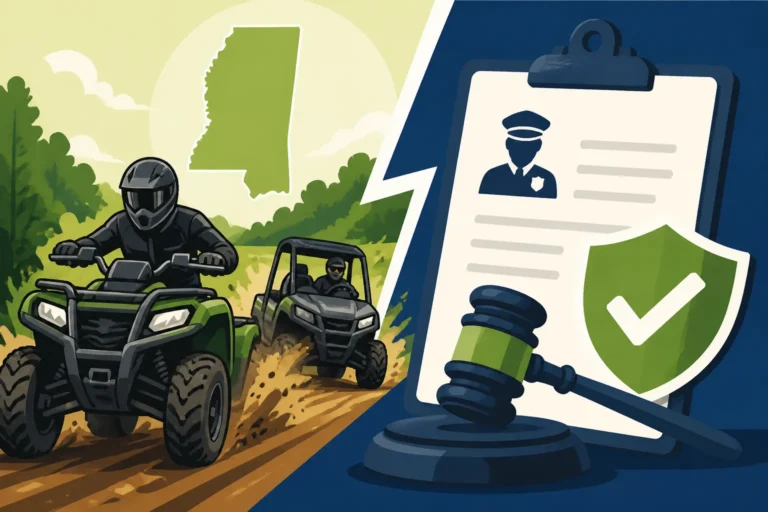
It's incredibly easy to get tangled up in the rules and regulations for riding ATVs and UTVs here in Mississippi. You hear one thing about state laws, and then you show up at a beautiful state park, ready for a day of trail riding, only to find out their rules are completely different! This can be a huge headache, leading to frustration, wasted trips, or even being turned away. This guide is going to walk you through exactly why Mississippi State Parks have helmet rules that often go above and beyond the statewide statutes, helping you prepare properly for a hassle-free day on the trails.
The Baseline: Mississippi's State-Wide Helmet Law for ATVs
Let's start with the fundamental state law regarding helmets for off-road vehicles. It’s pretty straightforward, but often misunderstood because people generalize or assume it applies to everyone. In Mississippi, the state statute primarily focuses on young riders. Specifically, the law mandates that anyone operating or riding as a passenger on an ATV who is under the age of 16 must wear a helmet. This isn't just a suggestion; it's a legal requirement designed to protect our younger generation of riders who are still developing their riding skills and judgment.
This means if you have a child or a teenager under 16 hitting the trails, whether it's on private land or a designated riding area, they need to have a helmet on. The law doesn't get into the specifics of which helmet type, but the common understanding is that a DOT-approved helmet designed for powersports offers the best protection. For adults, however, the statewide law is notably silent. If you're 16 or older, Mississippi state law, in a general sense, does not require you to wear a helmet while riding an ATV or UTV. This is where a lot of the confusion stems from, because many riders incorrectly assume this adult exemption carries over to every riding location. You might think, "Well, I'm over 16, so I don't need a helmet." While that's true for private property or areas without additional regulations, it's not the full story when you enter certain public lands. You can find more details about this in [Mississippi Helmet Law for Riders Under 16] and [Mississippi Code Section 63-31-3].
Why State Parks Have Stricter Rules
Now, let's talk about why state parks, those beautiful public lands we all love to enjoy, often implement regulations that go above and beyond what the state mandates for ATVs and UTVs. The simplest explanation is a combination of safety, liability, and the inherent right of the property owner to set rules for their domain. When you visit a state park, you're not just on any piece of land; you're on a managed property with specific goals, including visitor safety and the preservation of natural resources.
State parks are managed entities, often with their own internal policies and procedures designed to ensure the safest possible environment for all visitors, not just ATV riders. They are responsible for a wide array of activities and users, from hikers and campers to horseback riders and off-road enthusiasts. To mitigate risks and protect themselves from potential liability in case of an accident, park management often implements more stringent safety measures. Think of it like a private business or a specific event setting rules for entry – they have the authority to do so. These rules are usually well-researched, considering common accident scenarios and best practices in recreational safety.
Furthermore, state parks often require visitors to sign liability waivers upon entry, especially for activities deemed higher risk, like ATV riding. When you sign one of these waivers, you're not just acknowledging risk; you're also agreeing to abide by all park-specific rules, including those regarding safety gear. Failing to follow these rules could not only get you ejected from the park but could also impact any claims in the unfortunate event of an incident. It's all part of the overarching effort to create a controlled, safer environment for everyone to enjoy the natural beauty of Mississippi without undue risk. For further reading on this, check out [Mississippi State Park Waiver Requirements].
The Specifics of State Park Helmet Rules
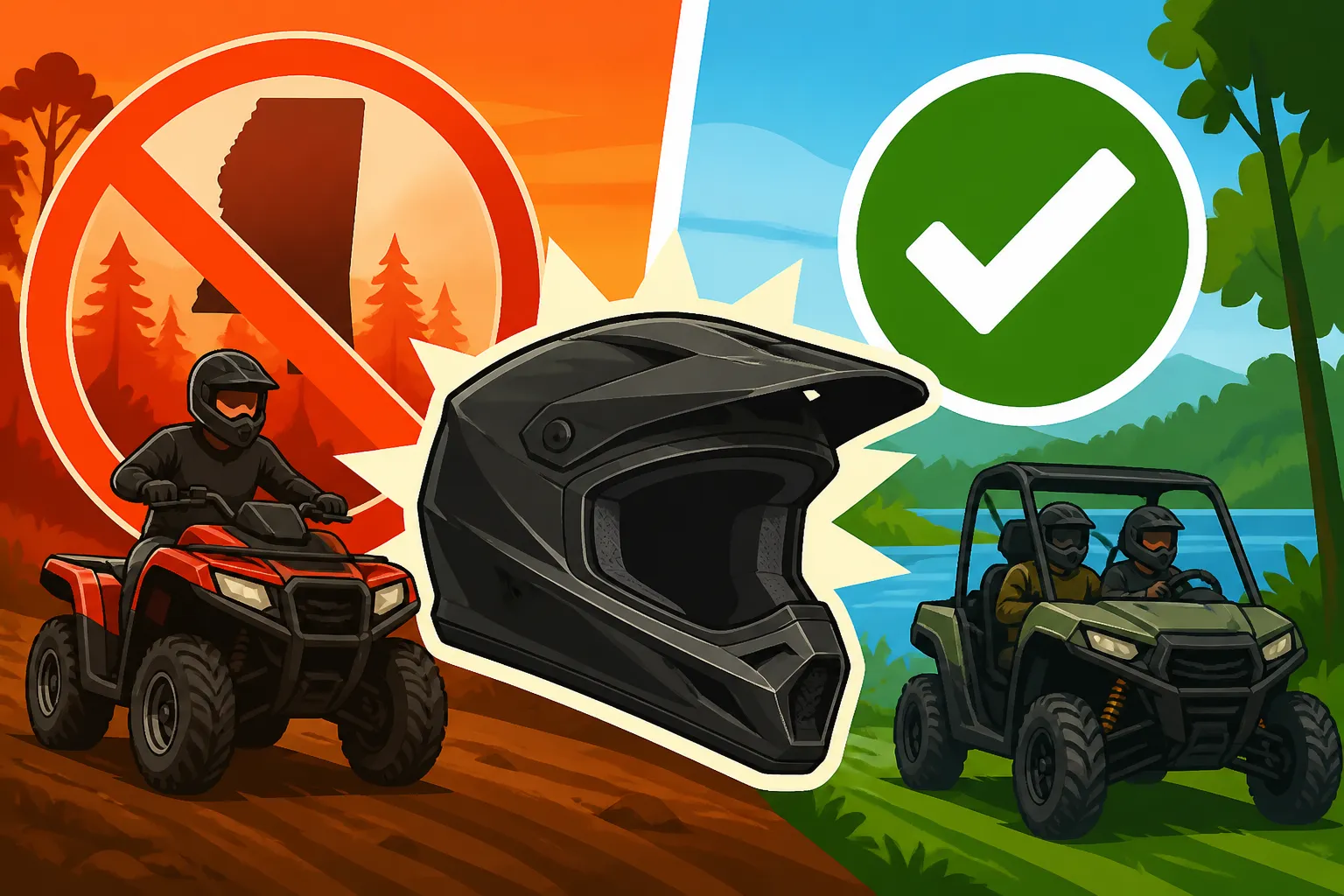
So, what exactly do these stricter state park helmet rules look like? While it's crucial to always check the specific park's regulations before you go, a common theme in Mississippi State Parks that allow ATV/UTV riding is the requirement for all riders, regardless of age, to wear a helmet. This is a significant departure from the statewide law that only focuses on riders under 16. Imagine showing up with your 17-year-old and yourself, thinking you're in the clear helmet-wise, only to be told at the gate that everyone needs one. It's a frustrating but common scenario.
Beyond the age requirement, state parks often specify the type of helmet. Many will require a DOT-approved helmet, meaning it meets the safety standards set by the Department of Transportation. This ensures a certain level of protection that might not be implied by simply wearing "a helmet." You might have a perfectly good helmet for a different activity, but if it's not DOT-approved, some parks might not accept it. This distinction is important because while any helmet is better than none, a properly certified helmet offers verifiable protection. If you've invested in quality gear, perhaps even an aftermarket part like a sturdy roll cage or other protective accessories from a brand like SuperATV, it's just as important to ensure your personal protective equipment meets the park's requirements.
The consequences of not adhering to these rules can range from a polite warning to being denied entry or even escorted off the property. Park rangers and staff are there to enforce these regulations, not just to collect fees. They take safety seriously, and rightfully so. It's not uncommon for parks to have signage clearly outlining these rules at the entrance and trailheads, so paying attention is key. Ultimately, the park's goal is to prevent serious injury, and their helmet rules are a cornerstone of that effort. It's truly a situation where State Park Helmet Rules Go Beyond the Statute.
Navigating the Differences: What Riders Need to Know
Understanding the difference between state statutes and individual park rules is the first step to avoiding frustration and ensuring a great riding experience. The golden rule here is simple: always check the specific park's regulations before you load up your machine and head out. Don't rely on general knowledge or what you remember from another park last year. Park rules can change, and each park might have slightly different nuances based on its terrain, visitor demographics, or specific management directives.
Here's a practical breakdown of how to prepare:
| Rule Aspect | Mississippi State Law (Statewide) | Typical Mississippi State Park Rules (Example) |
|---|---|---|
| Helmet Requirement | Required for riders under 16 only | Required for all riders, regardless of age |
| Helmet Standard | Not explicitly defined, generally implied for safety | Often specifies DOT-approved helmets |
| Passenger Rules | Permitted only on factory-designed seats on public land | Often similar, but may have stricter enforcement |
| Spark Arrestor | Generally implied for public land use | Explicitly required and often checked |
| Noise Limits | No statewide decibel limit | Often 90-decibel limit at parks |
| Machine Width Limit | No statewide limit (for private land) | Often 50 or 65 inches, enforced at gate |
Before you leave home, take a few minutes to visit the specific state park's official website. Look for sections on "ATV/UTV Rules," "Off-Road Vehicle Policies," or "Trail Regulations." If you can't find clear information online, don't hesitate to call the park office directly. Ask them specific questions about helmet requirements for all ages, any specific certifications needed for helmets, and any other unique rules for their trails. This simple step can save you a lot of grief. You'd be surprised how many questions park staff hear, which is why a call like [Asking a Park Manager About Trail Conditions] can be so helpful.
This distinction matters significantly for families or groups with adult riders. If you're planning a trip with a spouse, older children, or friends, everyone needs a helmet. It's not about being overprotective; it's about respecting the rules of the property and ensuring everyone's safety within that environment. Even if you're riding a rugged side-by-side with a full cab and seatbelts, parks will likely still enforce the helmet rule for everyone.
Practical Tips for a Smooth Ride
To ensure your trip to a Mississippi State Park is nothing but fun, here are a few practical tips:
- Pack Enough Helmets: Even if you're an adult and typically don't wear a helmet on private property, always bring a DOT-approved helmet for yourself and every passenger when heading to a state park. Better to have it and not need it than need it and be turned away.
- Verify Helmet Standards: Check if your helmets are DOT-approved. Most reputable brands will clearly mark this. If you need a new helmet, consider one specifically designed for off-road use, offering good ventilation for our Southern heat.
- Carry Proof of Age: For younger riders, especially those hovering around the 16-year mark, it's a good idea to carry some form of age identification (like a school ID or copy of a birth certificate) to easily verify their age if asked. This helps avoid any ambiguity regarding the statewide law for minors. Don't forget, young riders might also need a [Mississippi Safety Course Certificates] to ride on public lands.
- Inspect Your Machine: Beyond helmets, make sure your machine meets other common park requirements. This includes having a properly functioning spark arrestor to prevent wildfires. If you've modified your machine with accessories from a brand like SuperATV, ensure none of these modifications inadvertently put you outside a park's specific width or height limits.
- Look for Local Ordinances: While state parks are a specific case, remember that local towns and counties can also have their own rules if you're riding outside of designated areas, especially near any public roads. Always be aware of your surroundings.
Beyond Helmets: Other State Park Rules to Consider
While helmet rules are often the primary point of confusion, Mississippi State Parks have a broader set of regulations that ATV and UTV riders need to be aware of. These rules are all part of maintaining a safe, enjoyable, and sustainable environment for everyone. Ignoring them can lead to similar consequences as not wearing a helmet.
One crucial area is spark arrestors. Almost universally, state parks and other public lands will require your ATV or UTV to be equipped with a US Forest Service approved spark arrestor. This is a critical safety device designed to prevent hot carbon particles from escaping your exhaust and potentially igniting dry vegetation, which is a serious concern, especially during dry seasons in Mississippi. Rangers will often conduct checks at the gate or on the trails, and you could be turned away if your machine doesn't have one. For more information, look up [Mississippi State Park Spark Arrestor Rules].
Noise limits are another common park regulation. Many state parks, particularly those with nearby campgrounds or residential areas, implement decibel limits for off-road vehicles. This is to ensure a peaceful environment for all visitors. If your exhaust system is particularly loud, or if you've made modifications that increase noise output, you might find yourself in violation of these rules. Parks often have a specific decibel reading they enforce, and machines exceeding it could be prohibited. Details on this can be found in [Mississippi State Park Noise Limits].
Passenger rules are also frequently addressed. While many UTVs are designed for multiple passengers, and some ATVs have designated passenger seats from the factory, state parks usually enforce strict policies about carrying more passengers than the vehicle was designed to hold safely and legally. This means no "doubling up" on single-rider ATVs, even if you’re just trying to squeeze in one more friend. Always adhere to the manufacturer's recommendations for capacity and refer to [Mississippi State Park Passenger Rules] for specific guidance.
Lastly, width limits are a major consideration, especially if you drive a side-by-side or have modified your ATV with a wide-stance kit. Many trails, particularly those designed for traditional ATVs, have physical width restrictions, often 50 inches or sometimes up to 65 inches. If your machine, perhaps a wider UTV or an ATV equipped with a SuperATV portal gear lift that adds width, exceeds these limits, you simply won't be allowed on those trails. It’s vital to know your machine's exact width and check the park's specific trail limitations before you go. This helps ensure that the trails are maintained and that wider vehicles don't cause undue damage. You can read more about this in [Mississippi Trails With Width Limits].
Always remember, these rules are in place not to diminish your fun, but to safeguard everyone's experience and the precious natural resources we all enjoy. A little preparation goes a long way in ensuring your Mississippi ATV or UTV adventure is safe, legal, and memorable.
Disclaimer
This article is for general informational purposes only and does not constitute professional advice. Laws, prices and regulations vary by location and change over time. Consult a qualified professional for guidance on your specific situation.