Mississippi Rules for Riding a Sandbar
There's a unique allure to exploring the shifting sands of a river sandbar on your ATV or UTV – the wide-open space, the challenge of the terrain, and the feeling of freedom. However, many riders in Mississippi find themselves scratching their heads, unsure if it's even legal to ride these transient stretches of land, given the state's very limited ATV laws. This guide will dive deep into the often-murky waters of sandbar riding in Mississippi, helping you understand the rules, risks, and responsible ways to enjoy these unique natural playgrounds.
Understanding the Allure and the Legal Gray Areas of Sandbar Riding in Mississippi
For many off-road enthusiasts in the Magnolia State, the appeal of a sandbar is undeniable. Picture this: the sun shining, the mighty Mississippi (or one of its tributaries) flowing by, and a vast expanse of soft, challenging terrain perfect for opening up your machine. It's a different kind of riding experience than the dense forest trails or muddy private parks, offering a sense of wild adventure that's hard to replicate elsewhere. But this very wildness also contributes to the confusion surrounding its legality.
Why Mississippi's Rivers Call to Riders
Mississippi is crisscrossed by numerous rivers and waterways, from the majestic Mississippi River itself to smaller, yet still significant, rivers like the Pearl, Big Black, and Pascagoula. During periods of lower water levels, these rivers often reveal expansive sandbars that beckon to riders. These aren't your typical trails; they're dynamic landscapes, constantly changing with the current and seasonal rainfall. This ever-evolving terrain offers a fresh challenge every time, appealing to riders who crave exploration and novelty. The sheer scale of some sandbars can provide an exhilarating sense of freedom, far from the confined paths of designated trails or private properties. It’s also often a cooler experience in the brutal Mississippi summer heat, with the river breeze and ready access to water for cooling off (or for testing those water crossings!).
The attraction isn't just about the ride itself. Sandbars are often picturesque, offering stunning views and unique opportunities for riverside camping, fishing, or just relaxing with friends and family after a ride. The sense of community among riders who gather on these spots is also a big draw, sharing tips, showing off their machines, and simply enjoying the camaraderie that comes with a shared passion for off-roading. However, this communal enjoyment often happens without a clear understanding of the specific rules, leading many to ask, [Is It Legal to Ride a Mississippi River Sandbar?].
The Unofficial Nature of Sandbar Access
Here's where things get complicated: Mississippi’s state laws regarding ATVs and UTVs are surprisingly sparse, especially when it comes to specific locations like sandbars. Unlike states with extensive off-highway vehicle (OHV) programs that delineate exactly where you can and cannot ride, Mississippi’s approach is much more hands-off. The primary state law, [Mississippi Code Section 63-31-3], focuses mainly on prohibiting ATVs from public roads, with little to no mention of riverbeds, sandbars, or other natural features. This lack of specific guidance from the state legislature means that sandbar access often falls into a legal gray area, leaving riders to interpret broader property laws or rely on local customs.
This ambiguity doesn't mean it's automatically legal; rather, it often means that rules are determined at a more localized level, or by the actual ownership of the land beneath and around the river. Some sandbars might technically be on private property, even if they appear remote and unowned. Others might fall under the jurisdiction of a local municipality, county, or even federal agencies if the river flows through a national forest or protected area. This unofficial nature makes it incredibly difficult for riders to get a definitive answer, creating a frustrating situation where what might be tolerated in one spot could lead to a citation in another.
Navigating Ambiguity and Local Discretion
Because there's no comprehensive state-level "sandbar riding guide," the reality on the ground often comes down to local interpretation and enforcement. What one local sheriff's department might overlook, another might actively enforce as trespass or environmental damage. This means that a friendly wave from a deputy on one part of the river could quickly turn into a ticket if you're further downstream in a different jurisdiction, or if a landowner has complained.
Local authorities, such as county sheriffs or game wardens, generally operate under broader trespass laws or environmental regulations. If a sandbar is deemed private property, even if it's only exposed periodically, you could be cited for [Mississippi Trespass Law for Riders]. Similarly, if your riding is causing significant erosion, disturbing wildlife, or impacting water quality, you could face penalties under environmental protection statutes, even if there isn't a specific "no ATV on sandbar" law. This reliance on local discretion and general laws makes responsible research and respectful riding even more critical. It highlights the importance of asking around, observing local practices, and, when in doubt, seeking explicit permission or choosing a different riding spot.
Potential Legal and Environmental Pitfalls of Sandbar Riding
While the appeal of sandbar riding is strong, it's crucial to understand the very real risks involved. Beyond the fun, there are significant legal and environmental pitfalls that can turn a great day into a costly headache. These issues often stem from the unclear ownership and environmental sensitivity of these unique riverine environments.
Who Owns That Sand? Understanding Property Rights
One of the biggest misconceptions about sandbars is that they are "public land" simply because they are formed by a river. The truth is far more complex. In Mississippi, ownership of riverbeds and the land adjacent to them can vary wildly. While navigable waterways generally fall under public trust doctrines (meaning the public has rights to use the water for navigation), this doesn't automatically extend to the exposed land of a sandbar, especially for motorized vehicle use.
Many sandbars are technically considered private property. The ownership often extends to the centerline of a non-navigable stream or to the mean low water mark of a navigable river, with the land above that point owned by the adjacent landowner. As river levels fluctuate, what appears to be a "new" sandbar might actually be part of someone's deeded property. Without clear signage, it can be incredibly difficult for riders to discern where private land ends and public access (if any) begins. This means that even if you feel like you're in the middle of nowhere, you could inadvertently be trespassing. [What Posted Land Means for Mississippi Riders] is a vital concept here, as property lines aren't always marked with fences or explicit "no trespassing" signs, especially in such transient environments.
Furthermore, state or federal agencies might own certain stretches of riverfront, such as those bordering wildlife management areas (WMAs) or national forests. For instance, while you might find trails in the [Mississippi National Forest Riding Explained], riding on river sandbars within or adjacent to these areas might be strictly prohibited to protect sensitive habitats or water quality. The complexity of land ownership in river systems is a major reason why sandbar riding is so legally ambiguous and risky.
The Environmental Impact and Why It Matters
Beyond property rights, the environmental sensitivity of sandbars is a major concern. These areas are not just piles of sand; they are dynamic ecosystems that play a crucial role in the health of the river. Sandbars provide habitat for a variety of aquatic and terrestrial species, including nesting birds, turtles, fish, and countless invertebrates. The vegetation, even sparse, helps stabilize the sand and prevent erosion.
When ATVs and UTVs ride on sandbars, they can cause several forms of environmental damage:
- Erosion and Sedimentation: The churning of tires can destabilize the sand, leading to increased erosion, especially during high water events. This sediment can then wash into the river, clouding the water and negatively impacting aquatic life by smothering spawning beds and reducing light penetration for aquatic plants.
- Habitat Disturbance: Nesting birds, especially ground-nesting species, are highly vulnerable to disturbance from off-road vehicles. Eggs and chicks can be crushed, and adult birds may abandon their nests due to noise and presence of vehicles. Small mammals, reptiles, and amphibians can also be directly harmed or displaced.
- Pollution: Leaks of oil, gas, or other fluids from machines can contaminate the sand and water, posing a threat to wildlife and water quality. Even seemingly minor spills can have cumulative effects over time.
- Vegetation Damage: While sandbars might seem barren, they often support pioneer plant species that are critical for stabilizing the bank and providing food and shelter for wildlife. Riding over these plants can destroy them, hindering natural recovery processes.
Understanding and respecting these environmental impacts is crucial for any responsible rider. The potential for damage is why many environmental regulations, even without specific ATV mentions, can be used to prohibit or penalize sandbar riding.
Penalties for Illegal Access or Damage
If you're caught riding on a sandbar without permission or in an area where it's prohibited, the consequences can range from a warning to significant fines and even impoundment of your machine.
- Trespassing: The most common charge is likely trespassing, especially if the sandbar is privately owned. Penalties for [Mississippi Trespass Penalties for Riders] can include fines, and repeated offenses can lead to more severe legal action. In some cases, landowners may even be within their rights to pursue civil action for damages.
- Environmental Violations: If your riding is found to be causing environmental damage, you could face charges under state or federal environmental protection laws. These can carry much heavier fines than simple trespass, and may even involve requirements for remediation or restoration of the damaged area. Agencies like the Mississippi Department of Environmental Quality or the Department of Wildlife, Fisheries, and Parks might become involved.
- Equipment Confiscation: In serious cases, particularly with repeat offenders or significant damage, your ATV or UTV could be impounded, leading to additional costs for storage and retrieval, on top of any fines.
- Accident Liability: Should you have an accident while riding illegally on a sandbar, your insurance might not cover damages, leaving you personally liable for medical bills, property damage, or even environmental cleanup costs. Consider the potential for a serious [Mississippi Accident Reporting for an ATV Crash] event.
Given the potential legal and financial repercussions, the old adage "ignorance of the law is no excuse" holds especially true for sandbar riding. It's far better to err on the side of caution and ensure you have explicit permission or are in a clearly designated riding area.
Best Practices and Safety Considerations for Sandbar Adventures
Given the legal uncertainties and environmental sensitivities, responsible sandbar riding in Mississippi requires a proactive approach. It’s not just about having fun; it’s about doing it safely, legally, and with respect for the environment.
Researching Local Ordinances and Land Ownership
The single most important step before you even load your machine is to do your homework. Since state law is largely silent on sandbars, you need to investigate local rules and land ownership for the specific river stretch you’re eyeing.
- Contact Local Authorities: Reach out to the county sheriff's office, the local Department of Wildlife, Fisheries, and Parks office, or even the municipal office if the sandbar is near a town. They are often the best source for information on local regulations, common practices, and known prohibitions. Be polite and explain your intent; they might not have a specific "sandbar riding permit" but can advise on potential issues.
- Consult Property Maps: Many counties have online GIS (Geographic Information System) maps that show property lines. While not always perfect for dynamic river environments, they can give you a strong indication of who owns the land adjacent to the river and if any part of the sandbar might fall within private holdings. Look for public access points or designated recreation areas.
- Seek Permission: If you determine a sandbar is on private land, the only truly legal way to ride it is to obtain [Written Permission From a Southern Landowner]. This should ideally be in writing, clearly stating the dates and areas you are permitted to ride. Building relationships with landowners can open up opportunities and prevent misunderstandings.
- Observe and Inquire Locally: Sometimes, the best information comes from local riders or residents. If you see others riding, respectfully ask them about their experiences and how they determine where it's okay to ride. Be cautious, though, as "everyone else does it" isn't a legal defense.
Gear and Machine Prep for Sand and Water
Riding on sandbars presents unique challenges compared to traditional trails. The soft, shifting sand requires specific machine setup and rider skills, and the proximity to water means you need to be prepared for the wet stuff.
- Tires for Sand: Standard trail tires might struggle in deep sand, digging down rather than floating on top. Consider specialized paddle tires or at least aggressive all-terrain tires with lower pressure for better flotation. Brands like SuperATV offer a variety of tire options that can greatly enhance your machine's performance in sandy conditions. Running the correct [Tires for Southern Sand] is crucial for both traction and preventing your machine from getting stuck.
- Water Crossing Preparedness: You'll likely encounter shallow water crossings or even deeper sections depending on the river level. A snorkel kit can protect your engine and CVT system from water ingestion, which can cause catastrophic damage. Again, a company like SuperATV offers robust snorkel systems designed for serious water fording. Ensure all your electrical connections are waterproofed.
- Winch and Recovery Gear: Getting stuck in deep, soft sand is a rite of passage for sandbar riders. A good winch is almost essential, along with recovery straps, shackles, and a shovel. Having a well-maintained winch like those from SuperATV can be a lifesaver when you find yourself buried up to the frame. Always ride with at least one other machine for easier recovery.
- Maintenance After Sand Riding: Sand is abrasive and can quickly wear down components. After every sandbar ride, thoroughly wash your machine, paying close attention to bearings, chain/belt, and suspension components. Learning how to effectively [Washing Sand Out of a Southern Machine] will extend its lifespan. Check air filters frequently, as sand and dust can clog them quickly.
| Item | Importance for Sandbar Riding | Why It Matters |
|---|---|---|
| Paddle/Aggressive Tires | High | Better flotation and traction in soft, deep sand. |
| Snorkel Kit | High (if water crossings) | Protects engine/CVT from water ingestion, prevents hydrolock. |
| Winch & Recovery Gear | Essential | Gets you unstuck from deep sand; for self-recovery or assisting others. |
| Waterproofing | High | Protects electrical systems from water damage. |
| Air Filter Prep | High | Prevents sand/dust from damaging engine internals. |
| First Aid Kit | High | For injuries in a remote environment. |
| GPS/Navigation | High | Sandbars can be disorienting, especially in new areas. |
Minimizing Your Impact and Riding Responsibly
Even if you're on a legal sandbar, responsible riding is paramount. Minimizing your environmental footprint and being a good steward of the land ensures these unique areas can be enjoyed by others for years to come.
- Stay on Durable Surfaces: Where possible, stick to established tracks or harder-packed sand to avoid disturbing fragile vegetation or compacting sensitive areas. Avoid riding through shallow water needlessly if you can go around it.
- Respect Wildlife: Be aware of your surroundings. If you see nesting birds, small animals, or signs of wildlife activity, give them a wide berth. Avoid riding through areas with visible vegetation if alternative paths exist.
- Pack It In, Pack It Out: Leave no trace. Everything you bring onto the sandbar, including trash, broken parts, and even food scraps, must be packed out with you. Consider carrying a trash bag to pick up any litter you might find from others.
- Manage Noise: While ATVs and UTVs are inherently loud, be mindful of excessive noise, especially if others are fishing, camping, or simply enjoying the peace and quiet.
- Emergency Preparedness: Sandbars can be remote. Always carry a first aid kit, extra water, and a way to communicate, even if cell service is spotty. Let someone know your riding plans and expected return time. If you do encounter an issue, having a plan for [Mississippi Accident Reporting for an ATV Crash] is essential.
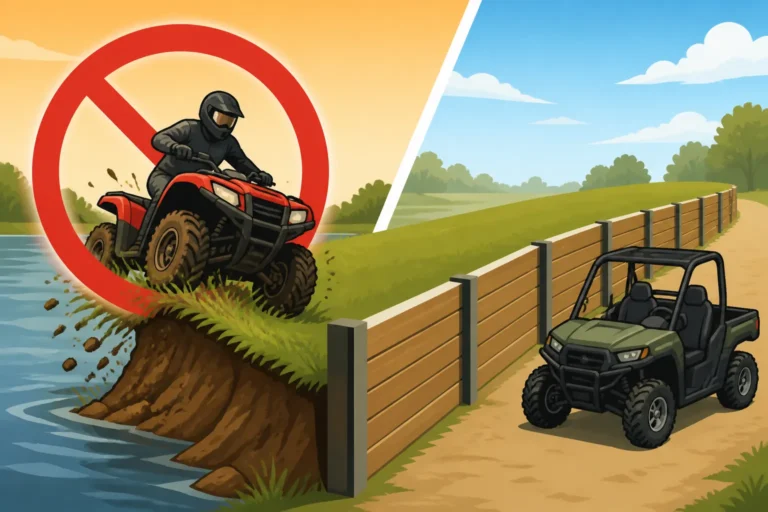
- Understand River Dynamics: Rivers are powerful and unpredictable. Be aware of changing water levels, strong currents, and potential hazards beneath the water's surface. Never ride into water deeper than you are prepared for, and be cautious of unstable banks or undercut edges.
By combining thorough research, proper machine preparation, and a commitment to responsible riding, you can safely and legally enjoy the unique experience of sandbar riding in Mississippi. But remember, when in doubt, it’s always better to find a designated riding park or get explicit permission from the landowner.
Disclaimer
This article is for general informational purposes only and does not constitute professional advice. Laws, prices and regulations vary by location and change over time. Consult a qualified professional for guidance on your specific situation.