Mississippi Rules for Riding a Levee
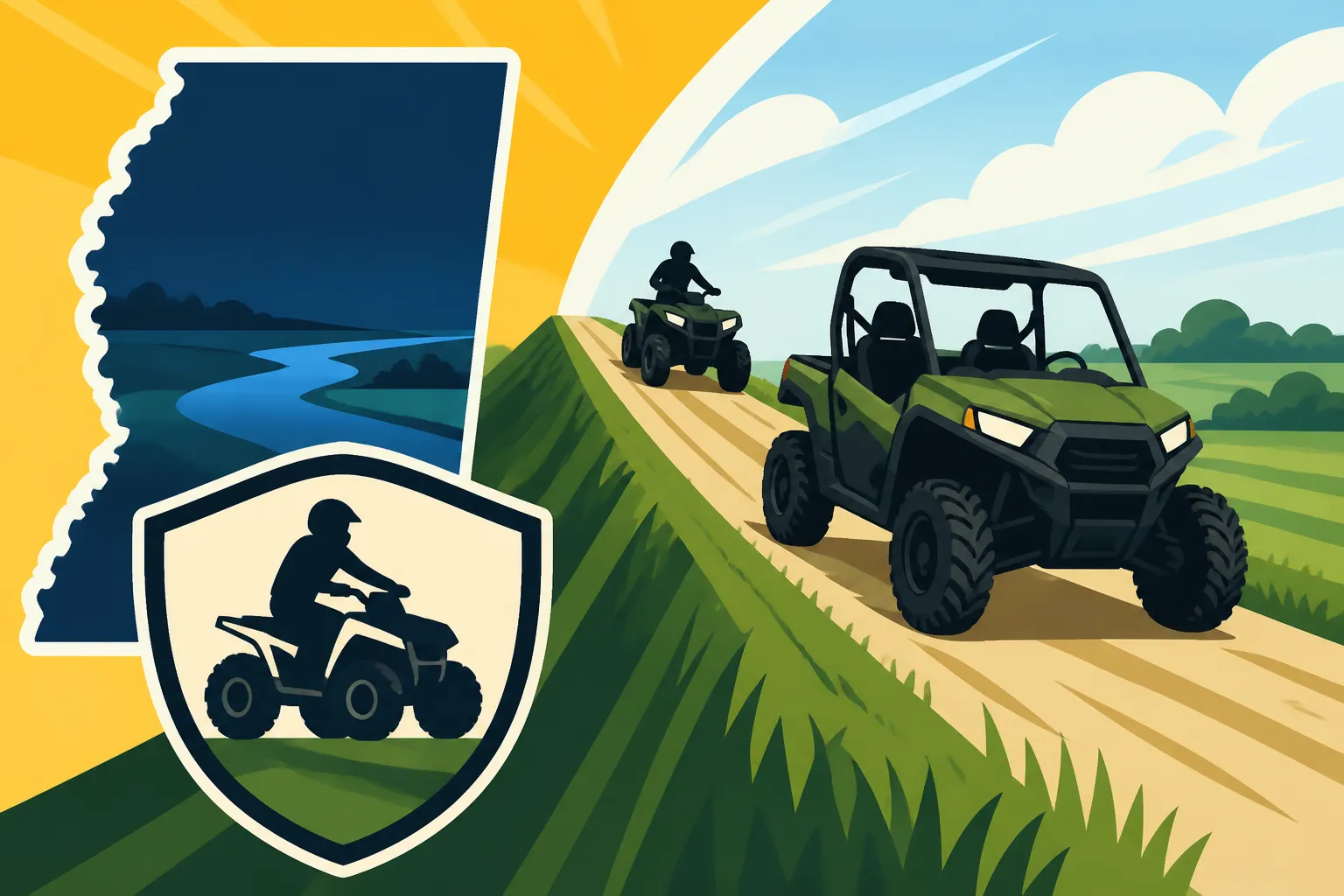
It’s a common sight across our beautiful state: wide, often grassy levee tops stretching for miles, offering incredible views and what looks like an open invitation to hop on your ATV or UTV and simply cruise. The thought of that peaceful ride, perhaps with a fishing pole in the back, is incredibly appealing. However, this dream scenario often collides with a stark reality: riding off-road vehicles on Mississippi’s levees is almost universally prohibited, and understanding why and where you can ride legally is crucial to avoid costly mistakes and help preserve our valuable infrastructure. This guide will walk you through the specifics of levee riding rules, the reasons behind them, and how you can still enjoy your machine responsibly.
The Unmistakable Truth: Levee Riding is Prohibited in Mississippi
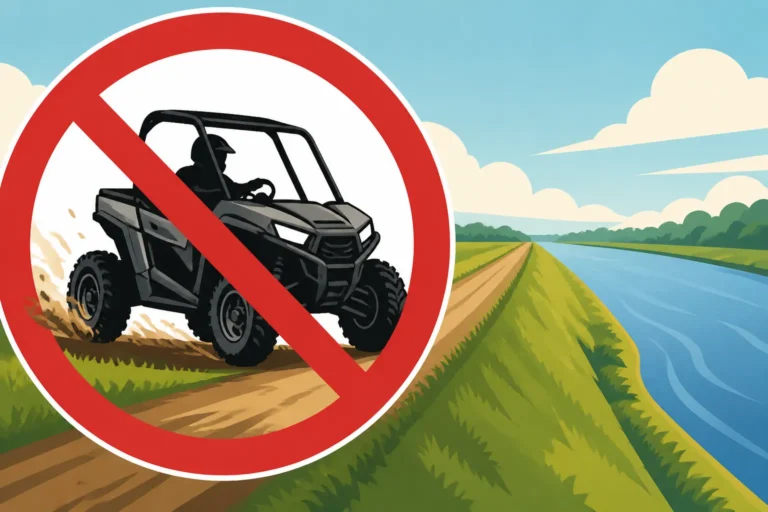
Let’s get right to it: in almost every instance, riding your ATV or UTV on a levee in Mississippi is a no-go. You might look at those vast stretches of elevated land, especially along the Mississippi River or our other major waterways, and see what appears to be a perfect, scenic roadway just waiting for your machine. It feels like an open, untamed space, but it's far from it. These aren't just dirt paths; they are critical infrastructure managed by various levee boards and government agencies with very strict rules about access and use.
The temptation is certainly understandable. Levee tops offer unobstructed views, a sense of freedom, and often connect various points of interest in rural areas. But unlike private land where you might secure permission, levees are under constant scrutiny and protection. These structures are designed to hold back immense volumes of water, protecting homes, farms, and entire communities. Any activity that could compromise their integrity – even seemingly minor ruts from tires – is taken extremely seriously. There is no special "levee permit" you can pick up, nor is there a blanket exception for off-road vehicles. This isn't a gray area where you might find a loophole; it's a clear prohibition designed to safeguard essential public safety infrastructure. You'll find similar restrictions when you look into [Mississippi Levee Board Rules], which are quite explicit about unauthorized vehicle use. This isn't just about local ordinances; it’s a fundamental principle of levee management.
Why Levees are Off-Limits to Off-Road Vehicles
Understanding the "why" behind these prohibitions can help shift perspective from frustration to appreciation for the vital role levees play. It’s not about keeping people from having fun; it’s about protecting something indispensable.
Structural Integrity and Public Safety Concerns
Levees are engineered marvels, often built from compacted earth, designed to withstand immense pressure and prevent catastrophic flooding. Even seemingly innocuous tire tracks from an ATV or UTV can compromise this delicate balance. Here's how:
- Erosion and Rutting: The tires of an off-road vehicle, especially during wet conditions, can create ruts on the levee surface. These ruts act like miniature canals, channeling rainwater and accelerating erosion. Over time, this erosion can weaken the le levee's face and create low spots where water can pool, further exacerbating the problem.
- Compaction: Repeated passes by heavy machines, even smaller ATVs, can compact the soil in unintended ways. While compaction might sound good for stability, it can alter drainage patterns, affect vegetation growth that helps stabilize the levee, and create hard spots that lead to uneven settling or cracking.
- Maintenance Interference: Levee boards regularly inspect and maintain these structures. Vehicle ruts and unauthorized paths make their critical work of surveying, mowing, and repairing much more difficult and costly. Imagine trying to drive a specialized tractor over deeply rutted terrain; it's inefficient and potentially damaging to equipment. A strong, well-maintained levee is the first line of defense against disaster. Any damage, no matter how small it seems to a rider, could become a weak point during a flood event, putting countless lives and properties at risk. [Levee Damage Treated Seriously] isn't just a phrase; it's a core operational principle for those responsible for these vital structures.
Environmental Impact and Property Rights
Beyond structural concerns, there are significant environmental and property rights issues at play. Levees often traverse diverse ecosystems, from wetlands to agricultural fields, and are adjacent to waterways that support various wildlife.
- Habitat Disturbance: Many levee systems are home to, or border, sensitive habitats for local flora and fauna. Unauthorized riding can disturb nesting sites, damage vegetation, and fragment habitats. The noise and presence of vehicles can stress wildlife, driving them away from essential feeding or breeding grounds.
- Pollution and Contamination: While minor, there’s always a risk of fuel, oil, or other fluids leaking from machines, especially older ones, into the surrounding environment, including water bodies. Dust kicked up by vehicles can also affect air quality and nearby agricultural crops.
- Trespass and Landowner Relations: While the levee itself might be publicly managed, the land adjacent to it, or even parts of the levee right-of-way, can be privately owned. Riding on these areas without explicit permission is trespassing. This can create a lot of tension with landowners and lead to negative perceptions of all off-road riders, making it harder to establish legal riding areas elsewhere. This ties directly into [Mississippi Trespass Law for Riders], which applies whether it's private woods or designated levee property. Even if you're not on private property, the levee itself is regulated public property where such activities are restricted.
Liability and Maintenance Costs
Finally, there's the practical matter of who pays when things go wrong.
- Increased Costs for Taxpayers: If ATVs and UTVs cause damage to levees, the cost of repairs falls to the levee boards, which are funded by taxpayers. These funds are meant for essential upkeep, not for fixing preventable damage. Every dollar spent on repairing recreational damage is a dollar not spent on preventative maintenance or improvements.
- Liability Issues: If a rider gets injured on a levee, especially where riding is prohibited, there can be significant liability questions. The levee board, as the managing entity, wants to avoid such situations, which is another reason for strict access rules. Furthermore, if your machine, with its aggressive tires and powerful engine – perhaps even equipped with aftermarket parts from a company like SuperATV designed for challenging trails – causes significant damage, you could be held personally liable for the repair costs, which can be astronomical. These are structures built to protect communities, not withstand recreational abuse.
Consequences of Illegal Levee Riding
Thinking that you'll just take a quick, unnoticed spin on the levee can lead to a lot more trouble than it's worth. The consequences of getting caught riding illegally on a levee in Mississippi can range from a minor inconvenience to serious legal and financial headaches.
Penalties and Fines
Law enforcement, whether it's a county sheriff, state patrol, or even specific levee board enforcement officers, takes illegal levee riding seriously. You might be issued a citation, much like a traffic ticket. The fines can vary, but they can quickly add up, especially once court costs are factored in. In some cases, depending on the severity of the offense or repeated infractions, your machine could even be impounded. That means not only a fine but also impoundment fees, storage fees, and the hassle of retrieving your machine, which can be an expensive and time-consuming process. Ignoring the signs and riding where you shouldn't can lead to significant financial penalties, far exceeding what you might pay for a day pass at a legal riding park. It's similar to the penalties discussed in [Mississippi Penalties for Illegal Road Riding], where unauthorized operation of an off-road vehicle on public property carries clear consequences.
| Violation Category | Potential Consequence | Financial Impact (General) | Other Impacts |
|---|---|---|---|
| Illegal Levee Riding | Citation/Ticket, Fines | Varies, but can range from dozens to hundreds of dollars per incident | Loss of time, potential court appearance, negative record |
| Property Damage (Minor) | Restitution for damage caused | Can be hundreds to thousands of dollars for repair of ruts, erosion | Damage to reputation, potential civil suit |
| Property Damage (Major) | Restitution for damage, potential felony charges depending on severity and intent | Tens of thousands to potentially millions of dollars for structural compromise or catastrophic damage | Severe legal ramifications, criminal record, significant civil liability, impoundment of machine |
| Trespassing | Fines, potential arrest | Varies, similar to illegal riding fines | Criminal record, loss of access to other legal riding areas if landowner complaints are filed |
| Vehicle Impoundment | Impound fees, storage fees, towing costs | Hundreds of dollars, depending on duration and location | Inconvenience, stress, loss of machine use |
Damage to Relationships and Reputation
Beyond the direct legal and financial hit, illegal riding has a broader, more insidious impact: it damages the reputation of the entire off-road riding community. When incidents occur, they often make headlines, casting all ATV and UTV enthusiasts in a negative light. This makes it harder for legitimate riding areas to open or expand, and it can sour relationships with landowners and local authorities who might otherwise be sympathetic to creating new opportunities.
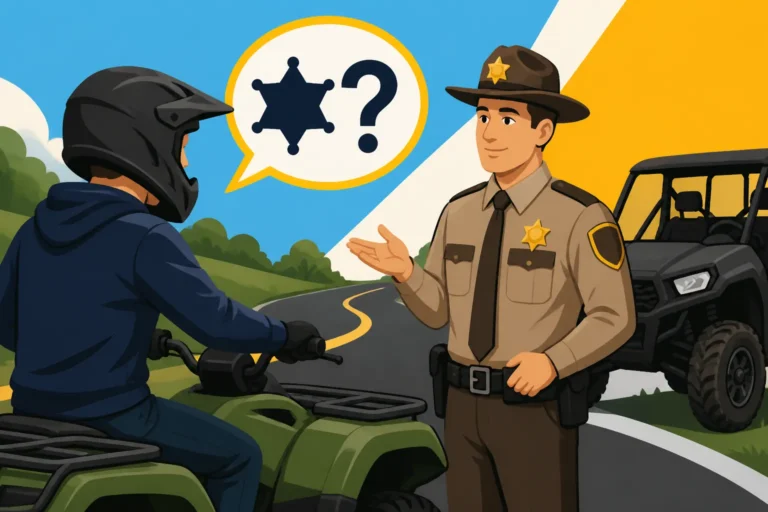
Every time a gate is broken, a trail is widened where it shouldn't be, or a levee is rutted, it builds a case against responsible riders. This can lead to tighter restrictions, more enforcement, and fewer places for everyone to enjoy their machines legally. It's a sad truth that the actions of a few can impact the many. By respecting the rules, even when it feels restrictive, we help ensure a future for off-road recreation in Mississippi. When a deputy stops you for illegal riding, as described in [What Happens When a Deputy Stops You Riding], it’s not just about that single interaction; it's about the broader perception of the sport.
Finding Legal and Safe Riding Alternatives in Mississippi
So, if levees are out, where can you ride in Mississippi? The good news is that there are fantastic, legal alternatives available. It just requires a bit of planning and knowing where to look.
Designated OHV Parks and Trails
Mississippi is home to several excellent off-highway vehicle (OHV) parks and trails that are specifically designed and maintained for ATVs and UTVs. These locations offer a variety of terrain, from easy cruising paths to challenging mud pits and technical trails.
- National Forest Trails: The Holly Springs and De Soto National Forests, for example, have designated OHV trail systems like Bethel Trails. These trails are managed by the U.S. Forest Service, often require a daily or annual pass, and have specific rules regarding machine width, helmet use, and operating hours. They offer miles of marked trails through beautiful forestland. Remember, a forest pass helps maintain these trails, providing a safe and legal place to ride. You can find more details on these opportunities in articles like [Mississippi National Forest Riding Explained] and [Mississippi ATV Trails: Where to Ride]. These are the places where you can truly let your machine, perhaps outfitted with SuperATV lift kits or heavy-duty axles for rough terrain, perform as it's meant to, without fear of legal repercussions.
- Private Mud Parks: All across the state, you'll find privately owned and operated mud parks. These parks are often designed with the mud enthusiast in mind, featuring deep mud pits, challenging obstacles, and open riding areas. Many offer amenities like wash stations, camping, and even cabins. These are excellent places to enjoy a full day of riding, often with a vibrant community atmosphere. Just be sure to check their specific rules, fees, and waiver requirements before you go. These parks thrive on repeat business from responsible riders and often have staff on hand to ensure safety and compliance.
Seeking Private Landowner Permission
One of the oldest and most reliable ways to find a place to ride is to ask for permission from private landowners. If you know someone with a large tract of land—a farm, timberland, or just extensive acreage—they might be willing to let you ride on their property.
- Building Relationships: This approach is all about building trust and good relationships. Start by asking politely, explaining your intentions, and assuring them you'll respect their property. Offer to help with chores or maintenance, if appropriate.
- Written Permission is Key: Always, always get written permission. A simple signed document stating that you have permission to ride on their specific property on certain dates can save you a lot of grief. This protects both you and the landowner. [Written Permission From a Southern Landowner] is more than a formality; it’s a legal safeguard. It ensures everyone is on the same page and can prevent misunderstandings that could lead to trespassing accusations.
- Respecting the Land: When you do get permission, treat the land better than your own. Stay on designated trails, don't litter, close gates, and report any issues you notice. If you're riding on someone's property, gear like SuperATV skid plates can help protect the machine and the ground from unnecessary gouges, showing respect for the land you're riding on. Showing this respect ensures that the privilege of riding on private land continues for you and potentially others.
By focusing on these legal and responsible options, you can enjoy all the excitement and freedom that ATV and UTV riding has to offer, without the stress and risk of breaking the law. It’s about being a good steward of our shared outdoor spaces and a responsible member of the riding community.
Disclaimer
This article is for general informational purposes only and does not constitute professional advice. Laws, prices and regulations vary by location and change over time. Consult a qualified professional for guidance on your specific situation.