Mississippi Levee Riding Is Prohibited
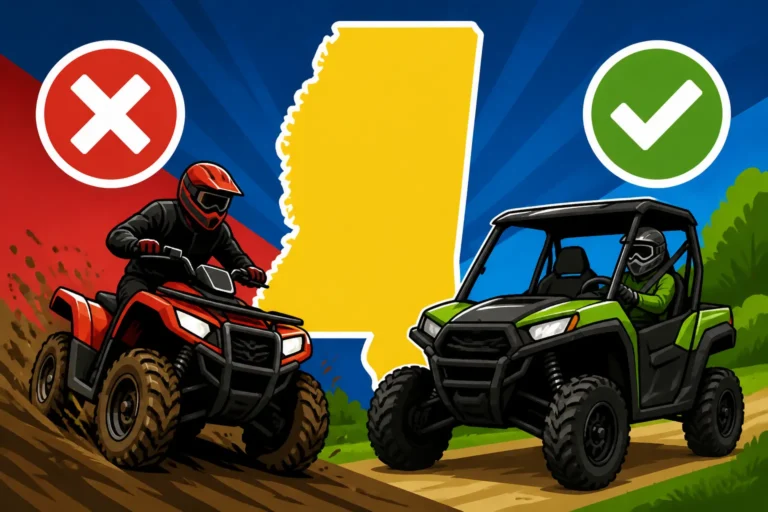
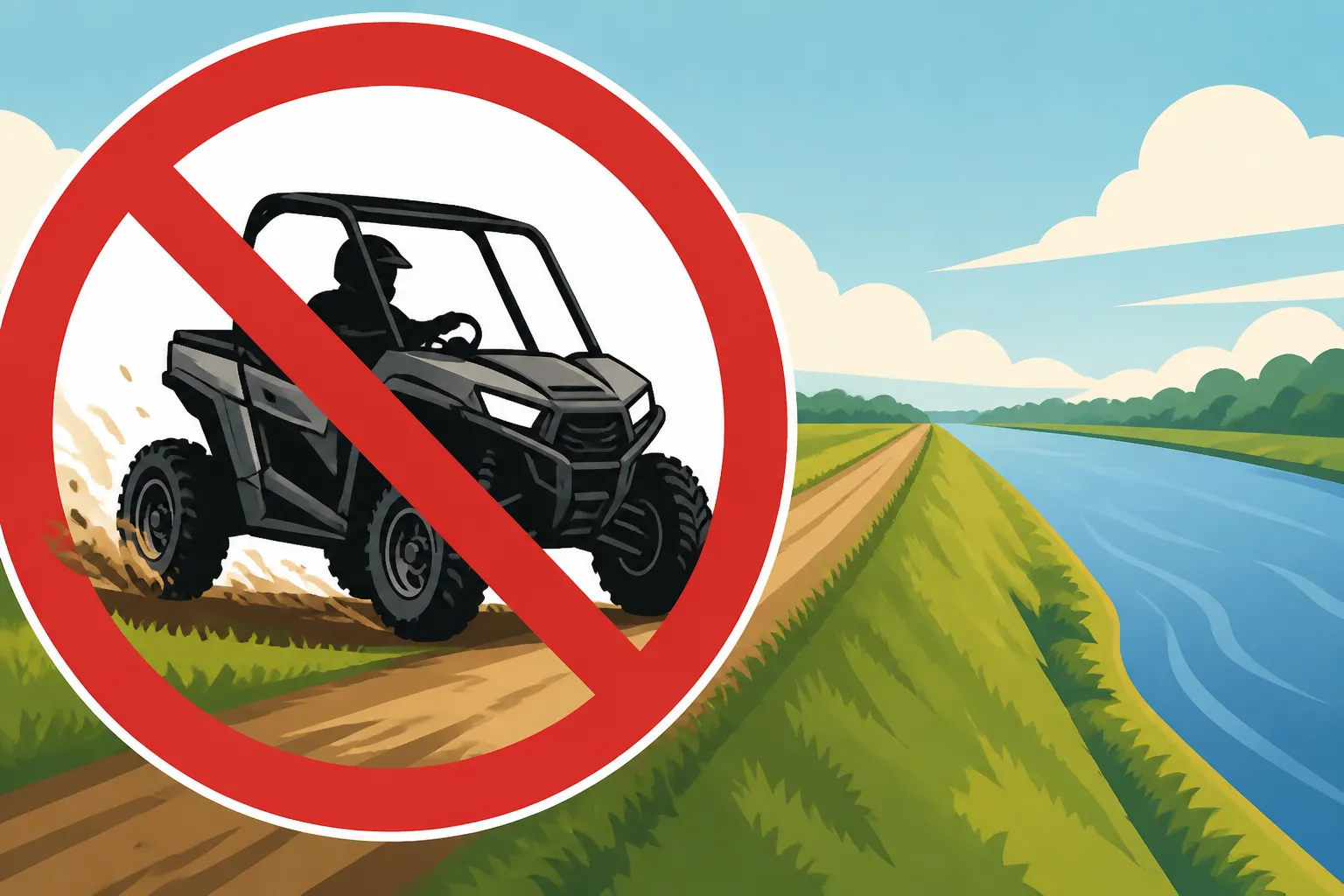
It's incredibly frustrating when you see what looks like a perfect, open stretch of land for riding your ATV or UTV, especially those scenic levee banks that follow our beautiful rivers. You might think, "What's the harm? It's just dirt!" But in Mississippi, riding your off-road machine on these vital flood control structures is strictly prohibited, and the reasons are much more serious than you might imagine. This guide will walk you through exactly why levee riding is a no-go in our state, the potential consequences, and where you can legally and safely enjoy your machine.
Understanding Mississippi's Levee Systems and Their Purpose
Mississippi's landscape is profoundly shaped by its waterways, most notably the mighty Mississippi River. To protect our communities, agricultural lands, and infrastructure from devastating floods, an intricate and robust system of levees has been constructed over decades. These aren't just big piles of dirt; they are engineered marvels designed to withstand immense pressure and protect countless lives and livelihoods. Understanding their fundamental purpose is key to grasping why off-road vehicle use is not permitted on them.
What are Levees and Why Are They Critical?
At their core, levees are elevated embankments, often made of compacted earth, built parallel to a river or along a coastline. Their primary job is to contain water and prevent flooding. Think of them as giant, earthen walls. In Mississippi, these structures are particularly vital because much of our state lies in floodplains, especially along the Mississippi River. Without these levees, many towns, cities, and vast tracts of farmland would be regularly submerged, making permanent settlement and agriculture incredibly difficult, if not impossible. They are a critical piece of public infrastructure, constantly monitored and maintained to ensure they can perform their life-saving function when high waters inevitably arrive. Any activity that could compromise their structural integrity, even seemingly minor ones, is taken very seriously.
When you're out riding and encounter a levee, it might just look like a well-maintained dirt road or a grassy hill. But beneath that surface is a precisely engineered structure. These levees are designed with specific slopes, compaction levels, and material compositions to resist erosion and water infiltration. Anything that disturbs this design, from heavy vehicle traffic to digging, can create weak points. Imagine a small crack in a dam – it might seem insignificant at first, but under pressure, it can lead to catastrophic failure. Levees operate on a similar principle; even what seems like minor damage could have far-reaching and dangerous consequences during a flood event.
The Role of Levee Boards in Mississippi
In Mississippi, the maintenance and oversight of these critical flood control structures fall under the purview of various levee boards and districts. These aren't just abstract government bodies; they are often composed of local residents, engineers, and public officials who are intimately familiar with the specific needs and vulnerabilities of their levee systems. Their responsibility is immense: to protect the land and people within their districts from floodwaters. They're the ones ensuring that these massive earthworks are in top condition, making repairs, and continually planning for future flood events.
These levee boards have the authority to set rules and regulations governing the use of levee property. Their primary directive is preservation and protection, which often means restricting access and activities that could cause damage or impede emergency operations. So, when you see a "No Trespassing" or "No Vehicles" sign on a levee, it's not just a suggestion; it's a direct order from the authority responsible for its upkeep and the safety of the surrounding communities. Ignoring these signs isn't just a minor infraction; it's a direct challenge to the very system designed to keep us safe from nature's powerful forces. The [Mississippi Levee Board Rules] are specific for a good reason.
Designated Uses of Levee Property
It might seem like a waste to have all that open space and not be able to ride on it, but levee property has very specific, designated uses that are prioritized above recreational activities like ATV or UTV riding. Primarily, levees are for flood control and emergency access. This means they are used for inspections by levee board personnel, for heavy equipment to make repairs or reinforce sections during high water, and sometimes for public access roads for maintenance crews. They might also serve as critical access points for emergency responders in flood situations, needing to be clear and unobstructed at all times.
Beyond flood control, some levee areas might be used for passive recreation such as walking or fishing, but this is always secondary to their primary function and usually clearly delineated. Heavy motorized vehicles, especially those designed for off-road use, are almost universally excluded due to the potential for rutting, erosion, and structural damage. The ground composition of a levee is often specifically engineered for stability, and the weight and churning action of ATV tires can disrupt this. Therefore, any activity not directly related to flood control or authorized maintenance is generally prohibited to maintain the integrity of these vital structures.
The Legal Landscape: Why ATV/UTV Riding is Prohibited on Mississippi Levees
It’s easy to look at an empty levee and think, "What’s the big deal?" but the legal reasons behind the prohibition of ATV and UTV riding on Mississippi’s levees are very clear and rooted in both state law and the specific mandates of levee management bodies. It's not just an arbitrary rule; it's about protecting critical infrastructure and ensuring public safety. Many riders simply aren't aware of the specific statutes or the extensive authority held by these regional entities, leading to unfortunate run-ins with the law.
Specific State Laws and Regulations
While Mississippi has a very thin state law chapter regarding off-road vehicles, generally focusing on public road bans, the prohibition on levee riding doesn't always come from a specific ATV-focused state statute. Instead, it often falls under broader state laws concerning trespass on private or public property, or laws related to damaging public infrastructure. [Mississippi Code Section 63-31-1] defines off-road vehicles, but doesn't specifically address levees. However, levee systems, whether owned by the state, a levee district, or even in some cases by private entities under easement for flood control, are considered protected property.
The crucial point is that levee boards, as government entities, have the authority to designate their property as off-limits to unauthorized vehicles. When they post signs, those signs carry the weight of law. Disregarding them is considered trespass, and in some cases, can escalate to charges of malicious mischief or property damage, especially if ruts or other disturbances are caused. So, even if you don't find a specific "No ATVs on Levees" state law, the general laws of property protection and the specific regulations of the levee board act as a combined legal barrier. The state's general prohibition of ATVs on roads also informs a wider policy of restricting their use to designated areas.
Levee Board Authority and Local Ordinances
Beyond state laws, levee boards themselves possess significant regulatory authority over the land they manage. These boards are empowered by the state to protect and maintain the levee systems, and this includes setting rules for public access and use. They often have their own sets of regulations that explicitly prohibit motorized vehicles on the levee slopes, crowns, and access roads unless specifically authorized. These regulations are enforceable and carry legal penalties.
Furthermore, some local jurisdictions (counties or municipalities) might also have specific ordinances that reinforce these prohibitions or add their own layers of restrictions. These local laws would typically be designed to prevent damage to local infrastructure and protect residents. So, a rider might not only be facing a levee board violation but also a local ordinance infraction. It's a layered approach to protection, ensuring that these critical structures are safeguarded from any activity that could compromise them. This means that while a general state law might not explicitly mention "levee riding," the specific rules of the levee board, backed by broader trespass laws, make it illegal.
The Rationale Behind the Ban: Safety and Infrastructure Protection
The core reason for prohibiting ATVs and UTVs on levees boils down to two critical factors: safety and the protection of vital infrastructure. From a safety perspective, levees are not designed for recreational vehicle traffic. They can have uneven surfaces, steep slopes, and blind spots. Operating an off-road machine on such terrain can be inherently dangerous, increasing the risk of rollovers, accidents, and injuries for riders. There are no speed limits, traffic control, or designated paths suitable for such vehicles.
More critically, these bans are about protecting the levee itself. ATVs and UTVs, especially when ridden aggressively or in wet conditions, can cause significant damage. Their tires can create deep ruts, erode the soil, and compromise the compaction and stability of the levee's earthen structure. This damage might seem minor on the surface, but it can weaken the levee's ability to hold back floodwaters. Deep ruts can become channels for water seepage, leading to internal erosion or even a breach during a major flood event. The cost of repairing such damage, let alone the potential cost of a levee failure (property damage, loss of life, emergency response), far outweighs any recreational benefit. The levee boards are proactively protecting their investment in flood control and the safety of the communities downstream.
Real-World Consequences of Riding on Levees
Ignoring the clear prohibitions against riding your ATV or UTV on Mississippi levees isn't just a minor oversight; it carries a range of serious real-world consequences. These aren't hypothetical scenarios pulled from a legal textbook. They are actual risks that riders face, from immediate financial penalties to long-term legal and environmental repercussions. It's crucial for every off-road enthusiast to understand that what might seem like a harmless joyride can quickly turn into a costly and regrettable experience.
Fines, Penalties, and Machine Impoundment
The immediate and most tangible consequence of riding an ATV or UTV on a prohibited levee is often a citation, fine, or even the impoundment of your machine. Law enforcement officers, whether from county sheriff's departments, local police, or even levee board patrol units, are authorized to enforce these trespass and property damage laws. The specific fines can vary depending on the jurisdiction and the severity of the offense, but they can easily run into hundreds of dollars. This is not just a slap on the wrist.
Beyond the monetary fine, your ATV or UTV could be impounded. This means your machine is towed away and stored in an impound lot, incurring daily storage fees that quickly add up. To get your machine back, you'll have to pay the towing fee, all accrued storage fees, and often the initial fine before your vehicle is released. This entire process can cost you well over a thousand dollars and a significant amount of time and hassle. Imagine having your prized machine sit in an impound lot, collecting dust, while you scramble to pay the escalating fees. It's a huge headache that could be easily avoided. [Mississippi Fines for Road Riding] are already low, but levee damage charges can be higher.
Civil Liability and Property Damage
The consequences don't necessarily end with a fine and impoundment. If your riding causes damage to the levee—and even seemingly minor ruts or erosion can be considered damage—you could face civil liability. Levee boards or the state could pursue legal action against you to recover the costs of repairing the damage. Repairing structural damage to a levee, especially if heavy machinery and specialized contractors are required, can be incredibly expensive. We're talking thousands, tens of thousands, or even hundreds of thousands of dollars, depending on the extent of the damage.
This isn't just about paying for a few ruts. If your actions are deemed to have compromised the levee's integrity, and that compromise contributes to a future breach or flood event, the civil liability could be astronomical. You could be held responsible for property damage to homes, businesses, and agricultural land, as well as for the costs of emergency response and flood recovery. Most standard ATV insurance policies might not cover liability arising from illegal activities or damage to public infrastructure, leaving you personally on the hook for these potentially ruinous costs. It's a huge gamble for a short ride. [Mississippi Trespass Law for Riders] often comes with a civil component.
Environmental Impact and Ecosystem Protection
While protecting human lives and property is the primary concern, riding ATVs and UTVs on levees also has significant negative environmental impacts. These areas are often part of sensitive ecosystems, providing habitat for various plant and animal species. The disturbance caused by off-road vehicles can disrupt these habitats, destroy vegetation, and compact soil, making it difficult for native plants to grow. This soil compaction also affects water infiltration and can exacerbate erosion, sending sediment into waterways, which harms aquatic life and water quality.
Furthermore, unauthorized vehicle access can introduce invasive species through mud and seeds carried on tires, altering the delicate balance of native ecosystems. The noise and presence of vehicles can also disturb wildlife, especially during sensitive breeding or nesting seasons. While a single ride might seem insignificant, cumulative damage from multiple riders over time can have a profound and lasting impact on the local environment. Levee boards are often tasked with not only maintaining the physical structure but also managing the ecological aspects of these corridors, understanding that a healthy ecosystem contributes to overall stability and resilience against environmental stressors. This means your riding choices have a ripple effect far beyond the immediate track marks you leave behind.
Identifying Levees: How to Know What's Off-Limits
One of the biggest challenges for riders isn't necessarily knowing that levee riding is prohibited, but rather identifying what constitutes a levee in the first place. Not all elevated dirt banks are part of a regulated levee system, and conversely, some critical levees might not look like the textbook image you have in mind. Understanding how to recognize these off-limits areas is crucial for staying on the right side of the law and ensuring your safety, as well as the integrity of these vital flood control structures.
Signs, Barriers, and Other Indicators
The most obvious indicators that you're on a prohibited levee are signs, gates, or other physical barriers. Levee boards and managing authorities typically post "No Trespassing," "No Motorized Vehicles," "Private Property," or "Restricted Access" signs at entry points or along sections of the levee. These signs are there for a reason and carry legal weight. It's not just a suggestion; it's a clear directive. Pay attention to the wording – sometimes it might say "Authorized Vehicles Only," which means if you're not an employee or contractor, you're not authorized.
Beyond explicit signage, look for other clues. Gates, fences, or berms that block vehicle access are strong indicators that an area is off-limits. Even if a gate is open, or a sign is partially obscured, the presence of these indicators should make you pause and reconsider. The level of maintenance on a path can also be a hint; if it looks like a well-graded but otherwise unused dirt road running alongside a major waterway, there's a good chance it's part of a levee system. Trust your gut: if something feels like it might be restricted, it probably is. Ignoring these visual cues can quickly land you in trouble, even if you claim ignorance.
Maps and Resources for Identifying Levee Districts
If you're unsure whether a particular elevated area is part of a levee system, doing a little research beforehand can save you a lot of trouble. Many levee boards have public-facing information, including maps of their managed areas. Online mapping services, like Google Maps or county GIS (Geographic Information System) portals, can also be incredibly helpful. By cross-referencing these maps with your intended riding area, you can often identify official levee routes.
You can also contact the local county tax collector's office or the sheriff's department. They often have knowledge of local land designations and can clarify whether a particular path is part of a levee system. Another excellent resource is the Army Corps of Engineers, which often oversees major flood control projects and can provide information about federal levee systems. Before you venture out, especially into unfamiliar territory, taking a few minutes to consult these resources can provide clarity and prevent accidental trespass. It’s always better to be informed and prepared than to face fines or impoundment because you didn't check.
The "When in Doubt, Don't" Rule
Ultimately, when it comes to riding on levees or any potentially restricted land, the safest approach is the "when in doubt, don't" rule. If you're not absolutely certain that an area is legally open for ATV or UTV riding, assume it's not. This simple rule can prevent a host of legal troubles, financial penalties, and potential damage to vital infrastructure. It reflects a responsible rider's ethos: respect for the land, the law, and the safety of others.
This rule is especially important in Mississippi, where specific state ATV laws are minimal, and much of the regulation comes from local ordinances, private property rules, or the authority of specific management bodies like levee boards. Since there isn't a single, comprehensive state map detailing every legal riding spot, exercising caution and performing due diligence is paramount. If you see a tempting stretch of elevated land near a river and there are no clear "open to ATVs" signs, it's wise to assume it's a levee and find a designated, legal riding area instead. Your machine, your wallet, and the local authorities will thank you.
Alternatives to Levee Riding in Mississippi
Given the strict prohibition on levee riding and the serious consequences of ignoring it, it's natural to feel a bit disappointed. However, Mississippi is far from a barren landscape for off-road enthusiasts! Our state boasts a fantastic array of legal and thrilling places where you can safely and responsibly enjoy your ATV or UTV. The key is to know where to look and to respect the rules of those designated areas. There's a whole world of mud, trails, and open spaces waiting for you, without the risk of fines or impoundment.
Dedicated Off-Road Parks and Trails
The absolute best alternative to unauthorized levee riding is to seek out Mississippi's dedicated off-road parks and trail systems. These places are built specifically for ATVs and UTVs, offering a variety of terrain, challenges, and amenities. They are managed by professionals who understand off-road recreation, ensuring safety, maintaining trails, and often providing facilities like wash stations, restrooms, and even camping spots.
For example, places like [Red Creek Off-Road in Mississippi] in Perkinston or [Meridian OHV Park in Mississippi] offer miles of trails, mud pits, and open riding areas that cater to all skill levels. [Bethel OHV Trails in Mississippi], managed by the National Forest Service, provides a more natural, forest trail experience. These parks typically have an entry fee, but that fee goes directly towards maintaining the trails, ensuring safety, and providing facilities – a small price to pay for legal, worry-free riding. Many of these parks are well-known havens for the off-road community, and you'll find plenty of other riders who share your passion. When tackling the tougher terrains in these parks, having robust aftermarket parts, like skid plates from SuperATV, can truly extend the life of your machine against unexpected impacts.
Private Land Riding with Permission
Another excellent option for legal riding is to utilize private land, provided you have explicit permission from the landowner. This is a time-honored tradition in Mississippi and across the South. If you have friends, family, or even acquaintances who own acreage – be it farmland, timberland, or just a large parcel of undeveloped property – a polite request for permission to ride can often open up fantastic opportunities. It's crucial, however, that this permission is clear and understood by both parties.
When riding on private land, always be respectful. Stick to designated areas, avoid damaging crops or fences, close gates behind you, and pack out everything you pack in. Consider offering to help the landowner with chores or maintenance in exchange for riding privileges. Remember, permission can be revoked at any time, so maintaining a good relationship is paramount. Always ensure you have [Written Permission From a Southern Landowner] to avoid any misunderstandings or accusations of trespass.
Other Scenic Routes and Legal Riding Areas
While levees are off-limits, Mississippi still offers other scenic areas and legal routes for off-road exploration. Our National Forests, such as the De Soto National Forest, offer designated OHV trails like Bethel. These trails often wind through beautiful pine forests, providing a very different but equally rewarding riding experience. Always check with the specific National Forest district office for their current rules and trail maps, as not all forest roads are open to ATVs, and some trails have width restrictions. [Mississippi National Forest Riding Explained] delves deeper into these options.
Additionally, some Wildlife Management Areas (WMAs) might have specific roads or trails open to ATVs for access during hunting seasons, though rules are very strict and generally prohibit recreational riding. Always consult the specific WMA regulations before venturing out. Finally, look into local ordinances in smaller towns or rural areas. While most towns ban ATVs on public streets, some might have very specific, limited areas where they are allowed, though this is rare and requires careful research. The key is always to verify legality before you ride, ensuring your adventure is safe, legal, and enjoyable. For navigating tricky, rooted forest trails, having a reliable winch, perhaps from SuperATV, can be a game-changer for self-recovery or assisting a buddy.
Protecting Your Machine and Yourself: Gear and Preparation
Whether you're hitting a dedicated off-road park, exploring a National Forest trail, or riding on private land with permission, preparing yourself and your machine correctly is crucial. This isn't just about fun; it's about safety, compliance, and ensuring your ATV or UTV lasts for years of enjoyment. Skipping steps in gear or maintenance can lead to accidents, breakdowns, or costly repairs that overshadow any good times you had.
Essential Gear for Responsible Off-Roading
Responsible off-road riding starts with the right gear, not just for you, but also for your machine. For yourself, a DOT-approved helmet is non-negotiable, especially for riders under 16, where [Mississippi ATV Helmet Law Age] is enforced, but really for everyone. Eye protection (goggles or a face shield), long pants, long-sleeved shirts, sturdy over-the-ankle boots, and gloves are also vital to protect against branches, mud, and impacts. Don't skimp on safety gear; it's an investment in your well-being.
For your machine, consider upgrades that enhance both safety and capability. Skid plates are a must for protecting the underside of your ATV or UTV from rocks, roots, and debris on rough trails. Brands like SuperATV offer heavy-duty skid plates that can save you from expensive damage to your frame, engine, and other vital components. A winch is another invaluable piece of equipment, especially if you ride in mud or remote areas. It can be a lifesaver for self-recovery or for helping a buddy get unstuck. Having a small toolkit, tire repair kit, first-aid kit, and a communication device (even if it's just a fully charged cell phone) are also smart additions to your ride pack. Remember, you’re often far from help out on the trails, so being self-sufficient is key.
Maintenance Tips for Avoiding Damage
A well-maintained ATV or UTV is not only safer but also less likely to break down and cause you headaches. Regular pre-ride checks are fundamental: inspect tire pressure, check fluid levels (oil, coolant, brake fluid), and ensure all lights are working. After every ride, especially if you've been through mud or water, give your machine a thorough cleaning. Mud and grit can cause premature wear on bearings, brakes, and moving parts.
Pay special attention to your air filter, as dusty conditions can quickly clog it and lead to engine damage. Lubricate chains and pivot points regularly. Check for loose bolts, frayed cables, or any signs of damage. If you notice anything unusual, address it promptly rather than waiting for it to become a major issue. Consider using aftermarket parts, like those from SuperATV, which are often designed to be more robust and durable than OEM components for the harsh conditions of off-road riding. Investing time in maintenance will pay dividends in reliability and prolong the life of your machine, keeping you on the trails and out of the repair shop.
Insurance Considerations Beyond the Levee Ban
While [Mississippi Has No Insurance Mandate] for ATVs and UTVs on private land or designated trails, it's a critical consideration for responsible riders. The moment you pull out of your driveway, your machine could be involved in an accident, stolen, or damaged. Your homeowner's policy might offer very limited coverage, but it's often insufficient for significant incidents. A dedicated ATV/UTV insurance policy can provide comprehensive coverage for damage to your machine, theft, and most importantly, liability coverage if you injure someone or damage their property.
Even if you only ride legally, accidents can happen. Imagine a rollover on a trail that totals your machine, or an accidental collision with another rider. Without proper insurance, you'd be solely responsible for the costs. The liability coverage is especially important; if you accidentally damage a fence on private land where you have permission to ride, or cause an injury, that insurance can protect you from devastating out-of-pocket expenses. Talk to an insurance agent who specializes in recreational vehicles to understand your options and ensure you have adequate protection for all your off-road adventures, regardless of where you ride. It’s peace of mind that allows you to truly enjoy your time on the trails.
Advocacy and Future Possibilities for Mississippi Riders
It's disheartening to find out that certain areas, like levees, are off-limits for ATV and UTV riding. However, instead of feeling defeated, many riders choose to channel that energy into advocacy. While some restrictions are in place for very good reasons (like levee integrity), there are ongoing conversations and efforts to expand legal riding opportunities in Mississippi. Understanding past legislative attempts and knowing how to get involved can make a real difference for the future of off-roading in our state.
Understanding Past Legislation Efforts
Mississippi has a very limited body of state law regarding ATVs and UTVs, which can be both a blessing and a curse. While it means fewer statewide prohibitions, it also means a lack of state-managed riding opportunities compared to some other states. In recent years, there have been attempts to introduce legislation that would expand ATV/UTV access, particularly regarding road use in specific contexts (like crossing roads or limited access on certain county roads). For example, [Mississippi Senate Bill 2258 and What It Would Have Done] aimed to create more defined rules for off-road vehicles.
These bills often face challenges due to concerns about safety, road damage, and conflicting interests from various stakeholders. They typically die in committee or fail to pass both legislative chambers. However, the fact that these discussions are happening indicates a growing awareness and interest in accommodating off-road enthusiasts. Understanding the details of [Mississippi Bills That Died in Committee] can help riders and advocates better strategize for future legislative efforts, identifying what has failed and why, to build stronger proposals.
How to Get Involved in Responsible Riding Advocacy
If you're passionate about expanding legal riding opportunities in Mississippi, getting involved in advocacy is the most effective way to make your voice heard. Start by connecting with local ATV and UTV clubs. These organizations are often at the forefront of advocacy efforts, pooling resources and expertise to lobby lawmakers, work with land managers, and organize community support. They can provide guidance on current issues and how to best contribute.
Beyond joining clubs, consider contacting your state legislators. Share your experiences, explain the economic benefits of off-road tourism, and highlight the importance of designated riding areas for responsible recreation. Emphasize that you are a responsible rider who seeks legal, safe places to enjoy your machine. Attend local government meetings when ATV/UTV issues are on the agenda. Offer to volunteer for trail maintenance days at existing parks or help with conservation efforts. Responsible advocacy focuses on education, cooperation, and demonstrating the positive impact of the riding community.
The Importance of Community and Education
Ultimately, the future of off-roading in Mississippi hinges on the strength of its riding community and a collective commitment to education and responsible practices. A unified voice, speaking respectfully and knowledgeably, carries far more weight than individual complaints or unauthorized riding. By demonstrating a dedication to safety, environmental stewardship, and adherence to laws, the ATV/UTV community can build trust with policymakers and the general public.
Education is key: educating new riders about legal places to ride, emphasizing safety gear and practices, and dispelling misconceptions about off-road vehicles. This includes promoting resources like [Mississippi ATV Trails: Where to Ride] and explaining why certain areas, like levees, are strictly off-limits. By consistently promoting a positive image and actively working towards solutions, the riding community can gradually influence policy and foster an environment where more legal and enjoyable riding opportunities become a reality across Mississippi. Your actions and involvement today will shape the landscape for riders tomorrow.
| Restriction Type | Levees | Public Roads (Generally) | Dedicated OHV Parks | Private Land (with permission) |
|---|---|---|---|---|
| Legality of ATV/UTV | Prohibited (Trespass/Damage) | Prohibited (with few exceptions for crossing) | Generally Legal (with park rules) | Legal (with landowner permission) |
| Primary Authority | Levee Boards, State, County | State Law, Local Ordinances | Park Management, Landowner | Landowner |
| Risk of Fines/Impound | High | High | Low (if following park rules) | Low (if following permission) |
| Civil Liability Risk | High (for damage/breach) | Low (covered by auto insurance if street legal) | Low (waivers, park insurance) | Moderate (if not insured or reckless) |
| Environmental Impact | High (erosion, structural damage) | Minimal (on pavement) | Managed, mitigated | Variable (depends on landowner rules) |
| Accessibility | Closed/Restricted | Closed/Restricted | Open (with fees/rules) | By specific invitation |
| Common Indicators | "No Trespassing," gates, specific maps | "No ATVs," road signs, police enforcement | Park entrance, designated trails, waivers | Explicit verbal/written permission |
Disclaimer
This article is for general informational purposes only and does not constitute professional advice. Laws, prices and regulations vary by location and change over time. Consult a qualified professional for guidance on your specific situation.