Mississippi Noise Complaints About Quads
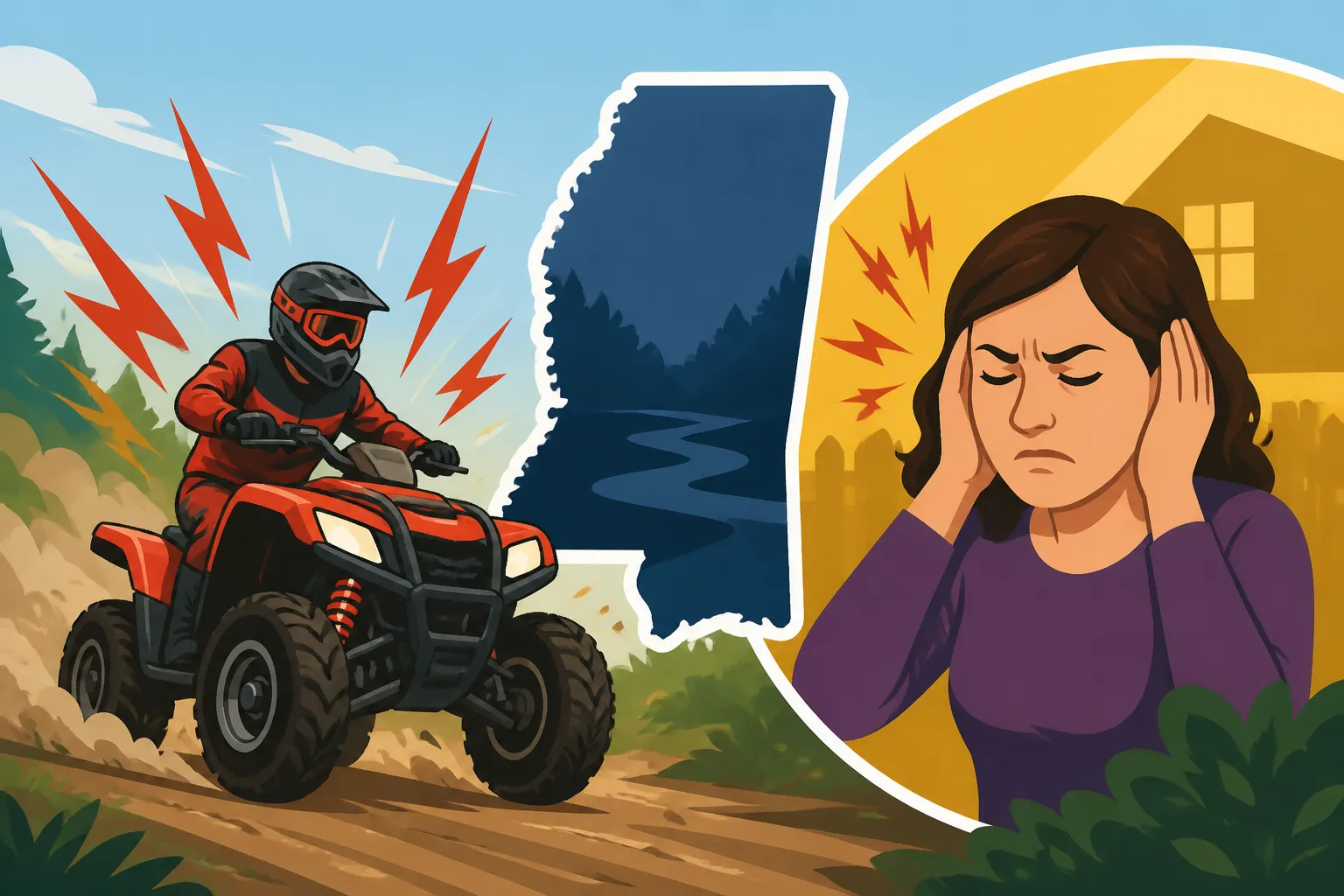
It’s a scenario many of us in Mississippi have either experienced or heard about: the sound of an ATV or UTV echoing through what was once a quiet afternoon, or worse, late into the night. For riders, it might just be the thrill of the trail, the rumble of a powerful engine, or the practical necessity of getting work done. But for neighbors, especially those not accustomed to off-road vehicles, that rumble can quickly turn into a headache-inducing racket, leading to frustrations, neighborly disputes, and even official complaints. This guide is all about understanding why these noise complaints happen, what can come of them in Mississippi, and how both riders and communities can navigate this often-tense issue with a bit more peace.
Understanding the Source of ATV and UTV Noise Complaints in Mississippi
When you hear a noise complaint about an ATV or UTV, it’s rarely just about the sound of the engine running. There's usually a combination of factors at play, from the machine itself to how and where it's being ridden, and even the general expectations of the community around it. It’s a nuanced situation, and understanding these layers is the first step toward finding common ground.
The Machine Itself: Modifications and Mechanical Roar
Let’s be honest, some ATVs and UTVs are just naturally louder than others right off the factory floor. They’re built for power, for tackling tough terrain, and sometimes that comes with a robust exhaust note. But often, the real culprits behind excessive noise are aftermarket modifications. Many riders upgrade their exhaust systems, sometimes for performance gains, other times just for a different sound, but not always with neighborhood tranquility in mind. An open exhaust or a modified muffler can turn a tolerable thrum into an ear-splitting roar that carries for miles, especially across flat, open Mississippi landscapes. Even stock machines, if not properly maintained, can develop exhaust leaks or engine issues that amplify their sound far beyond what's normal. If you've ever been asked by a park ranger to check your exhaust, it’s often because they're trying to keep the peace and ensure everyone can enjoy the natural surroundings without undue noise pollution, much like how [Spark Arrestor Checks at a State Park Gate] are about more than just fire prevention.
Beyond the exhaust, tires can also contribute significantly to noise, especially aggressive mud tires on hard surfaces. That distinctive hum or whine on pavement, while perhaps minor to the rider, can be quite noticeable to someone trying to enjoy their backyard barbecue. And for some, the mere presence of a machine, regardless of its sound level, can trigger a complaint if they simply don’t approve of the activity.
Rider Behavior, Location, and Repetitive Routes
It’s not always about how loud the machine is, but when and where it’s being ridden. Riding an ATV at 6 AM on a Saturday morning right next to someone’s bedroom window, or doing continuous laps around a property line throughout the day, can be incredibly irritating, even if the machine itself isn't excessively loud. Imagine trying to read a book or have a conversation while the same engine noise pulses in the background for hours. That kind of repetitive, intrusive noise is what really grates on people’s nerves.
Location is also critical. A rider tearing through a remote timber tract likely won't bother anyone, but the same activity in a residential area, even on private land, is a recipe for conflict. Many riders use their machines for practical purposes on farms or hunting leases, which is generally understood and accepted. However, when the lines blur between work and recreation, or when recreational riding happens too close to homes, the noise becomes a prominent issue. Our state laws are pretty clear that riding ATVs on public roads is generally prohibited, and while that doesn't directly address private land noise, it often means that if a machine is heard in a residential area, it might also be operating where it shouldn't be, exacerbating the neighbor's frustration. This is why discussions about [Mississippi Bans ATVs on Public Roads] are so frequent – the noise isn't just irritating; it can signal other legal infractions.
Community Expectations and Local Ordinances
What one community considers acceptable noise, another might find completely out of bounds. In rural Mississippi, where land parcels are larger and the pace of life often slower, the sound of an ATV might simply be part of the background, a sign of activity. But in more densely populated areas, or even quiet suburban neighborhoods, the same sound can be seen as a major disturbance. This difference in expectation is a huge factor in whether a noise complaint even arises.
Furthermore, Mississippi's state laws regarding off-road vehicles are notoriously sparse, meaning that local jurisdictions—cities and counties—often step in to fill the void with their own rules. These can range from general nuisance ordinances that apply to all loud noises to specific curfews or restrictions on ATV use within city limits. Some towns have even written ordinances that specify where and when certain types of vehicles, like golf carts, can operate, which gives a hint at the kind of local control that can be exercised. This is why it’s so important to understand [Mississippi Local Ordinances Are the Only Path] when it comes to riding rules. If you're riding near a populated area, it’s not just about what you think is reasonable; it’s about what your local government and neighbors expect.
What Happens When a Noise Complaint is Made in Mississippi?
So, you’ve either made a complaint, or perhaps you're a rider who's heard through the grapevine that someone isn't happy about your machine. What’s the actual process in Mississippi when a noise complaint about an ATV or UTV gets reported? It's usually less dramatic than an immediate arrest, but it can certainly lead to consequences if not addressed.
Who Receives the Complaint and How They Respond
Typically, a noise complaint about an ATV or UTV will go to local law enforcement. This could be the city police department if the riding is happening within city limits, or the county sheriff's office if it’s in an unincorporated area. Sometimes, if a complaint is about a chronic issue or a perceived disregard for community well-being, it might even reach local elected officials like aldermen or county supervisors. Someone might, for example, be [Bringing an ATV Question to Your Board of Aldermen] if they feel law enforcement isn't resolving the issue.
When a complaint is received, law enforcement usually responds by dispatching an officer to the location. Their initial goal is often to assess the situation. Is there actually a loud ATV? Is it creating a disturbance? Is it operating where it shouldn't be? An officer might simply observe from a distance, or if the riding is on private land and particularly disruptive, they might approach the property to speak with the rider or property owner.
The Investigation Process and Potential Repercussions
The officer's primary task is to determine if any local ordinances or state laws are being violated. As we've mentioned, Mississippi has pretty strict rules against riding ATVs on public roads. If an officer finds someone operating an ATV on a street, highway, or public right-of-way, that alone can lead to a citation, regardless of the noise level. The noise might just be what drew attention to the illegal road use. In such cases, the consequences could include fines and court costs, as detailed in [Mississippi Fine Ranges for Road Riding].
Even on private property, if the noise is genuinely excessive and persistent, it could fall under a general "disturbing the peace" or "public nuisance" ordinance that many towns and counties have. These are often subjective and rely on the officer's judgment, but repeated complaints about the same activity can build a case. An officer might issue a warning first, hoping that a polite request for quieter operation or different timing will resolve the issue. However, if warnings are ignored or the problem persists, they could issue a citation.
It's also worth noting that if an ATV is involved in other activities that draw attention—like trespassing or property damage—the noise complaint becomes secondary to more serious offenses. Officers are well within their rights to conduct [What a Mississippi Deputy Can Ask to See] when they stop someone, which includes proof of ownership and looking for other violations.
Table: Common Noise Complaint Scenarios and Outcomes in Mississippi
| Scenario | Initial Response | Potential Outcome for Rider | Community Impact |
|---|---|---|---|
| Loud exhaust on private land, daytime | Officer observation, maybe warning | Request to quiet down, no formal action | Temporary annoyance, potential tension |
| Riding on public road, excessive noise | Officer stop, investigation | Citation for illegal road use, fine | Significant disruption, safety concern |
| Repeated late-night riding near homes | Multiple complaints, officer visit | Warning, then potential nuisance citation | Frustration, loss of sleep, neighbor disputes |
| Modified exhaust at a public park | Ranger check at gate or on trail | Asked to leave, fine, or restricted access | Disruption to other park users |
| Persistent noise on private land, no local ordinance | Officer may advise, minimal action | Unresolved tension, potential for local ordinance | Growing frustration, call for new rules |
Navigating Noise Issues: Tips for Riders and Communities in Mississippi
Addressing noise complaints effectively requires a two-pronged approach: riders need to be proactive and considerate, and communities need to understand their options and approach issues constructively. Neither side benefits from escalated conflict.
For Riders: Be a Good Neighbor and a Responsible Enthusiast
If you’re a rider, especially if you live near others, being mindful of your noise footprint is crucial. It’s about being a good neighbor.
- Mind Your Muffler: Consider your exhaust system. If you have an aftermarket exhaust, especially one designed for maximum sound, think about whether it's truly appropriate for your typical riding locations. Many reputable aftermarket brands, like SuperATV, offer exhaust systems that provide performance while also being designed with noise reduction in mind, or at least meeting certain sound standards. Ensure your spark arrestor is always in place and functioning correctly; sometimes a missing or damaged one can significantly increase noise.
- Time and Place Your Rides: Avoid riding early in the morning, late at night, or during typical quiet times when people are trying to relax, especially if you’re near residential areas. If you're just doing maintenance or warming up your machine, try to do it at reasonable hours. Be aware of where you’re riding – even on private land, continuously looping near a property line can be more irritating than riding in a more open area.
- Know the Rules: Familiarize yourself with local ordinances in your city or county. Don't assume that just because state law is limited, there are no rules. Many cities have noise ordinances or even specific rules about off-road vehicles. Ignorance of the law is rarely an excuse. This also applies to public riding areas like [Mississippi WMA Riding Rules], which often have specific times or designated areas for machine use.
- Maintain Your Machine: A well-maintained machine is often a quieter machine. Fix any exhaust leaks promptly, ensure your engine is running efficiently, and address any rattling parts that could contribute to noise.
- Communicate (When Appropriate): If you're on friendly terms with neighbors, a simple conversation can go a long way. Let them know when you plan to ride, or ask if the noise is bothering them. Sometimes, just feeling heard can de-escalate a potential complaint.
For Communities and Neighbors: Address Concerns Constructively
If you’re a neighbor experiencing noise issues, remember that an immediate call to law enforcement isn't always the only, or even the best, first step.
- Attempt Direct Communication: If you feel safe and comfortable, a polite, face-to-face conversation with the rider or property owner can often resolve the issue without involving authorities. They might not even be aware their machine is causing a disturbance. Focus on the impact of the noise, not on accusations.
- Understand Local Ordinances: Before making a formal complaint, check with your city clerk or county supervisor's office to see if there are any specific noise ordinances or restrictions on ATV/UTV use in your area. This empowers you with facts. You might find guidance by looking into topics like [Mississippi Towns With Cart Ordinances] to understand how local governments can regulate vehicles.
- Document the Issue: If direct communication doesn't work, or isn't possible, start documenting the problem. Note the dates, times, duration, and nature of the noise. This information is invaluable if you need to make a formal complaint to law enforcement or your local government.
- Contact Local Authorities: If the problem persists, or if you believe there's an illegal activity (like riding on public roads), contact your local law enforcement. Provide them with the documented information. They can then assess the situation and take appropriate action.
- Engage Local Government: For chronic issues that aren't adequately addressed by existing laws, or if you feel a new ordinance is needed, consider reaching out to your county supervisors or city aldermen. They are your elected representatives and can explore options for new regulations or enforcement strategies. Sometimes, a single complaint might not spark change, but a collective voice from several affected residents can.
The Critical Role of Local Ordinances in Mississippi
Given that [Mississippi's ATV Law Is Only Two Sections Long] and primarily focuses on prohibiting road use, local ordinances become the primary mechanism for regulating ATV and UTV noise and conduct on private property, or within specific areas. Without a state-wide noise standard for off-road vehicles, cities and counties have the power to enact their own rules.
These local rules might set specific decibel limits, establish quiet hours, or even restrict certain types of vehicles from operating within city limits during certain times or in certain zones. The effectiveness of a noise complaint often hinges entirely on whether such a local ordinance exists and can be enforced. If your town or county has no specific ATV noise ordinance, enforcement might rely on more general "disturbing the peace" statutes, which can be harder to prove consistently. This highlights why open dialogue between residents, riders, and local government is so important. When a community can come together, whether through town hall meetings or direct communication, to discuss these issues, it often leads to more effective and fair solutions for everyone involved.
Disclaimer
This article is for general informational purposes only and does not constitute professional advice. Laws, prices and regulations vary by location and change over time. Consult a qualified professional for guidance on your specific situation.