Asking Your County Supervisor Where You Can Ride
Many riders in Mississippi find themselves in a challenging spot when they want to enjoy their ATVs and UTVs but are unsure about where it’s actually legal to ride. With state laws often silent or restrictive, the desire to explore local options, especially on county roads or designated pathways, is strong. This guide is designed to help you navigate the process of approaching your county supervisor to discuss and advocate for legal off-road vehicle use in your community, offering practical advice and a clear path forward.
Understanding Mississippi's ATV Landscape and Local Authority
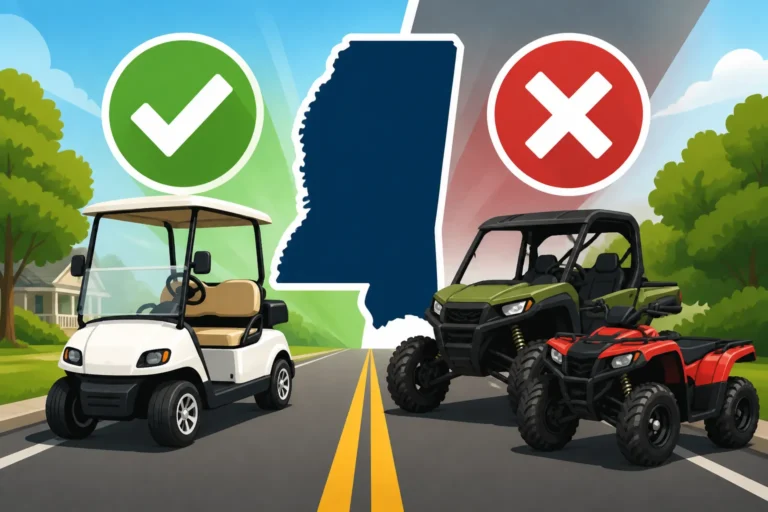
It’s no secret that Mississippi’s state laws regarding ATVs and UTVs on public roads can feel incredibly restrictive, often leaving riders scratching their heads about where they can actually legally operate their machines. The reality is, [Mississippi Law Flatly Bars ATVs From Public Roads], and the state’s off-road vehicle chapter is notably brief, often leaving a lot of unanswered questions for local communities. This lack of clear, comprehensive statewide guidance is a major frustration point for many enthusiasts who simply want a safe, legal place to ride.
Why State Law Leaves a Gap
For years, riders across Mississippi have hoped for more comprehensive state legislation that might offer clearer pathways for road access or designated riding areas. Unfortunately, efforts like [Mississippi's Failed 2025 Road Access Bill] highlight just how difficult it is to get sweeping changes passed at the state level. The state's current legal framework, primarily found in [Mississippi Code Section 63-31-3], is quite narrow, focusing more on what you cannot do rather than establishing opportunities. This means that while some towns have successfully carved out specific ordinances for golf carts or even certain types of UTVs, such as how [How Hattiesburg's Golf Cart Ordinance Actually Works], these are exceptions, not the rule, and rarely extend to ATVs.
When the state law is so direct about barring ATVs from public roads, local municipalities and county governments are often left to interpret how, or if, they can create their own rules. This is why you'll often hear about towns that explicitly bar ATVs on their streets, or why many local areas simply default to the state's prohibition. For riders, it means that the search for legal riding spots often requires looking beyond state statutes and focusing on local solutions.
The Role of Your County Supervisor
In Mississippi, county supervisors are elected officials who represent specific districts within their county. They form the Board of Supervisors, which is the primary governing body for county affairs, especially concerning unincorporated areas – those parts of the county not within city or town limits. This is crucial because many rural roads and potential riding areas fall under county jurisdiction. While they might not be able to overturn state law, they do have the power to create local ordinances that can impact how and where ATVs and UTVs are used within county boundaries.
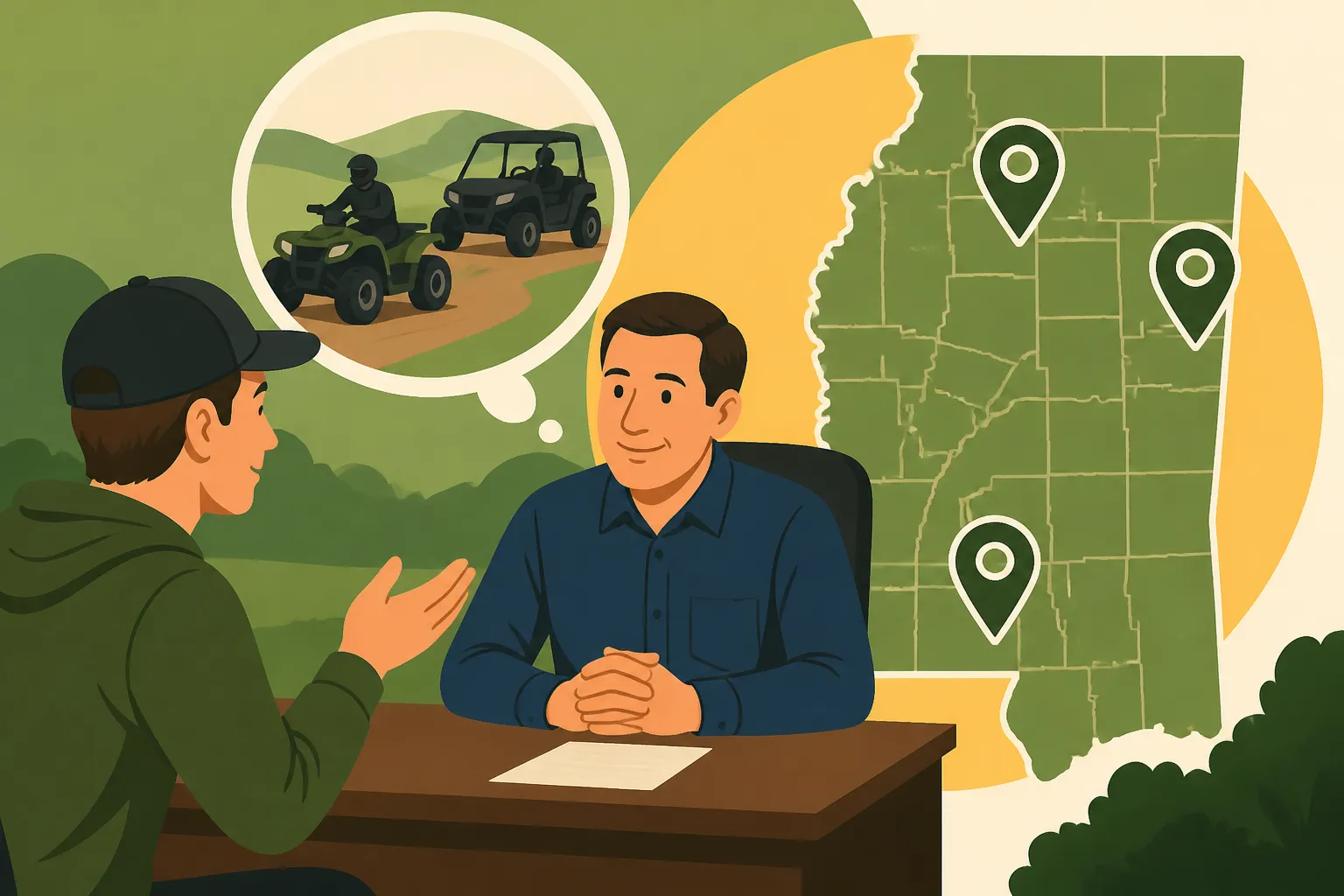
Your county supervisor is the person who listens to the concerns and needs of their constituents, which includes ATV and UTV owners. They can initiate discussions, direct county staff to research potential solutions, or even bring proposals before the full Board of Supervisors. Approaching them is about advocating for recreational opportunities, economic benefits (like attracting riders to local businesses), or simply addressing the need for safe, designated riding areas that keep riders off illegal roads. It's not a guaranteed solution, but they are the most direct local avenue for change when state law is so restrictive.
Preparing Your Case Before Approaching Your County Supervisor
Walking into a meeting with your county supervisor without a clear plan is like heading out on a trail without knowing if your [Mississippi Trail Conditions After Rain] will allow you to pass. You need to be prepared, informed, and ready to present a thoughtful, well-resereasoned case. This isn't just about asking for permission; it's about proposing a solution that benefits the community.
Researching Existing Laws and Local Context
Before you even think about talking to your supervisor, roll up your sleeves and do your homework. Start by thoroughly understanding the specific state laws that apply to ATVs and UTVs. As we've discussed, [Mississippi's ATV Law Is Only Two Sections Long], making it relatively easy to digest. Pay close attention to [Why Mississippi's Road Ban Lists No Exceptions] and the consequences of illegal riding, such as [Mississippi Fines for Road Riding]. Knowing the existing restrictions shows you're serious and not just ignorant of the law.
Next, research your specific county. Are there any existing ordinances related to off-road vehicles, golf carts, or even agricultural equipment on county roads? While many counties might not have specific ATV ordinances, some might have broader rules about vehicle types or speeds. This information can often be found on the county's official website or by calling the county clerk's office. Understanding what currently exists, or doesn't exist, will help you frame your proposal in a way that aligns with, or logically amends, current regulations. Also, consider if there are any designated riding areas nearby, like [Mississippi WMA Riding Rules] or [Mississippi ATV Trails: Where to Ride], as these can sometimes be part of a broader discussion about local access.
Defining Your Specific Request
"I want to ride my quad on county roads" is too vague. You need to be crystal clear about what you're asking for. Do you want access to all county roads, or just a specific section? Are you advocating for low-speed access to connect properties, or for recreational riding trails? Consider these points:
- Specific Roads: Can you pinpoint particular county roads that are low-traffic, rural, or connect to existing private riding areas? Perhaps logging roads or specific unpaved sections.
- Machine Type: Are you advocating for ATVs, UTVs, or both? Are there width or weight limits (e.g., [Mississippi ATV Width Limit of 50 Inches] versus [Mississippi ROV Width Limit of 65 Inches]) that need to be considered?
- Time and Purpose: Is this for specific times of day, or for connecting to hunting land during hunting season? Is it for purely recreational purposes, or for agricultural or timber work?
- Safety Measures: What safety requirements would you propose? Helmets (especially for young riders, given [Mississippi ATV Helmet Law Age]), safety flags, lighting (even during the day), or minimum age for operators?
Having a concrete proposal, even if it's just a starting point, demonstrates that you’ve thought through the practicalities and potential impact. This also allows the supervisor to have something tangible to consider, rather than an abstract concept.
Gathering Support and Data
You're more likely to make an impact if you can show your supervisor that this isn't just your personal desire, but a community need. Start by talking to other riders in your area. Form a small group or an informal club if one doesn't exist. Collect signatures on a petition, or better yet, encourage others to write letters or emails to their supervisor. A unified voice is always more powerful.
Beyond local support, consider what data you can bring to the table. While it might be hard to get Mississippi-specific stats on the economic benefits of ATV riding, you can look for national or regional studies that highlight how ATV tourism boosts local economies, supports small businesses (like repair shops or parts suppliers – where companies like SuperATV provide a lot of aftermarket support), and generates tax revenue. You could also discuss how providing legal riding opportunities could reduce illegal riding, improving safety and reducing potential friction with landowners or law enforcement. Think about safety statistics from states with designated ATV road access, showing that controlled environments can be safer than riders trying to sneak around illegally.
Effectively Communicating Your Proposal to Your County Supervisor
Once you’ve done your homework, it’s time to make your approach. Remember, you're not making demands; you're building a relationship and presenting a well-thought-out request. Politeness, professionalism, and a problem-solving attitude will get you much further than aggression or complaints.
Scheduling and Meeting Etiquette
The best way to engage your county supervisor is by scheduling an appointment. Call their office (usually located at the county courthouse) and explain briefly that you’d like to discuss off-road vehicle access in the county. Avoid trying to catch them in the hallway or ambushing them at a grocery store; a scheduled meeting shows respect for their time and position.
When you meet, dress appropriately – business casual is usually a good choice. Bring any supporting documents you’ve prepared: your specific proposal, any research you’ve done, and signatures or letters of support. Start by thanking them for their time. Clearly state your purpose: you’re there to discuss potential opportunities for safe and legal ATV/UTV use within the county, recognizing the current limitations of state law. Emphasize that you're looking for solutions, not just pointing out problems. Be prepared to answer questions and listen carefully to their concerns, which might include liability, noise, environmental impact, or emergency services access.
Framing Your Argument: Benefits and Solutions
Focus on the positive impacts your proposal could have. Don't just talk about what you want; explain how it benefits the community.
- Economic Benefits: Could designated riding areas or limited road access bring in tourism dollars from riders who need gas, food, and lodging? Would it support local businesses that sell parts and accessories, including those from brands like SuperATV?
- Safety: Explain that by providing legal, designated areas, you're actually promoting safety by getting riders off dangerous, unauthorized routes. You can propose safety requirements like mandatory helmets, speed limits, and reflective gear.
- Recreation and Quality of Life: Highlight the importance of recreational opportunities for local residents, especially families and youth. Many people own ATVs for fun and family time, and local access enhances quality of life.
- Reduced Illegal Activity: Argue that sanctioned access can reduce instances of trespassing or illegal road riding, which are often born out of a lack of legal alternatives. This can free up law enforcement resources.
When presenting your case for [Mississippi Rules for Riding a County Road], for example, you could suggest a pilot program on a specific, low-traffic road, or propose a committee to study the issue further. Offer to be part of the solution by helping to educate other riders, assisting with trail maintenance, or even organizing volunteer safety clinics.
What to Avoid Doing or Saying
Just as important as what you say is what you don't say. Avoid these common pitfalls:
- Being Demanding or Entitled: Supervisors respond better to collaborative requests than to demands. Remember, they have many constituents and competing priorities.
- Misrepresenting Facts: Stick to accurate information. Don't exaggerate rider numbers or economic benefits, and be honest about the challenges.
- Criticizing Existing Laws or Officials: While you can express frustration with the current situation, don't personally attack lawmakers or county officials. Focus on finding a way forward.
- Assuming They Know Everything: Your supervisor might not be an ATV rider or fully understand the nuances of off-road vehicles. Be prepared to educate them gently.
- Ignoring Concerns: If your supervisor raises concerns about noise, environmental damage, or liability, don't dismiss them. Acknowledge them and offer potential solutions or compromises. For instance, if noise is a concern, highlight the importance of proper muffler maintenance. If environmental impact is an issue, discuss responsible riding practices and staying on designated paths.
By remaining professional and solution-oriented, you significantly increase your chances of being heard and making progress on your request.
Understanding the Outcomes and Next Steps
After your meeting with your county supervisor, the process doesn't end. Change, especially in local government, takes time and persistence. It’s important to understand the possible outcomes and how to continue advocating for your cause.
Potential Responses from Your Supervisor
Your county supervisor might respond in several ways, each requiring a different follow-up approach:
- They Initiate a Discussion or Study: This is a positive sign! They might bring the issue before the full Board of Supervisors, ask county staff (like the county engineer or sheriff’s department) to research the feasibility, safety, or legal implications, or even suggest forming a citizen's committee to explore options. If this happens, offer to be a resource and stay engaged in the process. Ask about timelines and next steps.
- They Express Support but Cite Limitations: Your supervisor might agree with your points but explain that state law, liability concerns, or lack of resources prevent immediate action. They might suggest looking into specific, very limited scenarios, like access for farm use (though [Mississippi Has No Farm Road Exception] is a key point to remember at the state level) or very specific designated trails. Listen carefully to their reasoning and see if there’s a smaller, more achievable goal you can work towards initially.
- They Say No (and Why): A "no" isn't necessarily the end, but it gives you valuable information. They might cite specific legal barriers, safety concerns, environmental worries (like [Mississippi Levee Riding Is Prohibited] due to potential damage), or simply a lack of public support. Ask for clarification on their reasons. This feedback allows you to refine your proposal, address their concerns more directly, or seek alternative avenues. For example, if liability is a major issue, you could explore how other states manage it or propose waivers.
The Long Road to Local Ordinances
Creating a new county ordinance for ATV or UTV use is rarely a quick process. It often involves multiple steps:
- Discussion and Research: The supervisor might need time to research the legal framework, consult with county attorneys, and assess public opinion.
- Public Hearings: Before any ordinance is passed, the county board will likely hold public hearings where citizens can voice their opinions for or against the proposal. This is where your group's unified voice, and the data you've collected, becomes crucial. Be prepared to attend and speak.
- Drafting and Voting: If there's enough support, a draft ordinance will be created. This draft might go through several revisions before the Board of Supervisors votes on it.
- Implementation: If passed, there will be a period for implementation, which might involve signage, enforcement guidelines for the sheriff's department, and public education.
This entire process can take months, even years. Patience and persistent, polite follow-up are essential. Don't get discouraged by delays.
Alternative Avenues to Explore
If direct county road access proves impossible, your conversation with the supervisor might still open doors to other solutions for [Asking Your County Supervisor Where You Can Ride].
- Private Land Access: Your supervisor might know of private landowners or timber companies willing to lease land or grant access for riding. They might be able to facilitate introductions or discussions.
- Existing Designated Areas: Reiterate or explore how your community can better utilize existing designated riding areas. While Mississippi has limited public OHV trails, places like the Bethel OHV Trails or private parks offer legal riding. Discussing how to improve access to these, or even advocating for more such areas, could be a fruitful alternative.
- Partnerships: Could local clubs partner with the county on a specific project, like maintaining a small section of a county road for limited ATV use, or building a small, controlled riding area on unused county land?
- Advocacy for Statewide Change: Even if local efforts don't immediately pan out, your conversations contribute to a broader awareness. Continued advocacy for statewide solutions, perhaps learning from efforts that failed like the 2025 road access bill, is still important. Perhaps a future bill could focus on more specific types of road access, like [Mississippi Rules for Riding a County Road] under very controlled conditions.
Ultimately, approaching your county supervisor is an important step in advocating for your passion. Even if the immediate outcome isn’t exactly what you hoped for, the conversation itself builds awareness, educates local leaders, and lays the groundwork for future progress. Every voice adds to the collective effort to create more safe and legal riding opportunities in the Magnolia State.
| Action Item | Do's | Don'ts |
|---|---|---|
| Preparation | Research existing laws ([Mississippi Ordinance Lookups Before You Ride]), define specific requests. | Go in vague or without knowing the current legal landscape. |
| Approach | Schedule an appointment, be polite, professional, and respectful of their time. | Ambush them, be aggressive, or make demands. |
| Communication | Focus on community benefits (economic, safety, recreation), present solutions. | Only talk about what you want, criticize existing laws or officials. |
| Supporting Information | Bring data (if available), signatures, letters of support. Highlight local businesses that benefit (e.g., from SuperATV sales). | Exaggerate facts, dismiss concerns about liability, noise, or environment. |
| Follow-up | Be patient, follow up politely, stay engaged if a study or committee is formed. | Expect instant results, get discouraged by delays, or cease communication after the initial meeting. |
| Alternative Solutions | Be open to discussing alternatives like private land access, or designated trail development. | Insist on one specific solution if it's clearly not feasible. |
Disclaimer
This article is for general informational purposes only and does not constitute professional advice. Laws, prices and regulations vary by location and change over time. Consult a qualified professional for guidance on your specific situation.