When an ATV Gets Impounded After a Stop
Few things are more disheartening for an ATV or UTV owner than the sinking feeling of watching your beloved machine being loaded onto a tow truck after a stop. In Mississippi, where the rules for off-road vehicles on public roads can feel murky and frustratingly strict, having your ATV impounded is a very real, and often expensive, consequence that many riders unfortunately experience. This guide is here to break down why impoundment happens, what the process entails, and crucially, how you can navigate the system to get your machine back, or better yet, avoid the situation entirely.
Why Your ATV Might Be Impounded in Mississippi
It’s easy to feel targeted or confused when a deputy pulls you over on what seems like a harmless ride, especially when you see others on similar machines. But understanding the specific reasons why law enforcement might impound your ATV is the first step in protecting yourself. The reality is, Mississippi's laws are not particularly lenient when it comes to ATVs on public roads.
The Core Reason: Illegal Road Use
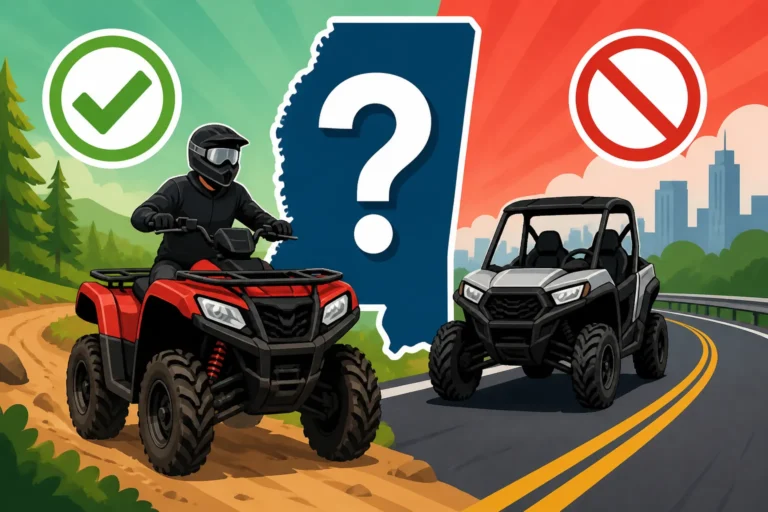
Let's not sugarcoat it: the primary reason an ATV or UTV gets impounded in Mississippi is almost always related to illegal operation on public roads. [Mississippi Bans ATVs on Public Roads] is not just a suggestion; it's the letter of the law in most places. This can be incredibly frustrating for riders who just want to get from one section of private land to another, or who live in rural areas where the nearest store is just down a quiet county road. Many riders think, "It's just a short distance," or "There's no traffic here," but unfortunately, law enforcement officers often have little discretion when it comes to state law.
The problem isn't usually how you're riding, but where. If you're on a paved highway, a gravel county road, or even a city street that hasn't specifically passed an ordinance allowing ATVs, you're technically in violation. While fines are the more common outcome for these infractions, an officer can escalate to impoundment if they deem it necessary, especially if they believe the rider is willfully disregarding the law or creating a hazard. This becomes particularly disheartening when you’ve invested in aftermarket parts, maybe from a brand like SuperATV, thinking you’re making your machine safer or more capable, only to find it doesn’t change the fundamental legality of where you can ride.
Other Potential Infractions Leading to Seizure
While illegal road use is the big one, there are other situations where an officer might decide to seize your machine, even if you’re not directly on a public thoroughfare. These often involve more serious offenses or circumstances that suggest the machine itself is problematic or involved in other criminal activity. It’s important to remember that these are usually situations where an officer is exercising significant discretion.
For example, if an ATV is found abandoned on private property without permission, and efforts to contact the owner fail, it might be impounded. Or, more seriously, if the ATV is suspected of being stolen or is found to have its Vehicle Identification Number (VIN) tampered with, it will almost certainly be impounded as evidence. Law enforcement may also impound a machine if the operator is arrested for a serious offense like DUI, especially if there's no other licensed driver to take possession of the ATV. These situations move beyond just a simple traffic stop and involve deeper legal complexities, often requiring a visit to a [Justice Court Fine] if charges are pressed.
Officer Discretion and Local Ordinances
The role of officer discretion in impoundment cannot be overstated. While state law provides the framework, individual officers, sheriffs' departments, and local police departments often have internal policies or interpretations that guide their actions. What might result in a warning or a simple citation in one county could lead to impoundment in another. This inconsistency is one of the most frustrating aspects for riders, creating a confusing patchwork of enforcement across the state.
Additionally, while [Mississippi Bans ATVs on Public Roads] generally, some towns and counties have adopted their own ordinances that allow limited ATV or UTV use on certain streets. [Mississippi Local Ordinances Are the Only Path] to legal street use. However, even within these areas, there are often strict rules regarding speed limits, time of day, and specific streets. If you're caught riding outside the bounds of a local ordinance, even within a "friendly" town, an officer might still impound your machine. It’s critical to know the specific rules for any area you plan to ride in, and if you’re unsure, assume the state law applies and avoid public roads. Asking the sheriff's office or city clerk about local rules before you ride can save you a world of trouble.
The Impoundment Process: From Stop to Storage
Once an officer decides to impound your ATV, the process typically follows a predictable, if unpleasant, sequence. Understanding these steps can help you remain calm and know what to expect, even when your emotions are running high.
The Initial Stop and Decision to Impound
It all begins with the stop. A deputy or police officer will pull you over, usually for what they perceive as illegal road operation. They'll ask for your identification and proof of ownership for the ATV. It's crucial here to remain respectful and cooperative, even if you disagree with the stop. Arguing or resisting will only complicate matters and can lead to additional charges or solidify the officer's decision to impound. The officer will typically explain the violation, which usually falls under [Mississippi Code Section 63-31-3], which outlines the prohibition of ATVs on public roads.
If they decide to impound, they will inform you. They might ask if you can arrange for someone to pick up the machine if you're on private land or very close to your destination, but on a public road, this is often not an option. Their primary concern is safety and adherence to the law. If there's no one immediately available or authorized to take possession, or if the nature of the stop (like a DUI arrest) prevents you from taking possession, impoundment becomes the default course of action. This decision is rarely made lightly, as it creates extra paperwork and logistics for the officer.
Transporting Your Machine to the Lot
Once the decision is made, the officer will arrange for a tow truck to transport your ATV or UTV to a designated impound lot. This could be a private towing company lot with whom the law enforcement agency contracts, or sometimes a county-owned facility. The tow truck operator will secure your machine, which can be concerning for owners worried about damage during transport. Documenting the condition of your ATV before it’s loaded can be helpful – take photos or video if you can safely do so without interfering with the officers.
You will typically be given a slip or paperwork that indicates where your ATV is being taken and what the initial tow charges are. This documentation is vital for retrieving your machine later. Make sure you get it and keep it safe. The costs for towing can vary significantly depending on the distance to the impound lot and the company used, and these charges start accruing immediately. Many riders who have invested in accessories like heavy-duty tires or a lift kit from a place like SuperATV suddenly find themselves worrying about these components during the tow.
The Paperwork Trail and Notification
After your machine is hauled away, a formal record of the impoundment is created. This typically includes details of the stop, the reason for impoundment, and the location where the ATV is being stored. You should be given a copy of this documentation, which will be essential when you try to reclaim your machine. Depending on the local jurisdiction and the specific circumstances, you might also receive a citation for the offense that led to the impoundment.
If you weren't present when the ATV was impounded (for example, if it was found abandoned), the law enforcement agency will attempt to notify the registered owner, often by mail. This is why having your correct contact information tied to any ownership documents is so important. If your machine is titled, even if it's a voluntary title for an older machine, this can help them identify you. [Mississippi Title Questions Collectors Hear] often revolve around ensuring accurate ownership records.
Getting Your ATV Back: Navigating the System
Retrieving an impounded ATV can be a bureaucratic headache and a financial burden. It's not a quick process, and it often involves paying multiple fees and potentially appearing in court.
Understanding Impound Fees and Daily Storage Costs
The costs associated with an impoundment add up quickly. First, there's the initial towing fee, which can be several hundred dollars depending on the tow company and distance. Then, there are daily storage fees, which accrue for every day your ATV sits on the impound lot. These can range from $25 to $50 or more per day, meaning that even a few days can significantly inflate the total bill. These fees are typically paid directly to the towing company or impound lot before they will release your machine.
It's common for owners to feel a surge of frustration when faced with these costs. You're essentially paying for the "privilege" of having your own machine held against your will, on top of any fines from the citation itself. Because these fees aren't set by the state but by private companies or local agreements, there's often little room for negotiation. Delaying retrieval only makes the situation worse, as the daily storage fees continue to mount. Knowing this ahead of time reinforces the importance of acting quickly.
Required Documentation and Proof of Ownership
Before any impound lot will release your ATV, you'll need to prove you're the rightful owner. This usually means presenting a valid form of identification (like a driver's license), along with proper documentation for the ATV itself. This could be a [Mississippi Bill of Sale for a Used Machine], a [Mississippi Manufacturer's Certificate of Origin] for a new one, or a Mississippi title if your machine is titled. If you have an out-of-state machine, you'll need its registration or title.
Some impound lots may also require you to present the original impoundment paperwork given to you by the officer. It's crucial to gather all these documents before heading to the impound lot to avoid a wasted trip. Without proper proof of ownership, they simply cannot release the machine, regardless of how much you want it back. If your original paperwork for the machine is lost, you might need to explore options like a [Mississippi Title Bond Procedure] if you want to apply for a title before retrieval.
The Legal Side: Fines and Court Appearances
Retrieving your ATV from the impound lot is only one part of the battle. You will likely also have to deal with the legal consequences of the offense that led to the impoundment. If you received a citation for illegal road use or another violation, you'll need to pay the fine or appear in court. [Mississippi Fines for Road Riding] are typically modest, but court costs can add to the total. Ignoring a citation will lead to further legal trouble, including potential warrants or increased penalties.
It's wise to address the citation promptly. Sometimes, addressing the court case first can clarify any holds on the vehicle, though usually, the impound lot operates independently on payment of their fees. If you believe the impoundment was unjustified or unlawful, you might need to consult with an attorney. However, challenging the legality of the stop or impoundment is a separate process from simply getting your machine out of storage, and you'll still likely need to pay the impound fees to retrieve your ATV while your legal challenge progresses.
Here's a simple breakdown of the retrieval process:
| Step | Description | Required Action | Potential Cost |
|---|---|---|---|
| 1. Identify Impound Location | Find out where your ATV was taken (tow yard, police lot). | Refer to impound slip or call law enforcement. | N/A |
| 2. Gather Documentation | Collect proof of ownership (title, MCO, bill of sale) and personal ID. | Secure physical documents. | N/A |
| 3. Pay Outstanding Fines/Fees | Settle any police/court fines associated with the stop. This might be a prerequisite for release. | Visit court or police station to pay citation. | Varies (e.g., [Mississippi Fines for Road Riding]) |
| 4. Pay Impound/Towing Fees | Pay the towing and daily storage fees directly to the impound lot. | Visit impound lot; cash, card, or certified funds often required. | Towing Fee + Daily Storage Fee (e.g., $25-50+/day) |
| 5. Arrange Transport | Plan how you will get your ATV home, as you cannot ride it off the lot. | Bring a truck and trailer or arrange for another tow. | Fuel, rental trailer, or second tow fee |
| 6. Retrieve ATV | Physically pick up your machine from the impound lot. | Inspect ATV for damage before leaving the lot. | N/A |
Avoiding Impoundment: Prevention is Key
The best way to deal with an impoundment is to prevent it from ever happening. It requires vigilance, education, and responsible riding practices.
Know the Law and Local Ordinances
Ignorance of the law is never a valid excuse, especially when it comes to expensive equipment like an ATV. Take the time to understand Mississippi's state laws regarding off-road vehicles. This includes [Mississippi Code Section 63-31-3], which clearly states the prohibition on public roads. Beyond state law, research any local ordinances for areas you plan to ride in. Many towns, like Hattiesburg or Ocean Springs, have specific rules for golf carts or UTVs, but these rarely extend to traditional ATVs.
It's not enough to just know that there's a ban; understand why it exists and what the potential penalties are. A quick call to the local sheriff's office or city clerk's office in the area you intend to ride can provide invaluable clarity. Don't rely on hearsay from fellow riders; get the facts straight from official sources. This proactive approach can prevent a costly mistake.
Ride Legally and Responsibly
This might seem obvious, but riding legally and responsibly is your absolute best defense against impoundment. This means avoiding public roads unless a specific, well-researched local ordinance explicitly allows it. Stick to designated trails in national forests like the De Soto National Forest, private parks like Red Creek Off-Road, or private land where you have explicit permission. [Mississippi WMA Designated Roads Only] rules apply to wildlife management areas, meaning you can't just wander off the path.
If you absolutely must cross a short stretch of road to get from one section of private property to another, consider loading your machine onto a trailer or driving around. While many riders take the chance, remember that doing so makes you vulnerable to a stop and potential impoundment. Always carry proof of ownership, a valid ID, and any relevant permits (like a [Mississippi Forest Pass Cost] if applicable) when you ride. [What a Mississippi Deputy Can Ask to See] includes these documents, so being prepared can make any stop go more smoothly.
Equipping Your Machine for Public Land (where allowed)
In the rare instances where a local ordinance does permit some form of ATV or UTV use on public roads, you'll likely face specific equipment requirements. These might include headlights, taillights, brake lights, turn signals, mirrors, and even a windshield. Many owners turn to aftermarket suppliers like SuperATV for these kinds of accessories to make their machines compliant and safer.
Even if you're riding exclusively off-road, having certain equipment can still be a good idea for safety and for showing responsible ownership. A properly functioning exhaust system with a spark arrestor is often required on public trails, for instance. While equipment alone won't make an illegal ride legal, having your machine well-maintained and outfitted for the type of riding you're doing reflects positively on you as an owner and shows you take safety and compliance seriously. Just remember, these modifications don't override state law; they only prepare you for the limited instances where road riding might be permitted by local authorities.
Disclaimer
This article is for general informational purposes only and does not constitute professional advice. Laws, prices and regulations vary by location and change over time. Consult a qualified professional for guidance on your specific situation.