Riding Under the Influence on Southern Private Ground
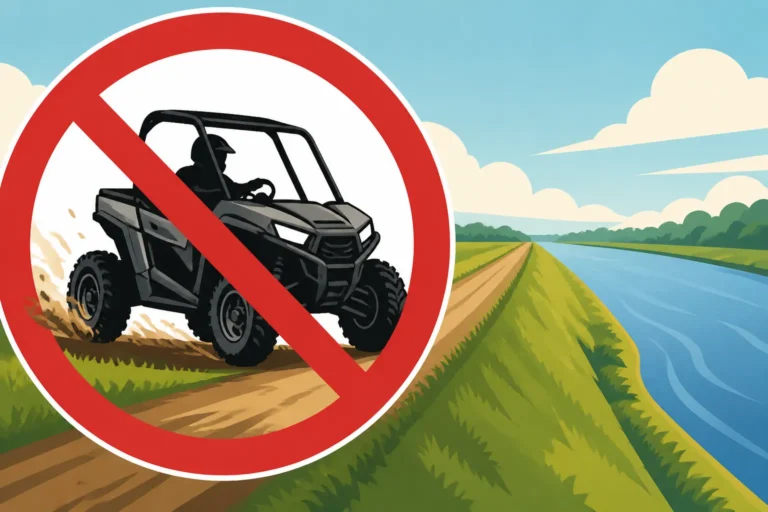
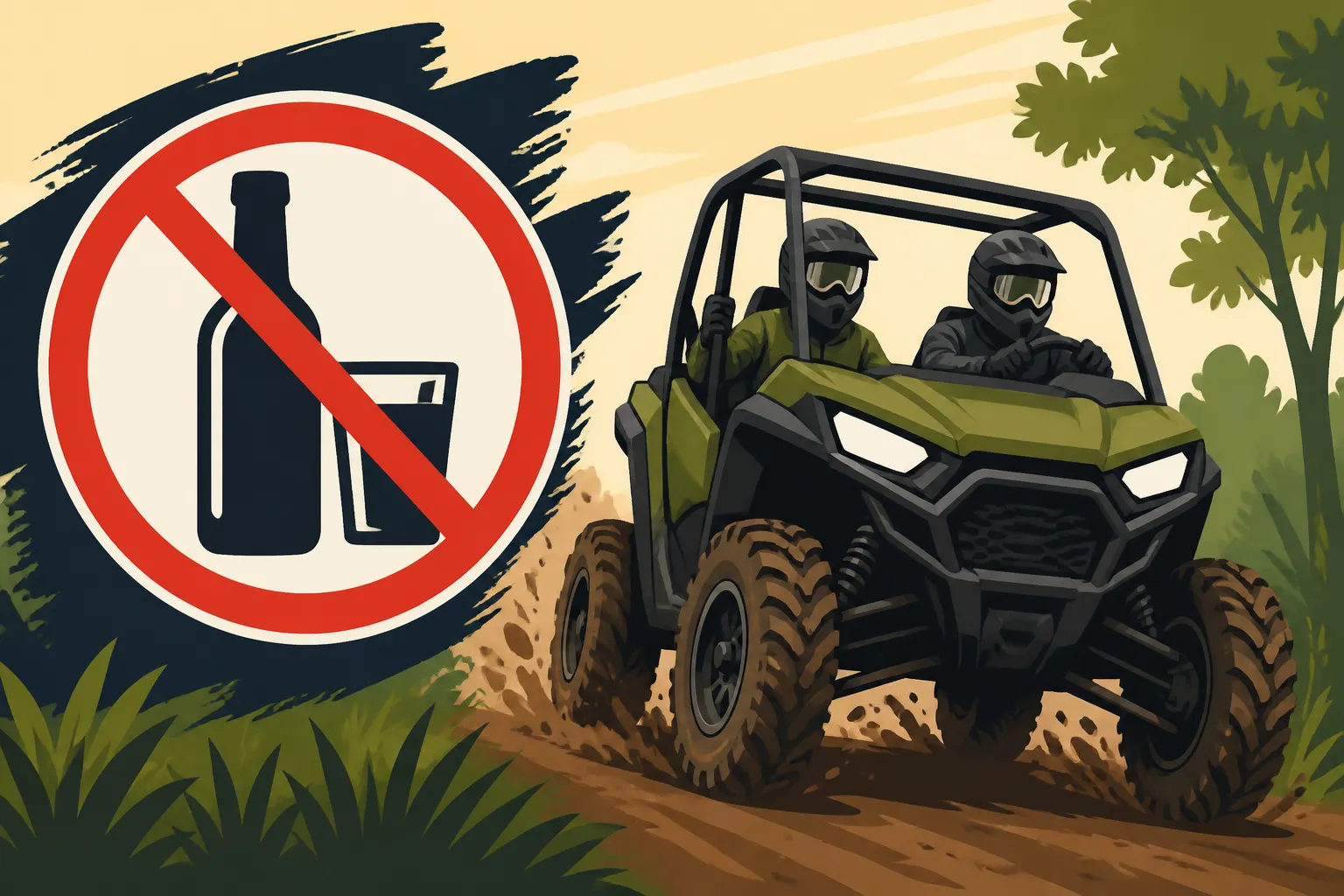
We've all been there, enjoying the vast open spaces of a friend's private land, maybe a hunting lease, or even your own sprawling back forty. The sun's shining, the trails are calling, and someone suggests cracking open a cold one. The thought crosses your mind: "I'm not on a public road, so what's the harm in a few drinks before I take the quad out?" This is a common and dangerous misconception among off-road enthusiasts in Mississippi, and understanding why it's a terrible idea, both legally and practically, is crucial for everyone's safety. This guide will dive deep into the real dangers and consequences of riding an ATV or UTV under the influence on private ground.
The Illusion of Immunity: Why Private Land Isn't a Free Pass
It's easy to fall into the trap of thinking that once you're off the pavement and onto private property, all the rules melt away. We often associate "DUI" with public roads, police checkpoints, and traffic stops. However, the legal landscape in Mississippi for operating vehicles, including off-road machines, while impaired is much broader than many realize. That sense of immunity you might feel when you're on your own property or a friend's land can be a dangerous illusion, leading to severe consequences that extend far beyond a traffic ticket.
Many riders mistakenly believe that unless they are actively operating their machine on a state highway, county road, or city street, the laws regarding driving under the influence simply don't apply. This simply isn't true. While the specific statutes might differ slightly, the spirit of the law, and often the letter of it, aims to prevent impaired operation of any motorized vehicle, regardless of where it's being driven. The risks associated with impaired judgment, slowed reaction times, and poor coordination don't magically disappear just because you're riding through a pine forest instead of down Main Street.
What Constitutes "Operating" Under the Influence Off-Road
In Mississippi, the definition of "operating" a vehicle under the influence isn't strictly confined to a public thoroughfare. The core idea behind DUI laws is to prevent dangerous behavior that puts the operator and others at risk. This means if you're behind the handlebars of an ATV or the wheel of a side-by-side on private property, and you're under the influence of alcohol or drugs to the extent that your normal faculties are impaired, you could still be facing serious charges. It's not about where you are, but what you're doing and how you're doing it.
Consider a scenario where you're at a large hunting camp party. You've had a few beers and decide to take your UTV for a spin around the property to grab more firewood from the back forty. Even though you're on private land, if you cause an accident, injure yourself or someone else, or a law enforcement officer is called to the scene for any reason (perhaps a noise complaint or a medical emergency), your impairment will absolutely become a central issue. The fact that it's private land might influence how the charges are handled, but it certainly won't make them disappear. Remember, a sheriff's deputy often has jurisdiction over private land if there's a crime or serious incident. [Mississippi DUI Law and Off-Road Machines] explicitly states that these laws apply more broadly than many think.
The Myth of "No Police on Private Land"
Another common misconception is that law enforcement officers cannot enter private property without an invitation or a warrant. While there are certain protections against unreasonable searches and seizures, officers can and do respond to calls on private land for emergencies, disturbances, or suspected criminal activity. If an accident occurs on private land involving an impaired rider, and emergency services are called, law enforcement will likely be part of the response.
Imagine a situation where you or a friend have an accident after drinking on a secluded piece of timberland. If someone is seriously injured, paramedics will be called, and with them, often local law enforcement. When they arrive and find an impaired individual involved in the operation of an ATV or UTV, they are obligated to investigate. It doesn't matter if it's your grandmother's farm or a massive hunting club property; if there's evidence of impaired operation and an incident, a deputy will get involved. This can quickly turn a fun weekend into a legal nightmare, even if you never so much as touched a public road.
The Legal Ramifications: It's Not Just About Public Roads
When we talk about riding under the influence, the immediate thought for many is a traditional DUI charge, complete with license suspension and hefty fines. And while off-road vehicles don't require a driver's license in the same way cars do for public road use, the legal system still has ways to penalize impaired operators. The consequences can be just as, if not more, impactful, especially when you factor in property damage, personal injury, and even potential civil lawsuits.
Mississippi's laws are designed to deter dangerous behavior, and operating heavy machinery while impaired, regardless of the terrain, fits that bill. The penalties can be severe, affecting your finances, your freedom, and even your ability to drive your personal vehicle on public roads.
Penalties for Impaired Off-Road Operation
While Mississippi doesn't register ATVs in the same way it does cars, and therefore you won't lose an "ATV driver's license" for off-road DUI, the state's comprehensive DUI statutes can still apply. Depending on the specific circumstances and how the charges are filed, you could face:
- Fines and Court Costs: These can be substantial, often ranging from hundreds to thousands of dollars, plus various court fees. This money quickly adds up, making an expensive lesson out of a poor decision.
- Jail Time: For repeat offenses or incidents involving serious injury or death, jail time is a very real possibility. Even a first offense could carry some jail time, depending on the specifics and the judge.
- Loss of Public Road Driving Privileges: This is a crucial point many off-road riders overlook. If you are convicted of DUI, even if the incident occurred on private land while operating an ATV, it could absolutely impact your standard driver's license. The state views impaired operation of any motorized vehicle seriously, and a conviction can lead to the suspension or revocation of your driver's license for your car or truck. Suddenly, getting to work or running errands becomes a huge challenge.
- Mandatory Education/Treatment: Many DUI convictions require participation in alcohol or drug education programs, which come with their own costs and time commitments.
- Criminal Record: A conviction for impaired operation leaves a permanent mark on your criminal record, which can affect future employment, housing, and other opportunities.
This isn't about some obscure, rarely enforced statute; it's about core public safety principles. The state's legal framework for impaired driving often covers any "vehicle," and that can definitely include your off-road machine. Consider the information in [Mississippi Fines for Road Riding] – while those are for road incidents, they give you a sense of the financial pain involved in violating vehicle laws.
Civil Liability and Insurance Nightmares
Beyond criminal charges, perhaps one of the most devastating consequences of riding under the influence on private land is the potential for civil liability. If you cause an accident while impaired, and someone else is injured or their property is damaged, you could be sued. This is where things can get incredibly expensive, quickly draining your savings and potentially putting your assets at risk.
Your insurance policy, if you have one, might not cover incidents that occur while you're operating your ATV or UTV under the influence. Most insurance policies have clauses that exclude coverage for damages or injuries resulting from illegal activities, and impaired driving certainly falls into that category. This means if you cause $50,000 in medical bills for a friend or completely wreck their brand new SuperATV equipped side-by-side, you could be personally responsible for every single penny. [Mississippi Has No Insurance Mandate], so many riders don't carry ATV insurance, leaving them completely exposed to these massive financial risks. Even if you have comprehensive coverage, riding impaired could void your claim, leaving you high and dry. [Mississippi Insurance After a Southern Collision] details just how important this coverage is, and how easily it can be compromised by illegal acts.
| Consequence Type | Potential Impact | Private Land Applicability |
|---|---|---|
| Criminal | Fines, Jail, License Suspension, Criminal Record | High – Mississippi's DUI laws can extend to off-road vehicles on private land. |
| Civil | Lawsuits, Personal Responsibility for Damages/Injuries | Very High – Insurance often voids coverage if operator is impaired. |
| Personal | Injury, Death, Loss of Property, Reputational Damage | Extremely High – Impairment severely increases accident risk. |
| Social | Strained Relationships, Exclusion from Riding Groups | High – Friends and family may lose trust or refuse to ride with you. |
Beyond the Law: The Very Real Dangers and Consequences
While the legal and financial repercussions are significant, it's crucial to remember that the most immediate and tragic consequences of riding under the influence on private land are often physical. ATVs and UTVs are powerful machines, and even sober, experienced riders can find themselves in challenging situations. Add alcohol or drugs into the mix, and the risk of a serious accident skyrockets, often with devastating outcomes.
The temptation to relax and let loose in a "safe" environment is understandable, but that feeling of safety is entirely false when your judgment is impaired. The very features that make your machine fun and capable – speed, power, suspension travel, and the ability to traverse uneven terrain – become amplified dangers when you're not fully in control.
Increased Risk of Accidents and Injury
Alcohol impairs judgment, slows reaction time, and diminishes coordination and balance – all faculties absolutely essential for safe ATV/UTV operation. Navigating trails, even familiar ones, requires constant vigilance, quick decisions, and precise control. A slight miscalculation, a hidden root, a sudden dip, or an unexpected obstacle can turn a pleasant ride into a catastrophic crash.
Consider a rider who’s had too much to drink trying to navigate a narrow section of trail at dusk. Their vision might be blurry, their depth perception off, and their reaction time delayed. They might not see a downed log or a sharp turn until it's too late. The result could be a rollover, a collision with a tree, or a tumble down an embankment. Injuries range from broken bones and concussions to spinal injuries, internal damage, or even death. These aren't just statistics; they're life-altering events that happen far too often. [Mississippi Accident Reporting for an ATV Crash] is a stark reminder of these possibilities.
It's not just the rider who is at risk. Passengers, often friends or family, are also vulnerable. If you're riding a side-by-side with a passenger, or even a two-up ATV, their safety is entirely in your hands. An impaired driver puts everyone on board in extreme peril. Even if you're alone, a severe injury could leave you stranded and unable to call for help, especially in remote areas where cell service might be spotty.
Property Damage and Environmental Impact
Beyond personal injury, impaired riding significantly increases the risk of property damage. This could be to your own expensive machine, to a friend's property, or even to the land itself. Crashing into a fence, driving through a sensitive natural area, or destroying valuable equipment are all possibilities when operating under the influence.
Imagine you've invested in some serious upgrades for your UTV – perhaps a lift kit, new tires, and a heavy-duty bumper from SuperATV. All of that can be destroyed in an instant during an alcohol-fueled mistake. Beyond your own machine, you could damage someone else's ATV, a structure, or even sensitive environmental areas. Mud bogging through a wetland while impaired can not only damage the ecosystem but also lead to additional legal trouble if done on someone else's property without permission. The respect for private property, often a cornerstone of why riders enjoy these spaces, vanishes with impaired judgment. [Mississippi Trespass Law for Riders] highlights how quickly these lines can be crossed.
Long-Term Consequences and Regret
The repercussions of impaired riding extend far beyond the immediate aftermath of an incident. A serious injury could mean months, even years, of rehabilitation, lost wages, and a diminished quality of life. The emotional toll on friends and family can be immense, dealing with guilt, grief, and the strain of medical expenses.
A criminal record can haunt you for years, affecting job prospects, educational opportunities, and even your ability to travel. Financially, you could be saddled with medical bills, legal fees, and civil judgments that take decades to pay off. What seemed like a harmless decision on private land can become a permanent stain on your life, filled with regret and consequences that never truly fade. The casual nature of [Alcohol at a Southern Mud Park] often belies the very serious risks involved.
Making Responsible Choices for a Safe Ride
The good news is that these negative outcomes are entirely preventable. By making responsible choices, you can enjoy your ATV or UTV to the fullest, ensure the safety of yourself and those around you, and avoid the devastating consequences of impaired riding. It all comes down to planning, discipline, and a clear understanding that safety always comes first, no matter where you're riding.
Riding an off-road machine is an exhilarating experience, a way to connect with the outdoors and enjoy some serious horsepower. There's no reason to jeopardize that enjoyment or anyone's well-being by mixing it with alcohol or drugs.
Separate Riding from Drinking
The simplest and most effective solution is to keep riding and drinking entirely separate. If you plan to ride your ATV or UTV, don't drink. If you plan to drink, don't ride. It's a clear boundary that eliminates all ambiguity and risk.
This might mean designating a sober driver for the UTV shuttle around the camp, or simply deciding that once the adult beverages come out, the keys to the machines go away until the next day. If you're at a gathering where alcohol is present, make a conscious decision early on about whether you'll be riding or drinking, and stick to it. Many riding groups enforce a strict "no alcohol while riding" policy, even on private land, for precisely these reasons. They understand that the risks are too high to take chances, regardless of the setting.
Plan Ahead and Designate Sober Operators
If your plans involve both riding and socializing with alcohol, plan accordingly. Assign designated sober operators for any essential machine tasks, like retrieving gear or moving machines. This person commits to staying sober throughout the day or evening to ensure that anyone who needs to operate an ATV or UTV can do so safely and legally.
This is especially important on larger properties or at events like hunting camp gatherings or mud park weekends where people might be moving machines around throughout the day and evening. Make it clear to everyone in your group that safety is paramount. Having a friend willing to be the designated sober rider is a sign of true camaraderie and responsibility, not a party pooper. When your machines are equipped with top-tier recovery gear like a winch from SuperATV, it's for getting out of tough situations on the trail, not for pulling your buddy out of a ditch after they’ve had too much to drink.
Educate Yourself and Others
Knowledge is power. Understanding Mississippi's laws regarding off-road vehicles and DUI, even on private land, is the first step. Share this information with your riding buddies, family members, and anyone else who might be tempted to mix drinking and riding. Many people genuinely don't know the extent of the laws or the severity of the consequences.
Encourage participation in ATV safety courses, especially for younger or less experienced riders. These courses emphasize safe riding practices, decision-making, and the dangers of impairment. [Mississippi Safety Course Certificates] are not just for kids; they offer valuable refreshers for all riders. The more everyone understands the risks, the more likely they are to make responsible choices. Leading by example, by always riding sober, is one of the most powerful forms of education you can offer.
Create a Safe Environment
If you host riding activities on your private land, establish clear rules about alcohol consumption and machine operation. Make it known upfront that impaired riding will not be tolerated. This might mean having a designated "no alcohol" zone for machines, or simply storing keys for anyone who is drinking.
Ensuring a safe environment also means properly maintaining trails, marking hazards, and providing clear communication about boundaries and rules. While these don't prevent impaired riding, they reduce overall risks, making any potential incident less severe. For group rides, especially at events, having a buddy system in place, or even a lead and sweep rider who stay sober, can add an extra layer of protection. This way, if someone does make a poor choice, there's a greater chance they'll be looked after before a real crisis occurs.
Riding ATVs and UTVs in Mississippi, especially on private land, offers incredible freedom and enjoyment. Let's make sure that freedom isn't jeopardized by irresponsible decisions. Stay safe, stay sober, and keep those wheels turning for many years to come.
Disclaimer
This article is for general informational purposes only and does not constitute professional advice. Laws, prices and regulations vary by location and change over time. Consult a qualified professional for guidance on your specific situation.