Dust on a Southern Gravel Road
Oh, the joy of hitting a beautiful stretch of southern gravel road on your ATV or UTV… right up until that massive plume of dust engulfs you and everyone behind you! It’s a reality for so many of us in Mississippi, especially during those long, dry spells, and it can really put a damper on what should be an epic ride. This guide is all about tackling that ever-present dust – understanding why it’s such a beast, how it impacts both you and your machine, and most importantly, what practical steps you can take to minimize its effects and keep those adventures enjoyable.
The Ubiquitous Southern Gravel Road and Its Dust Problem
Riding through Mississippi often means encountering a variety of terrain, and gravel roads are a common artery connecting towns, hunting camps, and trailheads. While they offer a quick way to cover ground, they also come with a uniquely southern challenge: dust.
Why Southern Gravel Roads Get So Dusty
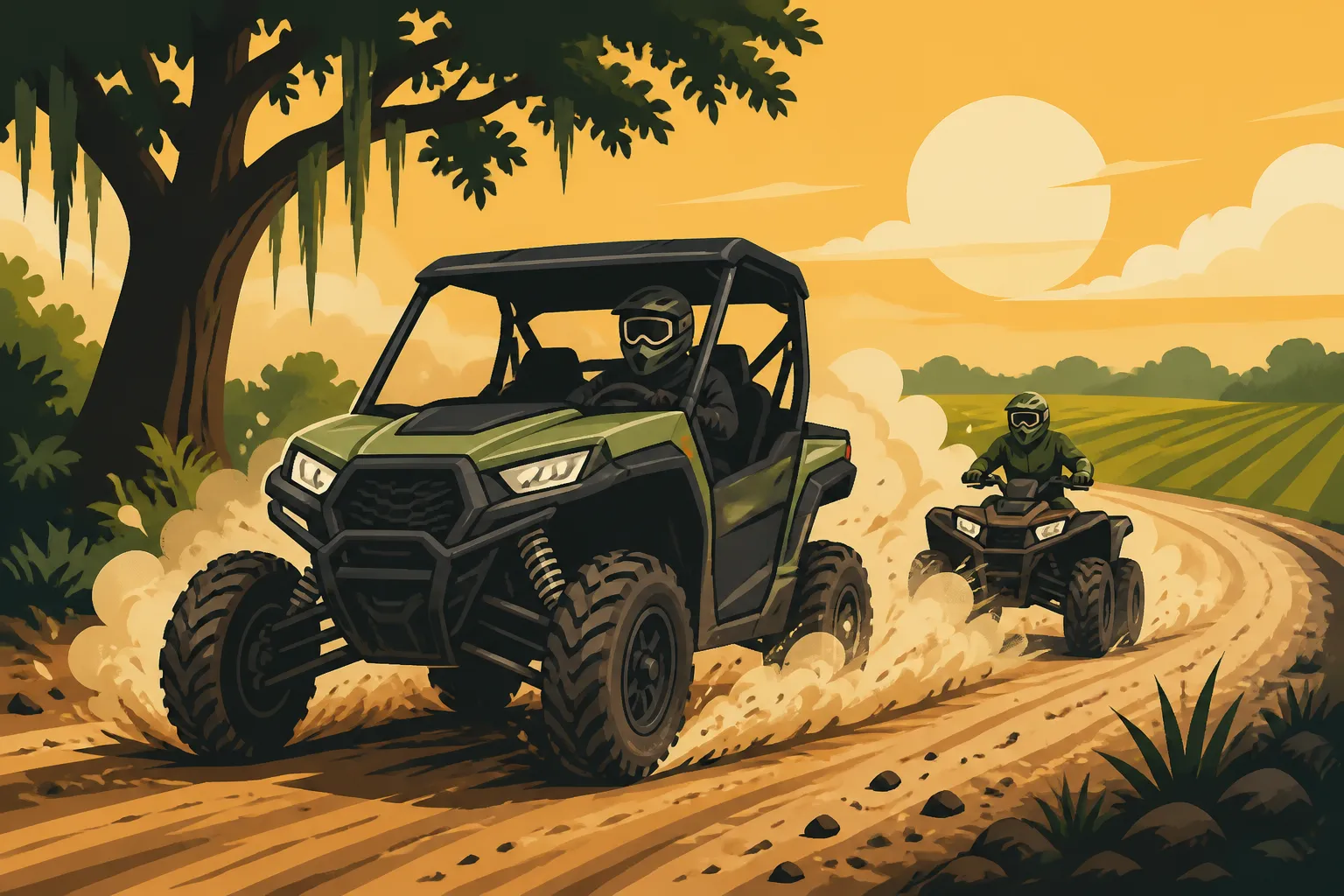
You know that feeling when you drive down a gravel road and suddenly you’re in a brown cloud so thick you can barely see the machine in front of you? It’s not just your imagination; there’s a reason southern gravel roads seem particularly prone to it. A lot of our local gravel is composed of crushed limestone and various aggregated materials, often mixed with a healthy dose of clay. When this material is laid down and subjected to constant traffic from vehicles of all sizes – from your UTV to an F-150 to heavy logging trucks – those fine, silty particles get pulverized and kicked up.
During the drier months, which can last for weeks or even months here in the South, there's simply not enough moisture to bind those particles together. The sun bakes the road, the humidity drops, and every passing tire becomes a little dust storm generator. It’s a vicious cycle: traffic stirs up dust, the wind carries it, and the sun keeps everything bone dry. For those of us using these roads to get to our favorite fishing spots, deer stands, or just to access the next section of trail, it’s a constant battle against reduced visibility and a grimy film that seems to stick to everything.
The Immediate Impact of Dust on Riders and Machines
When that dust cloud hits, it’s not just an aesthetic nuisance; it’s a real problem for both your comfort and your machine’s longevity. Let's be honest, nobody likes eating dirt, literally.
For riders, the most immediate and dangerous impact is a severe reduction in visibility. If you’re riding in a group, the rider in front can disappear in a brown haze, making it incredibly hard to see them, obstacles, or oncoming traffic. This is a huge safety concern on any road, especially where you might encounter larger vehicles or blind curves. Beyond safety, dust causes respiratory irritation. You breathe it in, and it can lead to coughing, sneezing, and an unpleasantly gritty feeling in your throat and lungs. Your eyes will also suffer; even with glasses, fine dust particles can find their way in, causing discomfort, tearing, and stinging. And let's not forget the general grittiness on your skin, hair, and clothing that just feels…well, dirty.
Your machine takes a beating too. The most vulnerable component is often the air filter. A clogged air filter starves your engine of oxygen, leading to reduced performance and eventually, potential engine damage if the dust makes it past the filter. Beyond the engine, dust acts as an abrasive. It can work its way into moving parts like bearings, bushings, and chains, accelerating wear and tear. Your radiator fins can get packed with fine dust, reducing their ability to cool the engine and potentially leading to overheating, especially on a hot Mississippi afternoon. And, of course, everything gets covered in a thick layer of grime, making your shiny machine look like it’s been dragged through a dirt pit, demanding a thorough cleaning after every dusty excursion. It's a frustrating reality for many of us who take pride in our quads and side-by-sides.
Mitigating Dust: Strategies for a Better Ride
Facing down those dust clouds might seem like an unavoidable part of southern riding, but there are definitely strategies you can employ to make the experience safer and more comfortable for both you and your machine.
Rider Protection and Safety Gear
Your personal comfort and safety should always be paramount, especially when visibility is compromised. Proper gear can make a world of difference.
First and foremost, a full-face helmet with a good visor is crucial. Not only does it protect your head, but a clear, scratch-resistant visor will keep the majority of dust out of your eyes. Look for helmets with good ventilation to help prevent fogging, or consider a visor with an anti-fog coating. If you prefer an open-face helmet, or if your visor is scratched, a quality pair of goggles is non-negotiable. Again, anti-fog and scratch-resistant lenses are your best friends here. Some riders even opt for tear-offs or roll-offs, just like motocross racers, for extreme dust conditions, though this might be overkill for casual gravel road use. It’s important to remember that [Mississippi Helmet Law for Riders Under 16] requires helmets for younger riders, but we all benefit from that protection regardless of age.
Beyond your head, protecting your respiratory system is key. A simple bandana or neck gaiter pulled up over your nose and mouth can block a lot of the larger dust particles. For more serious protection, consider a specialized dust mask or respirator designed for outdoor activities. These often have replaceable filters and provide a much better seal, significantly reducing the amount of fine particulate matter you inhale. Finally, appropriate clothing like long sleeves and pants will minimize skin exposure to dust and sun, helping you stay cleaner and more comfortable. When riding in a group, remember to maintain proper distance and consider staggered riding to minimize each other's dust exposure, and always use hand signals or radios to communicate hazards if visibility drops.
Machine Modifications and Maintenance Adjustments
Your ATV or UTV also needs some extra love and attention when you're frequently tackling dusty gravel roads. Small changes and regular maintenance can significantly extend the life of components and improve your riding experience.
The air filtration system is your machine's first line of defense against dust, and it takes the brunt of the abuse. Consider upgrading to a higher-quality aftermarket air filter designed for dusty conditions. Brands like SuperATV offer robust filters that can handle more particulate matter. Even better, look into pre-filters, which are typically foam covers that go over your main air filter. They catch the larger dust particles before they even reach your primary filter, making both easier to clean and extending the life of your main filter. In truly dusty environments, you might need to clean or replace your air filter much more frequently than the manufacturer's recommendations. Seriously, pull it out and check it after every few dusty rides!
For UTVs, windshields and rear dust panels are game-changers. A full windshield will protect you and your passengers from direct dust clouds, though you’ll need to clean it frequently to maintain visibility. Half-windshields or flip-out options offer a compromise between protection and airflow. Adding a rear dust panel or enclosure to your UTV is a fantastic idea, especially if you carry passengers or cargo in the bed. This simple addition drastically reduces the vacuum effect that pulls dust into the cab from the rear, making for a much more pleasant ride.
Don't forget your radiator. Dust-packed fins are less efficient at dissipating heat, which can lead to overheating. Regularly clean your radiator with a low-pressure hose or compressed air. Some riders install radiator screens to prevent larger debris, but remember that fine dust can still pass through, so manual cleaning is still necessary. Also, keep an eye on your chassis and suspension components. Regularly lubricate grease points and inspect seals for cracks or damage where dust and grit could ingress. While [Mississippi Maintenance Costs Per Year] can vary wildly, preventative measures like these are almost always cheaper than major repairs down the line.
| Mitigation Category | Rider Protection | Machine Modifications | Maintenance Adjustments |
|---|---|---|---|
| Purpose | Personal Safety, Comfort | Direct Dust Barrier, Component Protection | Proactive Component Longevity |
| Key Strategies | Full-face helmet/goggles, Dust mask/gaiter, Long sleeves/pants, Maintain distance in groups | Windshields (full/half), Rear dust panels/enclosures, Aftermarket air filters, Pre-filters, Radiator screens | Frequent air filter cleaning/replacement, Regular radiator cleaning, Lubrication of moving parts, Seal inspection |
| Benefits | Improved visibility, Reduced respiratory irritation, Eye protection, Less grime on skin/clothes | Reduced dust ingress into cab/engine, Extended air filter life, Less abrasive wear on components | Enhanced engine performance, Reduced overheating risk, Longer component lifespan, Fewer unexpected repairs |
| Considerations | Can be hot in summer, May require frequent cleaning of visors/goggles, May limit communication | Windshields can scratch, May reduce airflow, Requires installation, Can add cost | Requires diligent routine, Can be time-consuming after every ride, Need proper cleaning techniques |
| Example Brand | Klim, Fox Racing (helmets/goggles), Respro (masks) | SuperATV (windshields, dust panels, filters) | (General best practices for all brands) |
Long-Term Care and Trail Etiquette in Dusty Environments
Navigating dusty gravel roads isn't just about what you do during the ride; it's also about what you do before and after. Thoughtful cleaning and mindful riding practices contribute significantly to both your experience and the health of your machine.
Post-Ride Cleaning and Preventative Measures
After a particularly dusty ride, your ATV or UTV is going to be coated in a fine, gritty film. Ignoring it is asking for trouble down the line. A thorough post-ride cleaning routine is essential. Start by carefully removing your air filter and cleaning it according to its type – either washing it with specialized cleaner for foam filters or using compressed air (from the inside out!) for paper filters. Never blast paper filters directly from the outside, as it can embed dust deeper into the fibers.
Next, focus on the exterior. A gentle rinse to get the bulk of the loose dirt off is a good start. Then, use a pressure washer (with caution around electronics, bearings, and seals!) or a strong garden hose with a scrub brush to tackle the caked-on grime, paying special attention to the chassis, suspension components, and radiator fins. For your body panels, a good ATV/UTV-specific wash will help remove the dust without dulling the finish. Regularly waxing or applying a protective spray to your plastics can also make future cleaning much easier, as dust and mud will have a harder time sticking.
While cleaning, make it a habit to inspect for wear and tear. Look for signs of abrasion on cables, hoses, and suspension components. Check your wheel bearings for excessive play and ensure all seals look intact. This proactive approach helps you catch small issues before they become expensive problems caused by dust infiltration. As an example, cleaning sand out of your machine is a similar process, and you can get more tips from our guide on [Washing Sand Out of a Southern Machine].
Group Riding and Dust Etiquette
Dust isn't just a personal problem; it's a shared experience, especially when riding with others. Practicing good group riding and dust etiquette can make the trip more enjoyable and safer for everyone involved.
The most critical rule is to maintain proper distance between machines. While it’s tempting to ride close, especially on a fast stretch, doing so means the rider behind you is constantly enveloped in your dust cloud, severely impacting their visibility and comfort. A good rule of thumb is to allow enough space so that if the rider in front of you suddenly stops, you have ample time and space to react without entering their dust trail. Riding in a staggered formation (one rider on the left side of the trail, the next on the right, and so on) can also help spread out the dust more evenly and improve visibility for everyone.
Communication is also vital. Use hand signals or radios to alert riders behind you to sudden stops, hazards, or changes in speed. If you’re leading the group, be mindful of how much dust you’re kicking up, especially on winding roads or when passing other vehicles. A little common courtesy goes a long way. This includes being respectful to landowners and residents along gravel roads. Slowing down when passing homes, farms, or driveways will significantly reduce the amount of dust you kick up, showing respect for their property and potentially preventing complaints. Remember that [Sharing a Gravel Road With Loaded Log Trucks] also requires similar awareness and courtesy. While the specific guidance for [Riding Etiquette at a Southern Mud Park] might focus on different terrains, the underlying principles of respect and safety apply universally to all group riding.
Disclaimer
This article is for general informational purposes only and does not constitute professional advice. Laws, prices and regulations vary by location and change over time. Consult a qualified professional for guidance on your specific situation.