Mississippi Rules for a Teen Rider
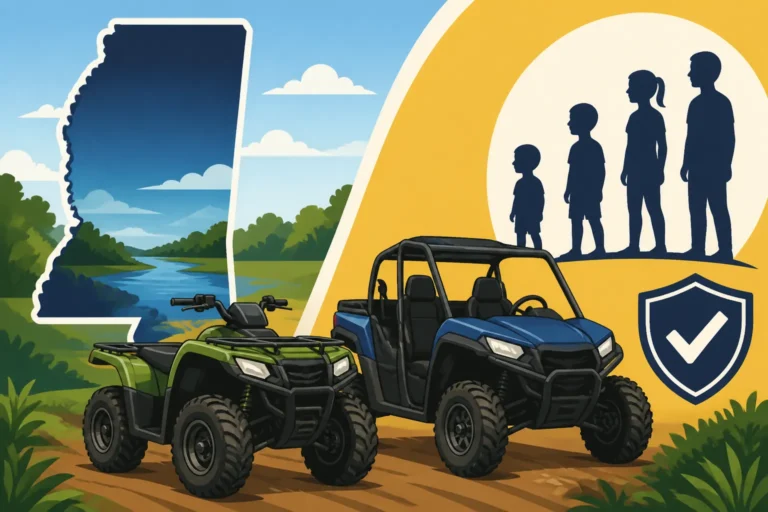
Trying to figure out what rules apply to your teen rider on an ATV in Mississippi can feel like trying to navigate a mud pit blindfolded. Parents want their kids to be safe and legal, but the laws here in the Magnolia State aren't always crystal clear, especially when it comes to off-road vehicles. This guide is here to shed some light on the specific regulations and best practices you need to know to ensure your young rider has fun responsibly and stays on the right side of the law.
Understanding Mississippi's Basic ATV Road Rules
Let's get this out of the way upfront, because it’s often the biggest point of confusion and frustration for riders and their families: Mississippi state law is extremely restrictive when it comes to ATVs on public roads. Many parents imagine a scenario where their child could ride their quad down a quiet county road to a friend's house, but that's simply not allowed under state statute.
The Statewide Ban on Public Roads
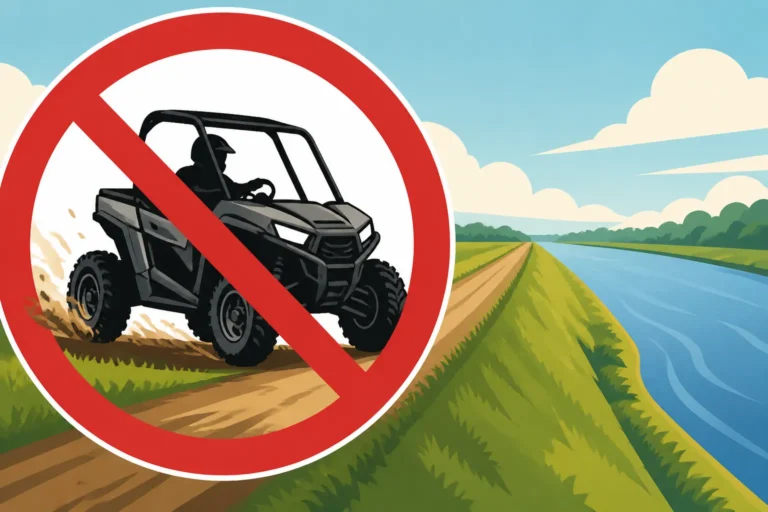
Mississippi's off-road vehicle law, specifically [Mississippi Code Section 63-31-3], states pretty clearly that ATVs and UTVs are not allowed on public roads, streets, or highways. This isn't just a suggestion; it's a flat-out ban. This means that a deputy can stop a rider, regardless of age, for simply being on a paved or gravel public road. It can be incredibly frustrating for families, especially in rural areas where roads might seem deserted. You might think, "Who's it hurting if my kid rides to the mailbox?" but the law makes no exceptions for such brief jaunts. It’s a blanket prohibition that covers everything from busy highways to the quietest backroads. This creates a real challenge for many riders who just want to get from point A to point B without trailering.
Limited Exceptions and Local Ordinances
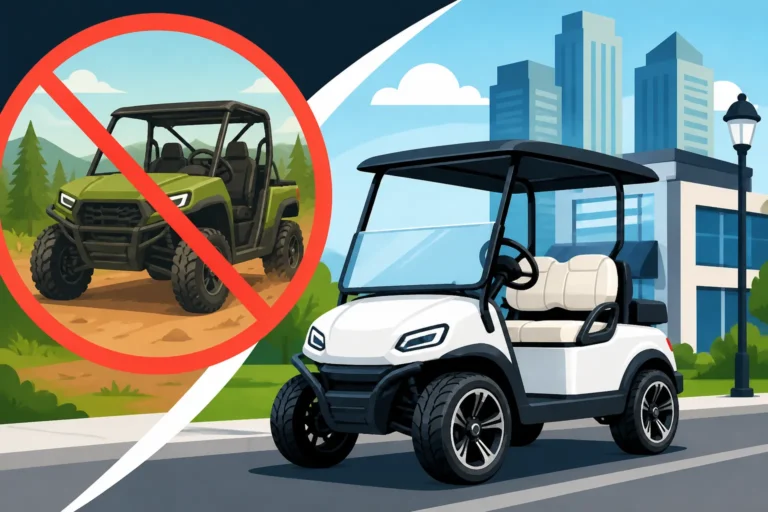
Now, like anything, there are always nuances. The statewide ban does have a few, very specific, and limited exceptions, such as crossing a highway (not riding alongside it) or for specific agricultural purposes, but these are generally narrow and don't apply to recreational riding by teens. The most significant "exception" for road use comes from local ordinances. Some cities and towns in Mississippi have passed their own ordinances that allow certain types of off-road vehicles, often golf carts or low-speed vehicles (LSVs), on specific local streets. However, these ordinances rarely extend to full-fledged ATVs or UTVs, and even when they do, they come with very strict conditions, such as speed limits, specific hours, and designated streets. It’s crucial to understand that a city's golf cart ordinance almost certainly does not give your teen permission to ride their ATV on those same streets. [Mississippi Towns That Refuse ATVs on Streets] are more common than those that permit them. Always check with your local municipality or county sheriff's office directly to understand any hyper-local rules before your teen considers riding on any public thoroughfare.
Age and Supervision Requirements for Young Riders
When it comes to safety and responsibility, Mississippi has some specific guidelines for young riders, particularly regarding age, helmets, and safety education. These rules are designed to protect children and ensure they have the necessary skills before heading out on a machine.
The Mississippi ATV Helmet Law Age
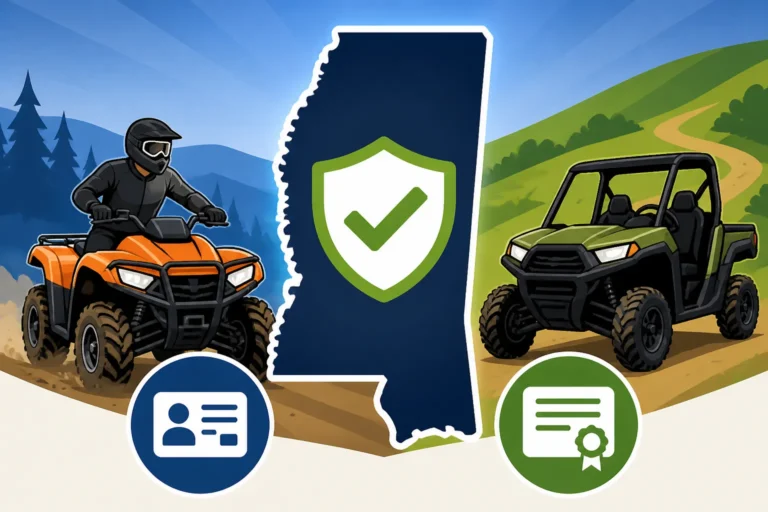
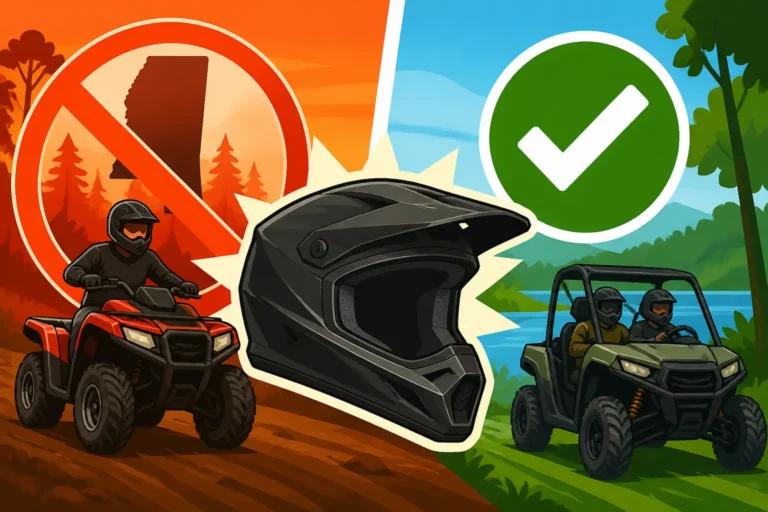
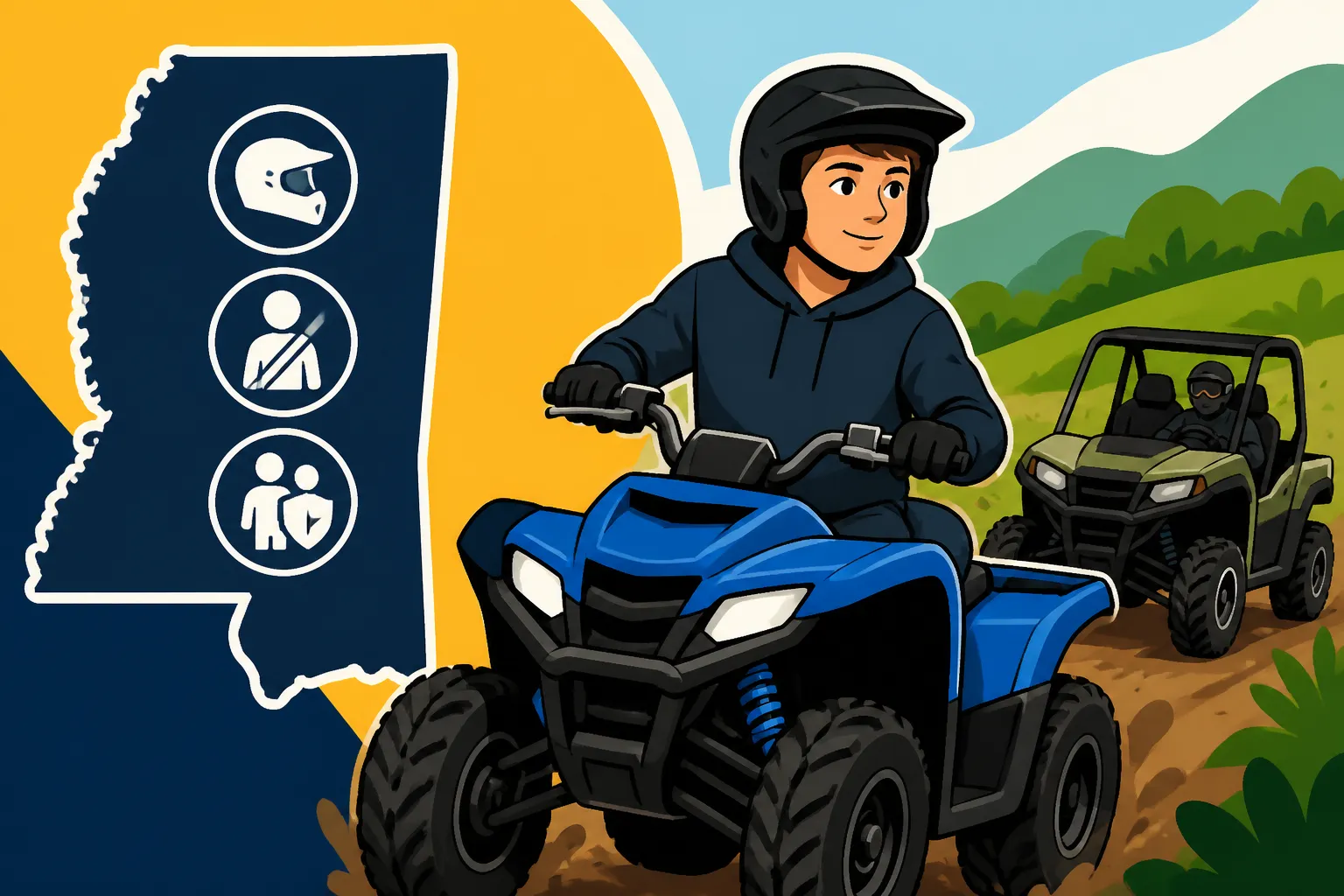
Mississippi law requires any ATV or UTV rider under the age of 16 to wear a helmet. This isn't just a recommendation; it's a legal requirement designed to protect young riders from serious head injuries in the event of a fall or collision. This applies whether they are riding on private land, at a mud park, or on authorized public trails. While an adult rider might choose whether to wear a helmet on private property, for anyone under 16, it's non-negotiable. Furthermore, the helmet must meet recognized safety standards, such as those set by the Department of Transportation (DOT). Simply strapping on a bicycle helmet isn't enough; it needs to be an actual motorcycle or ATV-specific helmet. Parents should also ensure the helmet fits correctly – snug but not uncomfortable, with the chin strap fastened securely. A poorly fitting helmet offers minimal protection. You might be surprised how many parents overlook this, assuming any helmet will do.
Safety Certificates as an Alternative to a Driver's License
For young riders who might operate an ATV on public land where it is permitted (like designated trails in a National Forest, which we'll discuss later), or on private land, Mississippi law provides for safety certification. While a driver's license isn't generally needed for off-road riding, especially if the machine isn't street legal, a safety certificate can be a crucial document for young riders. For riders under 16, [Mississippi Requires a License or a Safety Card] if they are riding on any public property where ATVs are allowed. This means they need to complete an approved ATV safety course. These courses, often offered through organizations like the Mississippi State University Extension Service, teach essential riding skills, safety awareness, and responsible operation. Think of it as a driver's ed course specifically for off-road vehicles. It’s not just about compliance; it's about building confidence and competence. Having this certificate demonstrates that your teen has received formal training, which can be invaluable for their safety and for your peace of mind.
Supervision on Public and Private Land
While specific supervision laws for private land can vary (and are often at the discretion of the landowner), public lands, particularly designated trails, often have their own rules. For instance, in Mississippi's National Forests, which offer the state's only public OHV trails, there might be requirements for young riders to be supervised by an adult. Even without a specific state law mandating adult supervision on all private land, it's always the safest practice for teens, especially younger ones or those new to riding, to be supervised by a responsible adult. This adult can provide immediate assistance, ensure safe riding practices, and intervene if a dangerous situation arises. Many seasoned riders, even adults, choose to ride in groups, and this becomes even more critical for teens. Don't just send them out alone; ride with them, teach them, and set a good example.
| Age Group | Helmet Required? | Safety Certificate/License? | Supervision Recommended? | Public Road Access? |
|---|---|---|---|---|
| Under 16 | Yes (DOT approved) | Yes (for public land) | Always | No (State Ban) |
| 16 and Over | Recommended | No (unless required by specific public land rules) | Yes, especially new riders | No (State Ban) |
Equipment and Safety Gear for Teen Riders
Ensuring your teen has the right equipment and wears appropriate safety gear isn't just about following the rules; it's about mitigating risk and making their riding experience as safe and enjoyable as possible. A well-maintained machine and proper gear are your first lines of defense against injuries.
Essential Protective Gear
Beyond the mandatory helmet for riders under 16, other protective gear is incredibly important for all teen riders. Think head-to-toe protection.
- Eye Protection: Goggles or a helmet with a face shield are crucial to protect against dust, dirt, branches, and insects. A stray twig to the eye can end a ride quickly and painfully.
- Gloves: Riding gloves offer better grip, reduce vibration, and protect hands from blisters, scrapes, and impacts. Even a simple pair of work gloves is better than nothing.
- Long Sleeves and Pants: While it might seem counterintuitive in Mississippi's heat, long sleeves and pants (preferably durable denim or riding-specific materials) protect against abrasions, scrapes, and sun exposure. You'd be surprised how easily skin can get scraped by low-hanging branches or a minor fall.
- Over-the-Ankle Boots: Sturdy boots protect feet and ankles from impacts, provide better grip on footpegs, and keep feet dry in wet conditions. Tennis shoes offer virtually no protection.
- Chest Protectors/Body Armor: For more aggressive riding or if your teen is prone to pushing limits, a chest protector or full body armor can provide vital protection for the torso, spine, and shoulders.
Investing in quality gear is an investment in your teen's safety. Brands like SuperATV offer a wide range of protective accessories and parts that can help make a machine safer and more comfortable for younger riders, from upgraded controls to sturdy bumpers.
Machine Fit and Maintenance
It’s tempting to buy a machine your teen can "grow into," but an ATV that is too large or too powerful for a rider's size and skill level is a serious safety hazard. A teen rider needs to be able to comfortably reach the controls, turn the handlebars fully, and touch their feet to the ground while seated. If they can't manage the machine, they're at a much higher risk of losing control. Similarly, a machine that is too small can be equally dangerous, as it can be unstable and difficult to control at speed.
Regular maintenance is also paramount. Before every ride, or at least regularly, check the following:
- Tires: Ensure correct pressure and no visible damage.
- Brakes: Test both front and rear brakes for proper function.
- Lights: Check headlights and taillights, especially if riding near dusk or dawn.
- Throttle: Ensure smooth operation and that it returns to idle freely.
- Fluid Levels: Check oil, coolant, and brake fluid.
- Chain/Drive Belt: Inspect for proper tension and wear.
- Spark Arrestor: Make sure the machine has a functioning spark arrestor if riding on public land like national forests, as it's often a requirement to prevent wildfires. [Mississippi Spark Arrestor Requirements] are not just for adults.
A well-maintained machine is a safer machine. If you notice any issues, get them fixed before your teen rides. Sometimes even minor upgrades from a company like SuperATV, such as different handlebars or footpegs, can significantly improve a machine's fit and control for a growing rider.
Where Teens Can (and Can't) Ride ATVs in Mississippi
Understanding the legal places to ride is perhaps the most critical piece of information for Mississippi ATV riders of all ages, especially teens. As discussed, public roads are generally out. So, where can your teen legally and safely enjoy their machine?
Private Property with Permission
The vast majority of ATV riding in Mississippi happens on private land. This includes family farms, hunting leases, timberland, and other privately owned tracts. If your teen is riding on private property, they must have the express permission of the landowner. This might seem obvious, but riding on someone else's land without permission is trespassing, which can lead to legal penalties, fines, and potentially having your machine impounded. It's always best to get permission in writing, especially if it's a regular riding spot. This clarifies boundaries, expectations, and can prevent misunderstandings. Landowners can set their own rules for their property, including age limits or supervision requirements, so always respect those.
Designated Public Riding Areas
Mississippi has a very limited number of public off-road riding opportunities. The most prominent example is the Bethel OHV Trails located within the Holly Springs National Forest. These trails are specifically designed and managed for off-highway vehicle use. However, even these come with strict rules:
- Permit Required: Riders usually need to purchase a special National Forest OHV Pass, often an annual pass. [Mississippi Forest Pass Cost] is a factor to consider.
- Width Restrictions: Many forest trails, including Bethel, have width limits, typically 50 inches for ATVs and often 65 inches for UTVs. This means some larger side-by-sides might not be allowed. [Bethel's 43 Miles Are Built for 50-Inch Machines] is a key detail.
- Helmet and Safety Course: As mentioned, riders under 16 will need a helmet and likely a safety certificate.
- Spark Arrestors: All machines must have a functioning spark arrestor.
- Weather Closures: Forest trails can close on short notice due to heavy rain to prevent trail damage. Always check conditions before heading out. [Checking Trail Conditions Before You Load the Trailer] is a must.
Beyond the national forests, some Wildlife Management Areas (WMAs) might have designated roads or trails that permit ATVs for specific purposes, like game retrieval, but recreational riding is usually prohibited or highly restricted. Always check the specific WMA regulations before riding there, as [Mississippi WMA Riding Rules] are very particular.
Private Mud Parks and Commercial Riding Parks
Mississippi is home to several popular private mud parks and commercial riding areas. These venues are specifically designed for off-road recreation and often feature diverse terrain, from mud pits to trails and even motocross tracks. Examples include Red Creek Off-Road and Meridian OHV Park. These parks are often a fantastic option for teen riders because they provide a controlled environment and often have amenities like wash stations, camping, and even some rentals.
However, each park has its own set of rules, which can vary widely:
- Waivers: Expect to sign liability waivers, and if your teen is underage, a parent or legal guardian will need to sign for them.
- Age Limits: Some parks might have minimum age requirements for riders, or specific rules for youth tracks.
- Helmet Policies: While state law mandates helmets for under 16, many parks require helmets for all riders, regardless of age.
- Quiet Hours/Alcohol Rules: If camping, expect quiet hours and strict rules regarding alcohol, especially for minors.
- Machine Restrictions: Some parks may have rules on machine size, modifications, or noise levels.
These parks are a great way for teens to experience ATV riding safely and legally, often with peers, as long as everyone respects the park's rules. And if you're looking for sturdy parts to handle the rigors of mud and trail riding, checking out SuperATV for durable upgrades might be a good idea before hitting these parks.
Remember, the key to responsible ATV riding for teens in Mississippi is education, proper equipment, and knowing exactly where they are allowed to ride. Staying informed helps keep them safe and out of trouble.
Disclaimer
This article is for general informational purposes only and does not constitute professional advice. Laws, prices and regulations vary by location and change over time. Consult a qualified professional for guidance on your specific situation.