Written Permission From a Southern Landowner
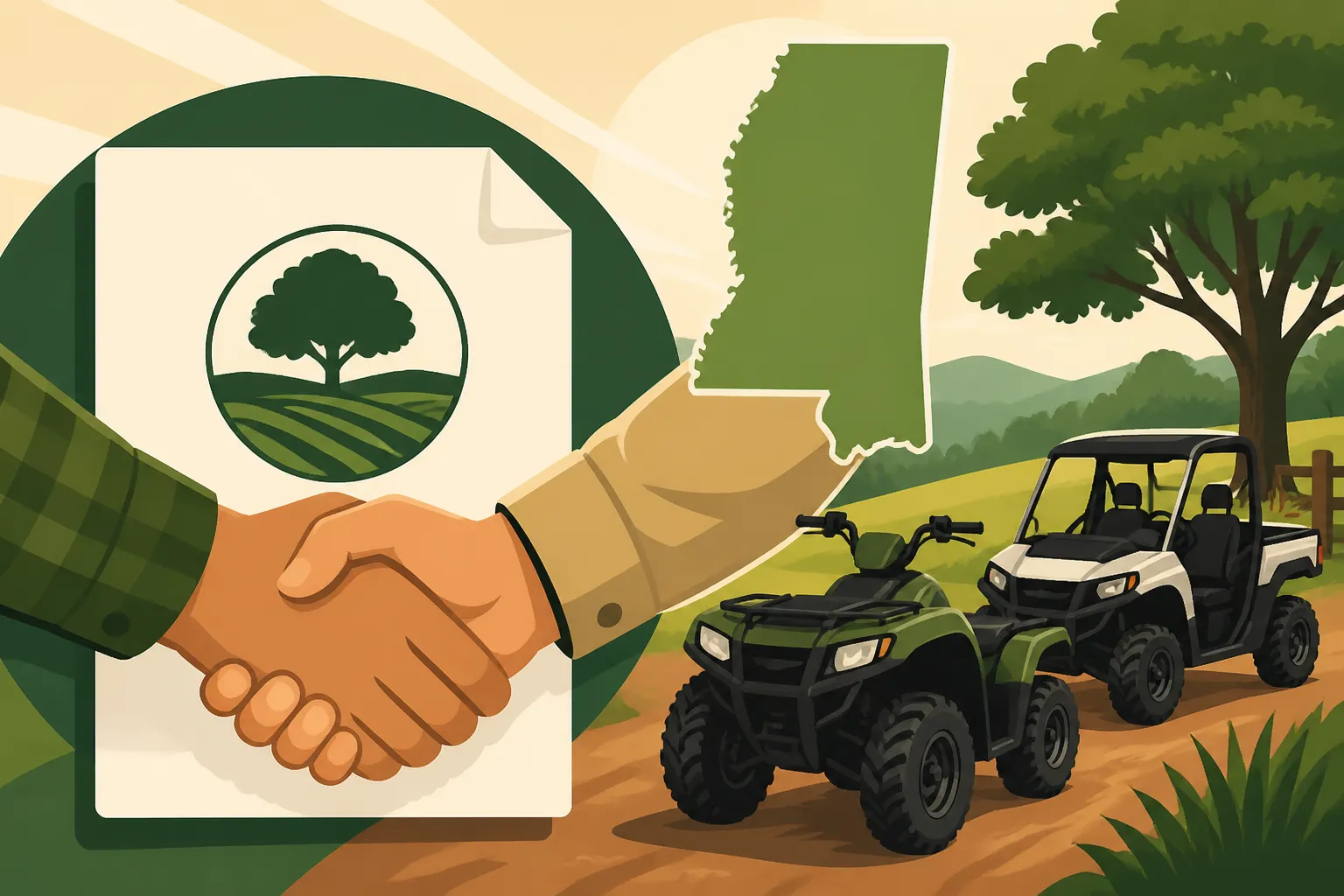
For many folks in Mississippi, the appeal of an ATV or UTV isn't just about the thrill of the ride, but also the practicality of getting work done or exploring wide-open spaces. But here in the South, where land ownership is deeply personal and trespass laws are taken seriously, understanding where you can legally and respectfully ride is paramount. This guide is all about navigating the sometimes tricky, but always essential, process of securing written permission from a Southern landowner, helping you avoid headaches and build lasting, positive relationships.
Why Written Permission Isn't Just a "Nice-to-Have," It's a Necessity
Let's be honest, we all love the idea of just heading out onto a beautiful piece of land, firing up the engine, and enjoying the ride. But that casual approach can land you in a world of trouble, not just legally, but also in terms of local relationships and reputation. In Mississippi, especially, a handshake agreement, while often well-intentioned, simply isn't enough when it comes to riding your machine on someone else's property. The implications, both for you and the landowner, can be significant.
The Unspoken Rules of Southern Land
In many parts of the South, land isn't just property; it's heritage, a source of livelihood, and often a private sanctuary. There's a deep-seated tradition of respect for private property, and trespassing is viewed with little tolerance. A landowner might be a gracious person, but they also have a right to know who is on their property, what they're doing, and when. Simply assuming "it'll be fine" or relying on a verbal "sure, go ahead" from a casual conversation can quickly lead to misunderstandings. Imagine a situation where you've been riding on a piece of land for months after a verbal agreement, only for the landowner to sell it, or for their family to misunderstand your presence. Suddenly, you're the one in an uncomfortable situation, even if you thought you had permission. This is especially true for large tracts of timberland or hunting clubs where multiple parties might have interests.
Legal Protections for Both Parties
From a legal standpoint, written permission is your shield. Without it, even an accidental deviation onto someone else's land can be considered trespassing. [Mississippi Trespass Law for Riders] is clear on the matter, and you don't want to be in a position where a local deputy has to get involved because you couldn't produce proof of permission. The penalties, while perhaps not astronomical, are still a hassle, and nobody wants their machine impounded or to face a court appearance. For the landowner, written permission offers crucial protection against liability. They need to know that you acknowledge the risks involved in riding an off-road machine and that you won't hold them responsible should an accident occur. This clear documentation can make a world of difference if there's ever an incident. Think of it as a mutual understanding that keeps everyone safer and legally protected.
Avoiding Misunderstandings and Neighborly Disputes
Perhaps you've known the landowner for years, or they're a family friend. It feels awkward to ask for something in writing, right? But ironically, that's often when misunderstandings are most likely to arise. Memories can fade, details can get fuzzy, and what one person thought was agreed upon, another might interpret differently. A formal, written agreement clarifies everything: where you can ride, when you can ride, what machines are allowed, and any specific rules (like staying away from certain fields during planting season, or avoiding areas where cattle graze). This prevents those uncomfortable phone calls or awkward conversations that can strain good relationships. It shows respect for their property and their generosity, demonstrating that you take their concerns seriously. It's about setting clear expectations from the outset, which is the foundation of any good relationship, whether personal or business-related.
Crafting Your Permission Request: What to Include
When you're ready to formalize your request, thinking ahead about what you want to include in your written permission can make the process smoother. It's not about creating a legal tome, but rather a clear, concise document that covers all the essential bases. This isn't just a formality; it's a blueprint for respectful use of someone else's property.
Key Elements of a Solid Agreement
At a minimum, your written permission should clearly state a few core facts. First, the names and contact information for both you (the rider) and the landowner. Second, the specific dates for which the permission is valid – whether it's for a single day, a specific weekend, or an ongoing period (with a clear expiration date). Third, a precise description of the property you're allowed to ride on. This could be a parcel number, a street address, or even a general description like "the 40 acres south of the main farmhouse." Fourth, the type of machine(s) you'll be using (e.g., "a 2020 Polaris RZR 1000 and a 2018 Honda Foreman ATV"). You might even include the VINs if the landowner prefers. Finally, a clear statement that you understand the inherent risks of off-road riding and will not hold the landowner liable for injuries or damages. Having these points documented leaves little room for ambiguity and protects everyone involved.
Discussing Boundaries and Restrictions
Beyond the basics, a good permission agreement delves into the specifics of how you'll use the land. This is where you discuss the "where" and "when." Clearly marked boundaries, perhaps even with a simple hand-drawn map attached to the document, can prevent accidental trespassing onto neighboring properties. You'll want to cover any "no-go" zones, like cultivated fields, sensitive wetlands, or areas near residences. Time restrictions are also crucial – are you allowed to ride after dark? During certain hours only? Are there specific days of the week when riding isn't permitted? If the land is used for hunting, you'll definitely want to know about [Mississippi Hunting Season and Trail Access] dates, as riding during those times could disturb game or create safety hazards. Maybe you're using a heavy-duty winch from a brand like SuperATV to clear some trails and need to be aware of how that impacts the terrain. Discussing noise levels, especially if there are nearby homes, is also a sign of respect. These discussions might seem detailed, but they demonstrate your thoughtfulness and commitment to being a responsible guest.
Acknowledging Liability and Safety
No matter how safe you are, accidents can happen. It's vital that the written permission includes a clear statement acknowledging that you understand and accept the risks associated with off-road riding. This often takes the form of a waiver of liability, stating that the landowner is not responsible for any injuries, damages, or losses you might incur while on their property. This clause is a cornerstone of protecting the landowner. Furthermore, if you plan on bringing minors, you'll need to discuss and document adherence to laws like [Mississippi Helmet Law for Riders Under 16]. Many landowners might also want to ensure that all riders, especially younger ones, have completed safety courses. Providing proof of [Mississippi Safety Course Certificates] can go a long way in reassuring a cautious landowner. Your willingness to discuss and document these safety aspects shows you're taking personal responsibility, which is something every landowner appreciates.
What Your Written Permission Should Cover
To help you visualize the essential components of a robust written permission document, here's a table outlining key elements. Think of this as a checklist to ensure you've covered your bases, making sure nothing important is overlooked when you're preparing to ride on private land in Mississippi.
| Element | Description | Why It's Important |
|---|---|---|
| Rider Information | Full Name, Contact Details (Phone, Email, Address) | Identifies who is granted permission. |
| Landowner Information | Full Name, Contact Details, Property Address/Description | Identifies who is granting permission and where. |
| Dates of Permission | Specific Start and End Dates (or "until revoked in writing") | Defines the timeframe during which riding is allowed. |
| Property Description | Legal Parcel ID, Physical Address, or Clear Boundaries (e.g., "North 40 acres") | Clearly delineates where riding is permitted. |
| Machine Description | Make, Model, VIN for each ATV/UTV | Specifies which machines are authorized, preventing unauthorized use. |
| Permitted Activities | "ATV/UTV riding," "trail maintenance," "hunting access" | Defines the purpose of your presence on the land. |
| Restrictions/Rules | Hours of operation, no-go zones, speed limits, noise limits, no alcohol/drugs, guest policies | Sets boundaries for respectful use and minimizes impact. |
| Liability Waiver | Rider assumes all risk; landowner not liable for injury/damage | Crucial protection for the landowner in case of an accident. |
| Trespass Acknowledgment | Rider understands that exceeding permission constitutes trespass | Reinforces legal consequences of unauthorized riding. |
| Revocation Clause | Landowner can revoke permission at any time, verbally or in writing | Ensures the landowner retains ultimate control over their property. |
| Signatures & Dates | Both rider and landowner must sign and date the document | Legalizes the agreement and confirms mutual understanding. |
| Emergency Contacts | Rider's emergency contact, closest hospital, landowner's preferred contact in emergency | Practical information for immediate response in unforeseen situations. |
Approaching the Landowner: Tips for Success
Getting that piece of paper isn't just about drafting a document; it's about building a relationship. In the South, personal connections and trust often pave the way for successful arrangements. How you approach the landowner can make all the difference between a quick "no" and a long-term agreement.
Building Trust and Respect
Before you even mention riding, focus on building rapport. If you don't know the landowner well, start with a friendly introduction. Maybe you've seen them at the local co-op, or perhaps a mutual acquaintance can introduce you. Offer to help them with something on their property first – clearing brush, mending a fence, or anything that shows you're willing to contribute. Showing up unannounced with a pre-written form in hand can feel transactional and off-putting. Instead, initiate a conversation, express your admiration for their land, and convey your genuine interest in being a responsible guest. A key part of showing respect is also understanding the local dynamics; some areas might have historical issues with trespassers or irresponsible riders. Be mindful of this and try to differentiate yourself as a considerate individual.
Presenting Your Case Clearly and Concisely
Once you've established a comfortable dialogue, politely introduce your request. Explain why you're asking for permission – whether it's for recreational riding, accessing hunting grounds, or using your machine for light farm work. Be specific about your plans: "I'd love to ride my UTV on the old logging roads on your back forty, mostly on weekends, and I promise to stick to the established trails." Offer solutions to potential concerns, such as "I'm happy to help maintain the trails as I ride, or even keep an eye on things for you while I'm out there." Mention that you'd like to put the agreement in writing to ensure clarity for both of you, emphasizing that it protects their interests as much as yours. Having your machine properly equipped, perhaps with durable aftermarket parts from SuperATV, can also show you're serious about responsible riding and minimizing your impact on the land. This approach demonstrates foresight and a commitment to stewardship.
Following Up and Maintaining the Relationship
Securing permission is just the beginning. The key to long-term access is maintaining an excellent relationship. Always stick to the agreed-upon terms, without exception. If an unexpected situation arises – like needing to ride outside the agreed hours for an emergency, or wanting to bring a guest – always communicate with the landowner first and get their explicit approval. After riding, leave the property cleaner than you found it. Pick up any trash, report any downed fences or issues you notice, and don't take anything that doesn't belong to you. Occasionally checking in with the landowner, offering a small thank you, or helping out with a chore can reinforce the goodwill. Remember, their generosity is a privilege, not a right. Being a considerate and reliable individual will ensure that the gates stay open, sometimes for years to come. This continuous effort will serve you far better than any one-off request.
Situations Where Permission Is Especially Critical
While it's always wise to have written permission when riding on private land, there are certain scenarios where it becomes absolutely non-negotiable. These situations often involve complex land use, multiple stakeholders, or specific regulatory frameworks that demand extra vigilance.
Riding on Hunting Leases or Timber Company Land
Large tracts of land in Mississippi are often managed by timber companies or leased out to hunting clubs. These entities have very specific rules and liability concerns, making formal, written permission absolutely essential. Timber companies, for instance, are actively managing their resources, and unauthorized ATV/UTV use could interfere with their operations, damage young trees, or pose safety risks to their workers. [Mississippi Timber Company Land Access] is often restricted, and you'll typically need to go through a formal application process, not just a casual chat. Similarly, [Mississippi Hunting Club Riding Rules] are usually very strict about who can access their leased land, what type of machines are allowed, and when. Riding on such land without explicit written permission is not only trespassing but can also disrupt hunting activities, which can lead to serious confrontations. These are not situations where you want to rely on informal agreements.
When You're Riding with a Group or Guests
Your personal relationship with a landowner might allow you certain privileges, but those rarely extend automatically to others. If you plan to bring friends, family, or a larger group, it is absolutely critical that their presence is covered in your written permission. Many landowners will want a list of names for anyone else who will be on their property. Some might require each individual to sign a separate liability waiver. It’s important to clarify if your permission is for your use only, or if it extends to guests. Trying to sneak in extra riders or machines can quickly erode the trust you've built, potentially leading to the revocation of your own riding privileges. The same goes for bringing multiple machines; a landowner might agree to you riding your personal ATV, but not a fleet of four-wheelers, or even a modified side-by-side that's wider or heavier than a standard machine. Having a high-quality, dependable machine, perhaps with custom accessories from SuperATV, can demonstrate your commitment to responsible and controlled riding, especially when you're responsible for a group.
When Buying or Selling a Machine Used on Private Land
If you're buying a used ATV or UTV that the previous owner frequently rode on private land, do not assume their permission transfers to you. [Selling a Titled Machine in Mississippi] covers the transfer of ownership of the machine itself, but it has no bearing on land access. You will need to secure your own permission from the landowner. The previous owner's agreement is between them and the landowner, not a blanket right for anyone who buys their machine. Likewise, if you're selling a machine that you have permission to ride on specific private land, make it absolutely clear to the buyer that your permission does not go with the sale. They will need to start the process of obtaining their own written permission from the landowner. Making false promises about land access can lead to significant issues and reflects poorly on everyone involved.
Disclaimer
This article is for general informational purposes only and does not constitute professional advice. Laws, prices and regulations vary by location and change over time. Consult a qualified professional for guidance on your specific situation.