Mississippi Helmet Law for Riders Under 16
Navigating the world of ATV and UTV riding with kids in Mississippi can feel like a maze, especially when it comes to safety rules. Many parents struggle to understand exactly what the law requires, often wondering if a helmet is truly necessary if their child is just riding on private land or with close supervision. This guide cuts through the confusion, offering a comprehensive look at Mississippi's helmet law for riders under 16, detailing everything from legal mandates to practical advice on choosing the right gear and fostering safe riding habits for your younger adventurers.
Understanding Mississippi's ATV Helmet Law for Young Riders
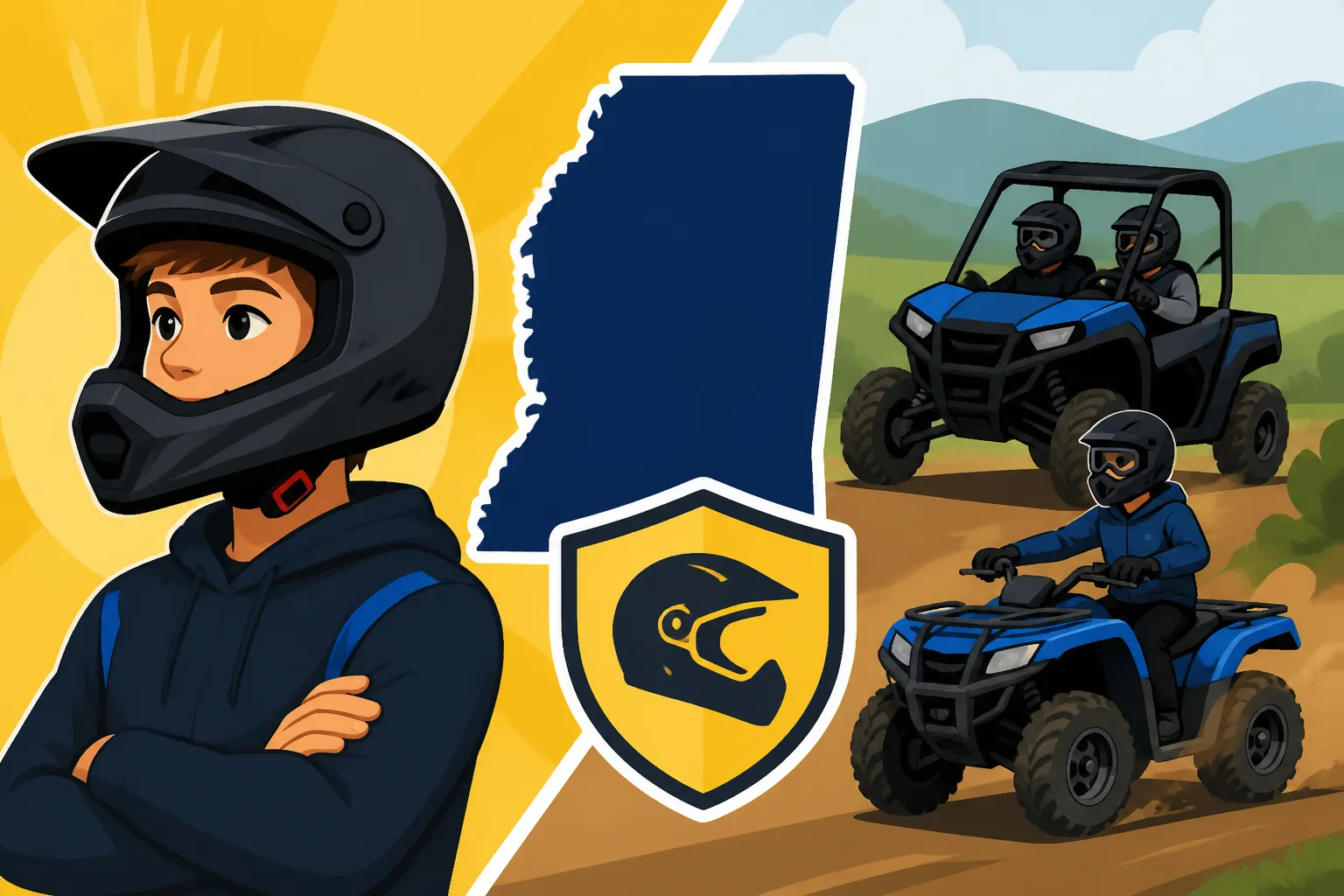
It's easy to assume that laws only apply to public roads or state parks, but when it comes to the safety of our youngest riders, Mississippi has some clear directives. For anyone under the age of 16 operating or riding as a passenger on an ATV or similar off-road vehicle, the law is pretty straightforward: a helmet is required. This isn't just a suggestion; it's a legal obligation designed to protect the most vulnerable participants in our off-road community. The state wants to ensure that these young riders have the best possible chance of avoiding severe injury in the event of an accident, which, let's be honest, can happen even to the most experienced riders on familiar terrain.
What the Law Specifically States for Under 16
Mississippi's off-road vehicle statutes, though relatively brief compared to some other states, are very specific about rider age and safety equipment. The key takeaway for parents and guardians is that any rider or passenger under the age of sixteen (16) must wear a protective helmet. This isn't just for public trails; it applies generally to the operation of ATVs. It means that whether your child is tearing up the trails at Bethel OHV Trails in Mississippi or just zipping around the back forty on your private property, they need to have a properly fitted helmet on their head. It's a non-negotiable part of the state's approach to youth ATV safety. Ignoring this can lead to uncomfortable conversations with law enforcement, should an incident occur, and more importantly, it puts your child at unnecessary risk. You'll find that these rules are often reinforced when you look at guidelines for places like Mississippi's National Forest Riding Explained.
This requirement reflects a national understanding of child development and accident statistics. Younger riders often have less experience, slower reaction times, and are more prone to making judgment errors. Their heads, in particular, are still developing and are proportionally larger and heavier relative to their bodies, making them more susceptible to head injuries in a crash or rollover. Therefore, this specific age cutoff isn't arbitrary; it's based on safety research and a desire to safeguard children during a crucial period of their physical and cognitive development. It's truly about giving them the best protection possible.
Why This Age Group Is Singled Out
The decision to single out riders under 16 for mandatory helmet use stems from a combination of physiological, developmental, and statistical factors. Children and adolescents simply aren't miniature adults when it comes to their physical resilience and decision-making capabilities. Their bone structure is still maturing, making them more vulnerable to fractures and concussions. Their spatial awareness, risk assessment skills, and ability to react quickly in unpredictable off-road environments are often less developed than those of an adult. This isn't a criticism of young riders; it's just a biological reality that requires extra layers of protection.
Consider a scenario where a young rider is navigating a tricky section of trail – maybe a hidden root or a sudden dip. An adult might instinctively shift their weight, brake, or steer to avoid an obstacle, often with years of driving experience subconsciously guiding their actions. A child, however, might panic, freeze up, or make an incorrect split-second decision, increasing the likelihood of a spill. In these moments, a helmet becomes the critical last line of defense against severe head trauma. The law recognizes this inherent vulnerability and steps in to mandate a safety measure that many parents might overlook or misunderstand, especially if their child is an "experienced" young rider. It's about protecting them from the risks they might not even perceive.
The Broader Context: Where Helmets Are Required
While the core of Mississippi's helmet law targets riders under 16, it's important to understand the broader context of where and when helmets become a critical piece of safety gear, even for adults. Generally, if you're riding on any public land, such as designated trails within the National Forests or State Parks, you'll find that helmets are strongly encouraged for all riders, and often explicitly required for minors, regardless of state law on private property. For instance, many private mud parks and riding areas across Mississippi have their own strict rules regarding helmets for all ages, often as a condition of entry to mitigate their own liability. They understand the risks involved and take every precaution.
Even beyond the formal requirements, the principle of wearing a helmet extends to situations that might not be explicitly covered by state law. If you're on a hunting lease, a timber company's land with permission, or even just crossing a field road on your property, wearing a helmet is always the smartest choice. It's a universally accepted best practice in the off-road community, akin to wearing a seatbelt in a car. While a Mississippi deputy might primarily enforce the under-16 rule on public land, the spirit of the law and the best safety advice dictate that a helmet should be a default piece of equipment for every rider, every time, on every surface. [Mississippi Forest Rules for Riders Under 16] elaborates further on this.
Choosing the Right Helmet: Safety Standards and Fit
Just any old helmet won't do when it comes to protecting a child's head. The market is flooded with helmets that look cool but might not offer the necessary protection. Parents need to be discerning, prioritizing safety certifications and a proper fit above all else. A helmet that's too big can shift during an impact, rendering it useless, while one that's too small can be uncomfortably tight and restrict vision, leading to distractions or even headaches. This section helps you cut through the marketing noise and focus on what truly matters for your child's safety.
Meeting DOT Safety Standards
When you're looking for a helmet, the absolute first thing you should check for is a sticker indicating that it meets DOT (Department of Transportation) safety standards. This isn't just some arbitrary government stamp; it signifies that the helmet has undergone rigorous testing to ensure it can withstand certain impacts and protect the rider's head in a crash. Helmets that meet DOT standards are designed to absorb and distribute impact forces, significantly reducing the risk of traumatic brain injury. Without this certification, you're essentially trusting your child's safety to an unproven product, which is a risk no parent should take.
Think of it this way: a DOT-certified helmet is engineered with specific materials, padding, and shell construction to perform under stress. It's built to dissipate energy from a direct blow, protecting the skull and brain. When you see that DOT sticker, you know that the helmet has met minimum performance standards for impact absorption, penetration resistance, and retention system strength. Some helmets might even boast additional certifications like Snell or ECE, which often indicate even more stringent testing, offering an extra layer of reassurance. Companies like SuperATV often carry a range of helmets that meet these rigorous standards, ensuring you have access to proven protective gear. Never compromise on this standard; it's your child's most important piece of safety equipment.
Ensuring a Proper Fit for Growing Riders
A helmet, regardless of its safety certifications, is only effective if it fits correctly. This is especially crucial for children who are constantly growing. A helmet that's too loose will wobble around, potentially obstructing vision, and more importantly, it won't stay in place during a fall, leaving the head vulnerable. Conversely, a helmet that's too tight can be incredibly uncomfortable, causing pressure points, headaches, and a reluctance to wear it, which defeats the entire purpose. The goal is a snug, secure fit that doesn't cause pain or restrict movement.
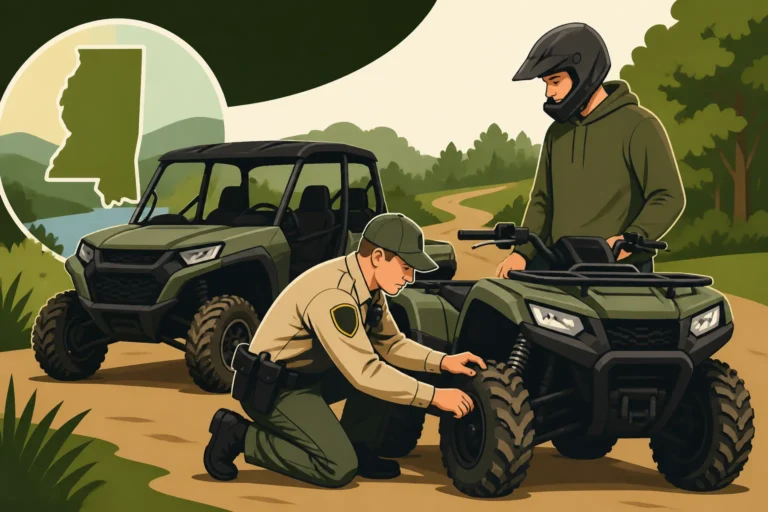
To check for a proper fit, have your child put the helmet on and fasten the chin strap. The helmet should sit level on their head, not tilted back or forward. You should be able to shake their head from side to side and up and down without the helmet shifting independently of their head. Their cheeks should feel a gentle, even pressure, and you should be able to insert no more than one finger between their forehead and the inside of the helmet. Have them try to pull the helmet off by grabbing the back – if it comes off easily, it's too big. Remember, different brands and styles will fit differently, so it's always best to try on several options. Don't be afraid to take your time and find the perfect match.
The Importance of Full-Face Helmets and Eye Protection
While any DOT-certified helmet is a good start, for ATV riding, a full-face helmet is highly recommended, especially for children. Unlike open-face or motocross-style helmets, a full-face helmet provides comprehensive protection for the entire head, including the chin, jaw, and face. Off-road riding environments are full of potential hazards: flying debris, branches, unexpected falls, or even just splashing mud. A full-face helmet shields your child from these elements, preventing injuries that a lesser helmet might leave exposed. Imagine a low-hanging branch catching your child's chin during a ride – a full-face helmet could prevent a serious facial injury.
In addition to the helmet itself, integrated or separate eye protection is non-negotiable. Whether it's a built-in face shield on a full-face helmet or a pair of properly fitting goggles worn with a motocross helmet, eye protection prevents dust, dirt, insects, and branches from impairing vision or causing eye injuries. Clear vision is paramount for safe riding, allowing your child to react to terrain changes and potential hazards. Fog-resistant and scratch-resistant lenses are excellent features to look for. Just like the helmet, ensure the eye protection fits well and doesn't obstruct peripheral vision. [Which Helmet Standard a Rider Under 16 Needs] expands on these points.
| Helmet Type | Key Feature | Recommended Use | Pros | Cons |
|---|---|---|---|---|
| Full-Face | Complete head and face coverage | ATV, UTV, Motocross (general riding) | Max protection, built-in eye shield | Can be warmer, heavier |
| Modular/Flip-Up | Hinged chin bar | Street riding (less ideal for heavy off-road dust) | Versatile, chin bar can lift | Heavier, less robust chin bar than full-face |
| Motocross/Off-Road | Extended chin bar, visor, open face | Off-road riding (paired with goggles) | Excellent ventilation, good for goggles | Requires separate eye protection, open face |
| Open-Face/3/4 | Covers top, back, and sides | Casual street riding (not recommended for ATV) | Lighter, more airflow | No face or chin protection |
Note: All helmets chosen for ATV riding should be DOT certified at a minimum.
Beyond the Helmet: Other Safety Gear for Young Riders
While the helmet is undeniably the cornerstone of ATV safety for young riders, it's far from the only piece of protective equipment they should be wearing. A complete ensemble of gear acts as a comprehensive shield, protecting against scrapes, bruises, sprains, and even more serious injuries that can result from falls, impacts with obstacles, or prolonged exposure to the elements. Thinking about safety holistically, rather than just the minimum legal requirement, is crucial for fostering a truly safe riding experience. Just like you wouldn't send a child cycling without elbow pads, ATV riding requires layers of protection.
Protective Clothing: Long Sleeves, Pants, and Gloves
Wearing appropriate clothing is fundamental for off-road riding, yet it's often overlooked or dismissed as optional, especially in Mississippi's warmer months. For young riders, this means long sleeves and long pants, ideally made from durable, tear-resistant materials. Denim jeans and sturdy shirts are a good starting point, but specialized riding pants and jerseys offer even better protection and breathability. These garments act as a barrier against abrasions from falls, scrapes from branches, and protection from sun exposure or insect bites. Imagine a low-speed tip-over: bare skin would suffer immediate road rash, whereas a thick long-sleeved shirt and jeans would provide a decent buffer.
Gloves are another often-underestimated item. They protect hands from blisters, cuts, and scrapes, improve grip on the handlebars, and can cushion impacts during a fall. Look for gloves specifically designed for off-road riding, which typically feature reinforced palms, knuckle protection, and good ventilation. The last thing you want is for your child to lose control because their hands are sweaty and slipping, or to suffer unnecessary injury to their hands in a minor accident. Companies like SuperATV understand the need for durable, performance-driven riding gear and offer options suitable for young riders, providing essential protection for little hands.
Appropriate Footwear for Off-Road Riding
The right footwear is just as important as head and hand protection. Open-toed shoes, sandals, or even regular sneakers are completely unsuitable for ATV riding. Instead, young riders should wear sturdy boots that cover the ankles. Motocross boots are ideal, as they offer extensive ankle support, shin protection, and reinforced soles designed to grip footpegs and withstand impacts. At a minimum, sturdy work boots or hiking boots can offer some protection, but always prioritize those that provide excellent ankle stability.
Consider the forces at play during riding: feet are constantly interacting with footpegs, potentially bracing against bumps, or trying to maintain balance. In a fall, ankles are incredibly vulnerable to twists and fractures if not properly supported. Even something as simple as putting a foot down incorrectly to stop can result in a sprain if the ankle isn't protected. Furthermore, proper boots shield the feet from hot engine components, debris, and potential crushing injuries in the event of a rollover. Footwear is often the difference between a minor bruise and a trip to the emergency room for an ankle injury.
Chest Protectors and Other Optional Gear
While not always legally mandated, chest protectors and other specialized protective gear significantly enhance a young rider's safety, particularly if they are riding aggressively or on challenging terrain. A chest protector, often integrated with back and shoulder protection, shields vital organs and bones from impacts with handlebars, trees, or the ground during a fall. These are especially valuable in motocross or high-speed trail riding scenarios where impacts can be more forceful.
Other optional but highly recommended items include knee and elbow pads. These can be worn under or over clothing and are designed to absorb impact and prevent abrasions to these frequently injured joints. Youth-specific body armor is also available, offering a more comprehensive protection system. While these items represent an additional investment, they provide invaluable peace of mind for parents and significantly reduce the severity of injuries in common riding mishaps. When you're out exploring trails like those at Red Creek Off-Road in Mississippi, having that extra layer of protection can make all the difference. [Mississippi Rules for a Child Passenger] discusses general safety for young riders.
Navigating Public vs. Private Land Rules
One of the biggest sources of confusion for ATV owners in Mississippi revolves around where the rules apply. Many parents mistakenly believe that if their child is riding exclusively on private land – their own property, a friend's farm, or a hunting lease – then state laws, including helmet mandates, don't apply. While there's a distinction in enforcement and some regulations do vary, the core helmet requirement for minors in Mississippi is generally understood to apply across the board. Understanding these nuances is key to ensuring compliance and, more importantly, consistent safety for young riders.
Helmet Requirements on State and National Forest Trails
When riding on public lands in Mississippi, such as the designated OHV trails in the De Soto National Forest or at parks like Bethel OHV Trails, the rules regarding helmets for minors are strictly enforced. Not only do state laws apply, but these public land management agencies often have their own additional regulations that reinforce or even expand upon state mandates. For any rider under the age of 16, a DOT-approved helmet is an absolute requirement to even get on the trails. This is often checked at the point of entry or by park rangers and forest service personnel patrolling the trails.
Failing to comply with these helmet rules on public land can result in citations, fines, or even being asked to leave the riding area. Park staff and forest rangers are primarily concerned with safety and resource protection, and adherence to safety gear rules is a fundamental part of that. These areas are designed for recreational use, and responsible riding, including proper safety equipment, is expected of everyone. The rules are clear: if your child is under 16 and riding on these public lands, a helmet is not optional. You might find more details in [Mississippi Forest Rules for Riders Under 16] or [Mississippi WMA Riding Rules].
Rules at Private Parks and Riding Areas
Mississippi is home to several fantastic private mud parks and riding areas, which offer unique challenges and environments for off-road enthusiasts. While these parks are private property, they almost universally implement their own strict safety rules, which often include mandatory helmet use for all riders, regardless of age, and certainly for anyone under 16. These rules are usually clearly posted at the entrance, on waivers, and on their websites. Failure to comply can lead to being denied entry or ejected from the park without a refund.
Private park owners and operators understand the inherent risks of off-road riding and want to ensure a safe environment for their patrons. Mandating helmets helps to mitigate their liability and protect their customers. Before visiting any private park, it's always a good idea to check their specific rules regarding helmets, age restrictions, and other safety gear. What might be acceptable on your own secluded property may not be at a bustling private park. They often have staff patrolling to ensure compliance, and their decision is final. This consistency across different types of riding areas helps normalize helmet use for young riders. [Mississippi Private Park Helmet Rules] provides more insight.
The Nuance of Riding on Your Own Property
Here's where a common misconception arises: many parents believe that if their child is riding an ATV on their own private land, away from public roads or trails, then state laws don't apply. While enforcement might be different on private property compared to public land, the spirit and sometimes the letter of Mississippi's law still mandate a helmet for riders under 16, even on private property. The law focuses on the operation of the ATV by a minor, not exclusively the location. This means that if an accident were to occur on your private land and your unhelmeted minor child was injured, there could still be legal repercussions or at least a significant question of liability.
Beyond the legal aspect, the physical risks don't diminish just because the riding is happening on your land. A fall on a private pasture can be just as dangerous as a fall on a public trail. The ground is just as hard, and gravity works the same way. As parents, our primary concern should always be the safety of our children, regardless of where they are riding. Choosing to have your child wear a helmet on private property sets a strong precedent for safety and ensures they are protected in all riding environments. It reinforces that wearing a helmet is not just about avoiding a ticket, but about personal well-being.
Consequences of Non-Compliance: What Parents Need to Know
Ignoring Mississippi's helmet law for riders under 16 isn't just a minor oversight; it carries real consequences that every parent should be aware of. These consequences range from legal penalties to significant financial and medical implications that can arise in the unfortunate event of an accident. Understanding these repercussions can underscore the importance of strict adherence to the law and best safety practices, moving beyond simple compliance to genuine protection.
Potential Fines and Penalties for Violations
If a law enforcement officer observes a rider under 16 operating an ATV without a helmet on public land in Mississippi, there can be legal consequences. While specific fine amounts for this particular infraction might vary or be at the discretion of the enforcing officer and local justice courts, typically, violations of ATV safety laws can result in fines. These are usually misdemeanors. The exact financial penalty might not be staggering, but the inconvenience of a court appearance, the potential for an official record, and the general hassle are certainly things you'd want to avoid. More importantly, it signals a failure to protect your child, which can draw unwanted attention from authorities.
Beyond the initial fine, persistent non-compliance could lead to more serious discussions, especially if there's a pattern of disregard for safety laws. Imagine getting pulled over with your child riding unhelmeted; it's not a conversation any parent wants to have with a deputy who is just trying to ensure public safety. These penalties serve as a deterrent, emphasizing that the state takes the safety of young riders seriously. It's far easier and safer to simply ensure your child wears their helmet than to deal with the aftermath of a violation or, worse, an injury. [Mississippi Penalties for an Illegal Road Ride] gives a sense of the state's enforcement attitude.
Safety Certificate Requirements and Helmet Use
Mississippi also emphasizes rider education, particularly for younger operators. For young riders operating ATVs on public lands, a safety certificate is often required in addition to helmet use. While not directly tied to the helmet law in terms of the penalty for not wearing one, the two requirements often go hand-in-hand as part of a comprehensive safety approach for minors. Many ATV safety courses, especially those through the [Mississippi Extension Service Courses], heavily stress the importance of helmet use and proper fitting. Obtaining a safety certificate demonstrates a commitment to understanding and following safe riding practices, of which helmet use is a core component.
Think of it as a layered approach to safety. The certificate ensures the child (and parent) understands the risks and proper operation, while the helmet provides physical protection. If a young rider is found on public land without both a helmet and the required safety certificate, the legal repercussions could be compounded. It's crucial for parents to check the specific requirements for their child's age and the type of land they'll be riding on. The goal here isn't to create hoops to jump through, but to instill a deep-seated respect for safety that lasts a lifetime. [Mississippi Safety Course Certificates] are a good place to start for more info.
Insurance Implications for Unhelmeted Accidents
This is perhaps one of the most significant, yet often overlooked, consequences of not complying with helmet laws: the impact on insurance coverage. While Mississippi does not mandate ATV insurance, many responsible riders choose to carry policies for liability, comprehensive, and collision coverage. In the event of an accident where your unhelmeted minor child sustains a head injury, an insurance company could potentially deny or significantly reduce payouts for medical expenses, arguing that the injury was exacerbated or directly caused by non-compliance with state law and known safety practices.
Imagine an accident where your child, not wearing a helmet, hits their head and incurs substantial medical bills. Your insurance provider might investigate and, upon finding the legal requirement for helmet use was ignored, could dispute the claim. This could leave you, the parent, personally responsible for thousands, if not tens of thousands, of dollars in medical costs. Even if the law isn't explicitly about liability on private land, demonstrating negligence by not ensuring your child wore a required helmet could be a major factor in any personal injury lawsuit. It's a sobering thought, but one that highlights the critical financial and legal protection a helmet provides, far beyond just physical safety. [Mississippi Insurance After a Southern Collision] covers related topics.
Teaching Safe Riding Practices to Young Riders
Beyond just mandating gear, truly fostering a culture of safety involves proactive education and consistent reinforcement. Handing a child an ATV and a helmet isn't enough; they need to understand how to ride safely, why certain rules exist, and how to respect the machine and the environment. This takes time, patience, and a commitment from parents to lead by example and provide the necessary training.
The Importance of Formal ATV Safety Courses
One of the best investments you can make in your child's ATV safety is enrolling them in a formal ATV safety course. These courses, often offered through organizations like the ATV Safety Institute or local extension offices in partnership with programs like 4-H (see [Mississippi Extension Service Courses]), provide structured, hands-on training that goes far beyond what a parent can typically teach in the backyard. Taught by certified instructors, these courses cover fundamental riding techniques, risk awareness, machine maintenance, environmental responsibility, and, critically, the proper use of safety gear, including helmets.
These courses teach young riders how to assess terrain, navigate obstacles, make emergency stops, and understand the limits of their machine. They learn about weight distribution, throttle control, and how to react safely in various situations. The practical exercises help build confidence and develop muscle memory, making them safer riders. Plus, successfully completing a course often earns the child a safety certificate, which is frequently required for young riders on public lands in Mississippi. This certificate isn't just a piece of paper; it's proof of foundational safety knowledge.
Supervision and Leading by Example
Children are incredibly observant, and they learn more from what you do than what you say. This makes parental supervision and leading by example paramount in ATV safety. If you expect your child to wear a helmet every time they ride, then you, as the adult, should also wear a helmet every time you ride. If you preach safe speeds and responsible operation, then you need to demonstrate those same behaviors. Consistency is key here; occasional lapses in safety by an adult can undermine all the lessons you're trying to instill.
Active supervision means more than just being in the vicinity. It means actively watching your child ride, checking their routes, observing their technique, and providing constructive feedback. It means riding with them, modeling good behavior, and ensuring they are on a machine appropriate for their size and skill level. Many of Mississippi's rules, such as [Mississippi Parent Riding With a Child], are built around the concept of responsible adult supervision. When children see their parents taking safety seriously, they are far more likely to adopt those same values.
Understanding Machine Capabilities and Limits for Kids
Not all ATVs are created equal, and certainly, not all are suitable for young riders. A critical aspect of teaching safe riding is ensuring your child is on an age-appropriate machine with capabilities that match their skill level. Youth ATVs are designed with specific engine sizes, speed governors, and physical dimensions tailored for younger riders. Putting a young child on an adult-sized machine that is too powerful or too heavy for them to control is an incredibly dangerous decision.
Parents need to understand the manufacturer's recommendations for age and machine size, and then strictly adhere to them. Start with smaller, less powerful machines, and gradually allow them to progress as their skills and physical development advance. SuperATV, for instance, offers accessories and parts that can help with control and safety, but the fundamental choice of the right machine for the rider's size and age is non-negotiable. Teaching them to respect the machine's power and limits is just as important as teaching them to respect the terrain. A machine that feels too big or too fast can easily lead to a loss of control and an accident. [Mississippi ATV Age Requirements] further explains this.
Addressing Common Parental Concerns and Misconceptions
It's natural for parents to have questions and even some pushback when it comes to safety regulations, especially when they feel they know what's best for their own children. However, many common concerns about helmet laws and other ATV safety measures are based on misconceptions or an incomplete understanding of the risks involved. Addressing these concerns with empathy and clear information can help parents make informed choices that prioritize their child's well-being.
"My Child Only Rides on Our Land"
This is perhaps the most frequent argument against strict helmet adherence, as discussed earlier. The sentiment is understandable: "We're safe, we're careful, and we're on our own property, so why do we need all these rules?" However, the reality of physics doesn't change when you cross a property line. A child can suffer a head injury just as easily falling on their own back forty as they can on a public trail. The ground is still hard, obstacles can still appear unexpectedly, and mechanical failures can still occur.
Furthermore, relying solely on the "private land" argument can create a dangerous double standard. If a child is taught that helmets are only for "public" riding, they may be less likely to wear one when they visit a friend's property or eventually venture onto public trails, where the law is strictly enforced. Instilling consistent safety habits means helmets are non-negotiable, regardless of location. It’s about building a lifelong safety mindset, not just avoiding a ticket.
"Helmets Are Uncomfortable in the Mississippi Heat"
Mississippi summers are undeniably hot and humid, and the thought of wearing a bulky helmet in that kind of weather can seem daunting. This concern about comfort and heat is valid, but it doesn't negate the need for protection. Modern helmets are designed with ventilation systems that help to mitigate heat buildup. Many feature multiple vents, moisture-wicking liners, and lightweight materials that make them much more tolerable than older models.
Beyond helmet design, there are practical steps riders can take. Choosing lighter-colored helmets can reflect more sunlight. Ensuring the helmet fits correctly prevents uncomfortable pressure points. Taking frequent breaks in the shade and staying well-hydrated are crucial for any summer riding. While a helmet will always add some warmth, the discomfort is a small price to pay for preventing a life-altering head injury. Proper gear selection and planning can make riding in the heat manageable without compromising safety.
"What if My Child Outgrows the Helmet Quickly?"
Children grow, and they often do so at an astonishing rate. This leads many parents to wonder about the financial commitment of buying a helmet that might only fit for a year or two. While it's true that children will outgrow helmets, this shouldn't be a deterrent to purchasing properly fitting, certified head protection. Think of it as an essential investment in their health, similar to car seats or bicycle helmets.
There are strategies to manage this. Some parents opt for helmets with removable padding that can be adjusted slightly to accommodate growth, though it's crucial not to compromise the fit. Buying youth-specific helmets designed for a range of smaller sizes can help. Many local riding communities have gear swap meets or online forums where parents can buy and sell gently used (and still safe) helmets as their children grow. The cost of a new helmet, even annually, pales in comparison to the medical bills and emotional distress that can result from a severe head injury. Prioritizing safety over saving a few dollars on gear is always the responsible choice. [The Safety Certificate a Young Rider Must Carry] discusses other aspects of youth safety.
Disclaimer
This article is for general informational purposes only and does not constitute professional advice. Laws, prices and regulations vary by location and change over time. Consult a qualified professional for guidance on your specific situation.