Night Visibility on a Southern Back Road
Riding your ATV or UTV in Mississippi after the sun dips below the horizon can be an exhilarating experience, a chance to see the familiar landscape in a whole new light (pun intended!). But let's be real, those Southern back roads, even on private property or designated trails, become an entirely different beast when darkness falls. You're not just contending with potential potholes or fallen branches anymore; you're often facing pitch-black conditions, unseen hazards, and the very real possibility of encountering others who might not expect you. This guide is all about helping you light up your ride and yourself, ensuring you’re seen and can see clearly when the moon takes over from the sun.
The Unique Challenges of Night Riding on Southern Back Roads
Mississippi's rural landscapes are beautiful, but they can be unforgiving after dark. Unlike city streets, these aren't typically illuminated, leaving riders vulnerable to a host of unseen dangers. It's a different kind of freedom, but it comes with a heightened need for awareness and preparation.
Limited Lighting and Unmarked Hazards
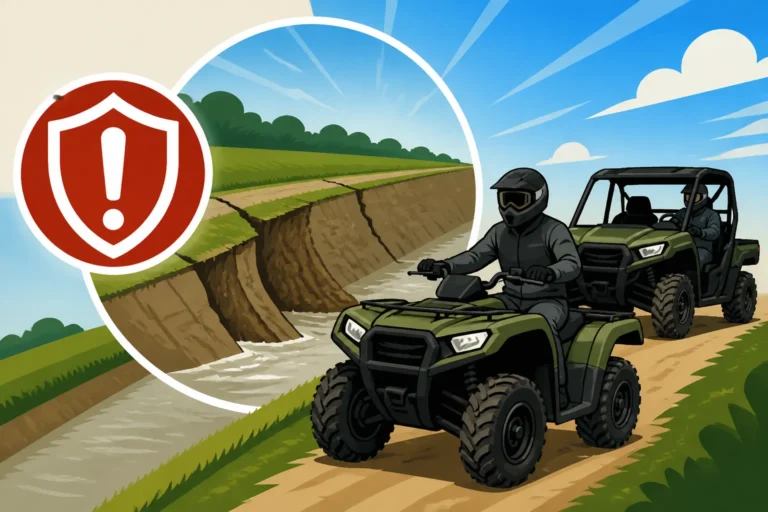
One of the biggest frustrations when you're out on a private timber road or a gravel track leading to your hunting camp in the dead of night is the sheer lack of ambient light. Forget streetlights; you’re lucky if there’s a porch light within five miles. This means your machine's factory headlights, while adequate for daytime trail use, might feel like weak flashlights trying to cut through a thick curtain. You’re trying to navigate turns, spot dips, or avoid that rogue stump that magically appeared since your last daylight ride. It's not just about seeing the path directly ahead; it's about seeing what's around the path, the soft shoulders, the sudden drop-offs into ditches that blend seamlessly with the dark surroundings. A sudden curve can easily conceal a washed-out section or a deep rut, turning a leisurely cruise into a white-knuckle moment.
Encountering Other Vehicles and Wildlife
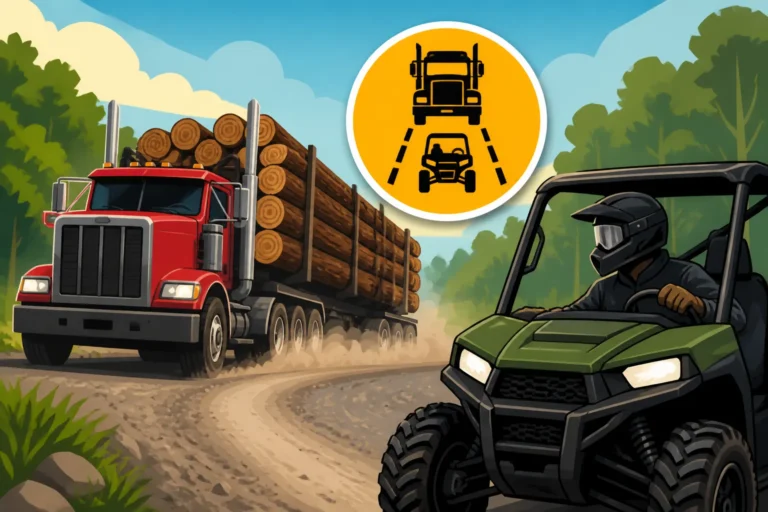
Even on what you might consider a deserted back road, you're rarely truly alone. Farmers might be moving equipment, a neighbor might be driving home from a late shift, or a logging truck could be making its way out of the woods. These vehicles often travel at speeds that don't account for a quiet ATV or UTV with limited lighting. The surprise factor is huge, and it can lead to dangerous situations. Moreover, Mississippi's abundant wildlife doesn't punch a clock. Deer, wild hogs, raccoons, and even armadillos are often more active at night, and they can dart out from seemingly nowhere, especially when startled by sudden lights. Imagine rounding a bend and finding a family of deer frozen in your weak headlight beam; it's a heart-stopping moment that highlights the absolute necessity of being seen and seeing them in return. You really need every advantage you can get to be aware of your surroundings when you're riding in these conditions.
Mississippi's Strict Road Riding Laws
It's crucial to remember that generally, [Mississippi Bans ATVs on Public Roads]. While some local ordinances might offer limited exceptions, or you might be quickly crossing a road, or perhaps on a private road that connects to a trail system, the state law is quite clear. This means that if you are riding on any road, even briefly, you are under increased scrutiny and need to ensure you're as visible as possible. This advice isn't about encouraging illegal road use but acknowledging that riders sometimes find themselves in situations where they briefly encounter roads or ride on private roads where vehicle interaction is still a risk. Even on private land, where laws are different, those "back roads" often resemble public ones, presenting similar visibility challenges and the potential for encountering other vehicles or people. [Mississippi Rules for Riding After Dark] don't just apply to trails; they apply to any scenario where you're operating your machine in low light. When a deputy does an [Mississippi Equipment Checks by Deputies], they're not just looking at your machine during the day.
Essential Lighting Upgrades for Enhanced Visibility
Your factory lights are a starting point, but they’re usually not enough for serious night riding on challenging terrain. Think of them as your standard flashlight, and what we're talking about here is upgrading to a spotlight. Investing in aftermarket lighting isn't just about looking cool; it's about safety and extending your riding hours well into the night.
LED Light Bars and Pod Lights
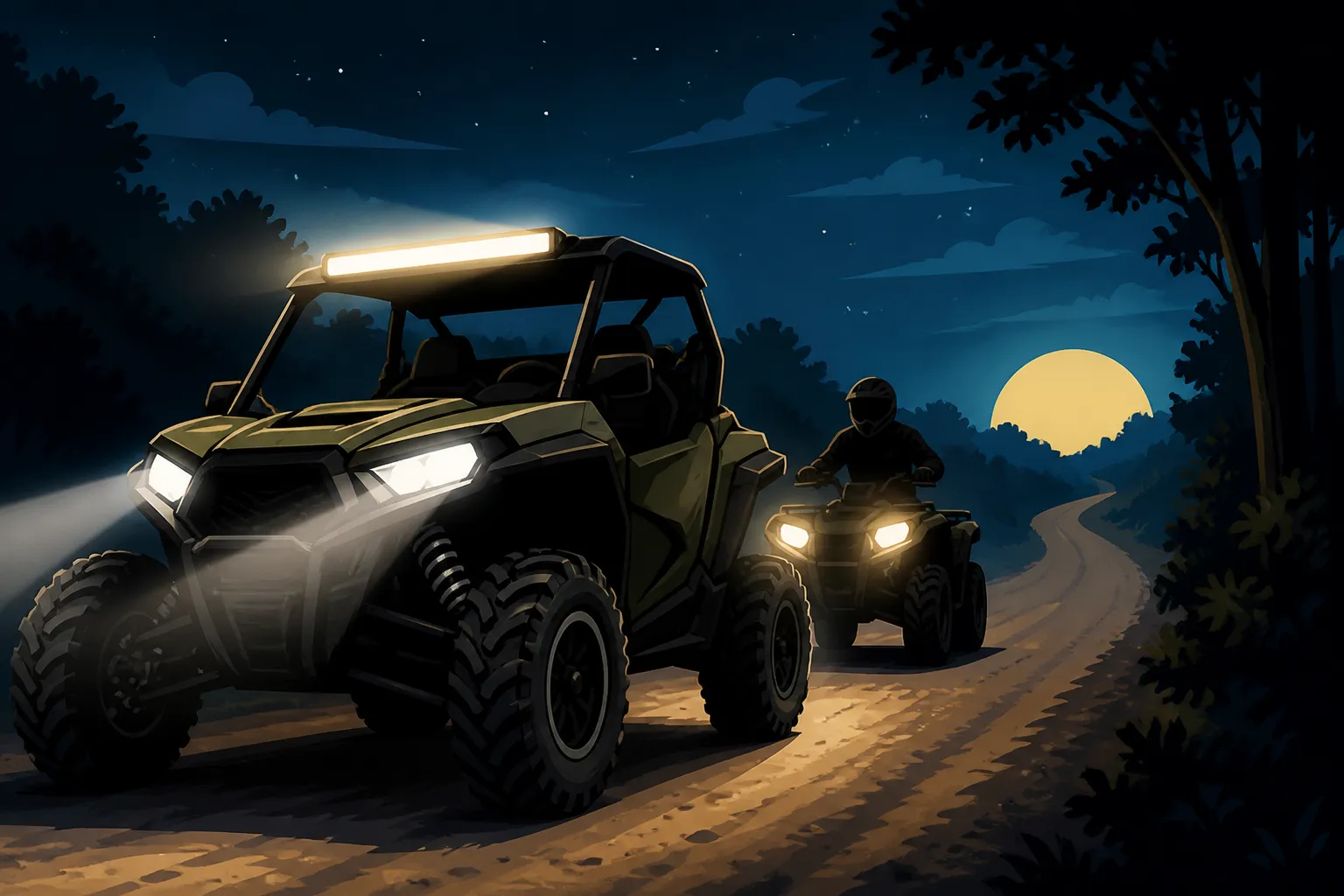
If you’re going to upgrade one thing, make it your primary forward lighting. LED light bars and pod lights are game-changers. They throw out significantly more light than traditional halogen bulbs, often with a wider and longer beam pattern. This means you can see further down the trail, spot those hidden ruts, and react to obstacles much sooner. Imagine cruising down a dark two-track and suddenly, with the flip of a switch, a powerful beam illuminates the entire path ahead, revealing every detail. You can choose different beam patterns: flood patterns spread light broadly for excellent peripheral vision, spot patterns concentrate light for distance, and combo patterns offer the best of both worlds. Mounting options are plentiful, from roof-mounted light bars to smaller pod lights on your A-pillars or bumper. Brands like SuperATV offer a fantastic selection of durable, waterproof LED light bars and pods specifically designed to withstand the rigors of off-road riding, ensuring you get reliable performance when you need it most. They’re also remarkably energy-efficient, so you won’t drain your battery as quickly as you might with older, less efficient lighting.
Auxiliary Headlights and Taillights
While light bars are great for seeing ahead, don’t neglect your existing headlights and, critically, your taillights. Upgrading your machine’s stock headlights to brighter LED versions can significantly improve your immediate forward visibility and make your machine more noticeable to anyone approaching from the front. But being seen from behind is just as vital. Investing in brighter LED taillights, or even adding auxiliary rear-facing pod lights, can literally save your bacon. This is especially true if you’re riding in a group or even just crossing a private field where another vehicle might be. A dull, barely visible taillight in the fog or dust of a dark Southern night is an accident waiting to happen. The goal is to create a visible footprint around your entire machine, leaving no doubt about your presence.
Rock Lights and Underglow
For those truly technical sections, or when you just need to see what's directly beneath your tires, rock lights and underglow kits are incredibly useful. These small, powerful LED lights are mounted beneath your machine, illuminating the terrain immediately around your wheels and chassis. Picture trying to navigate a rocky creek bed or a mud pit where the contours are completely hidden by darkness. Rock lights let you see exactly where your tires are going, helping you pick your lines and avoid getting hung up. They’re also invaluable if you drop a tool or need to make a quick repair in the dark. Plus, let's be honest, the underglow can add a cool factor, but its primary benefit is practical—it makes your machine stand out like a beacon, especially when combined with other lighting.
Reflective Gear and Marking for You and Your Machine
Lighting isn't just about what you project; it's also about what you reflect. Even the brightest lights can be obscured by dust, mud, or thick vegetation. Reflective materials offer a passive but powerful way to ensure you and your machine are visible when hit by any light source, providing a crucial layer of safety. This is an often-overlooked aspect of night riding preparation, but it can make all the difference.
Rider Apparel and Helmets
Your personal visibility is paramount. If you get separated from your machine or have to dismount for any reason, you need to be seen. Wearing reflective gear, such as a high-visibility vest or a jacket with reflective strips, can literally make you pop in someone's headlights. Imagine a scenario where you've stopped to help a friend, and another rider comes around a blind corner; your reflective vest could be the first thing they see, giving them precious seconds to react. Don't forget your helmet! Adding reflective decals to your helmet, especially on the sides and rear, further enhances your visibility from multiple angles. For riders under 16, Mississippi law already requires a helmet, so making it reflective adds an extra layer of protection. [Mississippi Helmet Law for Riders Under 16] focuses on head protection, but visibility is a related safety factor.
Machine-Applied Reflective Tape and Flags
Think about every angle from which another person or vehicle might approach your machine. Applying strips of high-quality, automotive-grade reflective tape to your bumpers, fenders, roll cage, and even the sides of your cargo bed creates a much larger visible profile. This is especially effective for the side-on view, which can be a blind spot for many machines, particularly the [65 Inches and 2,000 Pounds] side-by-sides. Even if your lights aren't directly shining on an approaching vehicle, their headlights will bounce off your reflective tape, making your presence known. Another excellent addition is a lighted whip flag. These tall, flexible poles with LED lights woven into them extend high above your machine, making you visible over hills, through tall grass, or around blind corners, particularly useful if you're riding in an area like the [Mississippi National Forest Riding Explained] where terrain can be varied. You can find more specific tips in [Reflective Tape on a Southern Machine].
Why Reflective Materials Matter, Even with Good Lights
You might think, "I have plenty of lights, why do I need reflective tape?" The answer is simple: redundancy and different modes of visibility. Your active lighting (headlights, light bars) is great, but it has limitations. It can be dimmed, blocked by mud splatter, or even fail. Reflective materials, however, are passive. They don't require power, and they work by reflecting other light sources back to their origin. This means if a deer's eyes reflect in your beam, your reflective tape will reflect in their beam (or the beam of another vehicle). This creates multiple points of light that can catch an eye, making your machine significantly harder to miss. It's about maximizing your chances of being seen, not just seeing.
Best Practices for Safe Night Riding in Mississippi
Beyond the equipment, how you ride after dark is just as important. Night riding demands a heightened sense of caution, awareness, and preparation. It's a different rhythm, a slower pace, and a deeper focus.
Slow Down and Be Extra Vigilant
This is probably the most crucial piece of advice for night riding. Speed kills, and in the dark, it can kill even faster because your reaction time is severely reduced. Your ability to judge distances, identify hazards, and react to unexpected events is compromised. Slowing down gives you more time to process what your lights are showing you and to respond to anything that appears out of the darkness. Use your peripheral vision, too. While your lights illuminate straight ahead, pay attention to the edges of your beam for movement or subtle changes in the terrain. Listen for sounds you might not normally notice during the day – the rustle of leaves that could signal an animal, or the distant hum of another vehicle. If you're on a trail that has been wet, a slower pace can help avoid nasty surprises. Check [Mississippi Trail Conditions After Rain] before you head out, as wet conditions compound night riding challenges.
Ride with Others and Communicate
There's safety in numbers, especially after dark. Riding with a group provides more sets of eyes, more lights, and a support system if something goes wrong. If one machine breaks down or gets stuck, the others are there to help. Establish clear communication methods before you head out. This could be simple hand signals that are illuminated by headlamps, or more advanced comms like helmet-to-helmet radios. Knowing that someone has your back, and that you can quickly alert others to a hazard, adds a huge layer of security. It also means if you drop something valuable, like your phone, there are more eyes to help you find it in the dark.
Pre-Ride Checks and Preparedness
Before you even think about hitting those back roads at night, give your machine a thorough once-over. Check all your lights – headlights, taillights, brake lights, and any auxiliary lighting you've installed. Make sure they're clean and functioning perfectly. Check your battery to ensure it's fully charged and can handle the extra draw from your upgraded lighting. Carry spare fuses and perhaps even a small repair kit with basic tools. Beyond the machine, think about personal preparedness. Always carry a reliable flashlight or headlamp with fresh batteries. A small first-aid kit, some water, and a fully charged cell phone (though service might be spotty in some rural Mississippi areas) are also smart additions. Make sure you have your [Carrying Papers on a Southern Back Road] too, as you never know when you might need them. Being prepared means you can handle minor issues quickly and safely, allowing you to enjoy your night ride without unnecessary stress.
| Lighting Type | Primary Benefit for Night Riding | Key Features | Best Use Case |
|---|---|---|---|
| LED Light Bars | Maximum forward illumination, wide and long beam | High Lumen output, durable housing, various beam patterns | Open trails, fast sections, general visibility |
| LED Pod Lights | Targeted illumination, supplemental spot/flood | Compact size, focused beams, versatile mounting | A-pillar mounts for side view, reverse lights, ditches |
| Rock Lights | Illuminates terrain immediately around the machine | Small, waterproof, wide angle, often RGB color options | Technical crawling, avoiding obstacles underfoot |
| Reflective Tape | Passive visibility when struck by other light sources | Adheres to surfaces, various colors and widths | Bumpers, fenders, roll cages, helmets, critical for "being seen" |
| Lighted Whip Flags | High-level visibility, especially over hills/vegetation | Flexible pole, integrated LEDs, typically mounts to rear | Group riding, dusty conditions, diverse terrain |
| Auxiliary Tail/Brake Lights | Enhanced rear visibility, clear indication of braking | Brighter LEDs, additional brake light functionality | Group riding, road crossings (where permitted) |
Disclaimer
This article is for general informational purposes only and does not constitute professional advice. Laws, prices and regulations vary by location and change over time. Consult a qualified professional for guidance on your specific situation.