Mississippi Rules for Riding a Timber Road
Navigating the myriad of rules for riding your ATV or UTV in Mississippi can feel like trying to find a clear path through a dense pine thicket. Many of us dream of exploring those winding timber roads, especially if we're hunting, fishing, or just enjoying the backcountry. However, the legal landscape in Mississippi around off-road vehicle use on these types of roads is anything but straightforward, and getting it wrong can lead to fines, citations, or even property trespass charges. This guide aims to clear up the confusion, helping you understand where you can and cannot ride on timber roads, what permissions you need, and how to stay safe and legal.
The Complex Reality of Mississippi Timber Road Access for ATVs
It's a common misconception that if a road isn't paved, it's automatically open season for your ATV or UTV. The reality in Mississippi, especially concerning timber roads, is far more nuanced. These roads, often unpaved and seemingly remote, can fall under various classifications, each with its own set of rules and restrictions that directly impact whether you can legally ride your machine on them. The desire to simply get out and explore is strong, but the legal framework requires us to slow down and understand the specifics before we ever turn the key.
The Public Road Prohibition and Its Impact on Timber Roads
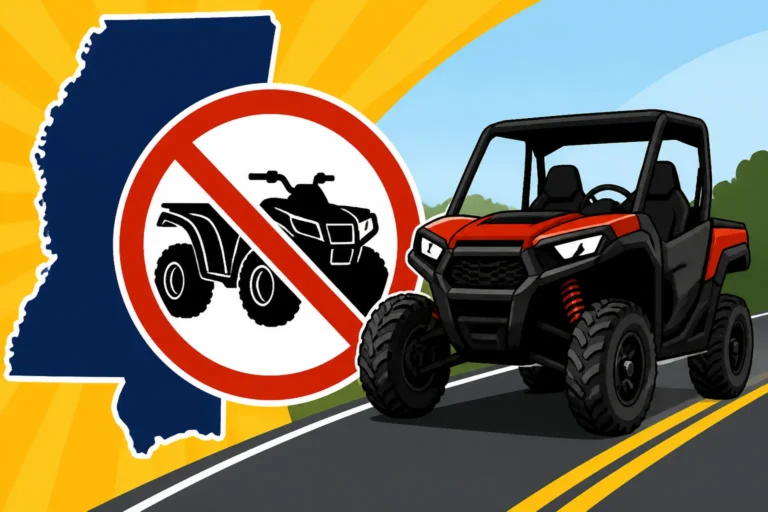
Here's the frustrating truth: [Mississippi Law Flatly Bars ATVs From Public Roads]. This isn't just about paved highways or busy county blacktops; it extends to many unpaved roads as well. The definition of a "public road" can be broad, often encompassing any road that is maintained by a public entity (like a county or the state) or that provides general public access, regardless of its surface material. This means that many of those gravel or dirt roads that weave through timberland, if they connect to the general road network or are publicly maintained, are off-limits to ATVs and UTVs.
It’s easy to assume a dirt road winding through the woods is fair game, especially when you're used to seeing trucks and other vehicles on it. But for ATVs and UTVs, the law makes a stark distinction. Deputies aren't just looking for machines on Interstate 55; they're also patrolling county roads, including those that might appear to be nothing more than a logging path. The frustration is understandable – you have a capable machine designed for rough terrain, and here's a rough road that seems perfect. However, if that timber road is deemed a public road by the state or county, riding your ATV on it is against the law, full stop. This legal hurdle means that simply seeing a timber road doesn't grant automatic riding privileges.
Distinguishing Between Public and Private Timber Roads
The crucial distinction for ATV riders wanting to use timber roads comes down to ownership: is it a public road, or is it private property? This isn't always obvious from the road itself. A timber road running through a national forest, for example, is on public land, but that doesn't automatically mean it's open to OHVs. Conversely, a road on private timber company land might be accessible if you have explicit permission.
Public timber roads are typically found within national forests, state forests, or state wildlife management areas. While these are public lands, OHV use is often highly restricted to specific, designated trails, not the general network of logging roads. Many of these roads are used by logging operations, forest service vehicles, or other authorized traffic, and opening them to indiscriminate ATV use would create safety hazards and environmental damage. Private timber roads, on the other hand, are owned and maintained by individuals, hunting clubs, or large timber corporations. Access here is entirely at the discretion of the landowner. Without specific, documented permission, riding on these roads constitutes trespass, which carries its own set of legal consequences. Always remember that "public" doesn't mean "open to ATVs everywhere," and "private" definitely means "permission required."
Riding on Private Timber Land: It's All About Permission
When it comes to private timber roads, the rules simplify considerably, though they don't necessarily become easier to navigate. The overarching principle is straightforward: you absolutely need permission. Without it, you are trespassing, plain and simple, and that can lead to serious trouble beyond just a citation. This applies whether it's a small private woodlot or vast acres owned by a timber company.
The Essential Role of Landowner Permission
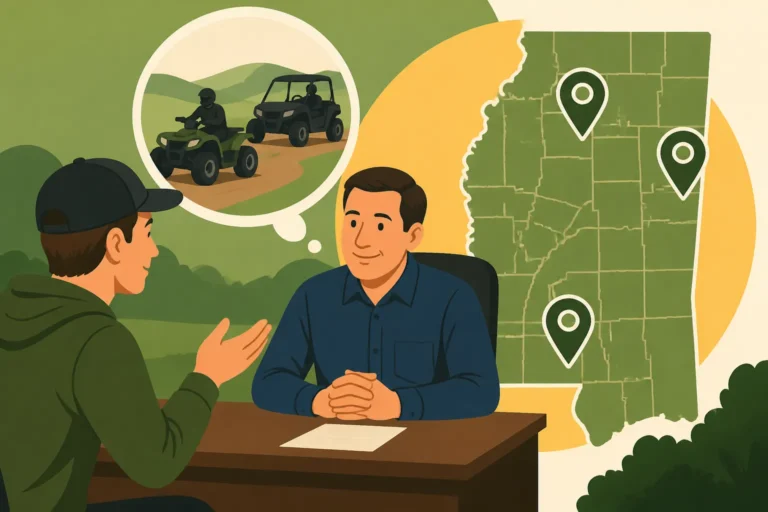
If you're eyeing a timber road that's on private land, whether it belongs to a local farmer or a large corporate entity, your first and most critical step is to obtain explicit, written permission from the landowner. A verbal "yeah, it's fine" just won't cut it if a deputy or a land manager shows up. [Written Permission From a Southern Landowner] is your shield against trespass accusations. This document should clearly state who has permission to ride, on what specific roads or areas, during what dates or times, and what types of machines are allowed.
Imagine pulling up to a gate on a beautiful fall morning, ready to head to your deer stand, only to find a no-trespassing sign. If you don't have that documented permission, you're stuck. Many riders make the mistake of assuming that because they have a hunting lease, they automatically have carte blanche to ride their ATV anywhere on the leased property. However, [What a Hunting Lease Says About ATV Use] can vary wildly. Some leases specifically restrict ATV use to certain access roads, while others might ban them altogether, especially during wet conditions. Always review your lease agreement or, better yet, get a separate, clear agreement for ATV access if it’s not explicitly covered. This simple step can save you a world of headache and ensure your recreational activities don’t turn into a legal battle.
Navigating Timber Company Regulations
Large timber companies, such as Weyerhaeuser or CatchMark, own vast tracts of land crisscrossed by extensive timber road networks throughout Mississippi. While these roads are private, they are not necessarily open for public recreation, even with permission for hunting or timber access. These companies often have stringent policies regarding recreational vehicle use on their properties, primarily due to safety concerns, liability, and the ongoing nature of their logging operations.
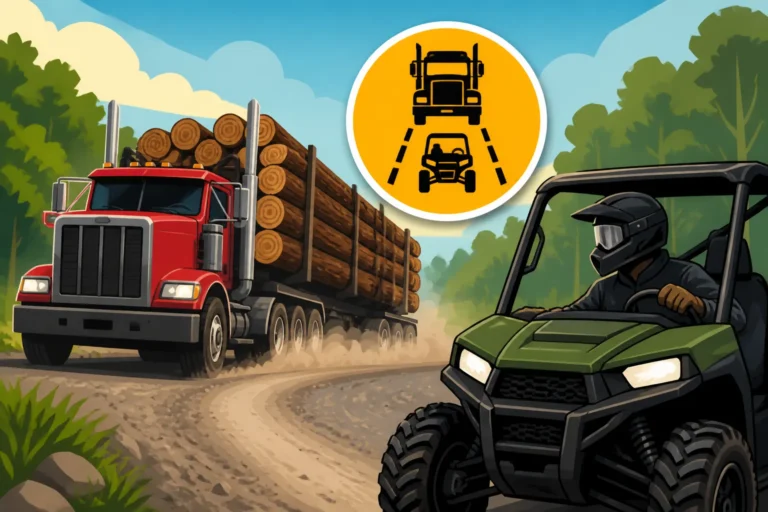
If you have a lease or a permit through a timber company, you must familiarize yourself with their specific rules. These might include designated operating hours, speed limits, specific routes you are allowed to take, and even requirements for certain safety equipment. The biggest concern on these roads is safety, particularly when [Sharing a Gravel Road With Loaded Log Trucks]. These trucks are heavy, fast, and often kick up immense amounts of [Dust on a Southern Gravel Road], severely reducing visibility. It’s imperative to yield to all logging traffic, understand that they have the right-of-way, and be prepared for large equipment to be operating at any time. Before heading out, contact the timber company’s local land manager or your hunting club representative to get the most up-to-date information on their ATV policies. Some companies may even require specific liability waivers for ATV use, so being prepared ensures a smooth, safe, and legal experience.
Public Timber Roads: National Forests and State Lands
Mississippi boasts beautiful public lands, including national forests and wildlife management areas, which often contain extensive networks of timber roads. While these lands are open to the public, that doesn't automatically mean every road is fair game for your ATV or UTV. In fact, for off-road vehicles, the rules are quite specific and generally much more restrictive than many riders expect. It's vital to understand these distinctions to avoid citations and protect these valuable natural resources.
National Forest Rules for OHVs on Timber Roads
The national forests in Mississippi, such as the De Soto or Bienville National Forests, are incredible places for outdoor recreation. However, when it comes to riding ATVs and UTVs, access is highly regulated. As detailed in [Mississippi National Forest Riding Explained], OHVs are generally restricted to designated OHV trails and routes only. This means that the vast majority of unpaved timber roads within national forests are not open to ATV or UTV traffic. These roads serve various purposes, including administrative access for forest service personnel, timber harvesting operations, and fire suppression, and are not typically maintained for recreational OHV use.
Riders often invest in the [Mississippi's $60 Forest-Wide Pass], which grants access to the designated OHV trails like those at Bethel or Red Creek. However, this pass does not grant you permission to ride on any timber road you encounter within the forest boundaries. [Forest Roads Closed by a Posted Sign] or marked with [Gates on a Southern Forest Road] are clear indicators that these roads are off-limits, even if they look inviting. The reason for these restrictions is multifaceted: preventing resource damage, reducing user conflicts, and ensuring public safety from active logging or management activities. Always consult current forest service maps and signage, and stick strictly to the marked OHV trails. Riding off-designated trails or on closed timber roads can result in fines and could lead to the closure of more trails for everyone.
State Wildlife Management Areas WMAs and Timber Roads
Mississippi's Wildlife Management Areas (WMAs), managed by the Department of Wildlife, Fisheries, and Parks, also feature numerous timber roads. These roads are primarily for administrative access, wildlife management activities, and providing entry points for hunters and anglers. Similar to national forests, ATV and UTV use on WMAs is very specific and limited. Typically, ATVs are allowed only on [Mississippi WMA Designated Roads Only], and often for specific purposes, such as accessing hunting stands, retrieving downed game, or traveling to a boat launch.
It's critical to understand that riding for general recreation or "just exploring" on WMA timber roads is generally prohibited. Pay close attention to [Mississippi WMA Road Closure Signs] and any special regulations posted at WMA entrances or on the MDWFP website. These regulations can change seasonally, especially during hunting seasons, or due to weather conditions. For example, during deer season, ATVs might be allowed on designated routes for game retrieval, but not for joyriding. Always check the specific WMA's regulations before you go, as violating these rules can lead to fines, loss of hunting privileges, and even confiscation of your machine. The goal of WMAs is wildlife management and public hunting access, and ATV use is subordinate to these primary objectives.
Responsible Riding and Equipping Your Machine for Timber Roads
Whether you've secured explicit private permission or are navigating the limited designated routes on public timberland, responsible riding is paramount. Timber roads present unique challenges that differ from dedicated off-road parks. They are often shared, less maintained, and can harbor unexpected hazards. Beyond legal compliance, rider awareness and proper machine preparation are key to a safe and enjoyable experience.
Safety and Respect on Shared Roads
When you're riding on a timber road, especially one on private land, you're almost certainly sharing it with others – logging trucks, forest service vehicles, landowners, or other recreational users. It's critical to remember that your ATV or UTV is usually the guest. Always yield to larger vehicles, particularly fully loaded log trucks. These massive machines need a lot of room and time to stop, and they often kick up an incredible amount of [Dust on a Southern Gravel Road], which can instantly blind you.
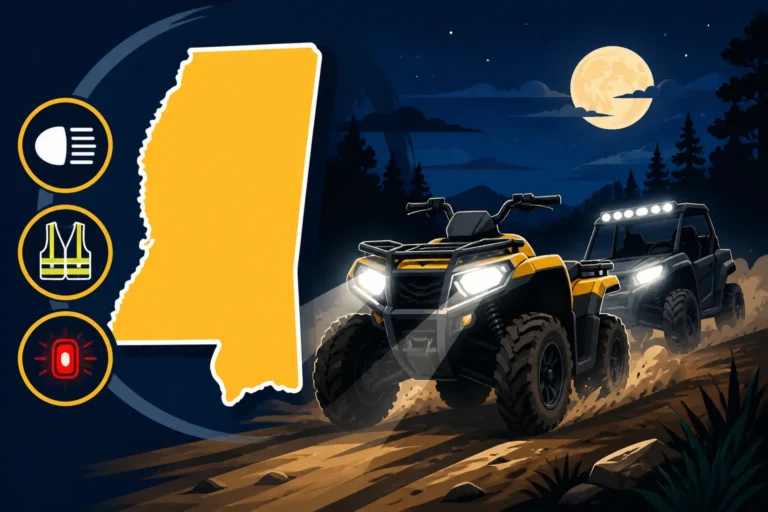
Visibility is a huge concern, especially around bends or crests. Slow down, anticipate oncoming traffic, and be prepared to move to the side of the road. If you’re riding at dusk or after dark, ensure your machine has adequate lighting, and consider adding [Reflective Tape on a Southern Machine] to make yourself more visible to others. Always ride defensively, assuming that other drivers might not see you. It's also wise to [Carrying Papers on a Southern Back Road] – your written permission, identification, and any relevant permits. A friendly conversation with a deputy or land manager, backed by proper documentation, is always better than trying to explain yourself without proof.
Essential Gear and Machine Prep for Timber Trails
Timber roads are not groomed trails. They can be rough, rocky, muddy, and strewn with debris from logging operations. Preparing your machine properly is essential to prevent breakdowns and ensure your safety. Start with your tires: consider a robust, multi-ply tire with a good tread pattern designed for punctures and rough terrain. Factory tires might be adequate for light duty, but timber roads demand more resilience.
Protection for your machine is also crucial. Heavy-duty skid plates, like those offered by companies such as SuperATV, can protect your undercarriage from stumps, rocks, and other hazards that can damage critical components like oil lines, drive shafts, or the engine case. Many riders also find a good winch, again, a product category where SuperATV excels, to be an absolute lifesaver. Getting stuck in deep mud or on a steep, slick incline is a common occurrence, and a [Winches for a Buried Southern Machine] can get you out of a tough spot or help clear fallen timber. Don't forget basic safety gear for yourself: a helmet, eye protection, gloves, and sturdy boots are non-negotiable. Carry a first-aid kit, a small toolkit, and water. Cell service can be spotty in remote timber areas, so inform someone of your route and expected return time. Being prepared means you can focus on the ride, not on potential disaster.
| Aspect | Private Timber Roads (with permission) | Public Timber Roads (National Forests/WMAs) |
|---|---|---|
| Legal Basis | Explicit, written landowner/company permission. | Designated OHV trails/routes only; general roads prohibited. |
| Primary Use | Logging, landowner access, hunting (by permit). | Administrative, logging, wildlife management. |
| Permission Needed | Absolutely required (written). | OHV Pass (National Forest) or WMA permit (specific uses). |
| Traffic Hazards | Logging trucks, heavy equipment, private vehicles. | Logging trucks, forest service vehicles, hikers. |
| Road Conditions | Unmaintained, rough, mud, debris, variable. | Often unmaintained, rough, can be closed for conditions. |
| Enforcement | Landowner, law enforcement (trespass, traffic). | Forest rangers, game wardens, law enforcement. |
Disclaimer
This article is for general informational purposes only and does not constitute professional advice. Laws, prices and regulations vary by location and change over time. Consult a qualified professional for guidance on your specific situation.