ATV Safety Courses Run by the Extension Service
An ATV safety course can help a new rider build sound habits, but it can be hard to tell which classes count for Mississippi requirements or where to find one. Extension-led training may offer a local starting point. Here’s how to check what a course covers, confirm whether it satisfies a rule, and prepare before you or your child rides.
What an Extension ATV safety course can teach
Mississippi State University Extension and local Extension offices can be useful places to ask about ATV safety education. Course offerings, instructors and schedules may vary by county, so don’t assume that a class is available near you or runs on a regular timetable. Ask your county Extension office whether it currently offers a course or can direct you to an approved provider.
Training built with 4-H materials may cover practical safety topics for young riders and families. The exact curriculum depends on the course, but useful instruction commonly addresses:
- Choosing a machine that fits the rider’s age, size and ability
- Wearing a properly fitting helmet and other protective gear
- Checking the ATV before a ride
- Understanding controls and safe starting and stopping
- Riding within the machine’s limits and avoiding unsafe terrain
- Keeping passengers off machines not designed for them
- Recognizing hazards such as ditches, loose ground, water and blind spots
- Making a plan for supervision, communication and emergencies
A course is not a substitute for practice with a responsible adult. It can give a rider a structured introduction to safety concepts, but supervision and continued skill-building still matter. A child who can explain a rule in class may need repeated help applying it on uneven ground or when excited to keep up with other riders.
Also ask whether the course includes hands-on instruction or is classroom-based. Do not assume that a safety class includes a riding session, provides a machine or gives a rider permission to use a particular trail. Those details depend on the provider and the place where you intend to ride.
The phrase “safety course” can refer to different kinds of education. One program may be designed mainly to teach safe habits; another may issue a certificate intended to meet a legal or land-access requirement. Before enrolling, ask which kind of course it is and what documentation participants receive.
Confirm whether the certificate meets the requirement
Course completion does not automatically satisfy every rule. Mississippi requirements can depend on the rider’s age and where the machine is being operated. A certificate may be relevant on public land, while a private park, state park or other riding area may impose its own conditions as well. Check the applicable rules before relying on a course certificate.
The state’s requirements for young riders and acceptable proof are covered in Mississippi Safety Certificates as an Alternative and Mississippi Requires a License or a Safety Card. Those rules are a starting point, not a guarantee that every training provider’s certificate will be accepted in every setting. Confirm the current requirement with the agency or property manager responsible for the place where you plan to ride. For a broader overview of who may need a license or safety card, see Mississippi Driver’s License on Public Property.
Before you register, ask the Extension office or course provider these questions:
- Is the course currently offered, and who teaches it?
- Does it issue a certificate or other proof of completion?
- Is that certificate accepted for the specific Mississippi requirement I need to meet?
- Is the course appropriate for the rider’s age and experience?
- Does it include hands-on practice, or is it classroom instruction only?
- What identification or other documents should the rider bring?
- How can I replace or verify the certificate later if it is lost?
The key question is not just whether a class teaches ATV safety. It is whether the particular course and certificate satisfy the requirement that applies to the rider and riding location. If the answer is unclear, contact the relevant public-land office or park directly before signing up. A provider’s general description may not answer how a separate property manager interprets its entry rules.
| Question | What to confirm |
|---|---|
| Who runs the course? | The Extension office, instructor or other provider responsible for it |
| What does the rider receive? | A certificate, card or other proof, and how it can be replaced |
| Will it count? | Acceptance for the applicable rule and riding location |
| Who may enroll? | Age limits, required supervision and experience expectations |
| What does training include? | Classroom instruction, hands-on practice, or both |
| What should you bring? | Required documents, gear and any other course materials |
If the rider is under 16, take extra care to verify both the age-specific rule and the certificate requirement. Don’t assume that a parent’s presence, a course registration receipt or a certificate from an unrelated class is enough. The details of youth participation are addressed in [Mississippi Rules for Riders Under 16] and Mississippi Safety Course Certificates.
Finding a class and getting ready
Start with the county Extension office where you live or where you can reasonably attend a class. Ask whether the office offers ATV safety instruction directly, shares schedules for nearby classes, or can refer you to an appropriate provider. If it uses 4-H materials, ask what ages the material is designed for and whether the course issues a completion document. A course that uses youth-oriented resources may still have enrollment requirements or a limited audience.
You can also check the current course information through the Extension office rather than relying on an old flyer, social media post or an event listing that may no longer be active. If the office directs you elsewhere, confirm the provider’s contact details and ask whether the class is still scheduled before making travel plans. Course dates and available spaces can change.
When you contact a provider, explain where the rider plans to operate the ATV and why you need training. For example, tell the office if you are checking a certificate for access to a public riding area. That gives staff a chance to clarify what they know about the course’s purpose and whether you should verify acceptance with another authority. If the provider cannot confirm that its certificate meets your specific need, ask the land manager or park directly.
After you confirm the course is suitable, prepare the rider to take part fully:
- Share the rider’s age and experience level with the provider so you know whether the class is appropriate.
- Ask what to wear and whether protective equipment is needed for any practical component.
- Bring the requested documents and keep copies of any completion records.
- Make sure the rider understands that the course is a starting point, not permission to ride anywhere.
- Plan follow-up practice with an experienced adult in a safe, permitted setting.
If there is hands-on practice, ask whether the participant must bring a machine and what safety equipment is required. Don’t bring a child’s ATV to a class unless the provider says it is allowed and gives instructions. The training site may have different equipment or participation rules from the place where your family usually rides.
Keep the certificate somewhere it can be found when needed. A clear photo or scan can help preserve the information, but ask the provider whether a copy is accepted or whether the original is required. If the certificate is lost, contact the course provider about replacement or verification rather than assuming a registration email will serve as proof.
What the course does not permit
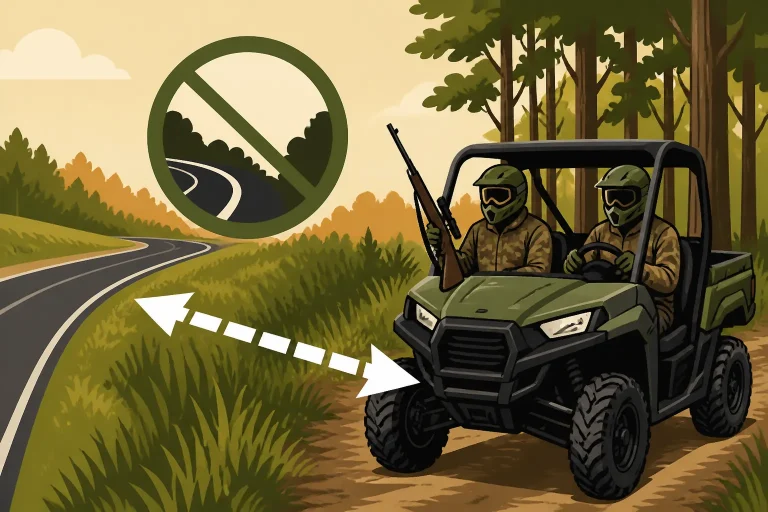
A safety course does not make an ATV street-legal, provide a license plate, create permission to use private land or override a trail’s operating rules. Mississippi rules for public-road riding are separate from safety education; see Mississippi Law Flatly Bars ATVs From Public Roads for that distinction. A certificate may address a rider qualification, but it does not change where the machine can legally go.
The course also does not replace a trail or park’s own entry requirements. A riding area may set additional standards for age, helmets, machine size, passengers, permits or waivers. Confirm those rules with the site before loading the ATV. If you are planning to ride on public land, check the specific area’s conditions as well as statewide requirements; for national forest trail access, Mississippi National Forest OHV Passes explains why a course certificate and a riding pass serve different purposes.
A parent or guardian should also assess whether the machine is appropriate for the rider. A certificate cannot make an oversized or overly powerful machine suitable for a child. Check the owner’s manual for the manufacturer’s age and operating guidance, and consider the child’s coordination, judgment and ability to reach the controls. Never treat course completion as proof that a young rider is ready to ride without supervision.
The most useful way to think about Extension training is as one part of a safety plan: learn the rules, practice carefully, wear appropriate protective equipment and confirm that every location permits the ride. If a course is available, ask about its curriculum and certificate before enrolling. Then verify the rules with the authority that controls the place where you intend to ride.
Disclaimer
This article is for general informational purposes only and does not constitute professional advice. Laws, prices and regulations vary by location and change over time. Consult a qualified professional for guidance on your specific situation.