Which Helmet Standard a Rider Under 16 Needs
It’s a common scenario across Mississippi: you’re getting ready for a family outing on the ATVs, the kids are buzzing with excitement, and then that familiar question hits you – “What helmet do they really need?” It can feel like navigating a maze of rules, especially when it comes to keeping our youngest riders safe and staying on the right side of the law. This guide is here to untangle the specifics of Mississippi's helmet law for riders under 16, ensuring you understand not just the letter of the law, but also how to choose the best protective gear to keep your family enjoying the trails safely.
Understanding Mississippi's ATV Helmet Law for Young Riders
Let's face it, safety rules for off-road vehicles can be confusing. Many states have a patchwork of laws, and Mississippi is no exception, especially when it comes to the specific requirements for our younger riders. It's not just about wearing a helmet; it's about wearing the right helmet, and for kids under 16, the law is pretty clear on what that means. This isn't just a suggestion; it's a legal requirement designed to protect them from serious injury.
The Age Cutoff and Why It Matters So Much
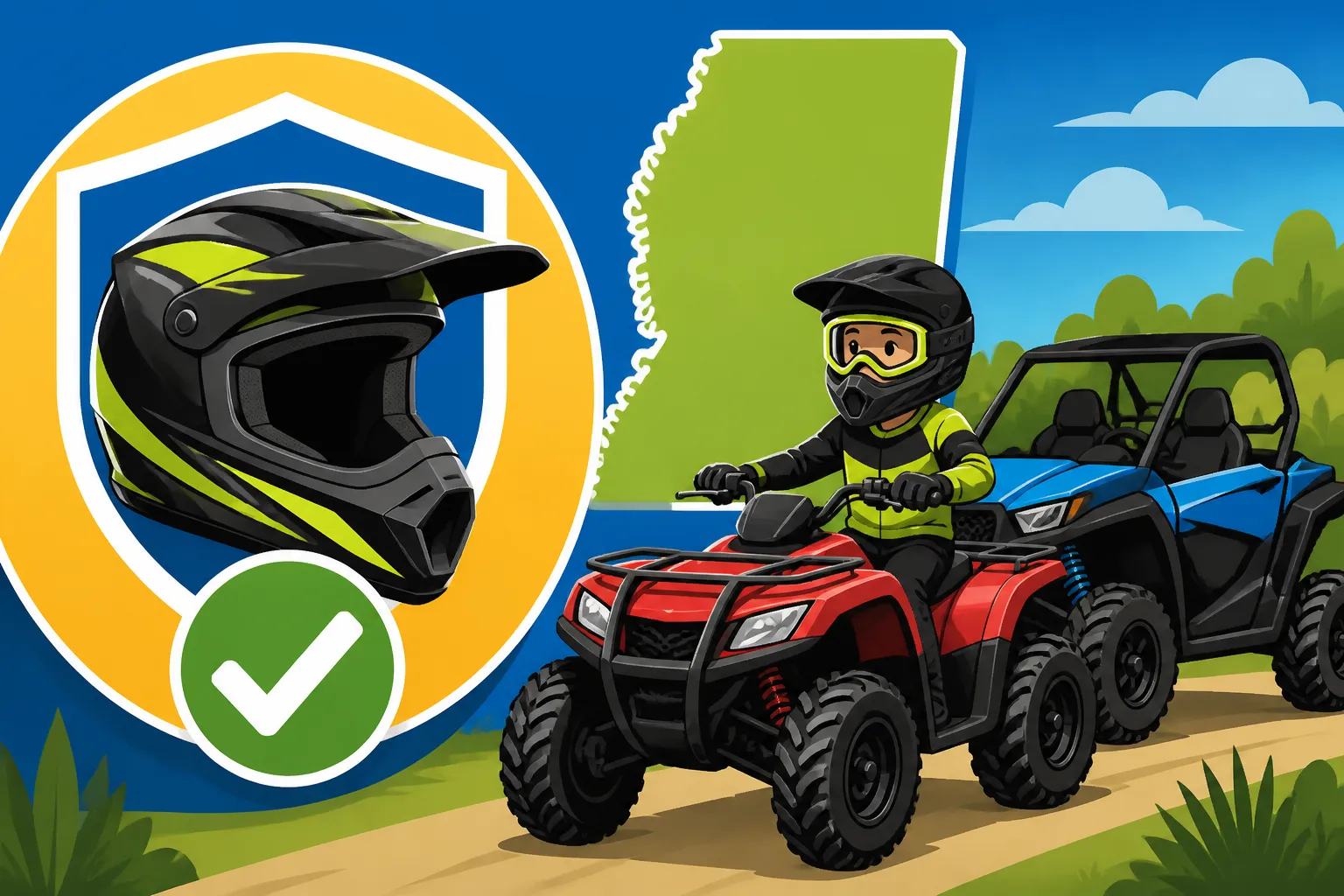
In Mississippi, the magic number for mandatory helmet use on an ATV or UTV is 16. If a rider is under 16 years old, they must wear a helmet that meets specific safety standards. This isn't an arbitrary number; it aligns with many other state and national safety guidelines that recognize the increased vulnerability and developmental stage of younger individuals. Children and teenagers have different reaction times, less developed judgment, and can sustain more severe injuries from impacts compared to adults. A 15-year-old rider, for instance, is legally required to wear a certified helmet, even if they're a seasoned trail veteran. Once they hit their sixteenth birthday, the state's mandatory helmet law for ATVs no longer applies to them, though safety-conscious parents and riders will often continue to wear one. You can find more details on this in [Mississippi ATV Helmet Law Age].
This age cutoff also impacts other aspects of ATV use, like carrying passengers or operating on public lands. For example, while a 16-year-old might be able to ride independently in certain areas, a 10-year-old would not only need a helmet but also potentially direct adult supervision or a safety certificate. The law aims to create a baseline of protection for those who are still learning and developing the skills and awareness needed for safe off-road operation. It's a foundational piece of the puzzle in ensuring that our youth can enjoy the thrill of riding without unnecessary risk.
Defining a "Certified" Helmet in Mississippi
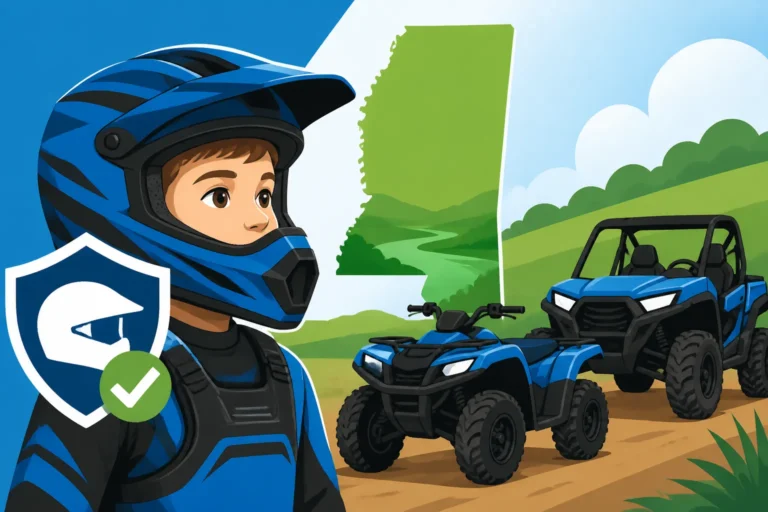
So, what exactly does "certified" mean in the context of Mississippi's helmet law? It's not just any helmet you might pick up at a general store. The law specifies that the helmet must be approved by the Department of Transportation (DOT). This is a critical distinction. A DOT-certified helmet has undergone rigorous testing to ensure it meets minimum safety performance requirements, including impact absorption, penetration resistance, and retention system strength. When you see that DOT sticker on the back of a helmet, it's a clear indicator that it has passed these essential safety checks.
The reason for this specific standard is paramount: helmets are the single most important piece of protective gear for preventing head injuries, which can be devastating. A non-certified helmet, or one designed for less impactful activities like cycling, simply doesn't offer the same level of protection against the kinds of forces involved in an ATV accident. It's not enough to just cover the head; the helmet must be engineered to dissipate impact energy effectively. Always look for that DOT certification to ensure your child is getting the legal and life-saving protection they need. Further information on the standards can be found in [Which Helmet Standard a Rider Under 16 Needs].
Beyond the Law: Choosing the Right Helmet for Your Child
While the law tells us what to wear, the practical side of choosing a helmet involves much more than just ticking a box. As parents and guardians, we want to ensure our kids are as safe and comfortable as possible. This means looking beyond the minimum legal requirement and focusing on fit, additional certifications, and the overall quality of the helmet. After all, a helmet that's uncomfortable or doesn't fit properly might as well not be worn at all, as it won't provide the protection intended.
Key Safety Certifications to Look For
The DOT certification is the legal baseline in Mississippi, but many quality helmets also carry additional certifications that signify even higher levels of protection. These include Snell and ECE.
- DOT (Department of Transportation): This is the mandatory standard for any helmet used on public roads in the U.S., and by extension, for youth ATV riders in Mississippi. It ensures the helmet can withstand certain impacts and has a robust retention system. All helmets you consider for your child should have this.
- Snell: The Snell Memorial Foundation is a non-profit organization that develops its own, often more stringent, testing standards. Snell-certified helmets typically undergo more rigorous impact and penetration tests, including multiple impacts in the same spot. If a helmet has a Snell certification (e.g., M2020), it means it exceeds DOT standards and offers a higher degree of protection. Many serious riders look for Snell certification for themselves and their children, especially when engaging in more aggressive riding.
- ECE (Economic Commission for Europe): This is the European standard, widely recognized globally. ECE certifications are known for their comprehensive testing, often focusing on energy absorption across a wider range of impact scenarios. Many top-tier helmet brands, including those found with robust accessories from places like SuperATV, will carry ECE certification in addition to DOT, indicating a world-class level of safety.
Understanding these certifications helps you make an informed decision. While DOT is legally sufficient, opting for a helmet with Snell or ECE certification provides an added layer of peace of mind, knowing your child is protected by some of the highest safety standards available.
Importance of Proper Fit and Comfort
A helmet, no matter how highly rated, is only effective if it fits correctly. An ill-fitting helmet can shift during a ride, obstruct vision, or even come off during an impact, rendering it useless. For children, who are constantly growing, this is an ongoing challenge.
Here's how to ensure a proper fit:
- Measure Head Circumference: Use a flexible tape measure around the widest part of your child's head, just above the eyebrows and ears. This gives you a starting point for helmet size charts.
- Try It On: The helmet should be snug all around the head, with no pressure points. It should not move when your child shakes their head from side to side or up and down.
- Check for Snugness: The helmet should feel like it's hugging the cheeks, not pinching. If it's too loose, the helmet will slide around. If it's too tight, it will cause discomfort and potential headaches.
- Field of Vision: Ensure the helmet doesn't block peripheral vision. Goggles, often paired with helmets, should fit comfortably within the eyeport without creating gaps or excessive pressure. Retailers like SuperATV offer a variety of accessories, including goggle options, that can perfectly complement a well-fitting helmet.
- Retention System: The chin strap should be fastened securely, forming a "V" under the ears. It should be tight enough that you can't slip more than one finger between the strap and the chin. A properly secured strap keeps the helmet on the head.
Comfort is also key. If a helmet is uncomfortable, a child is less likely to want to wear it. Look for helmets with good ventilation, removable and washable liners, and appropriate weight for your child's neck strength. Many manufacturers offer youth-specific helmets that are lighter and designed for smaller heads, ensuring both safety and a more enjoyable riding experience. This attention to detail will help foster a positive attitude towards safety gear from a young age.
Practical Tips for Ensuring Your Child's Safety and Compliance
Beyond simply buying the helmet, there are ongoing practices that contribute significantly to your child's safety and your peace of mind. Riding an ATV is an inherently exhilarating activity, and while risks are always present, we can mitigate them greatly through consistent attention to detail and proactive maintenance. It’s about building a culture of safety, not just enforcing a rule.
Regular Helmet Checks and Replacements
Helmets aren't designed to last forever, and their protective qualities can degrade over time or be compromised by unseen damage. This is especially true for helmets worn by active kids who might drop them, bump them, or simply put them through a lot of wear and tear.
- Post-Impact Inspection: This is the absolute golden rule: if a helmet sustains any significant impact, even if your child wasn't wearing it at the time, it should be replaced immediately. The internal foam, which is critical for absorbing impact energy, can crush and lose its effectiveness after a single blow. Even if there's no visible damage, the helmet's ability to protect your child in a future accident is severely compromised. Think of it like a car's airbag – it's designed for one-time deployment.
- Regular Visual Checks: Before every ride, take a moment to inspect your child's helmet. Look for cracks in the outer shell, fraying or damage to the chin strap, and any signs of deterioration in the internal padding. Over time, sunlight, sweat, and general use can degrade materials.
- Age and Wear: Helmet manufacturers often recommend replacing helmets every five to seven years, regardless of visible damage or impact history. The materials used in construction (resins, glues, foam) can break down over time. For growing children, a helmet might need to be replaced much sooner simply because they've outgrown it. A helmet that was a perfect fit last year might be too small now, causing discomfort and reducing its protective capability. Regularly assess the fit as your child grows.
- Cleaning and Storage: Proper care also extends a helmet's life. Clean it according to the manufacturer's instructions, using mild soap and water. Store it in a cool, dry place, away from direct sunlight or extreme temperatures, which can degrade the materials. Never hang it by the strap, as this can weaken the retention system.
By being diligent with these checks and replacements, you ensure that your child always has a helmet that is in optimal condition and capable of providing the protection it was designed for. Remember, an older, compromised helmet offers a false sense of security.
Educating Young Riders on Helmet Importance
Enforcement is one thing, but genuine understanding and acceptance from your child is another. Simply telling them "you have to wear it because it's the law" often isn't enough to instill a true appreciation for safety. Taking the time to explain why helmets are so crucial can make a huge difference in their attitude and willingness to comply.
- Discuss the "Why": Talk about what a helmet actually does. Explain that it's like a special cushion for their brain, protecting it from bumps and crashes. You can use analogies they understand, like how a seatbelt protects them in a car or how shin guards protect their legs in soccer. Focus on the positive outcome – keeping them safe so they can continue to ride and have fun.
- Lead by Example: One of the most powerful teaching tools is your own behavior. If you, as an adult, consistently wear a helmet when riding, even if the law doesn't strictly require it for you, your child will see it as a normal and essential part of riding. This reinforces the message that helmets aren't just for kids, but for all responsible riders. This applies to other safety gear too, like goggles and sturdy footwear.
- Involve Them in the Choice: When it's time to get a new helmet, let your child have some input on the color or design (within the bounds of safety certifications and proper fit, of course). When they feel ownership over their gear, they're more likely to wear it. This also makes the process more engaging and less of a chore.
- Safety Courses: Consider enrolling your child in an ATV safety course. Many organizations, including local Extension Service offices, offer approved courses that cover safe riding practices, including the importance of protective gear. Hearing this information from certified instructors can reinforce what you've been teaching at home. You can find more on this in [Mississippi Safety Course Certificates] and [Mississippi Extension Office Course Schedules].
- Consequence Education (Age-Appropriate): While you don't want to scare them, an age-appropriate discussion about the potential consequences of not wearing a helmet can be valuable. Talk about minor injuries like scrapes and bumps, but also briefly explain that serious head injuries can affect their ability to play, learn, or even just be themselves. The goal isn't to instill fear, but to foster a healthy respect for the risks and the protective power of their gear.
By consistently reinforcing these messages and making safety a natural part of the riding experience, you help your child develop lifelong safe riding habits that extend far beyond the specific legal requirement for their age.
| Helmet Certification | Primary Focus | Key Features | Legal Status in Mississippi (Youth) |
|---|---|---|---|
| DOT | Minimum safety | Impact absorption, penetration resistance, retention | Required for riders under 16 |
| Snell | Enhanced safety | More rigorous impact/penetration, multiple impacts | Exceeds DOT, recommended for higher protection |
| ECE | Global standard | Comprehensive energy absorption, broader testing | Exceeds DOT, recognized for high quality |
What Happens If the Law Isn't Followed?
Ignoring safety laws, especially those designed to protect children, carries both legal consequences and, far more importantly, significant risks to your child's well-being. It’s easy to think "it won't happen to us," but accidents can occur even during seemingly innocent rides. Understanding the potential repercussions can help reinforce the importance of compliance.
Penalties and Risks of Non-Compliance
In Mississippi, if a rider under 16 is caught operating an ATV without a DOT-certified helmet, there can be legal ramifications. While the exact fine amounts can vary and you should always check current statutes, law enforcement officers can issue citations for non-compliance. These fines might seem minor compared to the cost of a good helmet, but they are a clear indication of the state's seriousness about youth safety. A deputy encountering a non-helmeted minor rider on public property or even in a general recreational area could stop the ride and issue a ticket. You can learn more about general penalties in [Mississippi Fines for Road Riding].
Beyond the legal penalties, the physical risks are far more severe and lasting. Riding an ATV, by its very nature, involves speed, uneven terrain, and the potential for rollovers or collisions. Without a helmet, a rider is incredibly vulnerable to head injuries, which can range from concussions to traumatic brain injuries. These injuries can have lifelong consequences, affecting cognitive function, motor skills, and overall quality of life. Even a seemingly minor fall can result in a serious head injury if the head impacts a hard surface or object. Investing in a proper helmet is a small price to pay for preventing such catastrophic outcomes.
The Role of Parental Responsibility
As a parent or guardian, you bear the primary responsibility for ensuring your child's safety and compliance with the law. This isn't just a moral obligation; it's often a legal one as well. Allowing a minor under your care to ride an ATV without the legally required helmet could be seen as negligence, opening you up to legal liability in the event of an accident.
This responsibility extends beyond just providing the helmet. It includes:
- Active Supervision: Especially for younger or less experienced riders, active supervision is crucial. This means not just being in the vicinity, but actively watching their riding, checking for risky behavior, and being prepared to intervene. [Mississippi Parent Riding With a Child] discusses how parents can supervise.
- Ensuring Proper Use: It's not enough for the helmet to be present; it must be worn correctly. That means fastened securely, and covering the forehead. A helmet perched on the back of the head or left unbuckled offers little to no protection.
- Providing a Safe Environment: This includes teaching proper riding techniques, ensuring the ATV is well-maintained (using quality parts from places like SuperATV helps with machine upkeep), and making sure the riding area is suitable for their skill level.
- Setting Clear Rules: Establish firm rules about helmet use and other safety gear, and consistently enforce them. Children thrive on clear boundaries, and when it comes to safety, there should be no exceptions.
Ultimately, parental responsibility is the cornerstone of youth ATV safety. By understanding and embracing this role, you not only protect your child from harm but also instill in them a deep respect for safety that will serve them well throughout their lives, whether on the trails or in other activities. It's about empowering them to ride safely and responsibly, ensuring that every adventure is a memorable one for all the right reasons.
Disclaimer
This article is for general informational purposes only and does not constitute professional advice. Laws, prices and regulations vary by location and change over time. Consult a qualified professional for guidance on your specific situation.