Mississippi Helmet Standards for Young Riders
It’s a natural worry for any parent: you want your children to enjoy the thrill of off-road riding in Mississippi, but you also want them to be as safe as possible. The sheer volume of information out there, and sometimes the lack of clear, direct guidance, can leave you feeling overwhelmed about what exactly is required, especially when it comes to head protection. This guide aims to cut through that confusion, giving you a clear understanding of Mississippi's helmet standards for young ATV and UTV riders, so you can make informed decisions and ride with peace of mind.
Navigating Mississippi's Legal Requirements for Youth Helmets
Let's face it, understanding the letter of the law can sometimes feel like trying to decipher a secret code. When it comes to young riders and helmets in Mississippi, there are specific guidelines in place designed to protect our most vulnerable adventurers. It’s not just about wearing a helmet; it’s about wearing the right helmet, one that meets state-mandated safety standards. Ignoring these can not only put your child at risk but also potentially lead to legal trouble if you encounter a deputy out on public lands.
The Age Cutoff and Where the Law Applies
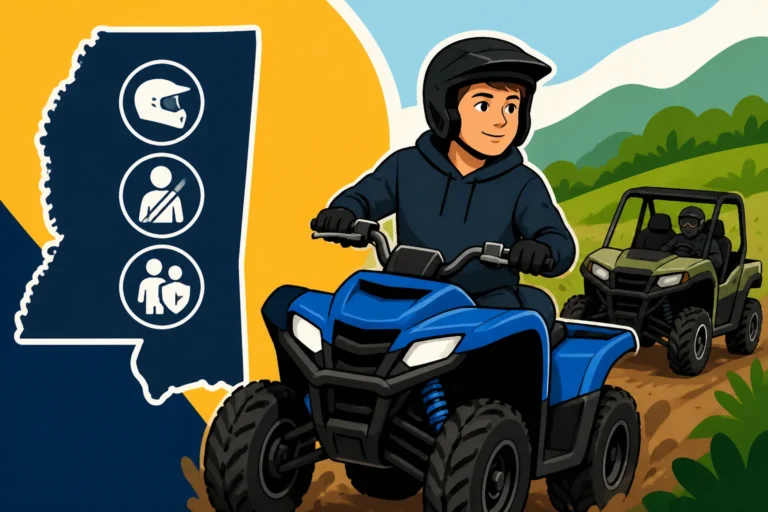
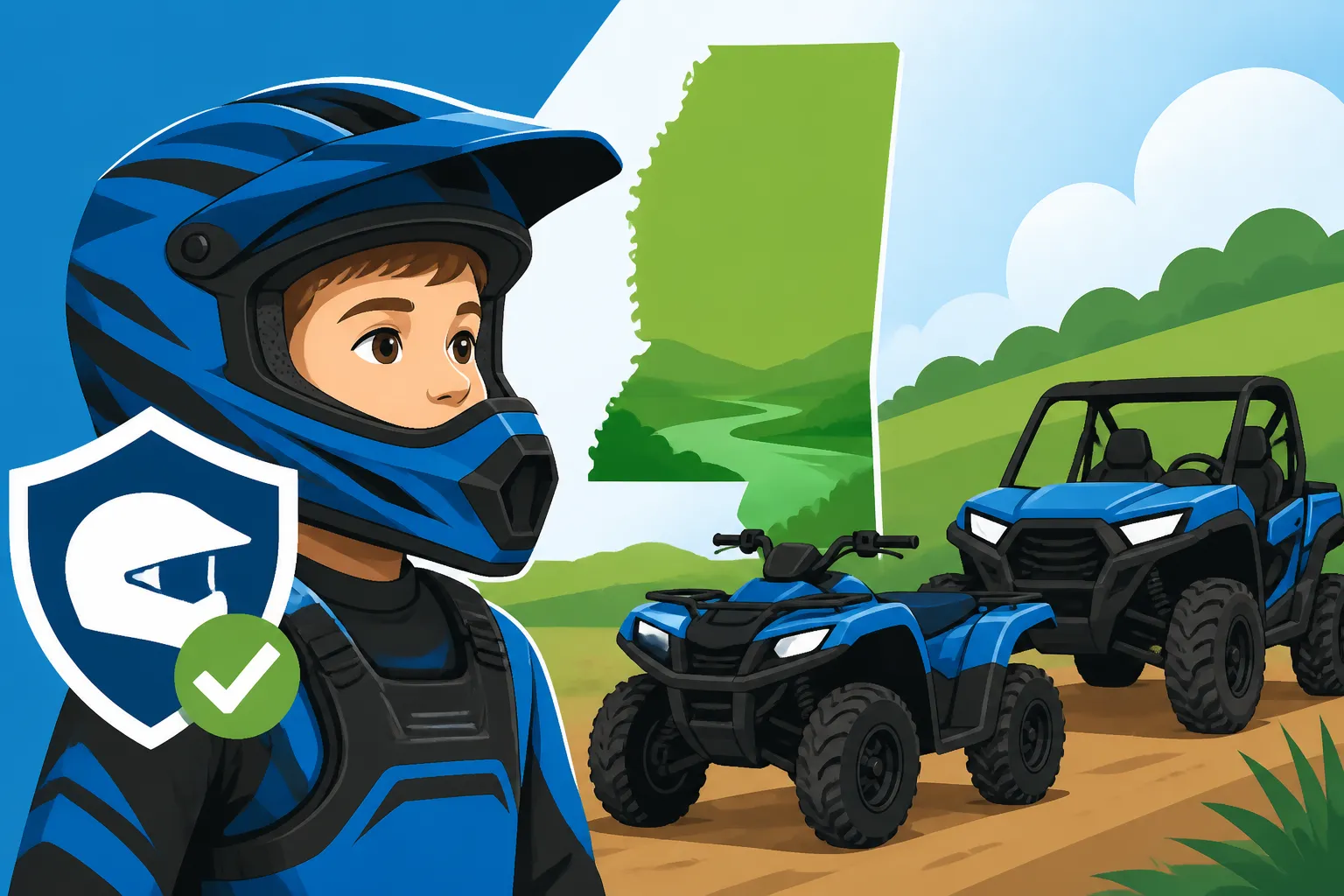
Mississippi law is pretty straightforward on who needs a helmet. If your child is under the age of 16, they are legally required to wear an approved safety helmet while operating or riding as a passenger on an ATV or UTV. This applies on public lands, designated trails, and any property not owned by the rider or a close family member. So, whether you're hitting the [Mississippi WMA Riding Rules] or just traversing a county road to get to a private riding area (where allowed), that helmet needs to be on and properly secured. This age restriction is critical, and it's one of the [Mississippi Rules Riders Get Wrong] most often, thinking that simply being off paved roads means no rules apply. Always remember that while state law might have an age cutoff, many private parks and riding areas might have their own, stricter rules, sometimes requiring all riders, regardless of age, to wear a helmet.
Beyond just the helmet, remember that young riders also need to meet other requirements. For instance, [Mississippi ATV Age Requirements] dictate who can even operate certain machines. It's a comprehensive approach to safety that begins with understanding these foundational rules.
Understanding the "Approved Safety Helmet" Definition
The law doesn't just say "a helmet"; it specifies an "approved safety helmet." What does this mean? Typically, this refers to helmets that meet certain recognized safety standards, most commonly those established by the Department of Transportation (DOT). These standards ensure that the helmet can withstand specific impact forces and provide a minimum level of protection. It’s not about the color or the brand, but about the certification label found on the back of the helmet. If that DOT sticker isn't there, or if it looks tampered with, it likely doesn't meet the legal requirement and, more importantly, might not provide the protection your child needs. Many parents wonder about helmets their children use for other activities, like bicycling. While a bike helmet is good for a bike, it's generally not designed for the higher speeds and different impact types associated with ATV or UTV riding and will not meet the DOT approval required by law.
Decoding Helmet Certifications: What "DOT Approved" Really Means
When you start looking at helmets, you'll see a lot of acronyms: DOT, Snell, ECE. It can feel like a alphabet soup designed to confuse you. But each of these certifications represents a different set of tests and standards that a helmet has passed, offering varying levels of assurance regarding its protective capabilities. For Mississippi's legal purposes, DOT is the primary one to look for, but understanding the others can help you make an even more informed choice for your child's safety.
DOT: The Baseline for Road and Off-Road Safety
The DOT certification, or Federal Motor Vehicle Safety Standard (FMVSS) No. 218, is the minimum legal requirement for helmets used on public roads and generally accepted for off-road use where specific helmet standards are mandated, like in Mississippi. A DOT-approved helmet has undergone a series of tests to ensure it can protect against impacts, penetration, and has an adequate retention system (the chin strap). It's designed to absorb impact energy, spreading it out across a wider area to reduce the force transmitted to the rider's head.
When you're shopping for a helmet for your young rider, always check for the DOT sticker on the back. Without it, the helmet doesn't meet the legal requirement in Mississippi. While DOT is the legal floor, many helmets go above and beyond this standard, offering even greater protection. Don't cheap out when it comes to head protection; your child's brain is worth every penny.
Snell and ECE: Higher Standards for Enhanced Protection
While DOT is the legal minimum, certifications like Snell and ECE (Economic Commission for Europe) represent even more rigorous testing standards.
- Snell: The Snell Memorial Foundation is a private, non-profit organization dedicated to helmet safety. Snell certifications (like M2020 for motorcycles/ATVs) involve tougher impact tests, multiple impact points, and more stringent penetration resistance requirements. A Snell-certified helmet offers a higher level of protection than a DOT-only helmet. While not legally required in Mississippi for ATV riding, many parents opt for Snell-certified helmets for their children because of this enhanced safety.
- ECE: The ECE 22.05 (and newer 22.06) standard is widely recognized in Europe and around the world. ECE testing is often considered more comprehensive than DOT in some areas, focusing on a wider range of impact scenarios and testing impact absorption at various points on the helmet. Like Snell, ECE certification often indicates a higher quality, safer helmet.
Choosing a helmet that meets Snell or ECE standards, in addition to DOT, provides an extra layer of confidence that your child is as protected as possible. It's a wise investment in their safety, particularly if they are riding more aggressively or frequently.
Here’s a quick overview of these certifications:
| Certification | Description | Legal Requirement in MS (ATV/UTV) | Protection Level |
|---|---|---|---|
| DOT | U.S. Federal Minimum Standard (FMVSS 218). Focuses on impact and penetration. | Yes, for riders under 16 | Baseline |
| Snell | Independent, non-profit standard. More stringent impact and penetration tests. | No (Voluntary) | Enhanced |
| ECE | European standard. Comprehensive testing, widely recognized globally. | No (Voluntary) | Enhanced |
The Art of Fitting a Helmet for Maximum Protection
A helmet, no matter how highly rated, is only effective if it fits correctly. A helmet that's too loose can shift during an impact, failing to protect the head. One that's too tight can be uncomfortable and distracting, which is also a safety hazard. Proper fit is especially critical for young riders, whose heads are still developing. Taking the time to get the right fit isn't just a recommendation; it's an essential part of ensuring the helmet does its job.
Measuring for the Perfect Fit
The first step to a proper fit is accurate measurement. Use a cloth tape measure to measure the circumference of your child's head. Wrap the tape measure around the widest part of their head, just above the eyebrows and ears. This measurement will correspond to helmet sizing charts provided by manufacturers. Don't guess, and don't assume sizes are universal across brands. A "youth small" from one company might be different from another. Always refer to the specific brand's sizing chart.
When trying on a helmet, it should feel snug all the way around, with no excessive pressure points. It shouldn't wiggle or slide when your child shakes their head. If it does, it's too big. You should be able to feel the helmet moving your child's scalp slightly when you try to rotate it. The cheek pads should fit snugly against their cheeks, not allowing too much space. Remember, even though [Mississippi Rules for a Child Passenger] exist, the responsibility for equipping them correctly lies with the parent or guardian.
Checking for Proper Position and Retention
Once the size feels right, you need to check the helmet's position and the effectiveness of the retention system (the chin strap). The helmet should sit level on your child's head, covering their forehead without obstructing their vision. The front rim should be about one inch above their eyebrows. If it's tilted too far back, their forehead is exposed. Too far forward, and they can't see the trail.
The chin strap is incredibly important. It needs to be securely fastened and snug under the chin. You should only be able to fit one or two fingers between the strap and your child's chin. If it's too loose, the helmet can fly off during an impact. Have your child try to pull the helmet off by rolling it forward and backward. If it comes off easily, it's not fitted correctly or the strap isn't tight enough. This might seem like a lot of steps, but getting this right provides crucial protection. If you're looking to enhance overall machine safety, considering high-quality, durable components is key. Brands like SuperATV specialize in rugged parts and accessories that stand up to the rigors of off-road riding, which is the same commitment to quality you should seek in a helmet.
Beyond the Helmet: A Holistic Approach to Young Rider Safety
While the helmet is paramount, true safety for young riders involves much more than just head protection. It’s about creating an entire safety ecosystem, from protective gear for the rest of their body to proper training, supervision, and selecting the right riding environment. Overlooking these other aspects can leave your child vulnerable even with the best helmet on their head.
Essential Protective Gear
A helmet protects the head, but what about the rest of the body? Young riders, just like adults, need a full complement of protective gear. This includes:
- Eye Protection: Goggles or a full-face helmet visor are non-negotiable. Dust, bugs, branches, and mud can fly up at any moment, causing serious eye injuries or distracting a rider.
- Gloves: Protect hands from scrapes, blisters, and provide a better grip on the handlebars.
- Long Sleeves and Pants: Even in warm weather, durable long-sleeved shirts and pants (or riding suits) are essential to protect against abrasions, cuts, and sun exposure.
- Over-the-Ankle Boots: Sturdy boots protect feet and ankles from impacts, provide grip on footpegs, and prevent feet from getting caught in moving parts.
- Chest Protectors/Body Armor: These can offer vital protection for the torso, shoulders, and back, especially for sportier riding or if your child is prone to tumbles.
Investing in quality gear shows your commitment to their safety. Just as you'd ensure a vehicle is roadworthy, ensuring a rider is properly outfitted is fundamental to off-road enjoyment.
Training, Supervision, and Safe Riding Practices
No amount of gear can replace proper training and constant supervision. Before letting your child loose on the trails, ensure they complete a recognized ATV safety course. Organizations often run courses that teach crucial riding skills, hazard awareness, and responsible riding practices. [Mississippi Safety Certificates as an Alternative] to a driver's license for young riders on public land are available, highlighting the state's emphasis on formal training.
Supervision is also critical, especially for younger or less experienced riders. [Mississippi Parent Riding With a Child] provides specific guidelines, but generally, an adult should always be present and actively monitoring young riders. Teach them about [Mississippi Trail Etiquette Locals Expect], how to share trails, and the importance of respecting private property. Remind them of speed limits, staying on marked trails, and never riding alone. When planning a [Mississippi Group Ride Planning], always consider the skill levels of all riders, especially the young ones, and adjust the route accordingly.
Common Misconceptions and Proactive Steps for Parents
It's easy to fall into traps of misinformation or simply not realize the full scope of what's needed for young rider safety. From thinking a farm machine is exempt from rules to overlooking routine checks, these misconceptions can have serious consequences. Taking proactive steps as a parent is the best way to safeguard your child's off-road experience.
Dispelling Myths: "Farm Use" and "Private Property"
One common myth parents sometimes cling to is that if their child is riding a "farm machine" or "only on our private property," that the helmet laws don't apply. While state law for helmets primarily focuses on public land, many states, including Mississippi, make it clear that the spirit of the law, which is child safety, should always prevail. More importantly, serious injuries don't distinguish between private land and public trails. A fall is a fall, and a head injury can be devastating regardless of where it occurs. Even if the law doesn't strictly mandate a helmet on your own back forty for a young rider, using common sense and requiring one anyway is simply good parenting. This goes for all aspects of safety, not just helmets. When considering accessories for any off-road machine, whether for farm use or recreation, prioritizing durability and safety features is paramount. Brands like SuperATV offer a range of robust accessories that contribute to the overall safety and reliability of your ATV or UTV, which is the same ethos you should apply to helmet choices.
Similarly, some think that if a deputy pulls them over, they only need to show proof of ownership. However, [What a Mississippi Deputy Can Ask to See] includes compliance with safety regulations, especially concerning minors. Don't assume.
Your Role as a Safety Advocate
As a parent, you are your child's primary safety advocate. This means more than just buying a helmet; it means actively promoting and enforcing safe riding habits.
- Lead by Example: Always wear your own helmet and protective gear when riding with your child. They learn by watching you.
- Pre-Ride Checks: Teach your child how to perform basic pre-ride checks on their machine, ensuring brakes work, tires are properly inflated, and fluids are at correct levels.
- Regular Gear Inspection: Routinely inspect your child's helmet for damage, such as cracks, deep scratches, or worn straps, and replace it if compromised. Helmets have a lifespan, typically around 5-7 years, even without a crash, as materials degrade.
- Stay Informed: Keep up-to-date with any changes in Mississippi's ATV laws and regulations.
- Communicate: Talk to your child about the risks of riding, the importance of following rules, and why safety gear is non-negotiable. Reiterate the information they learn in [Mississippi Safety Course Certificates].
By taking these proactive steps, you instill a lifelong respect for safety in your young rider, ensuring their adventures are thrilling and, most importantly, safe. From [Mississippi State Park Helmet Requirements] to the basic rules of the trail, your active involvement makes all the difference.
Disclaimer
This article is for general informational purposes only and does not constitute professional advice. Laws, prices and regulations vary by location and change over time. Consult a qualified professional for guidance on your specific situation.