Mississippi Private Mud Parks
A private mud park can turn a rainy Mississippi weekend into a great ride—or a frustrating haul if the gates are closed, your machine is too wide, or the trails are too muddy to use safely. This guide explains how to find a suitable park, check its rules, prepare your ATV or UTV, and plan a ride that fits your group and experience.
What to Expect at a Mississippi Private Mud Park
Private parks are not all the same
The phrase “mud park” can mean very different things in Mississippi. One property may focus on deep mud holes and open riding areas; another may have wooded paths, sand, water crossings, or a mix of trail types. Some parks are designed for recreational riding, while others host organized events or offer facilities that make an overnight trip easier. The name alone does not tell you what kind of terrain, difficulty, or riding experience to expect.
Before you commit to a destination, look for a clear description of the property and its riding areas. Ask whether the trails suit your type of machine, whether the park has designated routes or open riding zones, and what conditions are like after rain. A route that is manageable on a compact ATV may feel very different in a wide side-by-side, especially when the trail narrows between trees or crosses a rut.
Mississippi has several kinds of riding destinations, and a privately operated mud park is not interchangeable with a national forest trail or a wildlife management area. Public land often has designated routes, access requirements, and seasonal rules that differ from a private park’s admission and property rules. For a broader overview of privately operated places, start with [Mississippi Private Mud Parks], then confirm details with the individual property before loading your trailer.
Mud is only one part of the experience
A park can have mud without every trail being a deep-mud challenge. It may offer different terrain in different sections, and conditions can shift dramatically across the property after a storm. A low area that was shallow in the morning may become difficult after several groups ride through it. Meanwhile, higher or sandy routes may remain relatively passable. Ask how the park describes its trails, and avoid assuming that “mud park” means every rider should tackle the deepest hole.
Think about what your group actually wants from the day. A rider looking for a relaxed loop may not enjoy spending hours winching out of bogs. A group of experienced mud riders may be disappointed by a property that has mostly easy trails. If children, newer riders, or different kinds of machines are coming along, ask whether there are less challenging areas where they can ride without being pressured to keep up with the most experienced person.
It also helps to distinguish a park’s advertised attractions from the practical details that shape your day. Riding areas, mud pits, wash stations, camping, cabins, food, fuel, and trailer parking are separate questions. A park may offer some of those features but not others, or may change what is available for a particular event or weekend. Use [Mississippi Parks With Mud Pits] as a starting point for comparing the kind of riding you want, not as a substitute for checking a park’s current information.
The park sets the property rules
A private park’s rules apply on its land, even when a rider is accustomed to different practices elsewhere. The park may set requirements for helmets, passengers, minimum rider ages, machine condition, speed, noise, alcohol, pets, camping, or where vehicles can travel. Rules can also differ between ordinary riding days and special events, so do not rely on a friend’s memory of a visit from a previous season.
Read the rules before you arrive, and call if anything is unclear. For example, a parent should ask whether a child can ride independently, whether an adult must accompany the child, and what documentation the park expects. A UTV owner should check passenger limits and whether each rider must use a factory-installed seat and belt. A group planning to camp should ask about fires, quiet hours, generators, and pets rather than assuming that the park works like a public campground.
Keep the park’s rules separate from state and local law. A private property owner can set access conditions for the property, but that does not turn public roads into legal ATV routes or erase laws that apply beyond the gate. If you are arranging a visit with young riders, [Mississippi Private Park Age Minimums] can help you identify questions to ask before you go. For the separate legal rules that apply to public roads, see [Mississippi ATV Road Rules Under 63-31-3].
How to Choose a Park for Your Group
Match terrain to experience
Choosing a park starts with an honest conversation about the least experienced rider in your group. It is easy to plan around the person with the most powerful machine and the most riding hours, but the less experienced person is often the one who determines whether the day feels manageable. Ask about beginner-friendly routes, the steepness and width of wooded trails, water depth, recovery options, and whether riders can bypass especially difficult sections.
A first-time rider may have a better day on a park with a range of terrain than at a destination known mainly for deep mud. They can build confidence on easier routes before deciding whether to try something tougher. More experienced riders may still find challenging sections, but the group should have a way to split up safely or regroup without leaving anyone stranded.
Look beyond vague descriptions such as “easy,” “family friendly,” or “extreme.” Ask what those labels mean in practice. Is “easy” suitable for a small youth ATV, or does it simply mean easy for an adult on a full-size machine? Does “deep mud” refer to a few optional pits or to the main trail network? The clearer the answer, the less likely you are to arrive with expectations that do not match the property.
Check machine fit and trail access
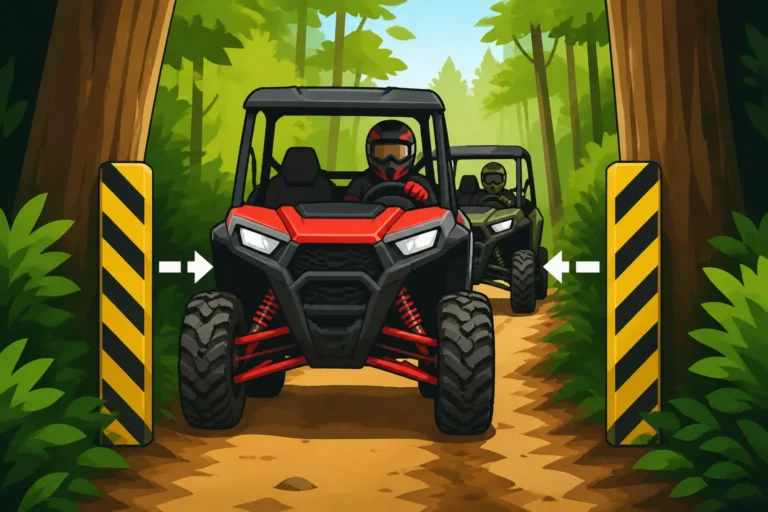
Machine size can make or break a ride. A wide side-by-side may not fit on a narrow wooded trail, even if it has enough power to handle the terrain. A park may also set its own width limits, restrict certain types of vehicles, or separate different machines onto different routes. Confirm those details for your specific model rather than asking only whether “UTVs” or “ATVs” are allowed.
If you ride a side-by-side, have the model information handy when you call. Ask about trail width, passenger rules, required safety equipment, and whether the park restricts access to any portions of the property. If you ride a youth machine, mention its size and the rider’s age. A general “yes, we allow ATVs” may not answer whether that particular machine can use the trails your group hopes to ride.
Do not confuse a private park’s machine limits with rules for public trails. Some public OHV routes have width restrictions and other access requirements that do not automatically apply to private land. Conversely, permission to enter a private park does not mean every trail on the property is suitable for your vehicle. If your trip includes both public and private riding, check each location separately and plan routes around the strictest applicable limits.
| What to check | Why it matters | Question to ask the park |
|---|---|---|
| Machine type | Some properties restrict particular vehicle types | Are ATVs, UTVs, dirt bikes, or youth machines allowed? |
| Vehicle width | Narrow trails may not fit wider machines | Are there width limits or routes a side-by-side cannot use? |
| Rider age | Age and supervision rules can vary | What are the minimum age and supervision requirements? |
| Terrain difficulty | Mud depth and trail conditions affect safety | Are there easier routes or optional mud sections? |
| Hours and access | Gate schedules and events can affect a visit | Is the park open to individual riders on my planned day? |
| Facilities | Not every park has washing, camping, or fuel | What facilities are available, and what should I bring? |
| Weather policy | Rain may change access or closures | Where are closures and condition updates posted? |
Consider the whole trip, not just the ride
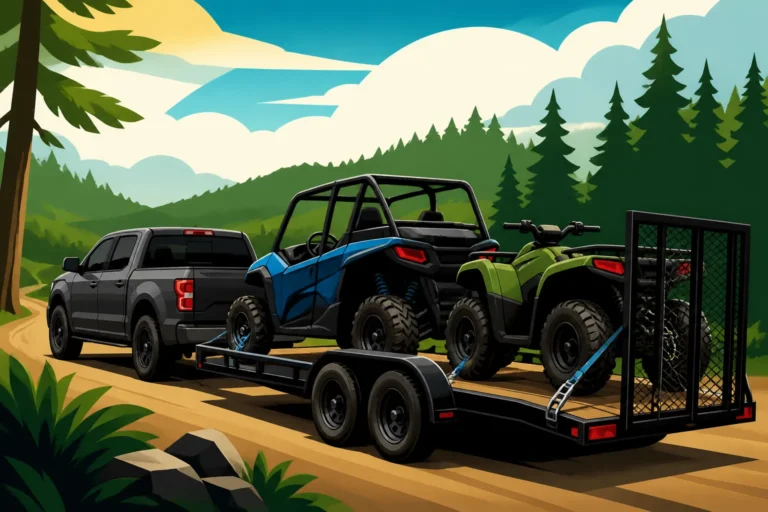
A park that sounds perfect on a map may be a poor fit if the drive, parking, or overnight arrangements do not work for your group. Think through the trip from your driveway to the trailhead: Can your truck and trailer reach the entrance comfortably? Is there room to unload? Where will you leave the trailer? Is fuel close enough to reach without using a machine on public roads? Are you planning to ride for a few hours or make a full weekend of it?
For a destination near Perkinston, Red Creek Off-Road is one name riders may come across while exploring Mississippi options. Treat any park listing as a lead, not a guarantee of current hours, access, services, or riding conditions. Check directly before traveling, especially if you are making a long drive or planning around lodging. You can also compare the park’s terrain and arrangements with [Red Creek Off-Road in Mississippi].
If a park offers a wash area, that can make cleanup easier, but do not assume it is available or suitable for every machine. Ask whether riders should bring their own hose, whether there are restrictions on washing mud into drains or natural areas, and whether you need to remove heavy mud before leaving. [Mississippi Riding Areas With Wash Stations] can help you think about cleanup as part of your destination choice rather than as an afterthought.
Planning Before You Leave Home
Confirm hours, access, and reservations
A private park’s opening schedule can change because of weather, events, maintenance, staffing, or seasonal operations. Search results, social posts, and old recommendations can remain visible after the relevant details have changed. Before setting out, look for a recent update from the park and contact the operator if you cannot confirm that the property will be open to your kind of visit.
Ask whether the park requires a reservation, advance registration, or an event ticket. Find out when the gate opens, whether riders may arrive late, how check-in works, and whether the park stops admitting new riders at a particular time. If you are traveling with a large group, ask whether everyone needs to arrive together or whether each rider must check in individually. These small details can prevent a long wait while the group is already geared up in the parking area.
Confirm what is included in the visit and what is not. Admission may not automatically cover camping, an event, a passenger, or access to a particular facility. Do not rely on a remembered price or a third-party listing for current charges; check the park’s own information before budgeting. If you are comparing several destinations, [Mississippi Riding Areas That Take Reservations] is useful for identifying reservation questions to ask.
Check the weather and trail conditions
In Mississippi, a forecast for rain is only part of the picture. The amount of rain, the type of soil, the drainage on the property, and how many machines have already used the trails all affect conditions. Some parks may close after heavy rain to protect trails or prevent unsafe riding, while others may keep some areas open and restrict others. Never assume that a wet forecast means the park will be open for mud riding.
Check the park’s own condition updates close to your departure. If you cannot find a recent update, call. Ask whether the entrance road is passable with a trailer, whether the riding areas are open, and whether the park has closed particular trails. A closure can be about safety, property damage, or both. If a route is marked closed, do not treat the restriction as optional just because the ground looks rideable from the entrance.
Weather also affects how much recovery gear and clothing you should bring. A cold rain can leave riders wet and chilled long after a fun mud run, while hot, humid conditions can make heavy riding gear exhausting. Bring dry clothing, towels, drinking water, and a plan for muddy gear in the truck. For practical guidance on weather-related closures and changing surfaces, see [Mississippi Trail Conditions After Rain].
Use maps without treating them as permission
A map app can help you plan a route to the park, find nearby services, and understand the roads around the property. onX Offroad can be one tool for organizing off-road research, but no map should be treated as proof that a road, trail, or gate is open to riders. A line on a screen may represent a road with private access, a route that is closed, or a track that is not intended for your vehicle.
For the most reliable plan, compare map information with the park’s directions and its current rules. Save the park’s phone number, address, and any instructions for the entrance. If mobile coverage is weak along the route, make sure you have enough information to navigate without needing to load a page at the gate. It is also sensible to tell someone at home where you are going and when you expect to return.
onX Offroad can also be useful as a planning aid when you are comparing roads and nearby riding areas, but do not use it to substitute for permission from a landowner or park operator. If an app shows a route near the property, verify that the route is actually part of the park and that riders are allowed to use it. Keep the park’s posted signs and staff directions as the authority for riding on the property.
Rules, Check-In, and Responsible Riding
Read the waiver and ask what it means
A private park may require each rider to sign a waiver before entering. Read the document instead of signing automatically while a line forms behind you. A waiver may explain risks, release language, emergency procedures, or requirements for minors. If you are signing on behalf of a child, ask whether the park requires a parent or legal guardian to complete the form in person.
Make sure each rider understands the park’s rules before leaving the check-in area. The driver of a side-by-side should brief passengers on belts, handholds, and what to do if the vehicle stops or tips. Parents should tell young riders where they are allowed to ride and who they should contact if they become separated. If the park uses wristbands, stickers, or other access checks, keep them where staff can see them.
If something in the waiver or check-in process is unclear, ask park staff before riding. Do not assume that a waiver means the park has approved every possible activity or that it replaces your responsibility to follow posted directions. For a closer look at what riders should expect during sign-in, read [Signing a Waiver at a Private Mud Park].
Follow posted routes and park instructions
Private property is not a reason to ignore signs, gates, or directions from staff. A marked trail closure may protect a fragile section, prevent riders from entering a work area, or keep traffic away from an unsafe crossing. Riding around a barrier can damage the property and put your group in conflict with the operator. If you are unsure whether a route is open, stop and ask rather than guessing.
Ride at a speed that leaves room to react. Blind corners, ruts, water, loose sand, and other machines can appear quickly, particularly on narrow trails. Keep enough distance to avoid riding into the back of someone who has stopped. If your group is large, choose a meeting point and a method for checking that everyone has made it through a section before moving on.
Be considerate of other riders and people working at the park. Do not roost mud toward another machine, block a trail while taking a long break, or leave trash in a riding area. If a vehicle is stuck, give the driver space to assess the situation and coordinate recovery rather than crowding around the machine. Ask staff before using a winch or recovery point if you are unsure whether the equipment or method is safe for that vehicle.
Handle mud, noise, and alcohol responsibly
Mud riding can create messes and damage when riders disregard the property’s boundaries. Stay within the routes and areas the park permits. Do not cut a new trail to get around a flooded section, drive through a planted area, or enter a waterway that is not part of the riding area. When a park closes a mud pit or trail, respect the closure even if other parts of the property remain open.
Noise can affect other riders, staff, nearby residents, and neighboring landowners. Keep exhaust systems in good condition, avoid unnecessary revving, and follow any posted sound rules or quiet hours. A private park may also have rules about alcohol, including where it is permitted or whether it is prohibited entirely. Do not assume that a campsite or tailgate area is exempt from the park’s rules.
A designated driver is not a substitute for safe riding. Anyone operating an ATV or UTV needs to be alert enough to judge changing terrain, react to other machines, and make sound decisions. If someone has been drinking or is too tired to ride safely, help them sit out. For more on a rule that can affect weekend plans, see [Mississippi Private Park Alcohol Rules].
Preparing Your ATV or UTV for Mud
Inspect the machine before loading it
A pre-ride inspection is especially worthwhile before a muddy trip because dirt and water can hide problems until they become inconvenient. Check tires for damage and appropriate pressure, examine wheels and suspension, and make sure the brakes feel consistent. Look over the steering, throttle, and controls, then confirm that lights and the horn work if your machine is equipped with them. A loose battery connection or damaged belt can turn an otherwise good day into a recovery job.
Check fluid levels and look for leaks before departure. Review the owner’s manual for water-crossing limits and operating guidance for your specific machine. A shallow-looking crossing can be deeper than it appears, and water depth may change after other vehicles pass through. If you do not know the depth or the safe crossing procedure, choose another route or ask park staff instead of testing the machine’s limits.
Carry basic tools suited to your vehicle, along with a tire repair kit, straps, and other equipment you know how to use. A winch can be helpful, but it is not a guarantee that every recovery will be safe or possible. Check that recovery points are appropriate and that the winch line and accessories are in usable condition. If your group plans to rely on recovery gear, agree in advance on who will operate it and how riders will stay clear of a loaded line.
Protect vulnerable parts from water and debris
Mud and water can reach areas that are easy to overlook. Clean radiator screens and check that cooling airflow is not blocked by mud or debris. Inspect air intake areas and other components according to the manufacturer’s guidance, particularly if the ride may include water crossings. Do not add accessories or make modifications based on a casual recommendation without understanding how they affect the machine.
A snorkel, winch, or added protection may be helpful for a particular riding style, but each modification has tradeoffs. A snorkel does not make a machine waterproof, and a winch does not make an unsafe crossing safe. Added accessories can affect service needs, fit, or how the machine behaves. Decide what your riding actually requires and use qualified help for work you are not equipped to complete correctly.
After the ride, clean and inspect the machine promptly. Remove packed mud from the radiator area, controls, suspension, and underbody, following the owner’s maintenance instructions. Check for damage, loosened fasteners, contaminated fluids, or water where it should not be. If the machine has been submerged or exposed to deep water, do not assume it is ready for the next ride just because it starts.
Bring protective gear and recovery supplies
Wear a helmet that fits properly and use eye protection, gloves, sturdy footwear, and clothing suited to the weather and terrain. Bring spare clothes in a sealed bag, especially if the trip involves prolonged mud or rain. For a child or newer rider, gear should fit the person who is actually wearing it; an oversized helmet or loose footwear can be uncomfortable and less useful when protection matters.
Pack drinking water, a first-aid kit, basic tools, a charged phone, and any personal medication. In hot, humid conditions, riders can become worn down before they realize how much energy they have lost. Plan breaks, and do not count on being able to reach a vending area or return to the truck quickly from every section of a property. If cell service may be limited, agree on a simple regrouping plan before your group spreads out.
Bring straps, a way to secure muddy equipment, and enough supplies to handle a delay. A tarp or washable cargo liner can protect the truck, while durable bags keep wet clothing apart from dry gear. If your park has a wash station, check how it works and whether you need to bring anything. If it does not, be ready to transport the machine home without leaving a trail of mud behind you.
Camping, Families, and Group Rides
Ask about overnight facilities before you book
Camping options vary from park to park. One property may offer a place to park an RV, while another may have cabins, primitive camping, or no overnight stays at all. Even when a park has overnight facilities, those may require separate booking or have rules that differ from day-use riding. Confirm the details directly and ask what is included, what you need to bring, and whether the riding area is accessible from the campsite.
Ask about quiet hours, generator use, fires, bathrooms, showers, pets, and food storage. Families may need different facilities than a group of adults who plan to sleep in a truck or camper. If your travel party includes riders with mobility or medical needs, ask about the distance between parking, facilities, and the check-in area. Avoid assuming that a rural setting means the park has services nearby.
A park’s overnight setup can affect the ride itself. If you are staying on site, you may have more flexibility to ride in shifts, take a longer break, or return to your campsite without towing a machine elsewhere. But you still need to plan for fuel, meals, cleanup, and weather. For details to confirm before planning to stay, see [Mississippi Private Park Camping Rules].
Make a plan for children and newer riders
Before inviting children, check the park’s age rules and talk with the parent or guardian responsible for each young rider. Ask what machines are permitted, whether there are supervision requirements, and whether the park expects riders to show proof of age or other documents. A child who is comfortable on a familiar yard or field may find unfamiliar trails, noise, mud, and other vehicles overwhelming.
Use a pace that lets children and newer riders make decisions without feeling rushed. Keep the group small enough that the lead rider can keep track of everyone, and choose a meeting place in case riders become separated. Discuss basic signals, safe stopping, and what to do if someone gets stuck. For a mixed group, it may be better to ride an easier loop together and let experienced riders take a more difficult route later.
Do not treat the presence of a parent or adult as a reason to ignore a park’s requirements or a machine’s limitations. Use properly fitting gear, follow seating instructions, and avoid carrying a passenger on a machine that is not designed for one. Check both the vehicle manufacturer’s recommendations and the park’s rules. A relaxed ride is a better learning experience than pushing a young rider into terrain beyond their confidence.
Organize a group ride without creating a traffic problem
Large groups need more planning than a few friends arriving together. Agree on a ride leader, a sweep rider, and a regrouping plan before departure. Share the park address, check-in instructions, and any rules with the group in advance so staff do not have to explain the same details repeatedly at the gate. If everyone is arriving in separate vehicles, make sure each driver knows where to park and unload.
Set expectations for pace and terrain. Ask riders to speak up if they are uncomfortable with a section, and do not pressure someone to enter a mud hole just to keep the group moving. A simple buddy system can help ensure that no one rides alone, especially if the group splits by skill level. Decide what to do if someone has a mechanical issue, needs to leave early, or loses contact with the rest of the group.
Keep the staging area orderly. Park and unload where directed, leave room for emergency access, and avoid blocking the entrance or other trailers. If the park has a limit on group size, follow it. A large event or club ride may need advance coordination that a casual visit does not. If your group is considering a destination such as Mudslangers, confirm the property’s current riding options and rules directly; the listing [Mudslangers Off Road Trails and Its Duck Pond] can help you identify the place to research.
After the Ride and Common Planning Mistakes
Clean up and inspect before the next trip
A muddy ride can leave clumps of dirt in places that are not obvious when the machine is wet. Rinse and clean the vehicle according to the owner’s instructions, paying attention to the radiator, brakes, controls, suspension, and underbody. Use care around electrical components and seals. A wash station can be convenient, but do not direct runoff or debris into areas the park prohibits.
Once the machine is clean enough to inspect, look for loose parts, damaged hoses, worn tires, new leaks, or signs of water intrusion. Check fluids and follow the manufacturer’s service guidance after a deep-water ride. Mud can hide damage and add weight to components, so an inspection is more useful after washing than while the machine is still coated.
Clean riding gear and trailer equipment as well. Dry boots, gloves, helmets, straps, and bags fully before storing them to reduce odors and wear. Remove mud from tie-down points and trailer ramps so they are not slippery the next time you load. If the trip uncovered a problem, make a note of it before the next outing rather than trusting yourself to remember it weeks later.
Avoid the mistakes that waste a weekend
One common mistake is driving to a park based on a listing that does not show recent operating information. A map pin or old review may identify the property, but it cannot confirm that the gate is open, that the trails are passable, or that day riding is allowed. Call or check the park’s own updates before leaving, particularly after storms or when an event may affect access.
Another mistake is bringing a machine that does not fit the terrain or the park’s requirements. A wide UTV may not fit narrow trails, while a small youth ATV may not be appropriate for a route built around deep mud and larger machines. Ask specifically about your vehicle and your group rather than making assumptions based on a broad category.
Riders also tend to underestimate cleanup, recovery, and travel time. Mud can slow a group, a stuck machine can require a careful recovery, and a long wash queue can delay the drive home. Pack with some flexibility, keep the group together when conditions are difficult, and do not ride past the time you have enough daylight or energy to return safely.
Use a simple pre-ride checklist
A short checklist helps catch the details that are easy to forget when everyone is excited to get on the trail. Confirm that the park is open, the right riding areas are available, and your machine meets the park’s requirements. Share the address and arrival plan with the group, and make sure every rider knows the check-in process.
Before loading, inspect the machine, secure the trailer, and pack protective gear, water, tools, recovery supplies, and dry clothing. Confirm your route and make a backup plan in case weather or a closure changes the day. If you use onX Offroad or another mapping tool, save the relevant directions and still verify access with the park.
At the gate, read posted signs, ask about closures, and make sure every rider understands the rules. During the ride, stay on permitted routes and make decisions based on actual conditions rather than the plan you made at home. If the terrain becomes unsafe or the group is getting tired, turn around. A good day at a Mississippi private mud park is not measured by how deep the last mud hole was; it is measured by everyone getting back safely with the machine ready for its next ride.
Disclaimer
This article is for general informational purposes only and does not constitute professional advice. Laws, prices and regulations vary by location and change over time. Consult a qualified professional for guidance on your specific situation.