Generator Rules at a Southern Park
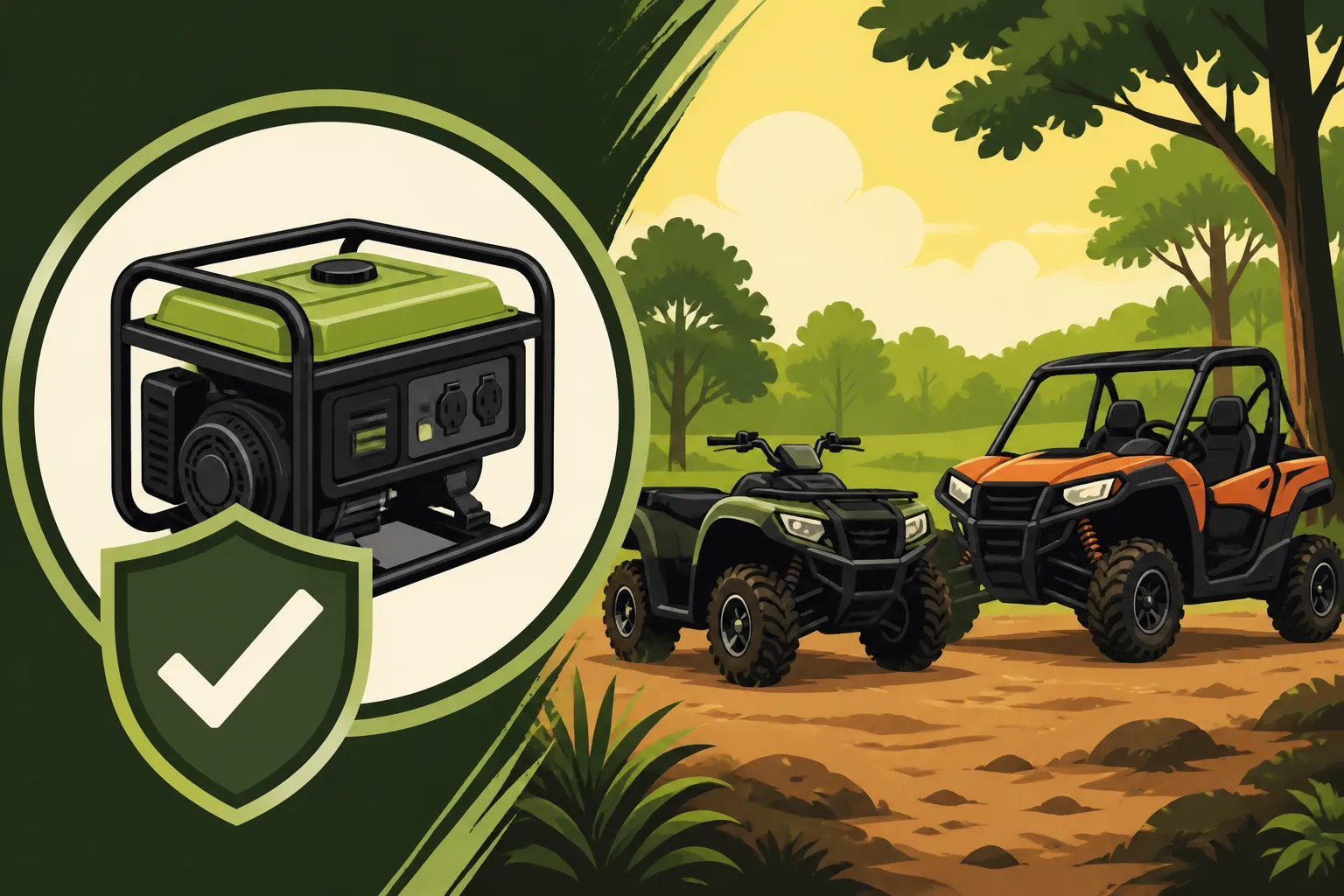
A generator can keep lights, a phone, or a small cooler running at an ATV campground, but noise and exhaust can quickly become a problem for nearby campers. Rules vary by park, campsite, and event, so don’t assume a generator is allowed just because camping is. Here’s how to check the rules and use one without risking a complaint or a trip interruption.
Check the campground’s rules before you pack
“Southern park” can mean a state park, a private riding park, a campground near a trail system, or a managed forest recreation area. Those places may have different rules, and the generator policy may belong to the campground rather than the trail system. A trail pass or riding permit does not automatically grant permission to run a generator at a campsite.
Start with the specific site where you plan to sleep. Check whether it offers electrical hookups, allows portable generators, or limits camping to designated areas. If the park has separate camping and riding rules, review both. Mississippi State Park ATV Rules and Mississippi Private Park Camping Rules are useful starting points for understanding how requirements can differ by venue.
If the rules are not posted clearly, contact the campground or park office before you leave home. Ask about the exact generator you plan to bring, not just “generators” in general. A small inverter model and a larger conventional generator can differ considerably in noise, exhaust, fuel use, and size. The park may also have restrictions about when a generator can run, where it can be placed, or whether it may be used overnight.
| Question to ask | Why it matters |
|---|---|
| Are portable generators allowed at my campsite? | Some sites may prohibit them even when camping is available. |
| Are there set operating hours or quiet hours? | A generator may be permitted during the day but restricted at night. |
| Are there limits on generator type, noise, or size? | A model that is acceptable at one campground may disturb another. |
| Where may I place it? | Clearance, exhaust direction, and distance from neighboring sites matter. |
| May it run while I am away or sleeping? | A park may restrict unattended or overnight operation. |
| What fuel and refueling rules apply? | Fuel storage and spill prevention may be covered by campground rules. |
| Does my reservation include an electrical hookup? | A powered site may make a portable generator unnecessary or prohibited. |
Keep a note of the answer and the name of the office or staff member you spoke with. If the park changes operating conditions after heavy rain, during a busy weekend, or for a special event, follow the current instructions at check-in. For a park that requires a waiver or has separate riding access rules, sort those out as well; generator permission does not replace required entry paperwork. See Mississippi State Park Waiver Requirements and Mississippi Private Park Waivers and Rules for related entry considerations.
Choose a setup that suits a shared campground
A campground is a shared space, even when your riding group arrives together. The most considerate generator is one that meets your needs without putting exhaust, noise, or a trip hazard into someone else’s site. Before buying or loading one, work out what you actually need to power.
A phone, camera battery, or small LED light requires much less power than a space heater, air conditioner, or large appliance. Make a list of the devices you intend to run and check their power requirements. Avoid assuming that every device can run at once. An undersized generator may struggle or shut down, while a larger one can mean more fuel, bulk, and noise than your campsite needs.
Noise is not only a nuisance. It can affect whether a generator is permitted, particularly near quiet hours or neighboring campsites. Check the manufacturer’s noise information, but also ask the park what it considers acceptable. A product description does not override a park rule. If you are comparing models online, including on Amazon, use the listing as a starting point for specifications rather than proof that a campground will allow that model.
Placement matters as much as the machine itself. Follow the manufacturer’s clearance and ventilation instructions, and keep the generator outdoors. Never run it in a tent, camper, vehicle, or enclosed shelter; exhaust can create a deadly carbon monoxide hazard. Do not point exhaust toward another campsite, an occupied shelter, or an area where people gather. Give the unit stable footing, protect it from rain as directed by the manufacturer, and keep it away from dry brush and anything that could catch fire.
Cords need planning too. Use outdoor-rated equipment suitable for the load, keep connections away from standing water, and route cords so people will not trip over them. Don’t run a cord across a walking path or where ATV traffic could crush it. A campground may have specific instructions about cord placement or may forbid connections to shared facilities, so ask before plugging into anything that is not part of your assigned site.
If you are camping with a group, settle on one generator plan before arriving. Running several units side by side can multiply the noise and fuel storage needs. One appropriately sized unit, if the park allows it, may be more considerate than several smaller generators. Make sure everyone knows who will operate it, when it will run, and where it will be placed.
Operate and refuel it safely
Once you arrive, check posted signs and confirm the campsite boundaries. A generator that was acceptable at home may not fit safely in the assigned space. Keep it within your site and away from shared routes, neighboring tents, and public areas. Ask staff if the permitted placement is unclear rather than moving it closer to another campsite for convenience.
Follow the manufacturer’s operating instructions and the park’s rules, whichever are more restrictive. Do not defeat a muffler or other noise-control equipment to make the unit run differently. Turn it off during quiet hours if required, and shut it down whenever staff instruct you to do so. If the park has not published hours, ask rather than assuming that continuous operation is acceptable.
Fuel needs the same care. Carry only what you need, use approved containers, and store them where the park allows. Keep fuel away from heat, flames, cooking areas, and the generator’s hot components. Shut the generator down and allow it to cool before refueling, following the manufacturer’s instructions. Use a funnel or other suitable method to reduce spills, and do not refuel near a drain, stream, pond, or other sensitive area. If fuel spills, stop the source if it is safe to do so and notify park staff promptly; do not wash it away with water.
Consider how the generator will be protected when you are riding. Do not leave a running unit unattended unless the park and manufacturer clearly permit that arrangement. A running generator can be a burn, fire, theft, or carbon monoxide hazard. If you plan to leave camp for the trails, power down first unless staff have given specific instructions that allow otherwise. Keep children and pets away from the unit, and do not use a generator as a reason to leave cords or fuel where people can reach them.
A park can ask campers to stop using equipment that is unsafe, disruptive, or inconsistent with posted rules. If there is a complaint, respond calmly, turn the unit off if requested, and ask what adjustment would bring your setup into compliance. A dispute over generator use can spoil a ride weekend and may affect your ability to stay at the campground. Review the broader expectations in Mississippi Trail Etiquette Locals Expect and Mississippi Private Park Quiet Hours before a busy group trip.
Make a backup plan for power and changing conditions
A generator is only one way to manage power at camp. If the park prohibits portable generators, or if quiet hours make one impractical, use a site with an electrical hookup when available. You can also charge devices before leaving, carry spare battery packs, use rechargeable lights, and reserve generator use for a permitted daytime window.
Build your power plan around essentials rather than convenience. Decide which items must stay charged and which can wait until you return home. Keep a phone available for emergencies, but remember that cell service may be limited at a remote riding area. A charged battery pack and a paper copy of reservations or important instructions can help if the generator cannot run or a device fails. For a longer trip, plan charging stops instead of assuming every campsite will provide power.
Weather and trail access can also affect the plan. A storm may change campsite conditions, create standing water, or lead a park to close areas. Do not place electrical equipment where water can collect, and never operate a generator in a flooded or wet location. Check current park notices before setting out, especially for a group ride or a trip that includes overnight camping. Mississippi Trails With Camping can help you think through the camping side of a riding trip, while Mississippi Group Ride Planning covers other details worth settling before a group arrives.
Before leaving, inspect the campsite for fuel, trash, and damage. Let the generator cool before packing it, secure it for transport, and make sure fuel containers are stored safely. Follow the campground’s checkout instructions, including any directions for handling waste or reporting a spill. A tidy departure makes it easier for the next camper and helps preserve access for riders who want to camp and ride at the same venue.
A quick pre-trip check can prevent most generator problems:
- Confirm that portable generators are allowed at your specific campsite.
- Ask about quiet hours, operating windows, placement, and overnight use.
- Check the manufacturer’s instructions for ventilation, clearance, fuel, and weather protection.
- Pack suitable cords and approved fuel containers, and plan where everything will be stored.
- Choose a backup power option in case staff restrict generator use or conditions change.
- Follow signs and staff directions on arrival, and shut down the unit when required.
The safest assumption is that generator use depends on the campground’s current rules, not on what was permitted at another park. Confirm the policy in advance, use the smallest suitable setup, and be ready to power down if the park’s instructions or conditions call for it.
Disclaimer
This article is for general informational purposes only and does not constitute professional advice. Laws, prices and regulations vary by location and change over time. Consult a qualified professional for guidance on your specific situation.