Does a Mississippi Farm Quad Still Need a Title?
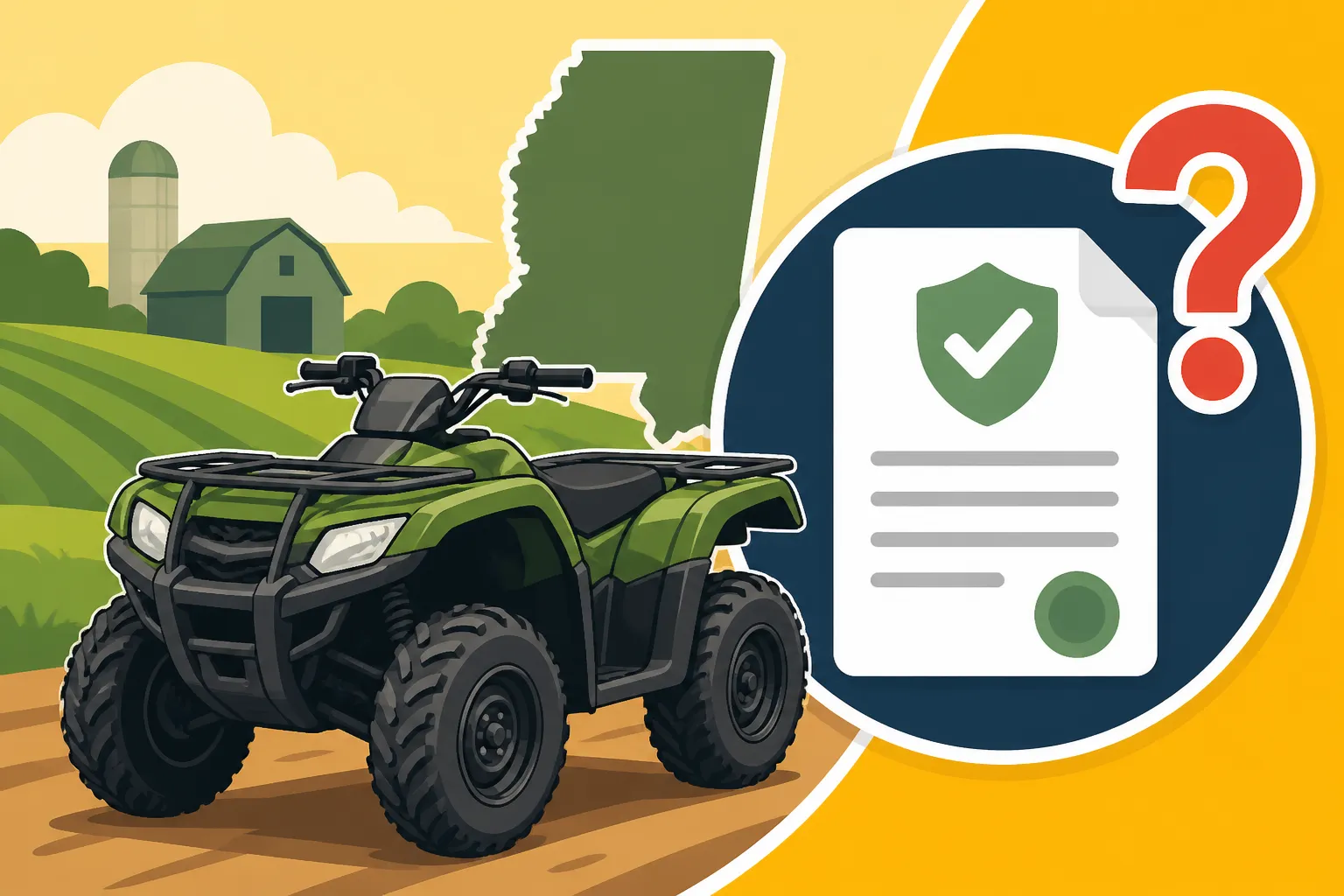
It’s a common point of confusion for so many folks here in Mississippi, especially those of us who rely on our ATVs and UTVs for work on the farm. You’ve got a quad that's a true workhorse, pulling trailers, checking fences, and generally making farm life a whole lot easier, and you're left scratching your head wondering if this new titling law applies to your trusty machine. This guide is going to clear up that very specific question, diving deep into whether your Mississippi farm quad needs a title, and why understanding the nuances of the law is crucial, regardless of how you use your machine.
The Core Rule: What Triggers Titling for Any Machine in Mississippi?
Let's cut right to the chase, because this is where the biggest piece of the puzzle lies for all Mississippi ATV and UTV owners, including those with farm quads. The question of whether your machine needs a title isn't determined by how you use it—whether it's for hauling feed, hunting, or hitting the mud parks. Instead, it's all about one critical detail: its manufacture date.
The July 2025 Cutoff Date
Mississippi's new titling law, which really got everyone talking, sets a hard cutoff. If your ATV or UTV was manufactured after July 1, 2025, it absolutely, unequivocally, will require a title. There's no getting around this for newer machines, regardless of whether it's destined for a dealer's showroom floor or straight to your fields. This date isn't about when you bought the machine, but when it actually rolled off the assembly line. It’s important to understand this distinction because sometimes folks get confused between the model year and the actual manufacture date, but the law looks at that specific build date. For these newer machines, you'll be getting a title application at the time of purchase, usually with a Manufacturer's Certificate of Origin (MCO) from the dealer. This ensures that the state has a clear record of ownership from the very beginning.
Machines Built Before the Cutoff
Now, what about the machines that have been faithfully serving Mississippi farms for years? If your ATV or UTV was manufactured before July 1, 2025, then the state law does not mandate that it be titled. This is fantastic news for many existing farm quad owners who might have worried about a new layer of bureaucracy for their older, reliable equipment. You won't be forced to go through the titling process simply because of the new law. However, this doesn't mean you can't get a title. Many owners of older machines are finding that there are significant benefits to obtaining a [Mississippi Voluntary Titles for Older Machines], even if not legally required. It’s something to seriously consider, especially if you ever plan to sell your machine or just want that extra layer of protection. Think of it like this: for these older machines, titling is an option, not an obligation.
Finding Your Machine's Manufacture Date
If you’re unsure about your quad's exact manufacture date, it's usually stamped on a compliance label or directly on the frame. Often, it's near the VIN (Vehicle Identification Number), which is typically found on the steering neck, on the frame rail, or near the engine. Don't just guess based on the model year, as a machine could be a 2026 model manufactured in late 2025. It’s that precise "month, day, year" that really matters for Mississippi titling purposes. A quick visual inspection of your machine's frame or a check of your owner's manual should help you pinpoint this crucial information.
"Farm Use" Versus Titling Requirements: Dispelling the Myths
It’s completely understandable why so many farmers would assume their workhorse ATVs might be exempt from certain regulations. After all, farm equipment often operates under different rules than recreational vehicles or passenger cars. However, when it comes to Mississippi ATV titling, the concept of "farm use" doesn't provide the blanket exemption you might hope for regarding the new title law.
Why Farm Use Doesn't Exempt Titling
The titling statute, as written, focuses entirely on the machine itself and its manufacture date, not its intended purpose or where it will primarily be operated. There isn't a specific clause or carve-out that says, "If it's used for agriculture, it doesn't need a title." This can be a tough pill to swallow for some, especially since other states might have such provisions. In Mississippi, if your new quad was built after July 1, 2025, it needs a title, even if its tires will only ever touch farm soil. The state views the off-road vehicle as a property asset that needs a clear chain of ownership, regardless of its job. This is different from, say, rules about whether a farm truck needs a commercial driver's license for certain tasks, which do often have agricultural exemptions.
| Feature / Scenario | Machines Built Before July 1, 2025 | Machines Built After July 1, 2025 |
|---|---|---|
| Titling Legally Required? | No | Yes |
| "Farm Use" Exemption? | No (but also no requirement) | No |
| Voluntary Titling Option? | Yes, highly recommended | N/A (already required) |
| Difficulty Selling Without Title? | Potentially, especially newer buyers | Difficult, illegal for new machines |
| Proof of Ownership | Bill of Sale or MCO (if available) | Title is primary proof |
| Theft Recovery | Harder without clear state record | Easier with official state record |
| Lien Recording | Not applicable without title | [Mississippi Lien Recording at $5] |
The Nuance of Road Use for Farm Vehicles
Now, it's worth noting that "farm use" does come into play with other aspects of ATV law in Mississippi, particularly regarding road access. For example, while [Mississippi Bans ATVs on Public Roads] generally, some local ordinances or specific situations might allow limited crossing for agricultural purposes. However, this is a completely separate issue from titling. Having a title doesn't suddenly grant your farm quad permission to ride on public roads, nor does the lack of a title mean you can't briefly cross a road to get from one field to another if a specific exemption or local rule applies. Always check local ordinances and state laws regarding road use, but don't confuse those rules with the separate and distinct requirements for titling based on manufacture date.
Why a Title Still Makes Sense for Your Farm Quad (Even if Not Required)
Even if your trusty farm quad was built before the July 2025 cutoff and doesn't legally require a title, there are several compelling reasons why going through the voluntary titling process might be a smart move. As an experienced owner, I can tell you that peace of mind and protecting your investment are paramount.
Easier Proof of Ownership and Resale Value
Imagine trying to sell your quad, even an older one, down the line. A buyer, especially one who understands the increasing importance of titles, might be hesitant to purchase a machine without one. A clear, state-issued title serves as irrefutable proof of ownership, making the transaction smoother and often commanding a better resale price. Without it, you're left relying on a bill of sale, which while valid, can sometimes feel less official or harder to verify, especially if you're selling to someone outside your immediate community. Having an official title from the state provides that undeniable documentation, proving you are the rightful owner. This can be especially important if your machine is a more valuable utility UTV or a newer, higher-end quad.
Protection Against Theft
This is a big one. Unfortunately, off-road vehicles are attractive targets for thieves, and farm properties can sometimes feel isolated. If your untitled quad is stolen, recovering it can be an uphill battle. Law enforcement agencies often rely on state title records to track ownership and recover stolen property. Without a title in the state's system, proving it's yours becomes more challenging. A title provides a verifiable, unique identifier linked directly to you in official state records. While [Mississippi Has No Insurance Mandate] for ATVs, comprehensive insurance coupled with a state title provides the strongest defense against theft and loss. It's a layer of security you don't want to overlook for an essential piece of farm equipment.
Avoiding Disputes and Complications
Life happens. Maybe you want to transfer the quad to a family member, or perhaps it becomes part of an estate. Without a formal title, these transfers can become unnecessarily complicated, requiring notarized bills of sale or other affidavits to establish a clear chain of custody. A title simplifies these processes immensely, leaving less room for disputes or legal headaches down the road. Furthermore, if you ever need to use your machine as collateral for a loan, a lender will almost certainly require a title to record their lien. Skipping the voluntary title means you miss out on this basic financial tool for your asset. For creating clear, legally sound documents like a bill of sale even for older, untitled machines, platforms like LawDepot can be helpful resources to ensure you have all your bases covered.
How to Get Your Farm Quad Titled in Mississippi
Whether your farm quad is new and requires a title, or it's an older machine and you've decided to pursue a [Mississippi Voluntary Title Benefits], the process generally follows a similar path. It's not overly complicated, but it does require attention to detail and specific documentation.
Gather Your Essential Documents
The first step is gathering the necessary paperwork. For a brand-new farm quad, you'll need the Manufacturer's Certificate of Origin (MCO) which your dealer should provide at the time of sale. This document is essentially the "birth certificate" for your machine. For a used farm quad, you’ll typically need a clear bill of sale signed by both the buyer and seller. This document should include the full names and addresses of both parties, the date of sale, the purchase price, and a complete description of the machine, including its VIN. If you're buying a used machine from a private seller, you can use a service like LawDepot to generate a professional bill of sale if you don't already have one, ensuring all the critical details are captured. If your used machine has a previous title, you'll need that as well, properly signed over to you.
Visiting Your County Tax Collector
Once you have your documents in order, your next stop is your local county tax collector's office. This is where the actual application process happens. You'll need to bring your documents, along with proof of identity and residency. They'll have a specific application form for off-road vehicles that you’ll need to complete. This form will ask for details about your machine and your personal information. Be prepared to pay the applicable fees, which include the [Mississippi Title Fee of $9] and the 7 percent sales tax on the purchase price of the machine, unless you’ve already paid it to a dealer. If you bought your machine out-of-state and brought it into Mississippi, you’ll likely pay the equivalent use tax to your county tax collector. Don’t forget to bring your preferred payment method, as some offices may have specific requirements.
Understanding Fees, Taxes, and Processing Times
The standard title fee is modest, but remember to factor in the 7 percent sales tax on the purchase price of your machine. This tax applies whether you bought it from a dealer or a private seller. If you're eager to get your title quickly, Mississippi also offers a [Mississippi Fast Track Titles Explained] option for an additional fee, often around $30, which can get you a title in a matter of days instead of the typical several weeks. Standard processing times for titles can be around [Mississippi Titles Take About Six Weeks], so if you need that document sooner, the Fast Track option is certainly worth considering. The county tax collector's office handles the initial paperwork and fee collection, then forwards it to the state for processing. It’s a straightforward process, but being prepared with all your documents and knowing what to expect can save you a lot of time and potential frustration.
Disclaimer
This article is for general informational purposes only and does not constitute professional advice. Laws, prices and regulations vary by location and change over time. Consult a qualified professional for guidance on your specific situation.