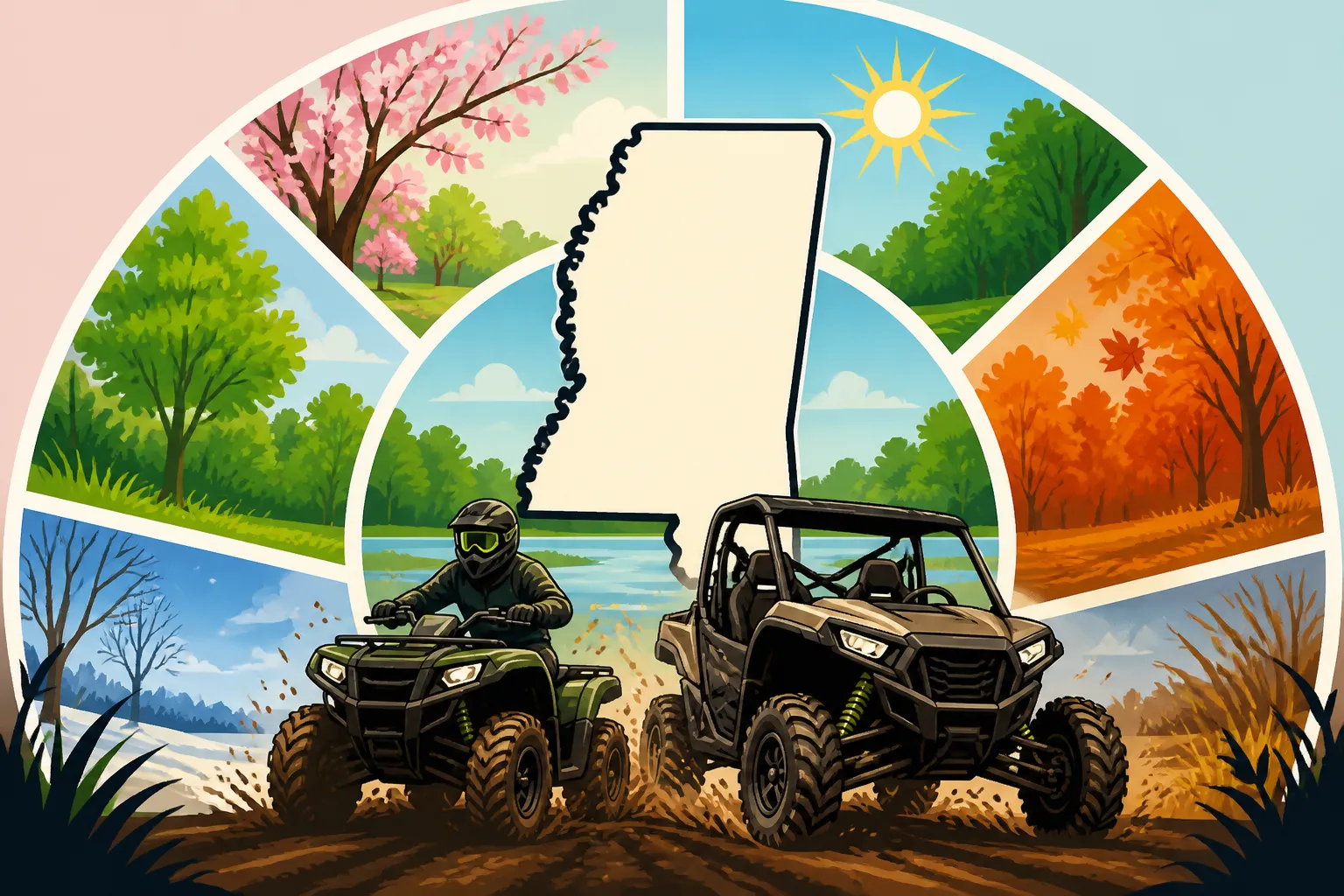
Mississippi Riding Season Month by Month
Mississippi riding plans can unravel when a dry-looking week turns muddy, summer heat sets in, or a familiar trail is closed for hunting or weather. This month-by-month guide explains what riding conditions are often like, what to prepare for, and what to check before hauling an ATV or UTV to a trail in the Magnolia State.
Mississippi riding season at a glance
Mississippi’s riding season doesn’t begin and end on one neat date. Mild winter days can be pleasant for a ride, while heavy rain can make trails difficult or lead to closures at any time of year. Summer brings long daylight hours but also heat, humidity, and afternoon storms. Your best month depends on the terrain, your machine, and whether you’re riding on public land, private property, or at a managed park.
| Month | Common riding considerations | Helpful preparation |
|---|---|---|
| January | Cool days, damp ground, shorter daylight | Warm layers, lights, and a trail-status check |
| February | Changeable weather and muddy stretches | Tow straps, recovery gear, and flexible plans |
| March | Milder conditions, with rain and changing ground | Waterproof layers and a post-rain check |
| April | Longer days and warming temperatures | Water, bug protection, and trail-condition updates |
| May | Heat and humidity begin to matter more | Start early and plan regular hydration breaks |
| June | Hot, humid rides and possible storms | Extra water, shade breaks, and a weather check |
| July | High heat can make long rides taxing | Shorter outings and a clear turnaround plan |
| August | Heat remains a major factor; storms can affect trails | Early starts, hydration, and closure checks |
| September | Conditions may ease, but weather remains variable | Keep rain gear and check access before departure |
| October | Often a comfortable time for longer rides | Layered clothing and attention to seasonal closures |
| November | Cooler weather and hunting-season access questions | Confirm land rules and wear visible clothing |
| December | Cool, damp days and limited daylight | Warm gear, working lights, and a shorter route |
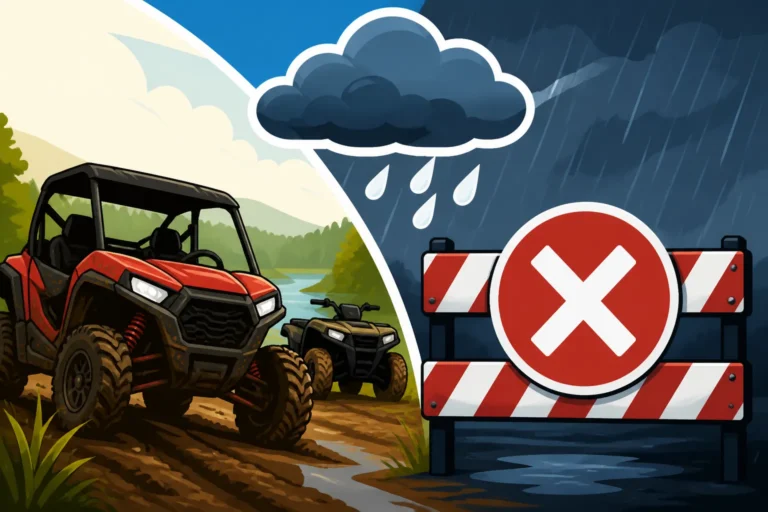
These are planning patterns, not guarantees. A sunny day does not necessarily mean a trail is open or firm enough to ride, and a rainy forecast does not tell you exactly what conditions will be like at a particular trailhead. Before traveling, check the managing agency, park operator, or landowner for current access information. [Mississippi Trail Conditions After Rain] is a useful companion when you’re deciding whether a wet-weather ride makes sense.
January through March
January rides can be comfortable when the day is mild, but cold mornings and damp ground are common considerations. In wooded areas such as De Soto National Forest, shaded sections may stay wet longer than open ground. Dress in layers you can adjust once you start moving, and bring gloves that stay useful if they get damp. Because daylight is limited, plan a route that leaves room to return before dark rather than counting on the full day.
February can feel unpredictable: a stretch of dry weather may be followed by rain that changes trail conditions quickly. Low spots, clay, and churned-up mud can become harder to cross than they looked from the parking area. If you’re riding with a group, agree on a turnaround point and make sure everyone has appropriate recovery equipment. For public-land planning, review [Mississippi National Forest Riding Explained] rather than assuming every forest road is open to OHVs.
March often brings milder temperatures and more comfortable riding hours, but the ground can still be soft after rain. It’s a good month to choose a route with options: a shorter loop if conditions are poor, or a longer ride if the trail is dry and open. Check trail notices before loading up, especially if your trip involves a long drive. At Bethel OHV Trails, for example, confirm the rules and current conditions for the specific riding area you plan to use; don’t assume every route suits every machine.
April through June
April usually offers longer days and warmer afternoons, which can make it easier to plan an unhurried ride. The tradeoff is that temperatures can rise during the day, while rain can still leave sections slick or muddy. Carry water even when the morning feels cool, and consider a route that brings you back near your vehicle or camp before the warmest part of the day. If you use onX Offroad to review a route, treat the map as a planning aid—not confirmation that a trail is open or legally accessible.
May is a useful month to build summer habits before the hottest weather arrives. Start earlier, drink regularly, and avoid waiting until you feel thirsty or worn out to take a break. Humidity can make exertion feel harder, especially when you’re wearing protective gear and moving slowly through mud. Riders heading toward the coast or De Soto National Forest should check access and trail conditions with the appropriate manager before traveling. [Mississippi Coast and De Soto National Forest Riding] can help you think through that area’s riding options.
June brings longer daylight but also the need to take heat seriously. A long afternoon ride that feels manageable in spring may become draining when temperatures and humidity climb. Pack more drinking water than you expect to need, identify shaded places to pause, and agree that anyone in the group can call for a break. Afternoon storms can also disrupt a plan, so check the forecast before departure and avoid treating a scheduled outing as fixed if conditions change.
July through September
Summer riding can be enjoyable, but it rewards a more deliberate pace. The combination of heat, humidity, protective clothing, and physical effort can make riders tired sooner than expected. Choose a distance that fits the least experienced rider in your group, and don’t let a planned route pressure anyone to continue when they need to stop.
July and August
July is often a month for shorter, earlier rides rather than an all-day push. Get moving before the day heats up, take regular breaks, and pay attention to how everyone is feeling. A rider who becomes unusually weak, confused, dizzy, nauseated, or stops sweating despite the heat may need urgent help. Know where you are and how you would reach emergency services before entering a remote area.
August keeps many of the same summer challenges in play. Storms can develop, and a route that was passable earlier may become unpleasant or unsafe after heavy rain. Keep a paper or offline navigation option available if cell service is unreliable. onX Offroad can help you review a route in advance, but verify access with the land manager or property owner and don’t rely on a digital map as your only way to navigate.
At private riding areas such as Red Creek Off-Road, check the operator’s current hours, rules, and conditions before setting out. Park schedules and access policies can change, and a social media post or old trip plan may not reflect what is happening on the day you arrive. For a broader comparison of destinations and trip styles, see [Mississippi Private Mud Parks].
September
September may bring more comfortable riding days, but it is not a guaranteed break from heat, rain, or changing trail conditions. A good approach is to plan conservatively: check the forecast, ask about access, and pack for both warm weather and rain. If trails are wet, consider whether your machine and experience level are suited to the terrain rather than assuming that more throttle will solve a traction problem.
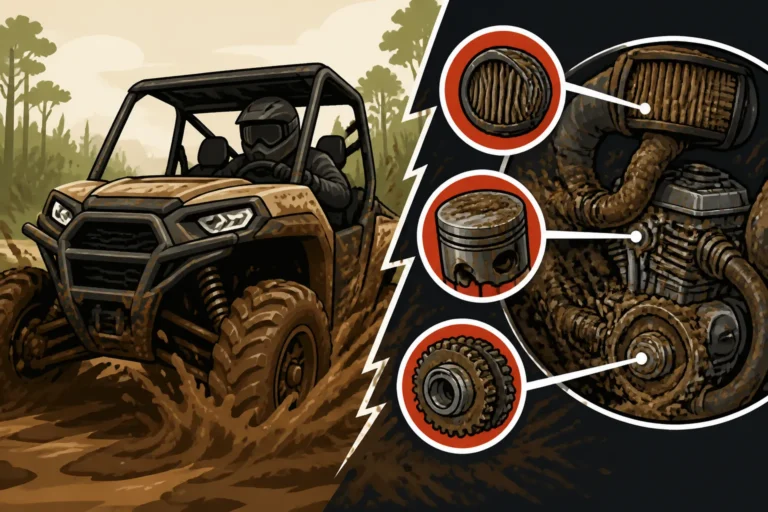
This is also a useful month to inspect equipment after summer rides. Clean mud and debris from the machine, check tires and brakes, and look for loose or damaged parts before a longer trip. For riders who use onX Offroad to plan routes, review your saved map before leaving and make sure it covers the area you intend to ride. Keep in mind that route information does not replace posted signs or permission from the landowner.
October through December
Fall can be especially appealing for riders who prefer cooler temperatures and longer outings. The season also brings shorter days over time, changing land-use patterns, and hunting-season considerations. A pleasant forecast alone doesn’t establish that a road or trail is open to ATV or UTV traffic.
October and November
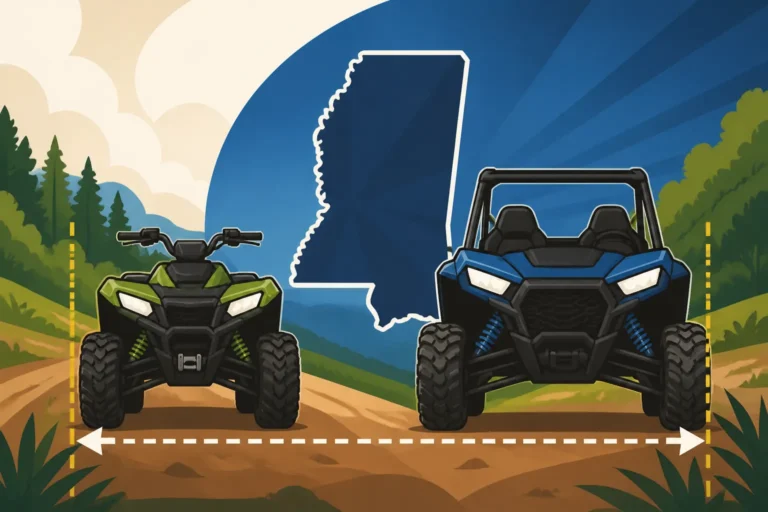
October often makes it easier to spend more time outside without the same summer heat. That doesn’t mean every day will be dry or cool, so bring a light layer and check for rain before leaving. If you’re visiting a public trail system, confirm whether the route is open to your machine and whether there are width or other equipment restrictions. A route suitable for a narrow ATV may not be suitable for a wider side-by-side. [Mississippi Trails With Width Limits] offers a reminder to check machine fit before you travel.
November requires particular attention to hunting activity and land access. Wildlife management areas and other public lands can have rules that limit riding to designated roads or restrict access at certain times. Private timberland and hunting leases may also have their own conditions. Don’t ride behind a gate or past a closure sign because a road looks familiar. Check [Mississippi WMA Riding Rules] and confirm current instructions with the relevant land manager.
For a group ride, make sure everyone knows the route, meeting point, and return time. Wear visible clothing where appropriate, keep noise and speed under control around other land users, and give hunters and walkers plenty of space. If plans depend on a particular road being open, contact the managing office before the trip rather than discovering a restriction after you’ve unloaded.
December
December can still offer enjoyable rides when the weather cooperates, but cold, wet conditions and early sunsets call for a shorter, more flexible plan. Warm layers matter even if you expect to spend most of the day moving. Keep dry clothing in the tow vehicle, check that lights work, and set a return time that leaves daylight for loading and securing the machine.
A winter route should account for the slowest or least experienced person in the group. Muddy stretches may take longer than expected, and getting stuck can become uncomfortable quickly in cold weather. Carry basic recovery gear, a first-aid kit, a charged phone, and a navigation backup. If using onX Offroad, save or prepare the route before entering an area with unreliable service, and compare the route with official signs and access information.
Plan each ride around conditions and access
A month-by-month guide can help you anticipate seasonal challenges, but it can’t tell you whether a specific trail is open today. Conditions vary across Mississippi—from wooded routes in the south to private parks and public riding areas farther inland—and even nearby sections can differ after rain. Build a quick check into every trip instead of relying on last month’s experience.
A practical pre-ride checklist
- Confirm where you’re allowed to ride. Identify the land manager, park operator, or property owner and check the rules for that specific location. Public land does not mean every road is open to off-highway vehicles.
- Check current conditions and closures. Ask whether recent weather, maintenance, hunting activity, or another restriction affects access. For background on public trail options, see [Mississippi ATV Trails: Where to Ride].
- Match the machine to the route. Confirm any width, equipment, age, or passenger rules before you set out. Don’t assume an ATV and a UTV can use all the same trails.
- Plan for weather, not just the forecast high. Bring layers, rain protection, and enough water for the length and effort of the ride. In hot months, shorten the route and schedule breaks.
- Prepare navigation and communication. Share your plan with someone who isn’t riding, and agree on a return time. A mapping app such as onX Offroad can help with route planning, but keep another navigation option and follow posted signs.
- Review the machine before loading. Check tires, brakes, lights, fuel, and recovery gear. After a muddy ride, clean and inspect the machine before the next outing.
Choose a riding window that fits the group
The best riding month is partly about comfort, but it’s also about the people coming along. A novice rider, a child, or someone who tires easily may have a very different idea of a manageable summer outing than an experienced adult rider. Choose a conservative route, plan frequent stops, and make sure the group understands that turning back is always an option.
In winter, aim to finish with enough daylight for unexpected delays. In spring and fall, keep an eye on rain and changing land access. In summer, prioritize shorter rides and heat management over mileage. On any season’s ride, make sure the group knows what to do if someone gets separated or a machine becomes disabled.
Finally, keep the destination’s rules in front of you. National Forest trails, wildlife management areas, private parks, and privately owned roads can each have different access requirements. A map can help you understand the area, but it cannot grant permission, override a closure, or confirm that an unofficial route is legal to ride. For additional advice on choosing an appropriate route, see [Best Mississippi ATV Trails for Beginners] and [Mississippi Trail Etiquette Locals Expect].
Disclaimer
This article is for general informational purposes only and does not constitute professional advice. Laws, prices and regulations vary by location and change over time. Consult a qualified professional for guidance on your specific situation.