Bringing an ATV Question to Your Board of Aldermen
It’s a familiar frustration for many ATV and UTV enthusiasts across Mississippi: you’ve got a perfectly capable machine, but you feel like you’re constantly looking over your shoulder, wondering where you can actually ride it without running afoul of the law. State law is notoriously strict about off-road vehicles on public roads, which often leaves riders feeling trapped in a confusing legal maze. This guide is here to walk you through the essential steps for bringing your concerns and questions directly to your local Board of Aldermen, offering a realistic path toward potentially opening up safe, legal riding opportunities in your community.
Understanding Mississippi's ATV Road Rules (Or Lack Thereof)
Let's be blunt: the state of Mississippi isn't exactly a haven for street-legal ATV or UTV riding. Many riders move here, or simply grow up here, assuming that because their neighbor rides a side-by-side to the corner store, it must be perfectly fine. But that's often a misconception that can lead to a ticket or worse. Understanding the fundamental state-level restrictions is the very first step before you even think about approaching your local officials.
The Statewide Ban and Its Implications
The truth is, Mississippi has a pretty clear, albeit brief, stance on ATVs and UTVs on public roads. The law, specifically [Mississippi Code Section 63-31-3], generally prohibits off-road vehicles from operating on public streets, roads, and highways. This isn't just about speeding down the interstate; it applies to virtually any public thoroughfare in the state. Many riders are shocked to learn that even just crossing a paved county road to get from one section of private land to another can technically be a violation. It means that the freedom you might enjoy on private property or at a designated riding park suddenly evaporates the moment your tires touch a public road surface.
This statewide ban means that you won't find exceptions for things like going to the gas station, running a quick errand, or even just driving a short distance to a friend's house. There's no blanket "farm use" exemption on public roads, for instance, unlike some other states. If a deputy sees you, they have every right to pull you over, and the fines, while not as steep as some traffic violations, can certainly add up, especially if you get caught repeatedly. This is why when folks ask, [Can You Ride an ATV on the Road in Mississippi?], the answer is almost always a resounding "no" at the state level. It's a frustrating reality that leaves many machines relegated to trailers or private fields, even when they're perfectly safe and capable.
Why Local Ordinances Are Your Only Hope
Given the state's restrictive laws, the only real glimmer of hope for legal ATV and UTV use on public roads comes from local municipalities. Cities, towns, and even some counties have the power to enact their own ordinances that can create specific exceptions to the statewide ban within their jurisdictional limits. This is why you might see golf carts or even UTVs cruising around certain small towns in Mississippi while they're completely illegal in the next town over. [Mississippi Local Ordinances Are the Only Path] to expanding where you can ride.
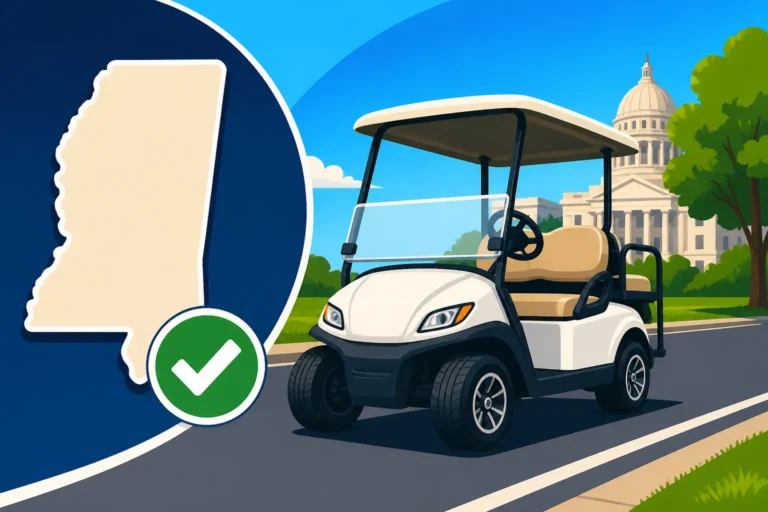
These local ordinances aren't a free-for-all, though. They typically come with specific rules: designated streets (often those with lower speed limits, like [Golf Carts Only on Streets Posted 30 mph]), specific hours of operation, safety equipment requirements (like lights, mirrors, and sometimes even turn signals), and sometimes even registration or permit fees. For example, [Hattiesburg Opened Its Streets to Golf Carts] under its own set of rules. It’s a patchwork approach, but it's the only game in town if you want to legally ride your machine off private land and onto a public road. Without a local ordinance specifically allowing it, you're always risking a citation, even if you’re just puttering along a quiet back road near your home.
Preparing Your Case for the Board of Aldermen
So, you’ve decided to take the plunge and advocate for local ATV/UTV access in your town. That’s fantastic! But don't just show up to the next public meeting and wing it. A well-prepared, thoughtful approach is absolutely crucial if you want to be taken seriously and have a real shot at success. This isn't just about demanding what you want; it's about demonstrating a responsible, community-minded solution.
Researching Existing Ordinances and Community Needs
Before you even think about presenting to your Board of Aldermen, do your homework. Start by checking your own town's existing ordinances. Many municipalities have their codes online, or you can request them from the city clerk. Look for anything related to "motorized vehicles," "off-road vehicles," "golf carts," or "low-speed vehicles" (LSVs). You might find that some rules are already in place, even if they don't cover ATVs or UTVs specifically. Understanding [How to Check If Your Town Has an Ordinance] is a vital first step.
Next, broaden your research. Look at what other towns in Mississippi, especially those of a similar size or character, have done. Are there [Mississippi Towns With Cart Ordinances] that allow for more than just golf carts? What are their rules? What were the key arguments they used to get their ordinances passed? Think about the specific needs of your community. Is it a small town where people frequently use ATVs for quick trips to the store or to visit neighbors a few blocks away? Do you have a large farming community where ATVs are essential tools? Are there older residents who could benefit from using a UTV for local errands if it meant avoiding getting into a car? Frame your argument not just around convenience for riders, but around the practical benefits and shared safety for the entire community.
Building a Community Coalition and Presenting a Unified Front
One voice is easy to dismiss; a chorus of voices is much harder to ignore. Before you approach the Board, talk to your neighbors, fellow riders, local business owners, and anyone else who might benefit from or support an ATV/UTV ordinance. Building a coalition shows your elected officials that this isn't just a niche interest, but a broader community desire. Gather signatures on a petition, but more importantly, encourage others to attend the Board meeting with you. Having multiple people speak in favor, or simply be present in support, makes a powerful statement.
When you present, focus on shared goals. Highlight how responsible ATV use could boost local businesses (think fuel sales, parts, or even just quick trips to grab groceries), provide convenient transportation for certain residents, or serve as an important tool for farmers and landowners. Emphasize that you are advocating for responsible use, not a free-for-all. A united front, speaking calmly and clearly about the benefits and a commitment to safety, goes a long way in swaying public opinion and the opinions of your elected officials.
Crafting a Proposal for Responsible ATV Use
This is where you get specific. Don't just ask the Board to "let us ride ATVs." Present a clear, well-thought-out proposal for what a local ordinance could look like. Think about the details:
- Designated Streets: Suggesting specific roads, perhaps those with speed limits of 35 mph or less, away from high-traffic areas.
- Operating Hours: Perhaps daylight hours only, or specific times.
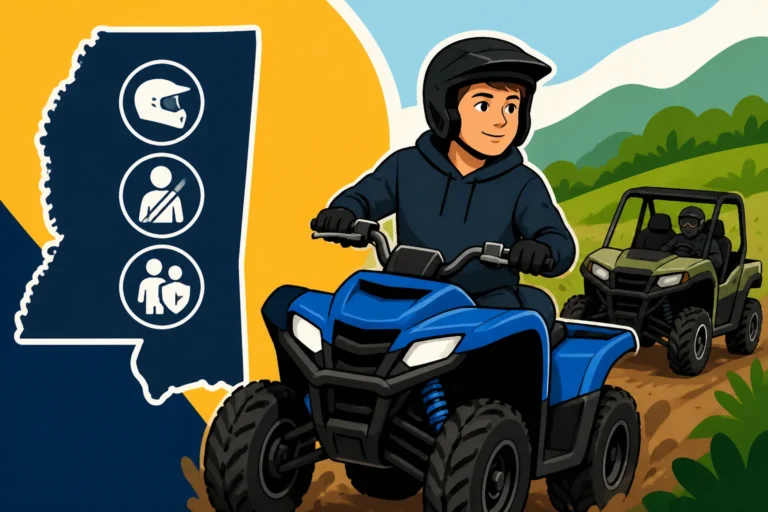
- Safety Equipment: Propose mandatory helmets for all riders, regardless of age (even though state law primarily focuses on young riders, [Mississippi ATV Helmet Law Age]), working headlights, taillights, brake lights, mirrors, and even turn signals. Many aftermarket companies, like SuperATV, offer a wide range of lighting kits, mirrors, and street-legal accessory packages that can make machines safer and more compliant with potential ordinance requirements.
- Permitting/Registration: Suggest a local permit system to track machines and ensure riders understand the rules. This could even generate a small revenue stream for the city.
- Age/License Requirements: Propose that riders must possess a valid driver's license or a state-approved ATV safety certificate. [Mississippi Safety Certificates as an Alternative] to a driver's license for younger riders is something to consider for those under 16, but for road access, a driver's license is generally preferred.
Your proposal should demonstrate that you've considered safety, enforcement, and community impact. It shows you're not just looking for personal convenience, but for a solution that works for everyone. Be prepared to compromise; your ideal scenario might not be what the Board is willing to approve on the first pass.
What to Expect When Addressing Your Board
So, you’ve done your research, gathered support, and crafted a solid proposal. Now comes the moment of truth: addressing your Board of Aldermen. Public meetings can feel intimidating, but remember, these are your elected officials, and they are there to listen to their constituents.
Navigating Public Meetings and Addressing Concerns
Public meetings often have a specific time set aside for "public comments" or "citizen concerns." Sign up to speak in advance if that's an option. When it's your turn, be respectful, articulate, and concise. State your name and address for the record, then present your proposal clearly, focusing on the key points you've prepared. It's usually best to keep your initial statement relatively brief and be prepared for questions.
The Aldermen might have questions about safety, noise, enforcement, and how this could impact other residents or property values. They might also bring up liability concerns for the city. Listen carefully to their questions and answer thoughtfully, drawing on your research and the safety measures you’ve included in your proposal. This is your chance to show that you've thought through these issues and have solutions, rather than just brushing them aside. Be ready to explain [Why Mississippi's Road Riding Fine Stops at $50] and how a local ordinance could set its own, perhaps more impactful, penalties for non-compliance.
Common Objections and How to Address Them
You will likely encounter some common objections, and being prepared to address them calmly can make all the difference.
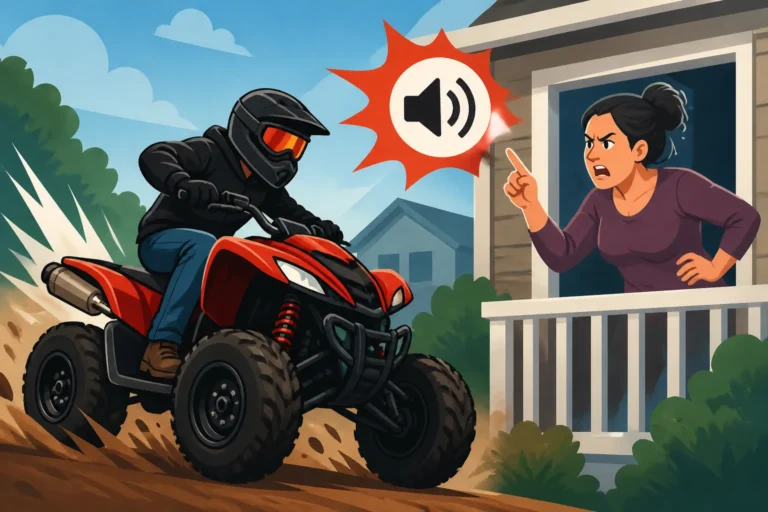
- Noise Concerns: Many residents worry about loud machines disturbing the peace. You can point to manufacturer specifications for new machines, which are often quieter than older models, and suggest that an ordinance could include a noise limit. You could also emphasize that you are advocating for responsible use, not for riders with aftermarket exhausts that create excessive noise.
- Safety Concerns: This is often the biggest hurdle. People visualize reckless riding. Counter this by emphasizing your proposed safety equipment requirements, mandatory safety courses, and designated low-speed roads. You can highlight how a formalized, regulated system is safer than riders trying to sneak around illegally, which often leads to less predictable behavior.
- Enforcement: Aldermen might worry about how the local police department would enforce a new ordinance. Your proposal could suggest clear signage for designated roads, a simple permitting process that helps identify legal riders, and cooperation between the city and riders to promote awareness of the rules.
- Precedent: Some might argue that allowing ATVs opens the door to other undesirable vehicles. Frame your proposal specifically for ATVs and UTVs, highlighting their unique utility and recreational value, and differentiate them from other vehicle types that might not be suitable for street use.
The Importance of Follow-Up and Persistence
Rarely does an initiative like this pass on the first try. Be prepared for the Board to table your request, ask for more information, or suggest modifications. This is not a failure; it’s part of the process. Thank them for their time and ask about the next steps. It might involve forming a committee, conducting more research, or revisiting the issue at a future meeting.
Follow up respectfully. Send a thank-you note to the Aldermen and offer to provide any additional information they need. Stay engaged with your coalition and keep the conversation going. Sometimes, it takes multiple meetings and months of effort to see an ordinance come to fruition. Don't get discouraged if it's not an instant win. Persistence, coupled with a polite and constructive attitude, often pays off in the long run.
The Path Forward: What a Successful Ordinance Looks Like
If your efforts are successful, and your Board of Aldermen passes an ordinance, it’s a huge win for the local riding community! But what does a truly rider-friendly and community-conscious ordinance actually entail? And how do you ensure that this newfound access is used responsibly to preserve it for years to come?
Key Elements of a Rider-Friendly Ordinance
A successful, rider-friendly local ordinance will typically include several key components that balance access with safety and community peace. Here’s a look at what you’d hope to see:
| Element | Description | Rider Benefit | Community Benefit |
|---|---|---|---|
| Designated Roads | Clearly marked streets where ATVs/UTVs are permitted, often limiting to those 35 mph or less. | Legal access to local destinations, connects properties. | Keeps high-speed traffic separated, reduces conflicts. |
| Permit/License | Local permit required, perhaps an annual fee, and a valid driver’s license or safety certificate. | Clear authorization to ride, fewer arbitrary stops. | Tracks users, ensures basic competence, potential revenue. |
| Safety Equipment | Mandatory headlights, taillights, brake lights, mirrors, seatbelts (for UTVs), and potentially turn signals. | Increased visibility and safety for riders. | Enhances safety for other road users, prevents accidents. |
| Operating Hours | Restriction to daylight hours, or specific extended hours. | Clearly defined legal riding times. | Reduces noise complaints, enhances safety during peak visibility. |
| Age Restrictions | Often aligns with state driver's license laws, 16+ for unescorted use, potentially younger with supervision. | Ensures mature, responsible operators. | Protects younger, less experienced riders, lowers risk. |
| Insurance | Proof of liability insurance often required. | Protection in case of an accident. | Financial protection for property damage or injuries to others. |
For example, your town might look at [Hattiesburg's Cart Ordinance in Mississippi] and adapt elements that make sense for your local context. Having specific regulations, like those concerning passengers on your machine, is crucial. While [Mississippi Passenger Rules on Public Land] allow passengers only on factory-designated two-seat machines, a local ordinance might reinforce this for street use to ensure safety. The goal is to make it easy for law-abiding riders to comply and difficult for reckless individuals to abuse the privilege. Quality aftermarket accessories from brands like SuperATV can help riders equip their machines to meet these safety requirements, from turn signal kits to DOT-approved windshields.
Enjoying Your Community Responsibly
Once an ordinance is in place, the responsibility shifts to the riding community to uphold the spirit of the new rules. This means more than just avoiding tickets; it means demonstrating that the trust placed in riders was well-founded. If riders don't adhere to the new regulations, it could easily lead to the ordinance being revoked or more restrictions being added.
Here are some ways to be a responsible rider:
- Know and Follow the Rules: Don't assume. Read the ordinance thoroughly. Know which streets are allowed, what equipment is required, and what the hours of operation are.
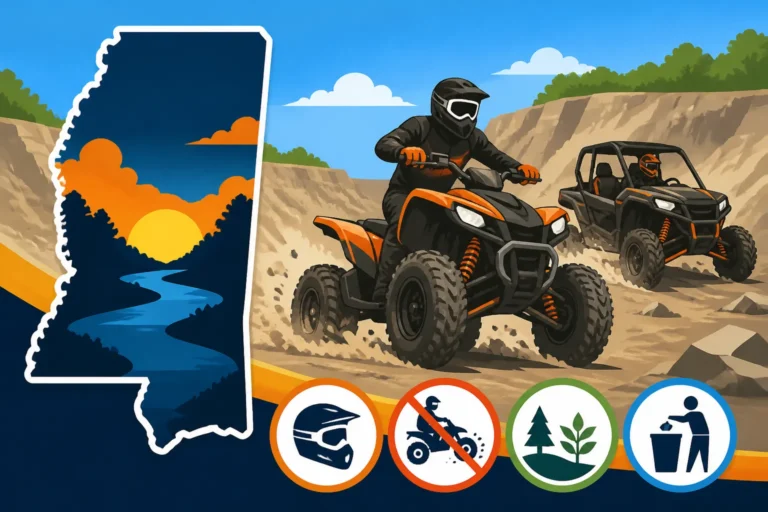
- Prioritize Safety: Always wear appropriate safety gear, even if the ordinance doesn't explicitly mandate a helmet for adults. Operate your machine defensively, be aware of other traffic, and never exceed the posted speed limits.
- Be a Good Neighbor: Keep noise levels reasonable, especially in residential areas. Don't ride recklessly or in a way that creates dust or disturbs others. Waving to pedestrians or other drivers goes a long way in building goodwill.
- Educate Others: If you see someone riding illegally or unsafely, gently educate them about the new ordinance and the importance of following the rules. We all have a stake in preserving access.
- Support Local Businesses: Use your ATV or UTV to visit local shops, restaurants, and gas stations. Show the community that ATVs can be a positive economic contributor, not just a nuisance.
By acting as responsible ambassadors for the riding community, you help ensure that the access you’ve worked so hard for remains a valued part of your town. This not only benefits current riders but paves the way for future generations to enjoy their machines in a safe and legal manner within their own communities.
Disclaimer
This article is for general informational purposes only and does not constitute professional advice. Laws, prices and regulations vary by location and change over time. Consult a qualified professional for guidance on your specific situation.