Mississippi Rules for a Visiting Alabama Rider
It’s a tale as old as time, or at least as old as off-road vehicles: you’re packing up your quad or side-by-side for a weekend adventure, maybe heading to a new state, and suddenly that nagging doubt creeps in. "Are the rules the same there as they are back home?" For our friends hauling their rigs from Alabama into the Magnolia State, this is a perfectly valid concern. Mississippi's ATV and UTV laws have their own quirks, especially concerning road use and paperwork, and what you're used to in Alabama might not fly here. This guide will walk you through everything a visiting Alabama rider needs to know to enjoy Mississippi's trails and avoid any unwelcome surprises.
Understanding Mississippi's Core ATV & UTV Laws
When you cross the state line into Mississippi with your ATV or UTV, one of the biggest mental adjustments you'll need to make centers around our state's approach to these machines. It's not always intuitive, and it definitely has some key differences from how things might operate in other places.
The Fundamental Road Ban
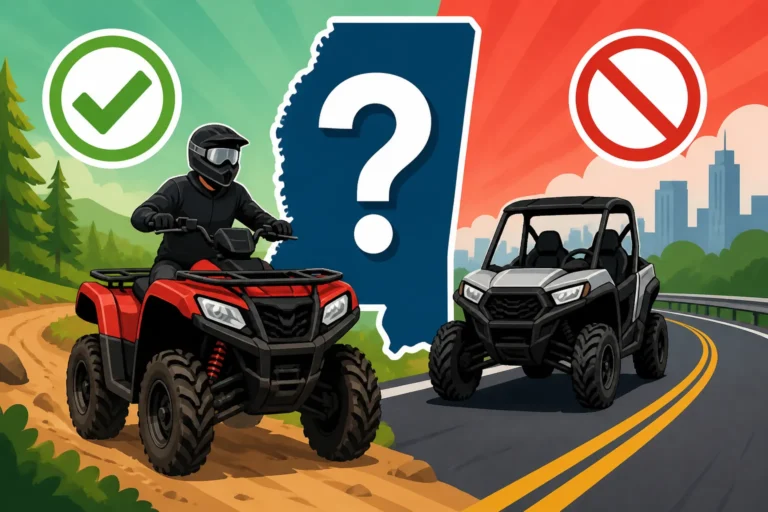
Let's get this out of the way first, loud and clear: Mississippi generally bans ATVs and UTVs from public roads. This isn't a suggestion; it's the law. Many riders, especially those from states with more lenient street-legal provisions or farm exemptions, find this rule a bit of a shock. Imagine you've driven all the way from Tuscaloosa, dreaming of cruising down a backroad to connect trails, only to find out it's a no-go. This is a common frustration, and it's essential to understand it upfront. The state's stance is pretty clear: these machines are for off-road use, not for sharing pavement with cars and trucks. There might be some very specific, locally passed ordinances in certain towns that allow golf carts or low-speed vehicles on designated streets, but these are exceptions, not the rule, and they almost never extend to full-blown ATVs or UTVs. Trying to use your powerful side-by-side on a county road, even just to get to a gas station, can lead to a citation. [Mississippi Bans ATVs on Public Roads]
This blanket prohibition means you should plan your travel with your machine in mind. If you're heading to a riding park, assume you'll need to trailer your ATV or UTV right up to the park entrance. If you're riding on private land, you'll still need to use a truck and trailer to get from one section of your property to another if it requires crossing a public road. This fundamental rule underpins almost everything else about ATV/UTV use in Mississippi.
No State Registration or License Plate Requirement
Here's another point that often surprises visiting riders, especially those accustomed to vehicle registration in Alabama: Mississippi does not require ATVs or UTVs to be registered with the state or to display a license plate. This can feel a bit counter-intuitive since you're used to having a tag on your vehicle. However, for years, off-road machines in Mississippi have operated without this layer of state oversight. It simply means one less piece of paper to worry about, and certainly no annual renewal fees for registration.
While the lack of registration simplifies some things, it doesn't mean your machine is invisible to the law. Even without a license plate, deputies can still pull you over if you're riding illegally on a public road or causing a disturbance. They'll be looking for proof of ownership and proper identification, which we'll cover next. This distinction—no state registration, but certainly still laws to follow—is crucial for out-of-state riders. [Mississippi Does Not Register ATVs]
Titling for Newer Machines
Now, while there's no registration as such, Mississippi is implementing a new titling requirement for ATVs and UTVs. If you own a machine built after July 1, 2025, it must be titled in Mississippi. This is a significant change, and it's something Alabama riders buying newer machines or considering a move should be aware of. For machines built before that cutoff date, titling is voluntary.
For a visiting Alabama rider, this primarily means two things: First, if your machine is from Alabama and you bring it here, Mississippi’s titling requirement generally won't apply to you unless you become a permanent resident and need to title it here. Second, if you happen to buy a brand-new machine in Mississippi that was manufactured after the cutoff date, you'll be subject to the new titling process right away. It's a new layer of official paperwork that aims to address issues like theft and proof of ownership more formally. So, while you won't need a license plate, a title is quickly becoming a very important document for many machines. [ATVs Made After July 2025 Must Be Titled]
What a Visiting Alabama Rider Needs to Carry and Know
When you're far from home, being prepared is half the battle. For Alabama riders exploring Mississippi, having the right documents and understanding specific age-related rules can make all the difference between a smooth trip and an inconvenient stop.
Proof of Ownership and Identification
Even without a Mississippi license plate, law enforcement can still ask to see certain documents. When a deputy stops you, especially if you're riding on public land or a private park, they might ask for proof of who owns the machine and who you are. This isn't about registration, but about ensuring the machine isn't stolen and that you have a legal right to operate it. Think of it like carrying your car's registration and your driver's license, even if you don't have a specific "ATV license."
You should always carry:
- Your valid driver's license or state-issued ID: This confirms your identity.
- Proof of ownership for your ATV/UTV: This could be your vehicle's title (if your home state of Alabama issues one, or if it's a newer machine titled in Mississippi), or a bill of sale. If you've financed your machine, a copy of the financing agreement could also serve as temporary proof, along with a bill of sale. [What a Mississippi Deputy Can Ask to See] This helps confirm the machine is yours and not reported stolen. While unlikely for a brief visit, if a deputy has a reason to suspect a machine is stolen, these documents are crucial for quickly clearing things up.
Youth Rider Requirements
Mississippi takes its youth rider safety seriously, and these rules apply regardless of whether you're a local or just visiting from Alabama. If you have younger riders in your group, pay close attention to these regulations:
- Age Limit: Riders under 16 years of age are generally required to be supervised by an adult (18 or older) when riding off-road on public lands.
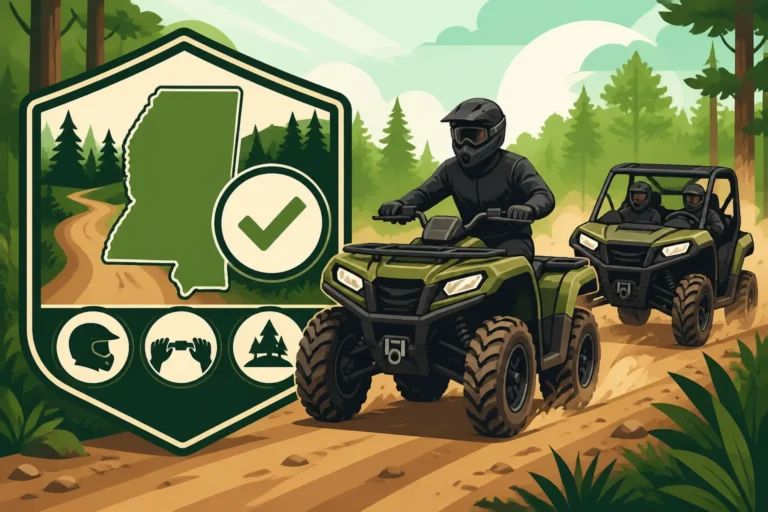
- Helmets: Any rider or passenger under the age of 16 is legally required to wear a helmet when operating or riding on an ATV or UTV. This isn't just a recommendation; it's a mandate. This aligns with many states' safety guidelines, but it's good to reconfirm. [Mississippi ATV Helmet Law Age]
- Safety Certificate: This is a big one. For riders under 16, Mississippi law requires them to possess an ATV safety course certificate when riding on public land. This means if your child has completed an ATV safety course in Alabama that is recognized nationally (like an ATV Safety Institute course), that certificate should be valid here. It's not enough for them to just know how to ride; they need that official piece of paper. [Mississippi Safety Certificates as an Alternative] Make sure to bring it along with your other documents. If you're only riding on private land with permission, this requirement might be relaxed, but it's always best practice for young riders to have the training.
Helmet Laws
As mentioned, riders and passengers under the age of 16 must wear a helmet when on an ATV or UTV in Mississippi. This applies both on public and private lands, although enforcement tends to be more rigorous on public access areas like National Forests or designated riding parks. While not legally mandated for adults, wearing a helmet is always a smart move for any rider, regardless of age. The terrain can be unpredictable, and safety gear is your best friend out on the trails.
Where Can You Actually Ride in Mississippi?
Since public roads are largely off-limits, where can an Alabama rider actually unleash their machine in Mississippi? Thankfully, there are plenty of options, from vast national forests to vibrant private parks. Knowing these avenues is key to a fun and legal ride.
Public Lands: National Forests
Mississippi is home to several beautiful national forests, and some of them offer designated trails for ATVs and UTVs. The De Soto National Forest, for example, is a popular destination for off-road enthusiasts. However, riding here isn't a free-for-all; there are rules designed to protect the environment and ensure everyone's safety.
- Designated Trails Only: You can only ride on trails specifically designated for off-road vehicles. Wandering off-trail can lead to fines and environmental damage. These trails are usually well-marked, but it’s a good idea to grab a map from the ranger station or download one before you head out.
- OHV Pass: To ride in Mississippi's national forests, you'll need to purchase an annual OHV pass. This isn't a state registration; it's a permit specific to the National Forest system. The cost is generally quite reasonable for a year's access. You can often buy these at ranger district offices or sometimes at local vendors near the forest. [Mississippi National Forest OHV Passes]
- Width Limits: Some national forest trails, like those at Bethel OHV Trails in the Holly Springs National Forest, have width restrictions. Often, these trails are designed for machines 50 inches or less, so your wider side-by-side (especially if you've added aftermarket modifications like those from SuperATV) might not fit. Always check the specific trail's regulations before you load up your trailer.
Riding in a national forest offers a true wilderness experience, but it comes with responsibilities. Respect the rules, stay on marked trails, and always practice Leave No Trace principles. [Mississippi National Forest Riding Explained]
Private Parks and Mud Holes
For many riders, the true allure of Mississippi lies in its thriving private mud parks. These are privately owned and operated facilities specifically designed for off-road fun, often featuring deep mud pits, challenging obstacles, and open riding areas. They're a fantastic option for riders who want to push their machines, and they draw enthusiasts from all over the Southeast, including many from Alabama.
- Waivers and Fees: Expect to sign a liability waiver and pay an entrance fee, typically per machine or per person. These parks are businesses, and they operate on their own set of rules.
- Varying Rules: Each park has its own unique regulations regarding helmets, age limits for riders, and alcohol policies. Always check the park's website or call ahead to understand their specific requirements. Some parks might have stricter rules for youth riders than state law, and you're expected to comply with the park's policies while on their property. [Mississippi Private Mud Parks]
- Amenities: Many private parks offer camping, wash stations, and even food vendors, making them ideal for a full weekend getaway. Places like Red Creek Off-Road often have cabins and RV sites available, allowing you to turn your riding trip into a comfortable mini-vacation.
Riding on Private Land with Permission
Perhaps the most common way to ride an ATV or UTV in Mississippi is on private property, whether it's your own land or land belonging to a friend or family member. This is particularly true in rural areas where large tracts of land are common.
- Always Get Permission: If it's not your land, you absolutely must have explicit permission from the landowner. Verbal permission is fine, but written permission is always better, especially if you're dealing with larger properties or hunting leases. This prevents any misunderstandings or accusations of trespassing. [Written Permission From a Southern Landowner]
- Respect the Land: Even with permission, treat the land with respect. Stay off cultivated fields unless specifically allowed, avoid damaging fences or gates, and don't leave trash behind. This ensures you'll be welcome back for future rides.
- Road Crossing: Even on private land, if you need to cross a public road to get from one section of a property to another, the state's public road ban still applies. You'll need to trailer your machine across or find an alternative route that avoids public thoroughfares.
Equipment and Safety Considerations for Mississippi Trails
Mississippi's riding conditions can be diverse, from the sandy trails of the De Soto to the legendary mud of private parks. Preparing your machine and yourself for these conditions is essential for a safe and enjoyable trip.
Spark Arrestors and Noise Limits
When riding on public lands, such as national forests, a spark arrestor is not just a good idea—it's usually required by law. This device helps prevent wildfires, which are a serious concern in wooded areas, especially during dry spells. Make sure your exhaust system has a properly functioning spark arrestor before you hit the trails.
Private parks might also have rules regarding noise. While Mississippi doesn't have a statewide decibel limit for ATVs, some parks might set their own. Loud machines can disturb other visitors or nearby residents, so it's always good practice to ensure your exhaust isn't excessively loud. [Mississippi State Park Spark Arrestor Rules]
Preparing for Southern Conditions
Mississippi's climate brings its own set of challenges, particularly if you're venturing into the mud parks or after a heavy rain.
- Mud and Water: The state is renowned for its thick, deep mud. If you're coming for a mudding adventure, prepare your machine accordingly. Many riders invest in aftermarket parts like snorkel kits, lift kits, and aggressive mud tires. Companies like SuperATV offer a wide range of products specifically designed to help your machine tackle the gnarliest mud holes Mississippi has to offer. A winch is also a highly recommended piece of recovery gear; getting stuck is almost a rite of passage, but getting unstuck quickly is key.
- Heat and Humidity: Especially in summer, Mississippi can be extremely hot and humid. Stay hydrated, wear appropriate clothing that breathes, and take breaks. Overheating isn't just a risk for your engine; it's a serious risk for you too.
- Pest Control: Ticks and mosquitoes are a given in the Southern outdoors. Bring plenty of insect repellent, check yourself thoroughly after rides, and consider permethrin-treated clothing.
- Machine Maintenance: All that mud and water can be tough on your machine. Be prepared for extra cleaning and maintenance after your rides. Washing off mud and grime is crucial to prevent corrosion and keep your machine running smoothly. Consider bringing extra fuel, a basic tool kit, and spare parts like belts if you're heading deep into a remote area.
Comparative Rules for Visiting Riders
To give you a clearer picture, here's a brief comparison of how Mississippi's rules generally stand compared to what an Alabama rider might typically expect or encounter. Keep in mind that Alabama's laws can also vary, but this table highlights common differences or points of emphasis.
| Feature | Alabama (General Expectation/Rule) | Mississippi (General Rule for Visitors) |
|---|---|---|
| State Registration | Required for off-highway vehicles in some cases, often a sticker/permit | Not required; no state registration or license plates issued |
| Public Road Use | Generally prohibited, with some local exceptions or farm exemptions | Strictly prohibited on public roads (statewide ban with few local exceptions) |
| Titling (New Machines) | Varies by state; many do title new ATVs/UTVs | Required for machines built after July 1, 2025; voluntary before that |
| Proof of Ownership Needed | Yes, generally recommended | Yes, always carry title/bill of sale |
| Driver's License Needed | Yes, for operating on public land/any area requiring a permit | Yes, for public land, personal ID otherwise |
| Youth Rider Helmet Law | Generally for under 16 | Required for riders/passengers under 16 |
| Youth Safety Certificate | Recommended or required in some areas | Required for riders under 16 on public land |
| National Forest Access | Requires permits/passes, designated trails | Requires an annual OHV Pass; designated trails only |
| Spark Arrestor | Generally required on public lands | Required on public lands |
| Aftermarket Parts | Widely available, often used for performance/utility | Very popular, especially for mud (e.g., SuperATV lift kits, tires) |
As you can see, while there are similarities, Mississippi has its own distinct way of handling off-road vehicles. The lack of state registration is balanced by a strict road ban, and the newer titling law adds a layer of official paperwork for newer machines. Whether you're chasing mud or cruising forest trails, a little preparation goes a long way.
Disclaimer
This article is for general informational purposes only and does not constitute professional advice. Laws, prices and regulations vary by location and change over time. Consult a qualified professional for guidance on your specific situation.