Mississippi Private Park Quiet Hours
Private ATV and UTV parks in Mississippi set their own quiet-hour rules, and a park’s camping schedule may not match its riding schedule. That can leave visitors unsure when they can ride, run a generator, or arrive with a trailer. Confirm the property’s current rules before you travel, especially if you plan to camp or ride late.
What quiet hours mean at a private park
There is no single quiet-hour schedule that applies to every private riding park. Each property can set its own hours and decide what activities are restricted. One park might limit noise in its camping area overnight while allowing riding on designated trails during posted operating hours. Another might close riding earlier or prohibit machines from running in certain areas after a set time.
The word “quiet hours” can cover more than riding. A park may apply it to generators, music, vehicle warm-ups, loading and unloading, or general noise at campsites. The exact rules—and how staff enforce them—are property-specific. Don’t assume that a rule at one park applies at another, or that the absence of a sign means there are no restrictions.
| Activity | What to confirm with the park |
|---|---|
| ATV or UTV riding | When trails close, and whether machines may be ridden to campsites after trail hours |
| Arrival and unloading | Whether late arrivals are allowed and where trailers can be unloaded |
| Campground noise | Quiet-hour start and end times, and what noise is covered |
| Generators | Whether they are allowed, where they may run, and when they must be turned off |
| Music and gatherings | Rules for speakers, group gatherings, and noise near neighboring sites |
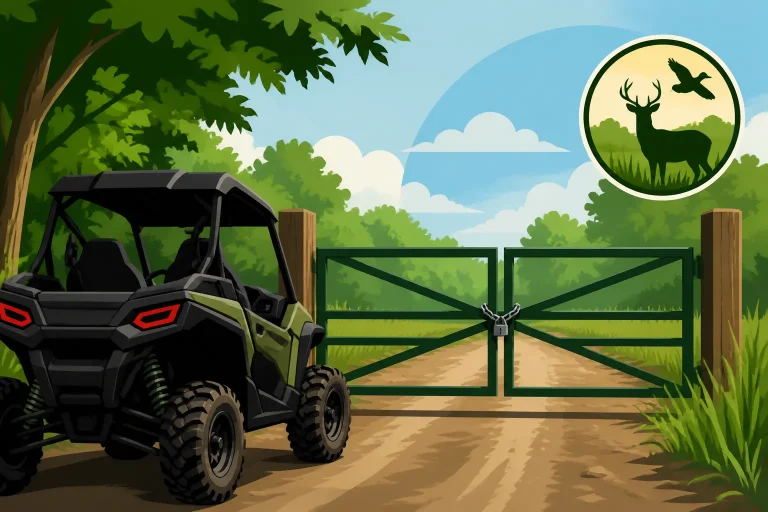
| After-hours access | Whether gates close, and how to contact staff if you arrive late |
A useful first distinction is between riding hours and campground quiet hours. Riding hours determine when you may use a trail or riding area. Quiet hours generally limit noise, especially around overnight sites. A park could have one schedule for riding and another for camping. It could also close the riding area while still permitting campers to remain on the property.
Don’t treat a quiet-hour rule as permission to ride until that hour. A park may close trails earlier, require riders to return to camp before dark, or prohibit riding outside marked routes. Ask about both schedules. For a broader look at questions to settle before using a private riding property, see Mississippi Private Park Waivers and Rules and Mississippi Private Park Camping Rules.
Some parks publish their rules online, but a general page may not answer questions about a specific weekend, event, campground, or type of machine. If the information is unclear, contact the park directly and keep a note of the answer. A short call or message before loading can prevent a long drive followed by a surprise restriction at the gate.
How to check the rules before you go
A reliable check covers more than the phrase “quiet hours.” Ask about the practical details that affect your trip: when riding ends, whether there is a separate campground schedule, and what happens if you arrive after the office closes. If you are attending a group event, check whether event rules replace or add to the park’s usual schedule.
Use this process:
- Check the park’s current information. Look for operating hours, campground rules, event notices, and any updates about closures. A social media post or old itinerary may not reflect the rules for your visit.
- Ask about riding and quiet hours separately. Get the closing time for trails and the quiet-hour window for campsites. Confirm whether those times change on weekends, during events, or in different areas of the property.
- Explain your setup. Mention whether you will camp, bring a generator, travel with a large group, or arrive late. A rule that is easy to follow for a day visitor may affect an overnight guest differently.
- Ask what the rule covers. Find out whether it restricts riding, revving, idling, music, generator use, or all noticeable noise. Ask whether machines can be moved between a parking area and a campsite after riding closes.
- Confirm how late arrival works. Ask whether the entrance remains open, whether you need to check in before a certain time, and where you should park if staff are unavailable.
- Save the answer. Keep the park’s message or a screenshot of the relevant rules with your trip information. This helps your group follow the same instructions and gives you something to refer to if details are unclear at arrival.
Be specific when you ask. “Do you have quiet hours?” may prompt a general yes without telling you whether riding stops, whether a generator can run, or when the restriction begins. More useful questions include:
- What time do trails close, and when must riders be back at camp?
- Are campground quiet hours different from riding hours?
- Can a machine be started or moved during quiet hours?
- Are generators allowed, and are there limits on when they can run?
- Can we arrive after the office closes, and how do we check in?
- Do event weekends or group bookings have different rules?
- Are there areas where sound rules are stricter?
If the park does not give a clear answer, plan around the more restrictive interpretation. For example, do not count on being able to ride back to a campsite after trail hours unless staff confirm that is allowed. If the park’s stated hours seem inconsistent, ask which rule applies to your specific activity and location.
Other policies may matter during the same visit. Parks can set separate requirements for helmets, passengers, age limits, alcohol, pets, and waivers. Read the full rule set rather than relying on a quiet-hours answer alone. Related topics include [Mississippi Private Park Helmet Rules], Mississippi Private Park Age Minimums, Mississippi Private Park Alcohol Rules, and Mississippi Private Park Pet Rules.
Plan your visit around the park’s schedule
Once you know the rules, share them with everyone in your group before arrival. A quiet-hours problem often starts with mismatched expectations: one rider thinks the trails remain open, another expects to run a generator late, and a nearby camper expects the campground to be quiet. A quick group message with the park’s actual schedule can prevent that confusion.
For an overnight visit, build in time to set up before restrictions begin. Arrive early enough to check in, unload, park the trailer, and arrange camp without rushing. If you expect to arrive late, ask the park in advance whether it accepts late check-ins. Do not assume that an open gate means a late arrival is permitted or that staff will be available to direct you.
At camp, keep machines off when you are not riding, avoid unnecessary engine revving, and follow any posted routes or parking instructions. If the park allows generators, place and operate yours as directed. A quiet-hours rule may not spell out every considerate behavior, so use common sense: keep music low, avoid prolonged idling, and be mindful of nearby campsites. These habits support the broader expectations described in Riding Etiquette at a Southern Mud Park and Mississippi Trail Etiquette Locals Expect.
Keep the park’s posted rules in view when you arrive. Signs at the entrance, campground, or trailhead may provide details that are not obvious from a general website description. If staff give you instructions that differ from what you expected, ask politely for clarification before riding or setting up. The park controls access to its property and may require visitors to follow its operating rules.
If someone in your group breaks a quiet-hours rule, stop the activity and check with staff about what to do next. Avoid arguing with neighboring visitors or assuming that a rule is optional because other people appear to be ignoring it. If you believe a restriction was communicated incorrectly, explain what you were told and ask staff to resolve the difference. A park may respond to repeated or serious violations by directing visitors to stop an activity or leave, so it is better to address a misunderstanding early.
For day rides, the key question is usually when the riding area closes and how much time you need to return, load, and leave. For camping trips, also check check-in and checkout procedures, campground quiet hours, generator rules, and any restrictions on moving machines after trail closure. If you are booking a cabin or other lodging, confirm whether the same quiet-hour rules apply and whether there are separate property-specific instructions.
A simple pre-trip checklist can help:
- Confirm the park’s current riding hours and quiet-hour schedule.
- Check whether the campground has a different schedule from the trails.
- Ask about generators, music, late arrivals, and moving machines after hours.
- Make sure every rider knows the rules before reaching the gate.
- Read posted signs and follow staff directions on arrival.
- Leave enough time to load and depart without rushing at closing.
Private park quiet hours are easiest to manage when they are treated as part of trip planning, not a detail to sort out after dark. Since each property can set its own schedule, the safest approach is to confirm the rules directly with the park and plan your riding, arrival, and camp routine around the answer.
Disclaimer
This article is for general informational purposes only and does not constitute professional advice. Laws, prices and regulations vary by location and change over time. Consult a qualified professional for guidance on your specific situation.