Mud Parks With a Spray Wash on Site
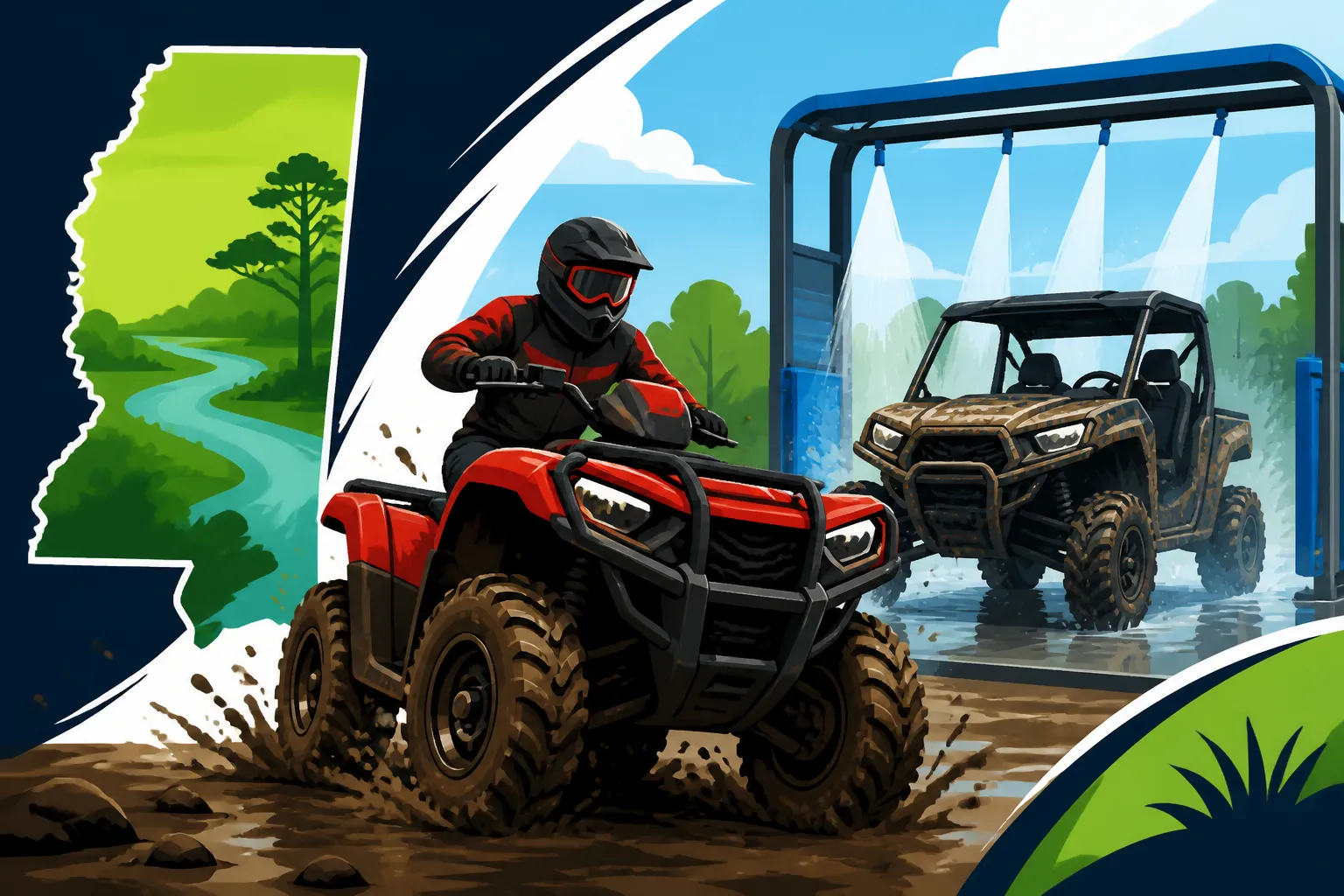
A mud-soaked ATV or UTV is part of the fun—until you have to haul it home caked in Mississippi clay, pine straw, and grit. A spray wash at the riding area can make cleanup much easier, but wash stations and park rules vary. This guide explains how to find a suitable Mississippi mud park, confirm its wash setup, and plan a cleaner, safer trip.
What to Know About Spray Washes at Mississippi Mud Parks
A wash station can mean several different things
“Spray wash” may describe anything from a basic hose and water spigot to a designated wash bay with a pressure washer. Those setups are not interchangeable. A hose can rinse loose mud from plastic and tires, while a pressure washer may make it faster to clear thick clay from wheel wells and undercarriage areas. Some parks may offer a wash area but expect riders to bring their own hose or cleaning equipment.
Before you load the trailer, ask what the facility actually provides. Find out whether water is available, whether a pressure washer is on site, whether you need to bring coins or another payment method, and whether there are rules about where you can wash. A vague answer such as “we have a wash station” may not tell you whether it will handle a large side-by-side after a deep-mud ride.
It is also worth asking when the wash area is available. A station might be closed during a weather-related shutdown, limited to certain hours, or unavailable when the park is busy. If washing is a key reason you chose the location, confirm the details shortly before leaving rather than relying on an old social media post or a photo from a prior visit.
Why washing before the drive home matters
Mississippi mud can dry into a stubborn layer, especially when a warm afternoon ride is followed by a long trip on the highway. Mud packed around a tire, suspension component, or skid plate adds weight and can conceal damage. A quick rinse at the park gives you a chance to spot a loose fastener, a torn boot, or debris wedged somewhere it should not be.
Cleaning at the riding area can also help keep your trailer and driveway from becoming a second wash site. That is useful if you live in a neighborhood with limited space, have a shared driveway, or do not want muddy runoff flowing across your yard. Even a partial rinse—tires, wheel wells, and the underside—can mean less mess when you unload.
A park wash does not replace careful maintenance. Avoid aiming high-pressure water directly at seals, electrical connectors, bearings, or sensitive components. When you get home, follow your machine’s owner guidance for cleaning and inspection. For more on dealing with trail grime, see [Washing Sand Out of a Southern Machine] and [Mississippi Mud and What It Does to a Machine].
Finding a Park That Fits Your Ride
Start with the type of riding area
Mississippi has different kinds of places to ride, and the wash question is only one part of choosing where to go. Bethel OHV Trails is a public riding area with trail-specific access rules, while private mud parks may offer a different style of riding and amenities. A location that works well for a narrow ATV may not suit a wide side-by-side, and a park built around mud may not offer the same trail experience as a forest route.
Red Creek Off-Road and Meridian OHV Park are names riders may come across while comparing Mississippi riding options. Do not assume that a facility, trail, or amenity is open simply because it appears in a search result or an older ride report. Check current access, machine restrictions, operating arrangements, and wash facilities directly with the park before making a long drive.
If you are looking at private parks, confirm the rules for the particular event or visit you have in mind. Some parks may have designated areas, scheduled opening days, age requirements, waivers, or restrictions on where vehicles can travel. The practical details are covered further in [Mississippi Private Mud Parks] and [Mississippi Private Park Waivers and Rules].
Match your machine to the trails and wash area
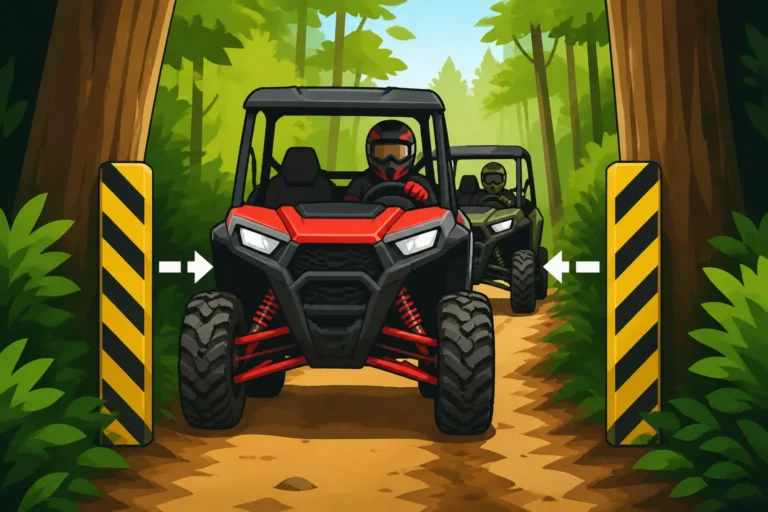
A park’s wash bay may be easy to use for a small quad but awkward for a long, wide UTV. Ask whether the wash area has enough room to maneuver with your machine, whether you can bring a trailer close by, and whether vehicles must wait in a separate queue. A tight area can create a frustrating bottleneck when several groups finish riding at once.
Pay attention to riding restrictions before you go. Width limits, trail conditions, seasonal closures, and designated routes can shape whether a park is appropriate for your machine. For example, Bethel is known for restrictions relevant to narrower machines, so riders with a side-by-side should verify eligibility before planning around it. See [Mississippi Trails With Width Limits] and [Bethel's 43 Miles Are Built for 50-Inch Machines] for related details.
A wash station does not make an otherwise unsuitable park a good fit. If a machine cannot use the trails or has to stay out of certain areas, convenient cleanup will not solve the main problem. Confirm both the riding rules and the wash arrangements in the same call so you do not arrive with a clean plan for a park your machine cannot use.
| What to check | Why it matters | What to ask |
|---|---|---|
| Water source | A wash area may not include a hose or usable water supply | Is water available, and is a hose provided? |
| Equipment | “Wash station” may not mean a powered washer | Is there a pressure washer, or should I bring one? |
| Machine fit | A narrow bay may be difficult for a wide UTV | Can a side-by-side fit and turn around safely? |
| Hours and access | Wash areas may have separate availability from trails | Is the wash area open during my visit? |
| Payment and supplies | Some facilities may require a separate payment or bring-your-own supplies | Is there a charge, and what should I bring? |
| Runoff rules | Parks may restrict where mud and wash water can go | Where am I allowed to rinse the machine? |
| Trail status | Rain can affect access and closures | Are the trails and wash area open today? |
How to Verify a Wash Station Before You Travel
Ask specific questions instead of relying on a listing
A directory entry or a rider’s old post can be helpful for finding possibilities, but it may not reflect today’s setup. Call the park or check its own recent notices, then ask direct questions. “Do you have a wash station?” is a start; “Is it operating this weekend, and does it include a hose or pressure washer?” is more useful.
Describe your machine clearly. Say whether you are bringing an ATV or a side-by-side, how many machines are in your group, and whether they will arrive on a trailer. A park employee may be able to tell you whether the wash area is suitable for your vehicle size and how busy it tends to be after a ride. If you are riding with several families, ask whether your group should expect to take turns.
Keep a note of the answer, including any restrictions on detergent, washing locations, or runoff. If the wash facility is important to your trip, confirm again close to departure. A storm, maintenance issue, or event schedule can change access, and a quick check can save you from arriving with a muddy machine and no practical place to rinse it.
Check the full day, not just the wash
Wash facilities are only useful if you can ride first. Verify the trail or park’s access rules, operating hours, day-use requirements, and weather-related closures. In Mississippi, heavy rain can change trail conditions quickly, and some riding areas may close or limit access to protect the property. For practical pre-trip planning, review [Mississippi Trail Closures After a Storm] and [Checking Trail Conditions Before You Load the Trailer].
Use a map to understand the drive, parking, and nearby services, but treat a map as a planning aid rather than proof that a trail is open or a wash station exists. onX Offroad can help riders review routes and organize where they expect to ride, but confirm access and park amenities with the managing office or property owner. A mapped line alone does not establish permission to ride there.
It is also smart to plan for the possibility that the wash area is out of service. Bring a tarp or trailer mat, spare straps, gloves, and a few basic cleaning tools. If the park has no usable wash, you can still remove the worst mud from tires and exposed areas without spreading it through your vehicle or trailer. Your backup plan does not need to be elaborate; it just needs to keep the return trip manageable.
Using a Park Wash Safely and Considerately
Rinse strategically rather than blasting everything
Start with loose mud on the tires, fenders, and underside, then work toward areas where buildup could hide damage. Do not point a high-pressure stream directly at electrical connectors, bearings, seals, radiator fins, or other vulnerable parts. For a UTV, check around the wheel wells and lower body panels, where packed clay can collect and make an already heavy machine even heavier.
If the machine has been through deep water or thick mud, take a moment to inspect it before washing. Look for branches, grass, or other debris caught around moving parts. If something is wrapped around an axle or lodged under a guard, shut the machine off and follow safe procedures to remove it; do not reach into a moving or hot area. A wash bay is a convenient place to clean, but it is not a repair station.
Use only the cleaning products the park allows. Detergents or degreasers may not be permitted, and runoff may be directed to a specific area. Ask before applying anything beyond water. Respecting the facility’s rules protects the property and helps keep the wash area available for other riders.
Share the area without creating a bottleneck
At busy times, several groups may arrive at the wash station together. Be ready to move your machine into the wash area when it is your turn, and avoid using the space for a long mechanical check if other riders are waiting. If your group has several vehicles, ask whether the park expects them to wash one at a time or queue in a particular place.
Keep your gear and personal items out of the driving path. Muddy gloves, helmets, tow straps, and tools can quickly clutter a shared station. Secure loose items and make sure the trailer is parked where it will not block access. If the site has posted instructions, follow them even if you have used similar wash bays elsewhere; each property may handle drainage and traffic differently.
A courteous rinse does not mean leaving the station spotless at the expense of the next rider. Clear away any debris you dislodged if the park asks visitors to do so, and let staff know if a hose, nozzle, or drain appears damaged. Small habits like these make a busy cleanup area safer and more pleasant for everyone.
Preparing for a Mud Ride and the Trip Home
Pack a simple cleanup and recovery kit
Even when a park advertises a wash area, bring a few basics. Work gloves, old towels, a small brush, a trash bag, and a tarp can help you manage muddy gear and protect the trailer. A pair of water-resistant boots is useful if the wash area has standing water or slick ground. Keep clean clothes or a towel in a separate bag so muddy items do not soak everything else.
For a group trip, decide ahead of time how you will handle cleanup. One person can secure helmets and loose gear while another checks the machines or stages the trailer. If you arrive late in the day, this simple division of tasks can prevent a rushed scramble as the park closes or daylight fades.
Think beyond the machine. Muddy boots and gloves can make trailer steps slippery, while clay on a loading ramp can affect footing. Before loading, check the ramp and tires for buildup, and give riders enough space to move without stepping over straps or equipment. A wash station helps, but careful loading is still essential.
Secure the machine and check it after rinsing
After washing, look over the ATV or UTV again before loading. Check that the tires are free of large clumps, confirm that straps are attached to appropriate points, and look for obvious leaks or loose components. If you find a problem, do not assume rinsing has fixed it. Decide whether the machine is safe to transport and whether it needs attention before the next ride.
Mud can hide damage, so a post-ride inspection is worthwhile even when the machine looks clean. Check the areas that took the most abuse, such as skid plates, suspension, tires, and bodywork. If the trip involved deep water, follow the manufacturer’s maintenance recommendations. A quick visual check at the park can help you avoid discovering an issue only after the trailer is already home.
Finally, secure muddy equipment so it does not slide around or drip across the vehicle. Put wet clothing and boots in a separate container, and keep paperwork, phones, and clean gear away from the wash area. If you want to plan future routes or keep track of a riding itinerary, onX Offroad can be one part of that planning process; still verify the specific park’s access and amenities directly before the next trip.
Make the wash station one part of a bigger trip plan
The best riding day is not just about getting mud on the machine. It is also about choosing a legal riding area, knowing the conditions, and making sure everyone gets home safely. Before heading out, check the park’s trail access, machine limits, wash rules, and any day-use requirements. If you are visiting forest land rather than a private mud park, make sure you understand the relevant access rules and pass requirements. [Mississippi National Forest Riding Explained] is a useful companion topic.
For riders who are new to Mississippi trails, it helps to distinguish an off-road riding area from a public road or an unmarked path. Do not assume that a nearby road, levee, or forest track is open to ATVs just because it looks rideable. Confirm the land manager’s rules and respect posted closures. The wash station is a convenience at the end of a ride, not permission to ride wherever you find a muddy route.
When you find a park with a wash setup that works well for your machine, save the contact information and make a note of what you learned: water source, equipment, hours, access, and any restrictions. That record can make the next trip easier, especially if you are coordinating a group. Just recheck the details before each visit, since operating conditions and amenities can change.
Disclaimer
This article is for general informational purposes only and does not constitute professional advice. Laws, prices and regulations vary by location and change over time. Consult a qualified professional for guidance on your specific situation.