Mississippi Titles for a Homemade Machine
Building your own off-road machine, whether it’s a custom-built quad or a side-by-side pieced together from various parts, is an incredibly rewarding experience. There's a deep satisfaction that comes from bringing a vision to life with your own hands, but then the practical reality of getting it officially recognized hits, and many DIY builders feel a distinct ping of anxiety. The traditional paths to ownership — like receiving a Manufacturer's Certificate of Origin or a straightforward bill of sale for a complete machine — simply don't apply when you've crafted something unique. This guide is here to walk you through the often-confusing process of titling a homemade ATV or UTV in Mississippi, ensuring your masterpiece is legally documented.
Understanding "Homemade" in Mississippi's Context
When you embark on a project to build an ATV or UTV from the ground up, or significantly modify an existing frame with a new engine and major components, you enter a unique category in the eyes of state vehicle departments. This isn't just about bolting on a new exhaust or swapping out tires. We're talking about machines where a substantial portion, if not all, of the core structure and powertrain has been assembled by an individual rather than a licensed manufacturer. This distinction is absolutely critical because it dictates an entirely different set of rules for establishing legal ownership.
The biggest hurdle for homemade machines is the absence of a Manufacturer's Certificate of Origin (MCO), which is the factory-issued document that new vehicles come with. For a brand new, off-the-assembly-line machine, that MCO is the golden ticket to getting your initial title. But when you’re building something yourself, there’s no factory, no assembly line, and certainly no MCO. This immediately throws a wrench into the standard titling process, leaving many custom builders wondering where to even begin.
Another common scenario that falls under the "homemade" umbrella, or at least requires a similar approach, involves machines assembled from a collection of parts from various donors, or even a salvaged frame brought back to life. Maybe you acquired an old quad frame, found an engine from a different model, and sourced axles and suspension components from various online marketplaces. Even though some parts might have come from factory-built machines, the resulting whole is a unique creation. The state needs a way to account for this new "vehicle" and ensure it's not made of stolen parts, and that it has a verifiable identity. This is where the homemade process diverges significantly from titling a standard used machine bought with a [Mississippi Bills of Sale for a Used Machine].
Defining a Homemade Machine in the Magnolia State
In Mississippi, a "homemade" or "specially constructed" vehicle typically refers to one that has been built or assembled from a kit or various parts, where the original manufacturer's identity is either unknown, no longer applicable, or simply never existed for the completed unit. This can include anything from a custom-welded frame with a motorcycle engine to a side-by-side chassis built using plans you found online. The key here is that the state needs a clear, verifiable chain of ownership for all the major components, and an official identifier for the finished product.
It’s important to distinguish this from simply modifying a factory-built machine. If you bought a Polaris RZR, and then lifted it, added new tires, and put in a custom sound system, it's still fundamentally that same Polaris RZR with its original Vehicle Identification Number (VIN) and MCO. But if you took the engine out of that RZR and built an entirely new frame around it, adding suspension components from another source, then you've crossed the line into a specially constructed vehicle. Understanding [Mississippi ATV and ROV Legal Definitions] is a good starting point to grasp how your machine might be classified.
The frustration often stems from the fact that the state's titling bureaucracy is primarily set up for mass-produced vehicles. When you present something truly custom, it can feel like you’re trying to fit a square peg into a round hole. However, there are established procedures, even if they're not widely advertised or immediately obvious. The goal is always to establish a clear paper trail for the machine's components and to get a legal identity assigned to your unique creation.
The Essential Paperwork Journey for a Homemade Machine
Since your custom-built machine won't arrive with a factory-issued Manufacturer's Certificate of Origin (MCO), you're going to need to build a paper trail from scratch. This is perhaps the most critical difference from standard titling. If you were titling a brand new ATV, the dealer would hand you the MCO, and that would be your primary proof of origin. But for a homemade machine, you become the "manufacturer" in a sense, and you need to document that process meticulously. This can feel daunting, but breaking it down into manageable steps makes it much clearer.
The central concept here is to provide comprehensive evidence of where all major components came from and how they came together. Think of it like building a legal story for your machine. Every piece of the puzzle needs to fit, and every step needs to be documented. This includes proving you legally acquired the engine, the frame (if not fabricated by you), axles, and any other significant parts that contribute to the machine's identity and value. Don't underestimate the importance of even small receipts; they all add up to build a credible history for your unique off-road vehicle.
Building Your Own "Paper Trail" from Parts
Without an MCO, your paper trail will consist primarily of receipts, invoices, and any bills of sale for the individual components you purchased. This is where attention to detail really pays off. If you bought a used engine, you need a bill of sale for that engine. If you purchased new tubing for the frame, keep those hardware store receipts. Any major component that adds significant value or function to the machine should have documentation of its acquisition. Even if a part was free or salvaged, you might need to write an affidavit explaining its origin.
For example, let's say you sourced the engine from a junked golf cart and fabricated the frame yourself. You'll need documentation for the golf cart (perhaps a salvage title or a bill of sale from the previous owner for parts), and then an affidavit detailing your construction of the frame. This might seem like overkill, but the state needs to be confident that your machine isn't composed of stolen parts and that its origins are legitimate. While [Mississippi Requires an MCO for a New Machine] for factory units, your goal is to substitute that with equally robust documentation for your custom build.
Furthermore, it's a good idea to create a detailed manifest of all major components, noting their serial numbers (if any) and how they contribute to the finished machine. This manifest, along with your receipts, forms the backbone of your application. You could even use a service like LawDepot to help you generate professional-looking bills of sale for any significant used parts you acquired, or to create a structured manifest. They provide templates that can help you organize and formalize these crucial documents, adding an extra layer of credibility to your self-generated paper trail.
The Affidavit of Construction and VIN Assignment
One of the most crucial documents for a homemade machine is an Affidavit of Construction. This is a sworn statement, often notarized, where you detail the process of building your machine. It should include:
- Your name and contact information.
- A clear statement that you constructed the vehicle.
- The approximate date(s) of construction.
- A comprehensive description of the machine (type, color, estimated weight, dimensions).
- A list of all major components, including any serial numbers (engine, transmission, axles), and where they were acquired (with corresponding receipts attached).
- The estimated value of the completed machine.
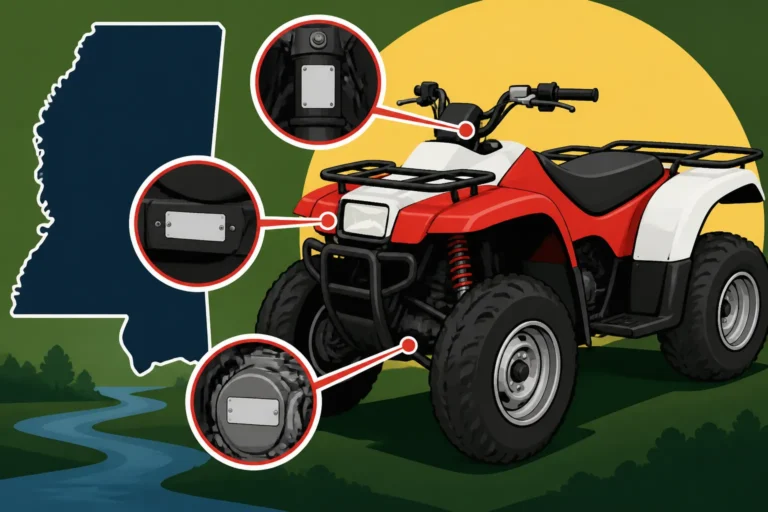
This affidavit essentially serves as your "MCO" for the homemade unit. It tells the state how your unique machine came into existence. Alongside this, your machine will almost certainly need a state-assigned Vehicle Identification Number (VIN). Since it didn't roll off a factory line, it won't have a standardized VIN. You'll typically apply for a VIN assignment through the Department of Public Safety or a designated agent. This process often involves a physical inspection of your machine by a law enforcement officer or state official to verify the components, ensure there are no existing VINs (or to confirm any existing ones are properly documented), and to assign a new, unique identifier. This state-assigned VIN will then be stamped or affixed to your machine in a permanent location, much like a factory VIN.
| Document Type | For a Factory New Machine | For a Homemade Machine | Purpose |
|---|---|---|---|
| Origin Proof | Manufacturer's Certificate of Origin (MCO) | Affidavit of Construction & Receipts | Verifies legal origin and build process |
| Identification | Factory-Issued VIN | State-Assigned VIN (after inspection) | Unique identifier for the vehicle |
| Bill of Sale | Dealer Bill of Sale | Bills of Sale for Major Parts | Proves ownership of the components/machine |
| Sales Tax | Collected by dealer | Paid on parts or total value (if applicable) | Ensures state taxes are collected |
| Application | Standard Title Application | Special Title Application/Forms | Initiates the titling process with the state |
In cases where you might not have pristine receipts for every single nut and bolt, or if a major component's origin is unclear (perhaps a frame salvaged decades ago), you might run into a situation where a [Mississippi Title Bond Procedure] becomes necessary. A title bond essentially acts as an insurance policy, protecting the state and any previous owners in case a rightful claim emerges after your title is issued. While it adds a layer of complexity and cost, it's a pathway for machines with less-than-perfect paper trails to still get titled. The costs associated with such bonds vary, and it's something to factor into your budget if you anticipate issues.
Navigating the Titling Application and Potential Hurdles
Once you've meticulously gathered all your documentation – the Affidavit of Construction, receipts for major components, and initiated the VIN assignment process – you're ready to tackle the actual titling application. This can still feel like navigating a maze, primarily because not every clerk at every county office handles these specialized cases frequently. Patience and thorough preparation are your best friends here. You’re essentially presenting a case to the state for why your unique creation deserves an official title, and every piece of paper you bring supports that case.
Your main point of contact for this process will be your local County Tax Collector's office. While they handle thousands of standard vehicle titles every year, a homemade machine is less common. Don't be surprised if the clerk needs to consult with a supervisor or refer to specific state guidelines for specially constructed vehicles. It’s not a reflection on your preparation, but simply the nature of dealing with non-standard situations. Going in with all your ducks in a row will make the process smoother for everyone involved.
The application itself will be the standard Mississippi title application form, but you'll be filling it out with your newly assigned VIN and listing yourself as the "manufacturer" or "builder." You'll need to attach all the supporting documents we've discussed, making a clear and organized package. Be prepared to potentially pay a [Mississippi Title Fee of $9], and any applicable sales tax if it hasn't already been accounted for on your parts purchases. This is where having your receipts itemized can really help, as it demonstrates that you've paid tax on the components, or helps the collector determine what, if any, additional [Mississippi Sales Tax at 7 Percent] is due on the complete machine.
The Titling Application at the County Level
When you visit your county tax collector’s office, bring every piece of paper you’ve gathered. This includes your notarized Affidavit of Construction, all original receipts for major components (and copies for them to keep), the documentation related to your state-assigned VIN (if you’ve already completed that step), and proof of your identity and residency. Having photo IDs and utility bills readily available will streamline the process. You'll complete the standard title application, carefully marking it as a "specially constructed" or "homemade" vehicle, or as instructed by the clerk.
One common hurdle can be correctly calculating any outstanding sales tax. If you bought all your parts used from private sellers, you likely didn't pay sales tax on individual components. The state might then assess sales tax on the estimated value of the completed machine. It's crucial to be honest and realistic about the value, as it impacts the tax due. Providing a clear breakdown of your costs in your Affidavit of Construction can help the tax collector make an accurate assessment. LawDepot could be helpful in creating a professional document package, which may assist the clerk in understanding your unique situation more clearly.
Once all the paperwork is submitted and fees are paid, your application will be sent to the state for processing. Be prepared for a wait. Standard Mississippi titles can take [Mississippi Titles Take About Six Weeks] to process, and a homemade machine might take a bit longer due to the extra scrutiny required. There might even be a follow-up call if something in your documentation needs clarification. Responding promptly and politely to any requests for additional information will help keep the process moving.
Addressing Potential Roadblocks
It's not uncommon for there to be questions or even initial rejections. A common reason for delays is insufficient proof of component ownership or an incomplete Affidavit of Construction. Make sure every major part is accounted for and its acquisition is clearly documented. Another issue can arise if the VIN assignment process hasn't been fully completed or if the inspector's report is missing details. Double-check all forms for completeness and accuracy before you submit them.
If a specific part was a gift, or if you inherited a component without a bill of sale, you might need an additional notarized affidavit from the giver or previous owner. If that’s not possible, or if the origin of a key component is truly unknown, you might be directed back to the title bond process. While adding to the cost, a title bond is specifically designed to resolve these kinds of "lost paperwork" situations, providing a legal pathway forward even when traditional documentation falls short. Understanding [Mississippi Title Bond Costs] can help you budget for this contingency if it arises.
Remember, the state's primary concern is preventing fraud and ensuring legitimate ownership. Your job is to provide enough credible information to alleviate any doubts. The more organized and complete your submission, the higher the chance of a smooth process. Don't give up if you face a minor setback; simply address the identified issue and resubmit.
Beyond the Title: What Your Homemade Machine's Title Means (and Doesn't Mean)
Finally, after all the hard work of building your unique machine and navigating the often-complex world of state paperwork, you receive your Mississippi title. This is a moment of triumph, a tangible piece of paper that legally recognizes your creation. But what does this title actually mean for you as the owner, and what limitations should you still be aware of? It's important to have a clear understanding of the title's implications so you can enjoy your homemade off-road vehicle responsibly and within the bounds of the law.
The most significant benefit of having a title for your homemade machine is undeniable: it provides official proof of ownership. This protects your substantial investment of time, money, and effort. If your machine is ever stolen, having a title with a state-assigned VIN vastly increases the chances of recovery and proves that it's legally yours. It also makes it possible to sell your machine down the road, as most buyers will (and should) require a clean title. Without it, you’d be selling a collection of parts, not a legally recognized vehicle.
Furthermore, a title can simplify insurance matters. While [Mississippi Has No Insurance Mandate] for ATVs, many riders choose to insure their machines for theft, damage, or liability, especially given the cost of parts and the time invested in a homemade build. Insurance companies prefer to insure titled vehicles because it clearly establishes ownership and value. Without a title, getting comprehensive coverage for a homemade machine can be significantly more challenging, if not impossible. The title validates your machine as a legitimate asset.
The Value of Your Titled Homemade Machine
Having a title for your homemade ATV or UTV dramatically increases its value and marketability if you ever decide to sell it. When it comes time for [Selling a Titled Machine in Mississippi], a prospective buyer has the peace of mind knowing they are acquiring a legally recognized asset, not just a collection of parts with a dubious history. You can perform a standard title transfer, just like with any other titled vehicle, which simplifies the process for both you and the buyer. This transparency protects both parties and makes the transaction smoother.
The title also serves as a crucial document for estate planning. If something were to happen to you, your titled homemade machine can be properly included in your estate and transferred to your heirs according to your wishes. Without a title, proving ownership and transferring such a unique asset could become a legal headache for your family. The title formalizes your machine's existence as a valuable piece of personal property.
It’s worth noting that while your title confirms ownership, it doesn't automatically mean your machine can be financed like a factory-new unit. Most lenders have specific criteria for financing, and a homemade vehicle, even with a title, might not meet their traditional lending requirements without additional collateral. However, if you do secure a loan, the title is essential for recording any lien against the machine. [Mississippi Lien Recording at $5] allows a lender's interest to be noted on the title, protecting their investment.
Important Restrictions and Responsibilities
Despite having a valid title, it's absolutely crucial to remember that a Mississippi title for an ATV or UTV – whether factory-made or homemade – does not grant you permission to operate it on public roads. Mississippi law is quite clear: [Mississippi Bans ATVs on Public Roads]. A title is purely a document of ownership and identification, not a license to operate on streets and highways. This is a common misconception that can lead to fines and legal trouble. Always consult local ordinances and state laws regarding where you can legally ride your off-road machine.
Your title also doesn't exempt you from other operational requirements. For instance, if you're riding your homemade machine on designated trails within a national forest, you will still need a [Mississippi Forest Pass Cost] and adhere to all trail rules, including width restrictions, helmet laws for youth riders, and spark arrestor requirements. A title does not open up special privileges; it simply establishes legal ownership.
Finally, maintaining your documentation is an ongoing responsibility. If you make significant structural changes to your homemade machine after it's been titled, it's always wise to consult with the DMV or tax collector's office to see if any updates to your title information are necessary. Keeping records of major repairs or upgrades, especially if they involve serial-numbered components, can be beneficial in the long run. Congratulations on your unique build and for navigating the titling process – now go enjoy your custom creation responsibly!
Disclaimer
This article is for general informational purposes only and does not constitute professional advice. Laws, prices and regulations vary by location and change over time. Consult a qualified professional for guidance on your specific situation.