Mississippi Requires an MCO for a New Machine
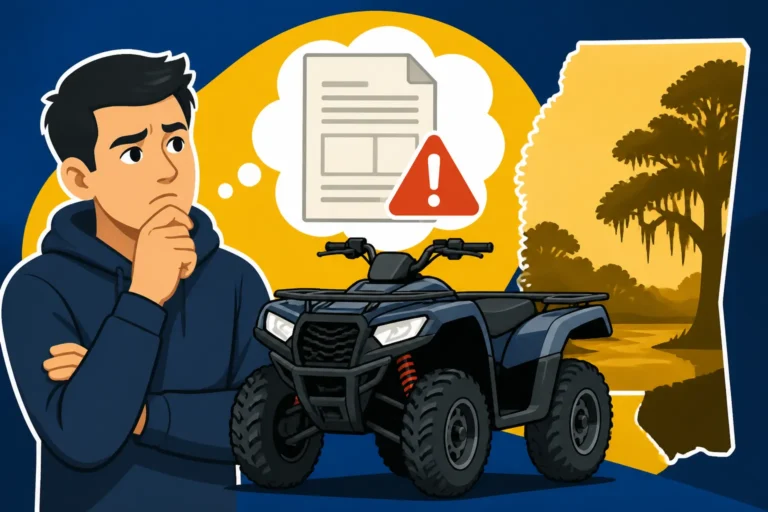
Buying a brand new ATV or side-by-side in Mississippi can be an incredibly exciting time, full of dreams about hitting the trails or getting work done on your land. However, that initial rush often collides with a wall of confusion when it comes to the paperwork needed to properly own your machine, especially if you're unfamiliar with the state's new titling laws. This guide will walk you through the absolute necessity of the Manufacturer's Certificate of Origin (MCO) for new off-road machines in Mississippi and what you need to do to secure your title.
Understanding the Manufacturer's Certificate of Origin (MCO)
When you purchase a brand new car, you expect to get a title eventually. But for years in Mississippi, off-road vehicles like ATVs and UTVs were a different beast entirely, often changing hands with just a bill of sale. That all changed with new legislation. Now, for any machine built after a specific date, a title is required, and the journey to that title begins with a crucial document called the Manufacturer's Certificate of Origin, or MCO. Think of the MCO as the "birth certificate" for your ATV or UTV. It’s the official document issued by the manufacturer when the machine is first made, signifying its initial transfer from the factory to the dealership.
The MCO's Role in Establishing Ownership
The MCO is the very first document that establishes a chain of ownership for a new off-road machine. Before a title can be issued in Mississippi, the state needs to know that you are the legitimate first owner, or at least that the dealership you bought it from was. The MCO proves this by detailing who the manufacturer released the machine to – typically the dealer. Once you buy the machine, the dealer will then sign over the MCO to you, the purchaser, effectively transferring that initial ownership. Without a properly endorsed MCO, the Mississippi Department of Revenue has no way to trace the machine's origin or confirm that it's truly "new" and ready for its first title. This is why if you're buying a new quad, the MCO is non-negotiable. It's the lynchpin in proving your ownership before the state will even consider issuing a title in your name.
Key Information Found on an MCO
A Manufacturer's Certificate of Origin isn't just a fancy piece of paper; it’s packed with vital details about your new off-road machine. You'll find things like the manufacturer's name, the model year, the specific make and model of the ATV or UTV, and, most importantly, the Vehicle Identification Number (VIN). The VIN is the unique identifier for your machine, just like a Social Security number for a person. The MCO will also specify the machine type (e.g., ATV, UTV, dirt bike), its engine size, and sometimes its dry weight or width, which can be important for [Mississippi ATV Width Limit of 50 Inches] or [Mississippi ROV Width Limit of 65 Inches] for trail access or legal definitions. Additionally, the MCO will include the original date of manufacture, which is critical for determining if your machine falls under the new titling requirements in Mississippi. Finally, it will have sections for endorsements, where the dealer formally assigns the machine to you. Make sure all these details are accurate and match your machine perfectly before you leave the dealership. Any discrepancies could cause major headaches down the line when you try to apply for your title.
Why Mississippi Needs Your MCO for a New Machine
Mississippi has long been one of those states where titling ATVs and UTVs wasn't mandatory, leading to a lot of grey areas when it came to proving ownership, especially for used machines. This often made it difficult to recover stolen machines or prove legitimate ownership in a private sale. Recognizing these issues, the state enacted new laws to bring off-road vehicles into a more standardized system. This new system fundamentally relies on the MCO for all newly manufactured machines, establishing a clear and verifiable paper trail from day one.
The Titling Mandate for Machines Built After July 2025
The biggest change to be aware of is that [Mississippi ATV Titling Starts July 2025]. This means any ATV or UTV with a manufacturer's build date on or after July 1, 2025, must be titled in Mississippi. This isn't an option; it's a legal requirement. For these newer machines, the MCO is the primary document proving that your machine falls under this mandate and is eligible for its very first title. If you're looking at a brand-new 2026 model, for instance, you can bet it was built after this cutoff, and the MCO will be your ticket to getting it titled. The state needs this document to kick off the titling process, ensuring that every new machine entering the state's ownership records has a clean and verifiable origin. Without it, you simply cannot title your new machine, which could create significant problems if you ever need to prove ownership or sell it later on. [ATVs Made After July 2025 Must Be Titled] is a crucial piece of legislation to understand.
The MCO as Proof of Newness and Origin
The MCO serves as the definitive proof that your machine is indeed "new" and that it originated from a legitimate manufacturer. This is vital for several reasons. Firstly, it differentiates a new machine from a used one, which typically requires a different set of documents like a bill of sale and possibly an existing title if the machine was previously titled in another state. Secondly, it helps prevent the titling of stolen or illegally imported machines, as the MCO provides an undeniable link back to the factory. The state of Mississippi, through its County Tax Collectors and the Department of Revenue, uses the MCO to ensure that the machine hasn't been titled before and that you are its rightful first owner. This meticulous process safeguards both consumers and the integrity of the ownership records. Think of it as the state confirming the machine's identity before officially recognizing your ownership in its records.
Navigating the Titling Process with Your MCO
Once you've purchased your shiny new ATV or UTV and have the MCO in hand, the next step is to actually get it titled. This process, while relatively straightforward, does involve specific steps and deadlines you'll need to follow carefully. Missing a deadline or submitting incomplete paperwork can lead to delays or even fines, which nobody wants when they're itching to ride. Understanding the flow of paperwork and where to go is key to a smooth experience.
From Dealer to Tax Collector: The Paperwork Journey
The journey typically starts at the dealership where you purchased your new machine. They are usually responsible for providing you with the MCO, properly endorsed in your name. They might even help you fill out some of the initial paperwork. However, the ultimate responsibility for submitting the title application falls to you, the buyer. You'll need to take your endorsed MCO, along with other required documents, to your [Mississippi County Tax Collectors and Titles] office.
Here’s a general rundown of what to expect:
- Receive the MCO: The dealer will give you the MCO, signed over to you. Double-check that all information is correct and legible.
- Gather Additional Documents: You'll need your driver's license or state ID, proof of residency, and the bill of sale or purchase agreement detailing the sale price. Remember, [Mississippi's 7 Percent Machine Tax Rate] applies, so the sales price on your bill of sale will be used to calculate this.
- Visit Your County Tax Collector: Head to the tax collector's office in your county of residence. This is where you'll submit your application for title.
- Fill Out the Application: You'll complete a title application form provided by the county office.
- Pay Fees and Taxes: Be prepared to pay the [Mississippi Title Fee of $9] and the 7% sales tax on your purchase. You'll also pay any applicable fees for recording a lien if you financed the purchase.
- Submit Paperwork: The tax collector's office will review your documents, collect the fees, and process your application.
Keep in mind that you generally have a 30-day window from the date of purchase to submit your title application without incurring penalties. It's always a good idea to call your local county tax collector's office ahead of time to confirm their specific requirements and hours.
Common Pitfalls and How to Avoid Them
Even with the best intentions, people sometimes run into snags when trying to title a new machine. One of the most common issues is simply not having the MCO or having one that's incorrectly filled out. Always verify that the VIN on the MCO matches the VIN on your machine exactly. A single digit off can halt the process. Another common mistake is neglecting the 30-day application window. If you miss this, you might face penalties or have issues with your lienholder if you financed the machine.
Here's how to sidestep some common problems:
- Verify the MCO at the Dealership: Before you drive away, carefully inspect the MCO. Is it properly endorsed to you? Is all the information accurate?
- Keep All Documents Together: Treat your MCO, bill of sale, and identification like gold. Keep them in a safe place until you’ve submitted your title application. A tool like LawDepot can help you organize and generate other important documents, although it's not for the MCO itself.
- Don't Procrastinate: As soon as you purchase your machine, make a plan to visit the tax collector's office within the first week or two. Don't wait until the last minute.
- Call Ahead: Each county office might have slightly different procedures or require specific forms. A quick phone call can save you a wasted trip.
- Understand the Costs: Know that you'll be paying sales tax and the title fee upfront. Be prepared with the correct payment methods. [What a Mississippi ATV Title Costs] outlines these expenses.
By being proactive and double-checking your paperwork, you can ensure a smooth titling experience and get to riding your new machine without unnecessary delays. While the standard processing time for a title can be [Mississippi Titles Take About Six Weeks], you always have options like [Mississippi Fast Track Titles Explained] if you need it sooner.
Beyond the MCO: Other Essential Documents
While the MCO is undeniably the star of the show when titling a new ATV or UTV in Mississippi, it's not the only document you'll need. The state requires a few other pieces of paperwork to fully establish ownership, process taxes, and verify your identity. Gathering everything in advance will make your trip to the county tax collector's office much more efficient and less stressful.
Sales Tax and Proof of Purchase
Every new ATV or UTV purchased in Mississippi is subject to state sales tax. Currently, this is set at [Mississippi's 7 Percent Machine Tax Rate]. This tax is calculated on the full purchase price of the machine before any trade-in credits, though the trade-in credit can reduce the amount subject to tax. To prove the purchase price and ensure accurate tax calculation, you'll need to present a detailed bill of sale or a purchase agreement from the dealership. This document should clearly state:
- The date of sale.
- The seller's (dealership's) name and address.
- Your name and address as the buyer.
- A complete description of the ATV/UTV, including make, model, year, and VIN.
- The agreed-upon purchase price.
- Any trade-in allowance, if applicable.
- Any additional fees or accessories.
This proof of purchase is essential for the tax collector to assess and collect the correct sales tax. If you buy a machine out of state and bring it into Mississippi, you'll still be subject to a use tax at the same 7% rate. Always keep a copy of your bill of sale for your own records, in addition to the one you submit for titling. Services like LawDepot can be a great resource if you ever need to generate a compliant bill of sale for a private sale in the future, although your dealer will provide the one for a new machine.
Identity and Residency Requirements
The state also needs to confirm who you are and where you live to issue a title in your name. This is standard procedure for virtually any official document. When you visit the county tax collector's office, be prepared to present:
- A Valid Photo ID: Typically, a Mississippi driver's license or a state-issued identification card will suffice. Ensure it's current and clearly displays your photo and signature.
- Proof of Mississippi Residency: While your driver's license usually covers this, sometimes additional proof might be requested, especially if your license address is new or hasn't been updated. Acceptable documents can include a utility bill (electricity, water, gas), a property tax statement, or a lease agreement. The address on these documents should match the address you want on your title.
The purpose of these identity and residency checks is to prevent fraud and ensure that the title is issued to the correct person residing within the state. It also helps in tracking any necessary correspondence regarding your title application. Having these documents ready will prevent any unexpected holdups during your title application process, leading to a smoother experience.
Dealing with Lost or Damaged MCOs
It's a nightmare scenario: you've just bought your brand new off-road machine, you're ready to head to the tax collector's office, and then you realize the Manufacturer's Certificate of Origin is missing or has been damaged beyond recognition. While it’s certainly a frustrating situation, it's not an insurmountable obstacle. There are specific procedures in place to help you get the necessary documentation, though they might require a little more time and effort.
Manufacturer Duplicates and Dealer Assistance
The first and most straightforward path if your MCO is lost or damaged is to contact the dealership where you purchased the ATV or UTV. They are your primary point of contact and often keep digital or physical records of MCOs they’ve processed. Many manufacturers can issue a duplicate MCO, but they will typically only do so at the request of the original dealer.
Here's how this usually plays out:
- Contact Your Selling Dealer: Explain the situation to the dealership. Provide them with your purchase date, the VIN of your machine, and any other relevant sales information.
- Dealer Request to Manufacturer: The dealer will then contact the manufacturer on your behalf to request a duplicate MCO. This process can take some time, as manufacturers have their own verification and mailing procedures.
- Receive Duplicate MCO: Once the duplicate is issued, it will likely be sent directly to the dealership, who will then notify you to pick it up. Ensure it’s properly endorsed to you, just like the original would have been.
While this method is generally reliable, it can take anywhere from a few days to several weeks, depending on the manufacturer's efficiency and the dealer's responsiveness. Patience is key here, but persistence in following up can also be helpful.
The Title Bond as a Last Resort
What if the dealership is no longer in business, or the manufacturer simply cannot provide a duplicate MCO for some reason? This is where the concept of a title bond, or more specifically, a [Mississippi Title Bond Procedure], comes into play. A title bond is essentially a guarantee that you are the rightful owner of the machine, and it protects the state and any subsequent owners from financial loss if it turns out the machine was stolen or someone else has a legitimate claim to it.
A title bond is typically used when you cannot provide the necessary proof of ownership, like an MCO or a valid title from a previous owner (for used machines). It's a "last resort" option, but a vital one.
Here’s a general overview of the process:
- Contact Your County Tax Collector: Explain that you have a new machine but cannot obtain the MCO. They will advise you if a title bond is the appropriate path.
- Obtain a Surety Bond: You'll need to purchase a surety bond from a licensed bonding company. The bond amount is usually a percentage of the machine's value.
- Submit Bond and Application: With the bond in hand, you will submit it along with a special application to the Department of Revenue through your county tax collector's office. This application will require you to attest to your ownership and explain why the MCO is unavailable.
- Waiting Period: There may be a waiting period during which the state investigates to ensure no other claims exist against the machine.
While a title bond can solve the problem of a missing MCO, it's a more complex and potentially more expensive route than simply getting a duplicate. It's why meticulously safeguarding your MCO from the moment you receive it is always the best practice. This process is generally more associated with older machines or situations like [Mississippi Title Bonds When Papers Are Gone] but is applicable when a new machine's MCO is truly irretrievable.
| Document Type | For New Machines (Post-July 2025) | For Used Machines (Any Date) |
|---|---|---|
| Manufacturer's Certificate of Origin (MCO) | Required (endorsed to buyer) | Not applicable (unless out-of-state with original MCO) |
| Mississippi Title | Not applicable (seeking first title) | Required (from previous owner) |
| Bill of Sale | Required (from dealership) | Required (from seller) |
| Photo ID | Required | Required |
| Proof of Mississippi Residency | Required | Required |
| Lien Release (if applicable) | Not applicable | Required (if previous lien existed) |
| Title Bond (if papers missing) | Possible alternative if MCO lost | Possible alternative if title lost |
This table clearly illustrates the importance of the MCO for your new off-road machine. While [Mississippi Title Requirements for 2026] specifically mention newer machines, understanding the full scope of documentation is crucial regardless of the machine's age. The more prepared you are with your paperwork, the less friction you’ll encounter on your path to legal ownership. [Mississippi Title Processing Time] can vary, so having everything in order from the start is key.
Disclaimer
This article is for general informational purposes only and does not constitute professional advice. Laws, prices and regulations vary by location and change over time. Consult a qualified professional for guidance on your specific situation.