Mississippi Poker Runs and Charity Rides
A Mississippi poker run can bring riders together for a good cause, but the fun depends on more than drawing cards at checkpoints. You need a permitted route, a clear plan for riders of different experience levels, and a way to keep fundraising separate from trail hazards. This guide explains how to find, organize, and ride charity events responsibly.
How Mississippi ATV poker runs work
Poker run basics and what riders should expect
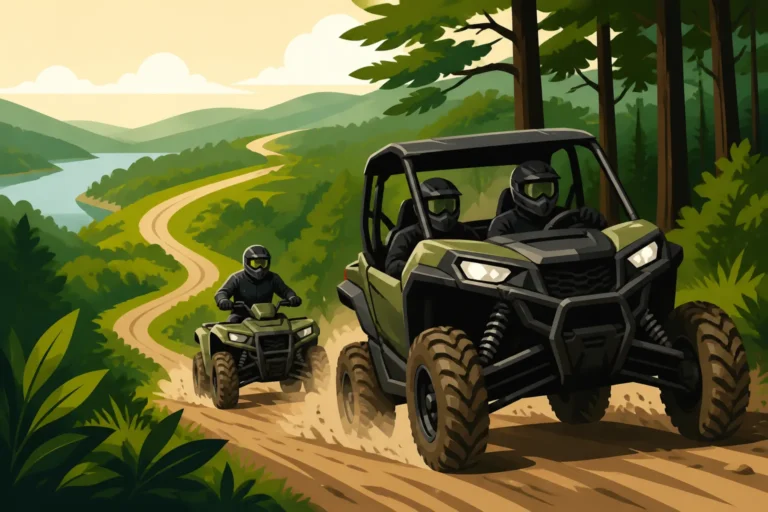
A poker run is usually a group ride with several stops. At each checkpoint, participants draw or receive a playing card; the person or team with the best hand at the end may win a prize. The event may also include a registration table, food, a raffle, a donation drive, or a gathering after the ride.
Despite the name, a poker run is not supposed to be a race. Riders should follow the posted route and event instructions rather than trying to reach checkpoints first. Speeding through a muddy turn, crowding another machine, or cutting across private land can turn a fundraiser into a dangerous day.
Formats vary. Some events use a single route, while others offer different distances or loops. Ask the organizer what the checkpoints involve, whether passengers can participate, what machines are allowed, and whether there is a cutoff time for returning. If you are new to organized rides, [Mississippi Group Ride Planning] offers useful preparation ideas for coordinating machines and riders.
Where events may take place
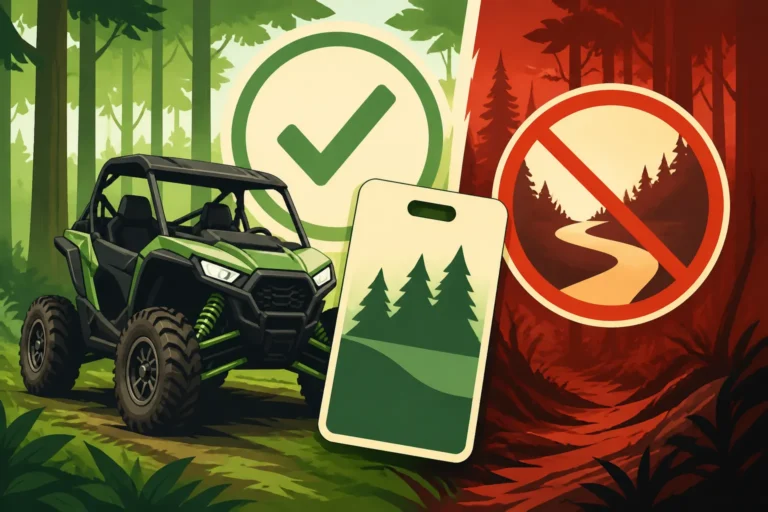
Mississippi charity rides can be organized on private property, at a private riding park, or on land where access is specifically authorized. A familiar trailhead is not automatically a permitted event venue, and an invitation to ride does not necessarily mean every trail or road is open to a large group.
Before signing up, identify the exact property or riding area and ask who controls access. If the event is advertised near a national forest, wildlife management area, or other public land, confirm which routes are open to off-highway vehicles and what passes, age requirements, or other rules apply. [Mississippi ATV Trails: Where to Ride] can help you understand the different kinds of riding areas, but event access still needs to be confirmed with the organizer or land manager.
A place like Bethel OHV Trails or a private park may be familiar to riders, but don’t assume it is hosting a particular fundraiser. Check the event’s own announcement for the venue, date, permitted machine types, and current operating details. Trail access and conditions can change, especially after rain; [Mississippi Trail Conditions After Rain] is a helpful reminder to check before hauling a machine.
How to find and evaluate a charity ride
Look for clear event information
A well-organized announcement should tell you who is hosting the ride, which organization or cause will benefit, where riders should arrive, and what to bring. It should also explain the route format, machine restrictions, check-in process, and how the event will handle weather or closures.
If the information is vague, ask before paying or loading your trailer. Questions worth answering include:
- Who is responsible for the event and the route?
- Is the ride on private property or an authorized public-land route?
- Are there width, age, passenger, helmet, or sound requirements?
- What does registration include, and are donations optional or separate?
- What happens if weather makes the route unsafe or the venue closes?
- Is there a sweep rider, first-aid plan, or way to contact event staff?
Local clubs and riding groups can be useful places to hear about events, but treat a shared post as a lead rather than final confirmation. [Mississippi ATV Clubs Worth Joining] may help you find local riding connections. Confirm details with the organizer directly, particularly if an event post has been reposted without a date or venue update.
Understand the fundraising details
Charity rides often combine a registration contribution with optional donations, raffles, merchandise, or food sales. Ask which parts support the stated cause and whether any costs are handled separately. A straightforward organizer should be able to explain how donations are collected and who receives them.
Keep a simple record of what you paid and what it covered. A registration fee may include event access or meals, while a separate donation may be treated differently by the organization. Don’t assume every payment is tax-deductible; ask the beneficiary or organizer about its status and how it handles receipts.
A fundraiser can be genuine even when the event is small and community-run. Still, basic transparency matters. Look for a named beneficiary, a clear contact person, and consistent event information. If the person collecting funds cannot explain where donations go, pause and ask for clarification before contributing.
| Event detail | What to confirm before you go |
|---|---|
| Venue | Exact property, entrance, and who authorizes access |
| Route | Distance, difficulty, checkpoint plan, and any closed sections |
| Machine rules | Allowed types, width limits, passenger rules, and equipment expectations |
| Fundraising | Beneficiary, what registration covers, and how donations are handled |
| Weather plan | Whether the ride may be delayed, rerouted, or canceled |
| Rider support | Check-in, emergency contact, sweep rider, and first-aid arrangements |
Preparing to ride safely and respectfully
Check the route, machine, and riding rules
Start with the organizer’s route information, then check the land manager’s rules if the event uses public land. A map app can help you understand where you are and keep a group oriented, but it does not grant access or override a gate, posted closure, or land-use restriction. Some riders use onX Offroad to review routes and save map information before leaving areas with weak cell service. Compare any app route with the event’s instructions and the official information for the property.
Use onX Offroad as a planning aid, not as proof that every mapped line is open to riding. A route visible on a map may cross land with different ownership or restrictions. If a checkpoint route seems to send riders onto a public road, ask the organizer how that segment is authorized; ATVs and UTVs should not simply use roads as shortcuts. For general road-law context, see [Can You Ride an ATV on the Road in Mississippi?].
Give your machine a practical pre-ride check. Look over tires, brakes, steering, lights, fuel, and any winch or recovery gear you expect to use. Carry water, basic first aid, and a way to contact your group. Make sure your helmet and protective gear fit properly, and do not ride beyond your ability just to keep up with a faster group.
Ride in a way that keeps the event welcoming
Follow the event’s pace and leave space between machines, especially in dust, mud, or on narrow trails. Don’t pass blindly, race toward a checkpoint, or assume the rider ahead can see you. If the group gets separated, use the agreed regrouping points rather than improvising a shortcut.
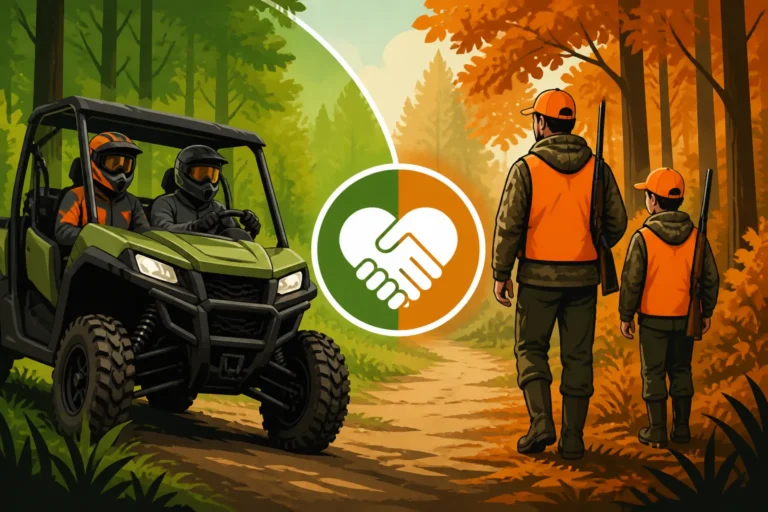
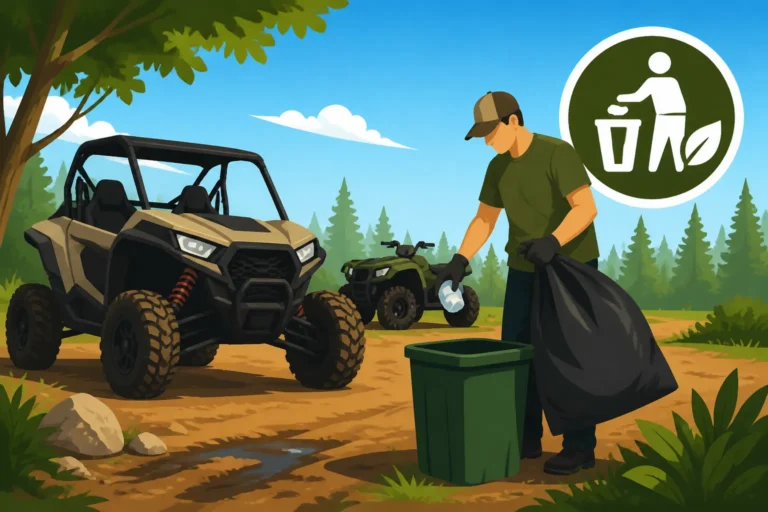
Respect landowners, park staff, other trail users, and nearby residents. Stay on the designated route, close gates if the landowner’s instructions require it, and pack out trash. [Mississippi Trail Etiquette Locals Expect] covers the small habits that help keep riding areas open to responsible groups.
Avoid alcohol or impairing substances before or during riding. If someone in your group is tired, overheated, or uncomfortable with the route, stop and address it instead of pressuring them to continue. A charity event is not worth a preventable crash or a damaged machine.
Organizing a Mississippi charity poker run
Get permission before promoting the route
If you are organizing, begin with the property owner or land manager—not with a social post announcing a route. Explain the expected group size, machine types, route, timing, parking needs, and any planned food or fundraising activity. Get permission for the actual event footprint, including staging, checkpoints, and the finish area.
Public-land requirements can differ from private-property rules. Ask the relevant office whether the proposed ride is allowed and whether the event needs approval, a permit, a pass, or route changes. [Mississippi Event Permits for a Ride] is a useful starting point for thinking through that question. On private land, get clear permission from the person with authority to grant it, and don’t treat a verbal invitation to a small ride as blanket approval for a large fundraiser.
Plan a route that suits the least experienced riders you expect to welcome. If possible, make the route easy to explain, mark checkpoints clearly, and provide a shorter option or a way to leave the ride safely. Share route rules in advance, including whether there are narrow sections, water crossings, steep terrain, or areas where stopping is unsafe.
Build a simple event plan
A basic event plan can prevent confusion at the trailhead. Assign people to registration, checkpoint support, parking, fundraising, and rider assistance. Make sure everyone knows who can pause or cancel the ride if conditions become unsafe. If the event is on private property, review [Mississippi Private Park Waivers and Rules] and follow the venue’s own instructions for waivers, age limits, equipment, and conduct.
Give riders one reliable place to check updates. State the arrival window, check-in location, route briefing time, and what happens if weather changes. Ask participants to arrive with enough fuel and supplies for the ride, and let them know whether the venue has fuel, wash facilities, food, or cell service rather than leaving them to guess.
Use onX Offroad or another mapping tool to help your planning team review the route and identify weak-signal areas, but prepare a written route description as well. Staff should know the checkpoint sequence and have a way to communicate if a rider is overdue. For a larger event, consider whether the group needs a sweep rider and a clearly identified person responsible for incident response.
Make fundraising and riding fit together
Keep fundraising activities separate from places where riders need to concentrate. Check-in, food, donation tables, and prize drawings are usually easier to manage in a designated staging or finish area than beside a tight trail or blind turn. Tell riders where to park and where spectators should stay.
At each checkpoint, keep the process simple. Staff should be able to record a card draw or hand without encouraging riders to rush. If you award prizes, explain the rules before the ride begins, including how ties are handled and whether participants need to return by a certain time.
After the event, thank the landowner, volunteers, riders, and beneficiary. Share a clear account of the fundraiser’s outcome once amounts are confirmed, and note any route or safety lessons for next time. That follow-through helps build trust and makes it easier for the community to support future rides.
Disclaimer
This article is for general informational purposes only and does not constitute professional advice. Laws, prices and regulations vary by location and change over time. Consult a qualified professional for guidance on your specific situation.