Financing a Quad at a Mississippi Credit Union
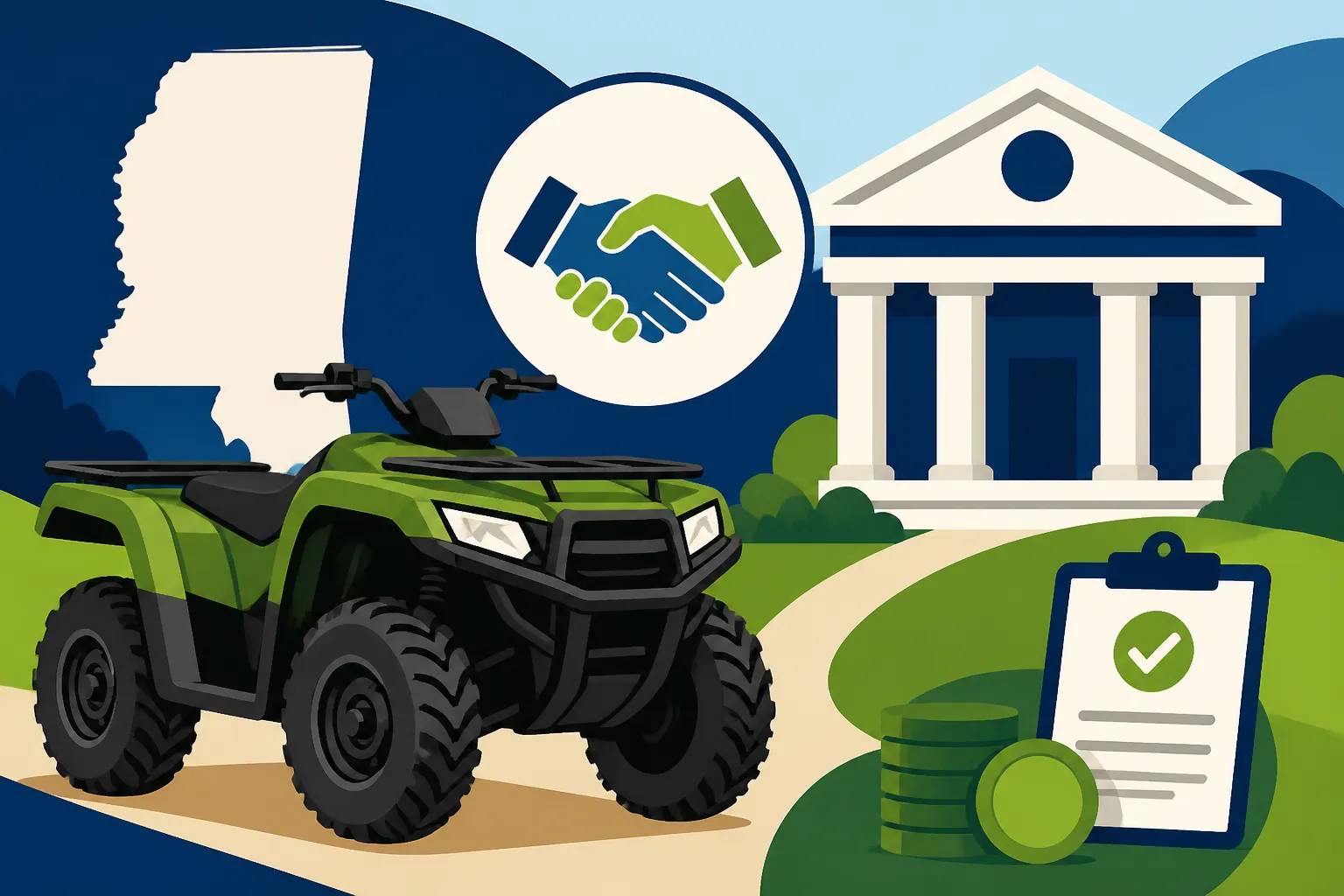
So, you've got that itch, huh? The one that only a brand-new (or new-to-you) ATV or UTV can scratch. You've been scrolling through listings, maybe even visited a few dealerships or checked out some local sellers, and now you're wondering how to make that dream machine a reality. For many folks in Mississippi, the biggest hurdle to getting out on the trails or tackling those farm chores is often the financing. It can feel like a maze trying to figure out the best way to pay for it, especially when you're trying to avoid crazy interest rates or hidden fees. This guide is all about helping you understand the ins and outs of financing your quad or side-by-side through a Mississippi credit union, giving you a clear path forward to hitting the dirt sooner.
Why Consider a Credit Union for Your ATV or UTV Loan?
When you’re looking to finance an off-road machine, your mind probably jumps straight to the dealership’s finance office or maybe your big national bank. But hold on a minute, because there’s another fantastic option that many folks overlook: your local credit union. In Mississippi, like everywhere else, credit unions operate a bit differently, and that difference can often translate into real savings and a more personalized experience for you.
Understanding the Credit Union Difference
At its heart, a credit union isn't like a traditional bank. Banks are typically for-profit entities, meaning they're working to generate revenue for their shareholders. Credit unions, on the other hand, are not-for-profit financial cooperatives owned by their members. When you become a member of a credit union, you're not just a customer; you're a co-owner. This fundamental difference shapes everything from their fee structure to their interest rates and even how they treat their members.
Because they aren't driven by profit, credit unions often pass those savings directly back to their members in the form of lower loan rates, higher savings rates, and fewer, or lower, fees. This cooperative spirit means they're usually much more focused on community and member well-being than a big bank might be. It’s a bit like joining a club where everyone benefits from the shared resources, which can be a huge plus when you’re looking at a significant purchase like an ATV or UTV.
Potential Benefits Over Traditional Banks
Let's get down to brass tacks: what does this difference mean for your wallet? First and foremost, you'll often find that credit unions offer more competitive interest rates on vehicle loans, including those for ATVs and UTVs. A lower interest rate means you'll pay less over the life of the loan, saving you hundreds or even thousands of dollars that you can then put towards gear, fuel, or even your next machine upgrade. They can also be more flexible with loan terms, sometimes willing to work with members who might have a less-than-perfect credit score but a strong history with the credit union.
Beyond the rates, the personalized service at a credit union is something many members rave about. When you walk into a branch, you’re often greeted by name, and the loan officers take the time to understand your financial situation and your specific needs. This can be a refreshing change from the sometimes-impersonal process at larger banks or dealerships where you might feel like just another number. They're often more willing to explain all the nuances of your loan, helping you budget for the full [Mississippi Cost of Ownership Year One], including things like insurance and maintenance, not just the monthly payment. This level of support can be incredibly valuable, especially for first-time buyers or those who haven't financed a large purchase recently.
Membership Requirements in Mississippi
"Okay, this sounds great," you might be thinking, "but how do I even join a credit union?" That's a common question! Unlike banks, which are open to pretty much anyone, credit unions have specific membership requirements, often called a "field of membership." Don't let this intimidate you, though; it's usually much easier to qualify than you might think.
Many credit unions serve people who live, work, worship, or attend school in a specific county or region. For example, a credit union might serve everyone in Hinds County or anyone employed by a particular company. Some are open to employees of certain industries, like educators or government workers. There are also credit unions with more expansive memberships, sometimes tied to national organizations or even just having a family member who is already a member. The best way to find out if you qualify is to simply visit the website of a credit union near you or give them a call. Don't be shy about asking, as many people find they're eligible for membership in multiple credit unions, giving them even more options when shopping for a loan. Remember, even a small initial deposit (sometimes as little as $5 or $10) into a savings account is usually all it takes to become a member and unlock access to all their services, including those sweet ATV loans.
The Mississippi Credit Union Loan Application Process for ATVs
Alright, you've decided a credit union sounds like the right fit for financing your new ride. Now, what does the actual process look like? It's pretty straightforward, but being prepared can make it even smoother. Think of it as gearing up for a ride – you wouldn't head out without checking your tires and packing essentials, right? The same goes for getting your loan.
Gathering Your Financial Documentation
Just like with any significant loan application, the credit union will need to verify your financial standing. This isn't about being nosy; it's about them making a responsible lending decision and ensuring you can comfortably afford the payments. You'll typically need to provide documents that confirm your identity, income, and financial history. This often includes things like a valid driver's license or state ID, recent pay stubs or proof of employment, tax returns (especially if you're self-employed), and bank statements. If you're looking at a used machine, having a solid [Mississippi Bill of Sale for a Used Machine] from the seller is crucial, even before you apply for the loan, as the credit union will need details about the machine you intend to purchase.
They'll also pull your credit report, so it's a good idea to know where you stand beforehand. You can usually get a free copy of your credit report annually from the major credit bureaus. Reviewing it for any errors and understanding your score can give you a better idea of what loan terms to expect. If there are any discrepancies, you'll want to address those before applying. Having all these documents organized and ready will not only speed up the application process but also show the credit union that you’re a responsible borrower, which can sometimes work in your favor.
Understanding Loan Terms and Interest Rates
When you apply for a loan, you'll be presented with various terms and interest rates. This is where really understanding what you're signing up for comes into play. The loan term refers to the length of time you have to repay the loan, typically measured in months (e.g., 36, 48, 60, or even 72 months). A shorter loan term usually means higher monthly payments but less interest paid over the life of the loan. A longer term will lower your monthly payments, making them more manageable, but you'll end up paying more in total interest.
The interest rate is the cost of borrowing the money, expressed as a percentage. Credit unions are known for competitive rates, but your specific rate will depend on factors like your credit score, the loan term you choose, and sometimes even the age of the ATV or UTV you're buying. It's important to compare the Annual Percentage Rate (APR), which includes not just the interest but also any fees associated with the loan, giving you a more accurate picture of the total cost. Don't be afraid to ask questions about how the interest is calculated or if there are any prepayment penalties if you decide to pay off your loan early. Most credit unions don't have prepayment penalties, which is another benefit! Make sure you also factor in additional costs like the [Mississippi Title Fee of $9] and sales tax, which is [Mississippi Sales Tax at 7 Percent] for ATVs and UTVs.
What Happens After Application Approval?
So, your loan application gets the green light – congratulations! What's next? The credit union will work with you to finalize the loan documents. This usually involves signing the loan agreement, which legally binds you to the repayment terms. If you're buying from a dealer, the credit union might work directly with them to disburse the funds. If it's a private sale, they'll typically issue a check or directly deposit the funds into your account for you to pay the seller.
You'll also need to ensure the ATV or UTV is properly titled in your name and that the credit union's lien is recorded. This protects their interest in the machine until the loan is paid off. Depending on the year your machine was manufactured, you might also need to understand [ATVs Made After July 2025 Must Be Titled]. If you're buying a used machine and the seller has lost the original paperwork, you might be looking at a situation requiring a [Mississippi Title Bond Procedure]. Always ask your credit union for guidance on these steps, as they're familiar with the requirements for recording liens and securing titles. Don't forget that you'll typically have a [Mississippi's 30-Day Application Window] to get all the paperwork sorted after purchase.
Important Considerations When Financing Your Machine
Financing an ATV or UTV isn't just about the monthly payment; it's about the bigger picture of ownership. There are several other factors you’ll want to consider to ensure you’re making a smart investment and protecting yourself down the road.
Down Payments and Trade-Ins
Before you even fill out a loan application, think about your down payment. A down payment is the portion of the purchase price you pay upfront, reducing the amount you need to borrow. The larger your down payment, the less you'll finance, which can lead to lower monthly payments and less interest paid over time. Some credit unions might even offer slightly better interest rates if you put down a significant amount, as it reduces their risk.
If you have an existing ATV, UTV, or even another type of vehicle, you might consider a trade-in. Trading in your old machine at a dealership can simplify the purchase process, as the trade-in value is often applied directly against the new machine's price, effectively reducing your loan amount and thus your sales tax liability. However, always do your homework! Research the market value of your trade-in so you know if you're getting a fair offer. Sometimes, selling your old machine privately might net you more cash, which you can then use as a larger down payment. Websites and resources like LawDepot can even help you draft a proper bill of sale if you decide to go the private sale route for your trade-in, ensuring everything is legally sound. This helps you maximize your value, whether it's [Selling a Titled Machine in Mississippi] or one that doesn't require a title.
The Importance of a Bill of Sale and Title
These two documents are your best friends when buying an ATV or UTV, especially in Mississippi where titling requirements are relatively new for some machines. A robust [What Your Bill of Sale Must Show] is your proof of purchase and includes crucial details like the buyer's and seller's names, the purchase price, the date of sale, and most importantly, the Vehicle Identification Number (VIN) of the machine. Even if you're buying from a friend or a private party, always insist on a detailed bill of sale. For a used machine, it’s a vital piece of paperwork. You can often find templates for a bill of sale through services like LawDepot, which can help ensure you don't miss any critical information.
The title, on the other hand, is legal proof of ownership. As of July 2025, Mississippi started titling ATVs and ROVs, particularly those manufactured after that date. Even for older machines, there are provisions for [Mississippi Voluntary Titles for Older Machines] which can be incredibly beneficial for proving ownership, especially if you ever need to sell the machine or if it gets stolen. Your credit union will require you to title the machine in your name and will then record their lien on that title. This means they officially have an interest in the ATV until your loan is paid in full. Without a clear title (or the ability to obtain one), securing a loan can be difficult, as the credit union has no way to secure their investment. If you are [Buying From a Private Seller in Mississippi], ensure you understand who is responsible for the titling paperwork.
Protecting Your Investment: Insurance and Warranties
You've got your dream machine and a great loan, but your responsibility doesn't end there. Protecting your investment is paramount, and that's where insurance and potentially an extended warranty come in. While Mississippi does not mandate ATV insurance for private land use, your credit union will almost certainly require you to carry full coverage insurance – typically comprehensive and collision – as part of your loan agreement. This protects their investment (and yours!) in case of an accident, theft, or damage.
Think about it: if your brand-new side-by-side rolls over on the trail, you don't want to be stuck paying off a loan for a machine that's totaled. [Mississippi Comprehensive Coverage for a Quad] will help cover the costs of repairing or replacing your machine in many scenarios, offering peace of mind. Get quotes from different insurance providers to find the best rates for your machine and riding style.
As for warranties, new machines typically come with a manufacturer's warranty that covers defects for a certain period. For used machines, you might consider an extended warranty, though you'll want to weigh the [Mississippi Extended Warranty Costs] against the potential repair expenses. These can be costly, so read the fine print carefully to understand what's covered and what's excluded. Sometimes, setting aside a rainy-day fund for repairs is a more cost-effective option, but for some, the peace of mind an extended warranty offers is worth the price. Your credit union might also offer products like Gap coverage, which pays the difference between your insurance payout and your remaining loan balance if your machine is totaled, which is definitely worth considering for a significant investment.
| Aspect | Traditional Bank | Credit Union |
|---|---|---|
| Ownership | For-profit, owned by shareholders | Not-for-profit, owned by members |
| Interest Rates | Generally higher (profit-driven) | Often lower (member-focused) |
| Fees | More numerous and potentially higher | Fewer and generally lower |
| Customer Service | Can be less personal, more transactional | Highly personalized, community-oriented |
| Membership | Open to anyone | Specific "field of membership" required |
| Flexibility | Stricter lending criteria | Often more flexible with members |
| Focus | Shareholder returns | Member financial well-being |
| Loan Approval | Based heavily on credit score | Considers relationship with credit union as well |
Disclaimer
This article is for general informational purposes only and does not constitute professional advice. Laws, prices and regulations vary by location and change over time. Consult a qualified professional for guidance on your specific situation.