Booking a Red Creek Cabin for Two Nights
A cabin weekend at Red Creek can make a muddy riding trip far easier than towing home tired, damp, and still covered in trail dust. The catch is that a two-night minimum changes how you plan your arrival, riding time, meals, and backup options. This guide walks through the booking questions to ask and how to make the stay work for your group.
Start with the two-night booking requirement
Confirm the minimum and the dates before planning the ride
If you are looking at a Red Creek cabin, plan around a two-night stay rather than assuming a single overnight is available. A minimum stay affects the whole trip: you will need to decide whether to arrive the day before riding, ride on both days, or use the extra night to make the drive home more manageable. Before arranging time off or inviting a group, confirm the minimum stay and the exact dates directly with Red Creek.
Ask what the minimum applies to. It may relate to the number of nights in the reservation, particular dates, or availability for a specific cabin. Also check whether your preferred dates are open for the full stay; an open night on a calendar does not necessarily mean the cabin can be booked for your entire trip. The details that matter most are the arrival and departure dates, the number of guests allowed, and whether the reservation covers the entire cabin or a shared lodging area.
It is also worth asking what happens if your plans change. Find out whether you can change dates, shorten the stay, or transfer the booking, and whether any deposit or cancellation terms apply. Policies can differ, so do not rely on what a friend remembers from a previous visit. For an overview of what to confirm about the accommodation itself, see [Red Creek's Cabins and RV Sites in Mississippi].
Choose dates that give you usable riding time
A two-night stay can mean very different things depending on when you arrive and leave. Arriving late on the first day may leave you with only one full day of riding, while an early arrival could give you more time to get settled and prepare for the next morning. Confirm the actual check-in and check-out times before you build a schedule around riding hours.
Red Creek’s operating schedule is another important piece to verify. The venue is associated with Friday and Saturday openings, but hours, access, and services can change. Ask which days your booking includes access to the riding area and whether you can ride on your arrival or departure day. Do not assume that a cabin reservation automatically means the trails are open for every part of your stay. [Red Creek Off-Road Opens Friday and Saturday Only] is a useful companion when working out how the schedule may shape your weekend.
A practical approach is to make the first evening a setup night, the middle day your main ride, and the final morning a flexible option. That leaves room for unloading, checking the machines, eating, and getting organized without rushing straight from the highway to the trails. If the schedule supports two riding days, consider the second day a bonus rather than a promise until you confirm access.
Ask the questions that prevent check-in surprises
Confirm cabin capacity, features, and what to bring
Before you reserve, ask how many people the cabin is allowed to accommodate and what sleeping arrangements it has. “Cabin” can mean different things from one property to another, so ask whether bedding, towels, cookware, dishes, or basic cleaning supplies are provided. Do not assume that a listing photo tells you everything you need to know about the sleeping setup or kitchen facilities.
Make a simple packing plan once you know what is included. If you need to bring linens, pillows, food-storage containers, or cooking gear, write those items down before loading the truck. For a riding weekend, it also helps to separate clean clothes from muddy gear. A plastic tote or washable bag for wet boots and riding clothes can keep the cabin and your vehicle from becoming an extension of the trail.
Ask about the practical details too: parking for your tow vehicle and trailer, where machines may be unloaded, whether there is a place to rinse equipment, and how close the cabin is to the riding area. These are not small matters after a long drive. A group arriving with two trailers may need a different setup from a couple bringing one machine on a small utility trailer.
Understand the rules for guests, machines, and quiet hours
Clarify who may stay in the cabin and whether all guests need to be included in the reservation. If friends plan to arrive separately, ask about late arrivals and how they should check in. Confirm any rules for pets, outdoor cooking, campfires, generators, or quiet hours rather than finding out after unloading. These conditions can affect how comfortable the stay is for your group and the people camping or lodging nearby.
Ask where machines can be parked overnight and whether there are restrictions on riding between the cabin area and trails. Keep the machine on routes designated by the property, and do not treat nearby roads, fields, or neighboring land as part of the riding area unless the property clearly permits it. A cabin stay does not automatically grant access to surrounding private property.
A quick pre-arrival call can save a frustrating conversation at the gate. Write down the booking name, arrival instructions, contact details, and any rules the staff emphasize. If the group has more than one driver or vehicle, share that information with everyone so no one arrives expecting a different check-in procedure.
Build a realistic two-night riding itinerary
Use the first evening to get settled
The first evening is often more useful as a staging period than as an ambitious ride. After towing to Red Creek, unload only when you know where trailers and machines are meant to go. Check the machines for loose straps, low tire pressure, fluid leaks, or damage from transport. Then organize helmets, gloves, eye protection, tools, water, and any food you want ready for the next morning.
If you arrive with enough daylight and riding access is confirmed, a short familiarization ride may make sense. Keep it conservative. The point is to understand the layout and conditions, not to burn through the group’s energy before the main riding day. If the trails are unfamiliar, use a map and stay together until everyone understands how the area is laid out. onX Offroad can be useful for reviewing routes and saving map information before you leave home, but it should not replace posted signs or directions from the property.
Set a clear plan for the morning before the group spreads out for dinner or starts unpacking. Decide when to meet, where everyone should top off water, and what to do if a rider gets separated. A little coordination the night before means fewer delays when the machines are ready and someone is still searching for a helmet or charging a phone.
Make the main ride day flexible
A riding day can change quickly with rain, mud, mechanical trouble, or a slower-than-expected group pace. Set a modest first objective and adjust once you have a sense of the trail conditions and how everyone is doing. If your group includes children, newer riders, or several different machine types, build in breaks and choose terrain that matches the least experienced rider rather than letting the fastest person set the pace.
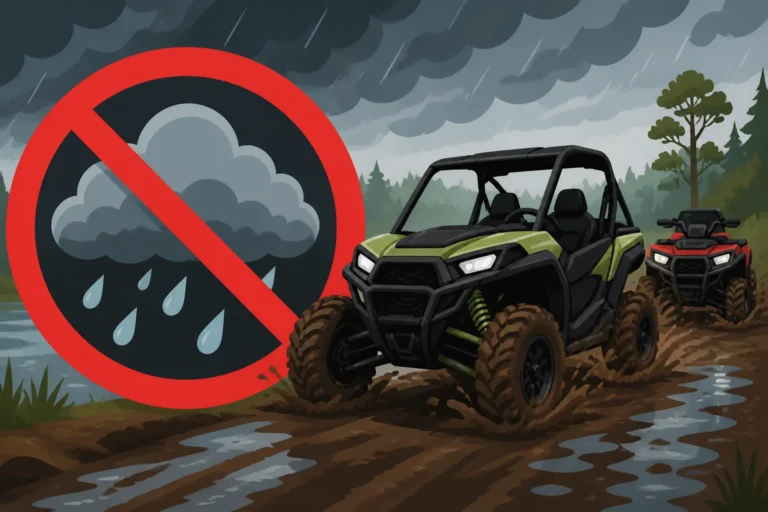
Check access and trail conditions before unloading, especially after heavy rain. Wet conditions can affect traction and closures, and a route that was manageable in dry weather may become a difficult recovery situation. Contact the venue for its latest information and follow signs on site. For broader planning, [Mississippi Trail Conditions After Rain] covers why a weather check belongs in the trip plan, while [Red Creek Off-Road in Mississippi] helps orient you to the riding destination.
Keep a second plan in mind in case riding time is shortened. That could mean spending more time on an easier route, taking a longer meal break, or using the cabin as a dry place to regroup. A map app such as onX Offroad may help you understand your route and keep track of your intended plan, but do not assume a digital map reflects every local closure, boundary, or temporary restriction. Follow the property’s guidance first.
| Trip stage | What to plan | What to confirm |
|---|---|---|
| Before booking | Dates, group size, and two-night minimum | Availability, booking terms, and cancellation rules |
| Before departure | Trailer space, food, clothing, and machine checks | Cabin features, parking, and check-in instructions |
| First evening | Unload, organize gear, and prepare for the ride | Riding access and the next day’s opening schedule |
| Main ride day | A realistic route, breaks, and a backup plan | Trail conditions, closures, and property rules |
| Departure day | Pack, clean up, and secure machines | Check-out time and where to leave keys or waste |
Pack for a cabin stay and a Mississippi ride
Separate cabin supplies from riding equipment
Packing can get chaotic when bedding, meals, tools, helmets, and muddy gear all end up in the same truck bed. Separate supplies into categories: cabin items, riding gear, machine tools, food and water, and wet-weather equipment. Even basic labeling helps, especially when several people are sharing vehicles or arriving at different times.
For cabin supplies, use the information provided by the property rather than guessing. Depending on what is included, you may need bedding, towels, toiletries, paper products, kitchen items, or food. Bring reusable containers for leftovers and a cooler for items that need to stay cold. If you are planning meals, choose a few that are easy to prepare after a long day and do not require an elaborate kitchen setup.
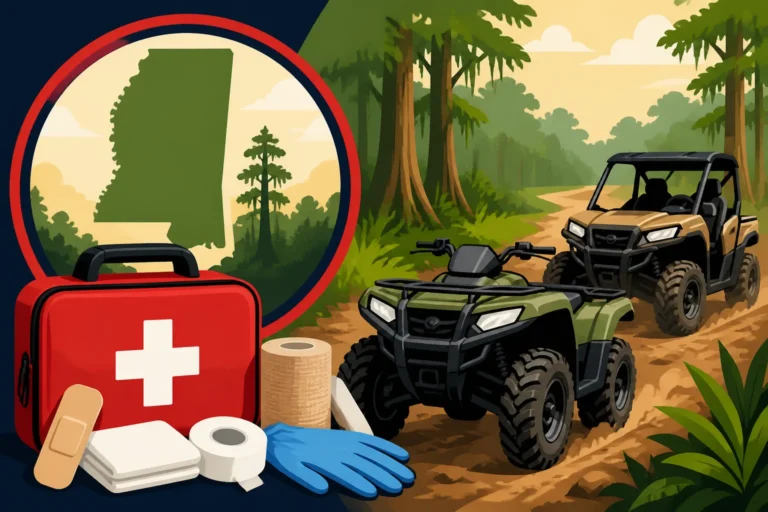
For riding gear, pack more than one set of gloves and clothes if you have room. Mississippi riding can mean mud, humidity, and wet gear that takes time to dry. A change of clothes kept separate from the trail gear makes the drive home much more pleasant. Consider adding a small first-aid kit, drinking water, basic hand tools, a tire repair kit, and any machine-specific recovery equipment you know how to use.
Prepare for mud, rain, and changing conditions
A forecast is useful, but it cannot tell you exactly what every trail will feel like. Bring gear that lets you adapt: rain protection, spare socks, a towel, and bags for muddy clothing. Protect phones and other electronics from water, and do not rely on a single device for navigation or communication. If you use onX Offroad, download or save the information you expect to need before you arrive, then keep an eye on property signs and staff updates while riding.
Think through recovery before you need it. A winch or tow strap is only helpful if someone in the group knows how to use it safely and the equipment is appropriate for the situation. Avoid risky recovery attempts in deep mud or water, and do not ride beyond the group’s ability to assist one another. A machine that is stuck far from the cabin can consume a large part of the day, so leave enough time and energy for a careful return.
Pack a cleanup plan for the end of the ride as well. Ask whether there is a designated rinse area and where muddy gear should be handled. If washing machines is not permitted near the cabin, bring towels and storage tubs to contain the mess until you can clean up elsewhere. Respecting the property keeps the accommodation pleasant for the next guests and helps avoid an unpleasant departure.
Make the stay easier for your whole group
Agree on expectations before the drive
Groups often lose time because they have different ideas of what the weekend is meant to be. One person may want long, muddy rides, while another is mainly looking forward to a relaxed cabin stay. Talk about pace, terrain, departure times, meal plans, and how much riding each person wants before everyone is on the road. This is especially helpful when newer riders are joining a group with more experience.
Choose a meeting point and a plan for regrouping if someone needs to stop. Agree that riders will not leave the group without telling someone, and make sure everyone knows the route back to the staging or cabin area. For a larger group, nominate one person to communicate with the property and another to keep track of the riding plan. That avoids five people calling with slightly different questions.
Trail manners matter even when the group is focused on having fun. Follow posted rules, keep noise reasonable around lodging, and give other riders room. The practical guidance in [Mississippi Trail Etiquette Locals Expect] is worth reviewing before you go, particularly if your group is used to riding on private land where the rules may be different.
Leave room for a weather or schedule change
The best two-night itinerary is one that can bend without falling apart. If rain affects riding access, the cabin still gives your group a place to rest, eat, and regroup rather than forcing everyone into an immediate long drive. If a machine develops a problem, decide whether the rest of the group will continue, return together, or wait while the issue is assessed. Agreeing on those choices in advance reduces tension when plans change.
Keep essential confirmation details accessible: the reservation information, check-in instructions, property contact, and any directions you need to reach the entrance. Mobile coverage may vary while travelling or riding, so do not leave every detail in a text thread that only one person can access. Save important information offline where practical, and let someone at home know the general itinerary.
Before leaving, check the cabin for belongings, pack out food and trash according to the property’s instructions, and secure every machine and trailer. Confirm the check-out procedure rather than assuming you can leave whenever you finish loading. For a broader weekend-planning checklist, [Mississippi Weekend Riding Itineraries] can help you think through travel time, riding windows, and the return trip.
Disclaimer
This article is for general informational purposes only and does not constitute professional advice. Laws, prices and regulations vary by location and change over time. Consult a qualified professional for guidance on your specific situation.