Complaints That Reach a Southern Board of Aldermen
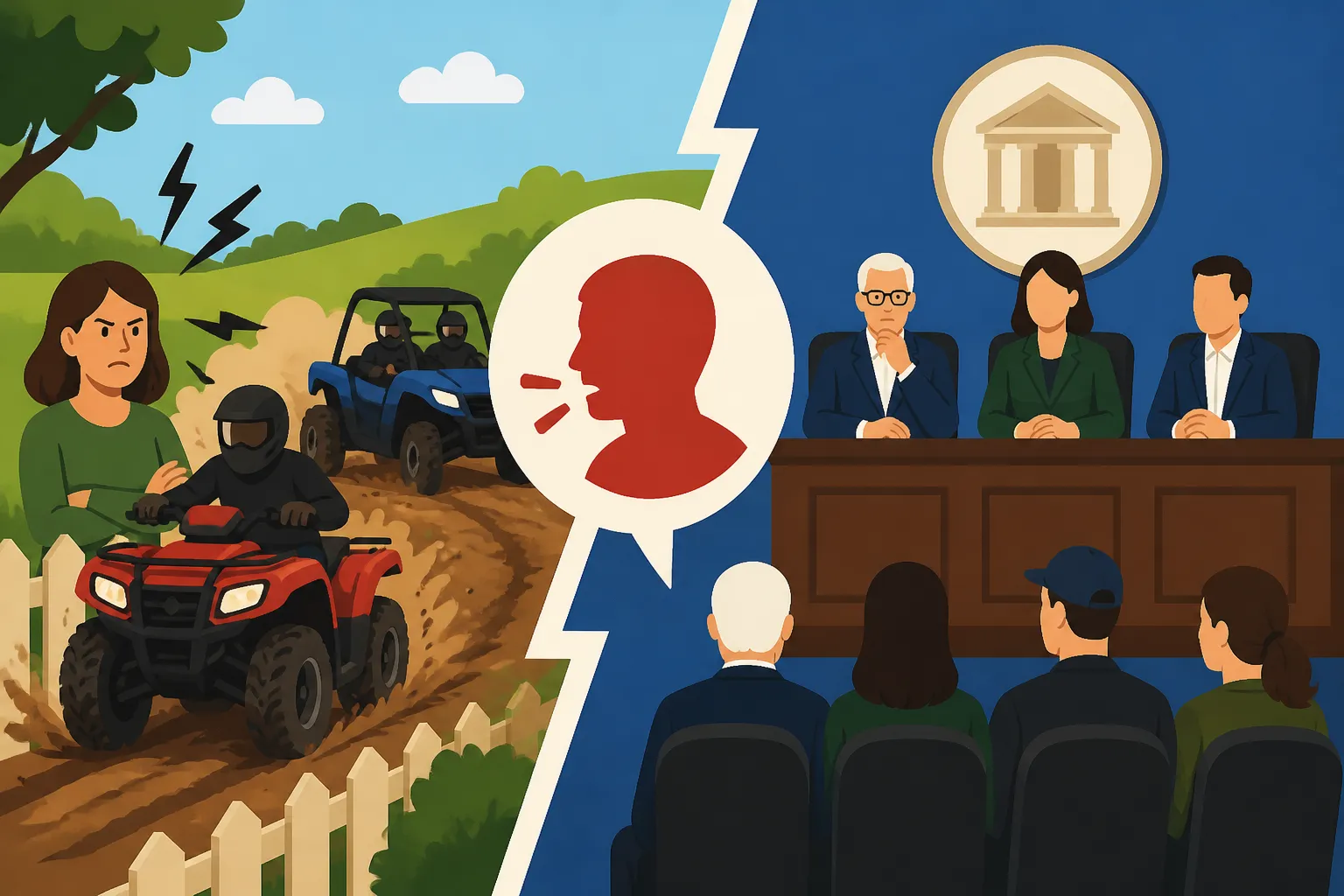
It’s a scenario many Mississippi ATV and UTV enthusiasts know all too well: you’re enjoying a ride, perhaps on a backroad or near your property, only to find yourself facing the ire of neighbors or, worse, a formal complaint that lands on the desk of your local Board of Aldermen. This guide is here to shed light on why these local boards get involved, what kinds of complaints they typically hear, and what riders can do to navigate these often-tricky waters to ensure everyone can coexist peacefully.
Why Local Boards Get Involved in ATV/UTV Issues
When it comes to off-road vehicles like ATVs and UTVs in Mississippi, the legal landscape at the state level can feel a bit sparse. This often leaves a vacuum that local municipalities, like your town's Board of Aldermen, feel compelled to fill, especially when community concerns escalate.
The Gaps in State Law
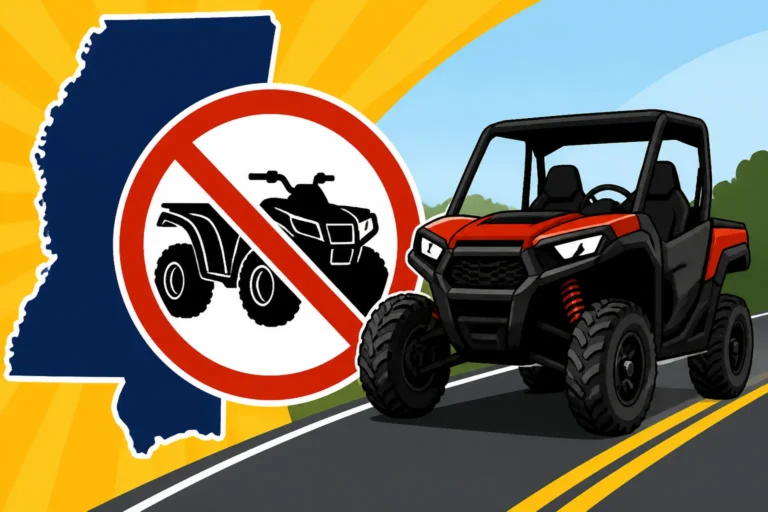
Mississippi's state laws regarding ATVs and UTVs are, frankly, pretty thin. You might be surprised to learn that [Mississippi's ATV Law Is Only Two Sections Long], primarily focusing on definitions and a blanket ban on public road use. This lack of comprehensive state-level regulation means there isn't much guidance on how these machines should or shouldn't be used in various community contexts beyond the basic road ban. It doesn't address noise, dust, specific operating hours, or how they interact with residential areas.
Because the state hasn't laid down detailed rules, it often falls to local city councils, county supervisors, or Boards of Aldermen to interpret how these vehicles impact their specific communities. When complaints start rolling in, these local governing bodies are the first line of defense, tasked with maintaining peace and safety within their jurisdictions. This decentralization of regulation means that what's acceptable in one town might be strictly prohibited just a few miles down the road, creating a patchwork of rules that can be incredibly confusing for riders. Essentially, [Mississippi Local Ordinances Are the Only Path] for specific local regulation.
Community Impact and Nuisance Complaints
The complaints that reach a Board of Aldermen aren't just abstract legal issues; they stem from real people experiencing real nuisances. Picture a quiet Saturday afternoon disrupted by the constant drone of an ATV engine, or a freshly washed car covered in dust from machines kicking up gravel nearby. These aren't just minor annoyances; they can significantly impact residents' quality of life, leading to legitimate frustrations.
Common complaints often revolve around noise, especially from modified exhausts, excessive dust kicked up on unpaved roads, perceived reckless driving, and outright trespassing onto private property. When multiple residents voice similar concerns, the issue moves beyond individual disputes and becomes a community-wide problem that a local board can no longer ignore. For many, the sight of an ATV on a neighborhood street, even for a short distance, immediately raises safety flags, particularly if children are playing nearby. These are the kinds of immediate, visceral reactions that spur residents to contact their elected officials, setting the wheels in motion for potential local action.
Common Complaints That Reach a Board of Aldermen
Understanding the specific types of grievances that land on a local board's agenda can help riders be more mindful and proactive in preventing them. These aren't just vague gripes; they often point to very specific issues that impact daily life in a community.
Noise Pollution from Modified Exhausts and Engines
One of the most frequent and impactful complaints involves noise. The roar of an engine, especially one with an aftermarket exhaust, can travel surprisingly far and penetrate homes, disturbing everything from quiet dinners to sleeping babies. While many riders enjoy customizing their machines, often with performance in mind, the acoustic impact isn't always considered. Even reputable brands might offer performance parts that, while technically sound, can make a machine significantly louder than its stock counterpart.
Imagine living in a peaceful subdivision where the loudest sound is typically crickets chirping, then having that tranquility shattered by a loud quad tearing down a nearby road. This isn't just irritating; it can feel like an invasion of peace. Local boards might start looking at ordinances that cap decibel levels, similar to how some parks manage sound. For instance, while it applies to specific riding areas, a board might draw inspiration from [Mississippi State Park Noise Limits] when considering their own local rules. It's not about stifling fun, but about ensuring that one person's hobby doesn't become another's constant headache.
Dust and Property Damage on Residential Roads
Dust is another major contender for local complaints, particularly in areas with unpaved roads or where ATVs/UTVs are frequently used on gravel or dirt. When machines kick up clouds of dust, it doesn't just settle on vehicles; it can coat homes, outdoor furniture, gardens, and even get inside through open windows. For residents, this means more cleaning, potential health concerns for those with respiratory issues, and a general feeling of grime.
Beyond dust, direct property damage can also be a significant issue. This might involve ruts left in lawns, damage to mailboxes from machines cutting corners too tightly, or even impacts to landscaping. These incidents, whether intentional or accidental, lead to frustrated homeowners turning to their local aldermen for recourse. The feeling of private property being disrespected or damaged can quickly turn neighbors against each other, and against riders, making it a critical issue for local governance to address.
Safety Concerns and Illegal Road Riding
Perhaps the most potent catalyst for local action is safety, particularly concerning ATVs and UTVs on public streets. Despite the clear statewide prohibition, it's a reality that many riders occasionally, or regularly, operate their machines on local roads. The sight of an ATV, which lacks the safety features of a car, sharing a paved road with cars and trucks immediately sparks fear for many residents. This concern is amplified when children are seen riding without helmets, or when machines are perceived to be driven recklessly.
Local boards receive complaints about everything from machines speeding through neighborhoods to underage riders cruising around, or even quads and side-by-sides running stop signs. The state law, [Mississippi Bans ATVs on Public Roads], is unambiguous, but local enforcement can be inconsistent. When residents feel their children are at risk, or that emergency vehicles might be impeded, they demand action. This often leads to boards exploring solutions like new local ordinances or urging increased law enforcement presence to address [Mississippi Fine Ranges for Road Riding] that might be issued for violations.
Trespassing and Land Access Disputes
In many parts of Mississippi, the lines between public roads, private drives, and open fields can feel blurry to a casual observer. This can lead to frequent complaints about trespassing, where riders inadvertently or intentionally cut across private land without permission. Landowners, whether they have a small backyard or expansive timber property, are often protective of their privacy and their investment.
Complaints arise when riders use someone's field as a shortcut, ride through timberland that's clearly posted, or even use private farm roads as personal trails. Beyond the damage that can be caused, there's a fundamental issue of property rights. Landowners might find gates left open, fences damaged, or crops trampled. These incidents quickly escalate into official complaints, bringing [Mississippi Trespass Law for Riders] into sharp focus for local authorities and putting pressure on aldermen to find solutions that protect property owners.
How Boards of Aldermen Respond to ATV/UTV Complaints
When a local Board of Aldermen starts to receive a significant volume of complaints, they can’t simply ignore them. Their responsibility is to address the concerns of their constituents, which can lead to various responses, ranging from new legislation to community outreach.
Crafting Local Ordinances
One of the most direct ways a local board responds is by crafting and implementing specific local ordinances. Since state law is so general, these local rules fill the void, allowing municipalities to tailor regulations to their unique community needs. This often involves a multi-step process:
- Public Hearings: Before any new rule is made, the board typically holds public meetings where residents, both those complaining and riders themselves, can voice their opinions. This input is crucial for understanding the scope of the problem and potential solutions.
- Drafting New Rules: Based on community feedback and legal advice, the board then drafts an ordinance. This might specify banned areas, operating hours, noise limits, or even define what constitutes a street-legal golf cart versus an ATV, as seen in [Mississippi Golf Cart and LSV Ordinances].
- Voting and Implementation: Once drafted, the ordinance goes through a formal vote. If passed, it becomes local law.
These ordinances can be highly specific. For example, some towns might follow the lead of places like Ocean Springs, which has even gone so far as to include specific types or brands of machines in its regulations, as mentioned in [Ocean Springs Names the ATV Brands It Bars]. The goal is to create clarity and provide law enforcement with enforceable guidelines. For riders, this means it's absolutely vital to know the specific rules of the towns you ride in, as they can vary wildly from one community to the next.
Increased Enforcement and Penalties
Another common response from local boards is to direct their police department or county sheriff's office to increase enforcement in areas where complaints are prevalent. This means more patrols, more stops, and a higher likelihood of citations for violations. When a new ordinance is passed, it often comes with a renewed commitment to enforce it, meaning warnings might become less common and tickets more frequent.
Penalties for violating local ordinances can range from monetary fines to impoundment of the machine. These penalties are designed to deter illegal or disruptive riding behavior. It's important to remember that these aren't just minor inconveniences; they can result in significant financial costs and loss of your riding privileges. Understanding [Mississippi Penalty Costs for Illegal Road Riding] and other potential consequences is key to avoiding these situations. Local law enforcement acts on the directives of the board, so increased complaints often translate directly into increased police presence and stricter enforcement.
Community Dialogue and Education
While crafting ordinances and increasing enforcement are direct actions, many progressive boards also understand the value of community dialogue and education. Rather than just imposing rules, some will initiate discussions to find common ground between residents and riders. This might involve town hall meetings focused specifically on ATV/UTV use, or even educational campaigns about responsible riding.
The idea is to empower riders to be part of the solution. This could include encouraging the use of quieter exhaust systems (some aftermarket options, even from companies like SuperATV, can be designed with sound dampening in mind), advising on appropriate riding areas, or promoting safety courses. Boards realize that outright bans can sometimes breed resentment and further non-compliance. By fostering communication, they hope to create a culture of respect and understanding, where riders are informed and proactive about minimizing their impact on the community.
Rider Responsibility: Being Part of the Solution
As riders, we have a significant role to play in preventing complaints and fostering better relationships within our communities. It's not just about what the law says, but about being a good neighbor and ambassador for the sport.
Know Your Local Rules
The single most important step you can take as an ATV or UTV rider in Mississippi is to be intimately familiar with the rules and regulations of every area you plan to ride. Because state law is so minimal, local ordinances are where the real details lie, and they can change from one town to the next, even within the same county.
Before you load up your machine and head out, make it a habit to check the local city or town clerk's website for any specific ATV/UTV ordinances. If you're unsure, don't hesitate to reach out directly. [Asking Your County Supervisor Where You Can Ride] or calling the local police department (non-emergency line, of course!) can save you a lot of headache, fines, and potential impoundment. Just because you rode somewhere last year doesn't mean the rules haven't changed. Stay informed to stay out of trouble.
Be a Courteous Neighbor
Many complaints stem not from malicious intent, but simply from a lack of awareness about how our riding impacts others. Being a courteous neighbor means taking proactive steps to minimize disruption.
Consider the following:
- Noise: If you have a modified exhaust, try to avoid riding at early morning or late evening hours in residential areas. Even a stock machine can be loud, so try to keep speeds down in quiet zones. Think about investing in quieter aftermarket exhaust components if you frequently ride near populated areas.
- Dust: If you must use a gravel road near homes, slow down significantly. The faster you go, the more dust you kick up. Consider the type of tires you're running, as some are more prone to throwing up debris.
- Proximity to Homes: Give houses a wide berth. Don't idle your machine directly outside someone's window, and be mindful of where your exhaust fumes are drifting.
- Time of Day: While there might not be explicit "quiet hours" for ATVs, common sense should prevail. Riding late at night or early in the morning in residential areas is a surefire way to generate complaints.
A little consideration goes a long way. When neighbors see that riders are making an effort to be respectful, they are much less likely to escalate minor issues to the Board of Aldermen. It helps foster a spirit of community rather than conflict. For example, some riders might choose a tire design from SuperATV that's known for less road spray if they frequently have to cross paved sections to get to trails.
Respect Private Property
Trespassing is not just a nuisance; it's a legal violation and one that causes immense frustration for landowners. Always assume land is private unless it's clearly marked as public access. Never ride on someone else's property without explicit, written permission. This includes fields, timberland, farm roads, or even cutting across a corner of a vacant lot.
- Look for Signs: Heed "No Trespassing" signs, posted property lines, and locked gates. These are clear indicators that the land is private and off-limits.
- Ask for Permission: If you see an unmarked trail and suspect it's private, seek out the landowner and politely ask for permission. Many landowners are reasonable, but they appreciate being asked and having control over their property.
- Understand Consequences: Trespassing can lead to fines, legal action, and even impoundment of your machine. It also damages the reputation of all riders, making it harder for responsible enthusiasts to find places to enjoy their sport.
By being diligent about knowing and following the rules, and by acting as courteous and responsible members of the community, ATV and UTV riders can significantly reduce the number of complaints that reach local Boards of Aldermen, helping to ensure a more harmonious coexistence for everyone.
| Complaint Category | Common Issues | Potential Board Actions | Rider Best Practices |
|---|---|---|---|
| Noise | Loud exhausts, high RPMs near homes, riding at inconvenient hours (early morning/late night). | Enacting local noise ordinances (e.g., decibel limits, quiet hours), increased police enforcement in problem areas. | Use stock or quiet aftermarket exhausts (e.g., specific SuperATV models designed for lower sound), avoid riding near homes during quiet hours, maintain lower RPMs in residential areas. |
| Dust/Damage | Kicking up excessive dust on unpaved roads, ruts in yards, damage to mailboxes or landscaping. | Directing road maintenance, imposing fines for property damage, restricting riding to certain road types or paths. | Slow down significantly on unpaved roads near homes, avoid riding off designated paths, be mindful of tire choices that reduce dust/debris throw, stay off private property. |
| Safety | Illegal road riding, perceived reckless driving, underage riders, lack of helmets/safety gear, near misses with pedestrians or vehicles. | Increased police patrols, stricter enforcement of state road bans, local ordinances specifically banning ATVs from certain streets, public safety campaigns. | Strictly adhere to [Mississippi Bans ATVs on Public Roads], ensure all riders wear appropriate safety gear and meet age requirements, ride responsibly and defensively, know [Mississippi Helmet Law for Riders Under 16]. |
| Trespassing | Riding on private land without permission, cutting fences, leaving gates open, damaging crops or timber. | Enforcement of [Mississippi Trespass Law for Riders], fines, impoundment of machines, community outreach with landowners. | Always obtain explicit, preferably written, permission from landowners before riding on private property, respect "No Trespassing" signs and property boundaries, close all gates you open. |
Disclaimer
This article is for general informational purposes only and does not constitute professional advice. Laws, prices and regulations vary by location and change over time. Consult a qualified professional for guidance on your specific situation.