When a Loud Quad Draws a Noise Complaint
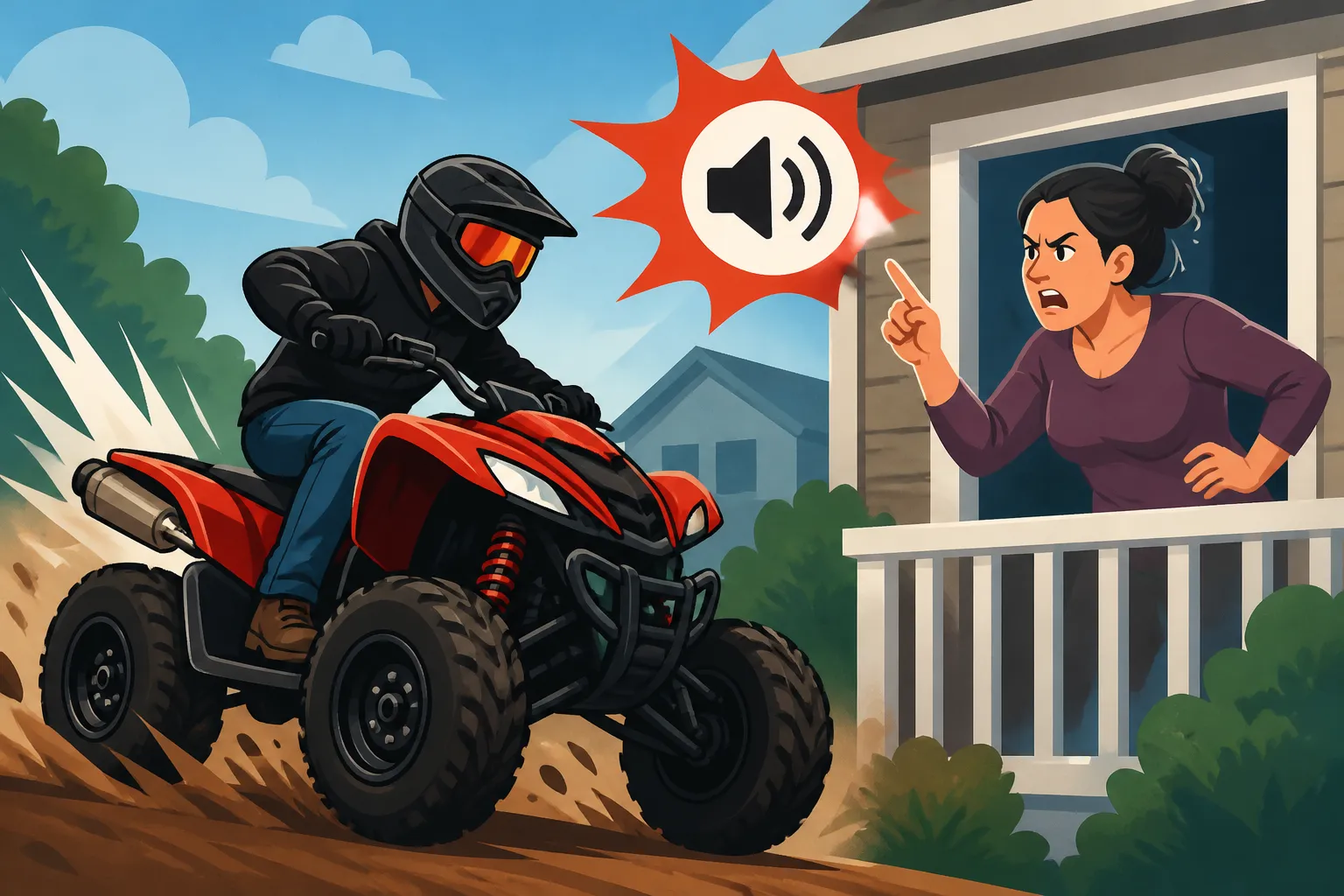
It’s a scenario many of us dread: you’re out enjoying your ATV or UTV, perhaps working on the back forty or just having some fun on your own land, when suddenly, you realize your machine’s rumble might be causing a ruckus for your neighbors. Noise complaints can be a real headache, escalating quickly from an irritated sigh to an official notice, leaving you wondering about the rules, your rights, and how to keep the peace. This comprehensive guide will walk you through the nuances of ATV and UTV noise complaints in Mississippi, explaining what can happen, how to prevent issues, and what practical steps you can take to be a good neighbor while still enjoying your ride.
Understanding Mississippi's Noise Landscape for ATVs
Mississippi is a beautiful state, full of open land, forests, and tight-knit communities. But when it comes to regulating off-road vehicles like ATVs and UTVs, the state law is surprisingly sparse. This can lead to a lot of confusion and frustration, both for riders and for those impacted by noise. Unlike some states with comprehensive off-road vehicle codes, Mississippi gives a lot of authority to local jurisdictions, which means what's acceptable in one county or town might be a major no-no just a few miles down the road.
The Lack of Statewide ATV Noise Laws
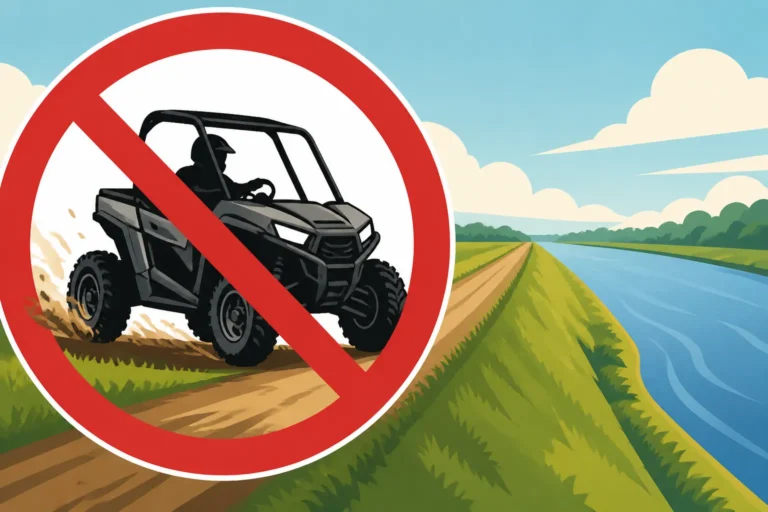
One of the biggest challenges riders face in Mississippi is the absence of a clear, statewide noise ordinance specifically targeting ATVs and UTVs. The [Mississippi's ATV Law Is Only Two Sections Long] and doesn't delve into specifics like decibel limits for off-road machines. This means that while a sheriff's deputy might respond to a noise complaint, they'll likely be relying on more general nuisance laws or any specific local ordinances that might be on the books.
Imagine you're riding your utility side-by-side on your large tract of land outside a small town. Your machine is stock, not modified, but it still makes a decent amount of noise, especially under load. If a neighbor calls the county sheriff, the deputy responding might not have a specific "ATV noise limit" to cite. Instead, they might use a general "disturbing the peace" statute, which is much more subjective and can vary greatly depending on the interpretation of the officer and the specific circumstances. This ambiguity can be incredibly frustrating because it leaves a lot up to chance and the discretion of local law enforcement.
The Role of Local Ordinances and General Nuisance Laws
Since the state doesn't provide specific decibel limits for off-road vehicles, local governments step in. Cities and counties often have their own general noise ordinances that prohibit "unreasonable" or "excessive" noise, especially during certain hours. These ordinances are usually broad and apply to all kinds of noise, not just ATVs.
For instance, a town might have an ordinance stating that no excessive noise is permitted between 10 PM and 7 AM. If you're out late working on your property with a loud UTV, you could fall afoul of this. Some towns, particularly those with a strong residential component, might even have specific decibel limits for any motorized vehicle within city limits, regardless of whether it's an ATV or a car. This is why it’s absolutely crucial to [How to Check If Your Town Has an Ordinance] before you encounter an issue. What's legal for your farm machine out in the sticks might be totally different if you live on the edge of a small municipality. It’s not uncommon for a new complaint to even lead to [When One Neighbor's Complaint Changes a Town Rule], so staying proactive is key.
What Happens When a Noise Complaint Is Filed
So, you've gotten word that someone has complained about the noise from your ATV or UTV. What's the typical process? It can range from a friendly knock on the door to a formal citation, and understanding the steps can help you navigate the situation more effectively.
The Initial Contact: Neighborly Talk or Law Enforcement Knock
Often, the first step in a noise complaint scenario is not a law enforcement officer, but a neighbor approaching you directly. This is the ideal situation, as it allows for a direct conversation and a chance to resolve the issue amicably. Perhaps they just didn't realize how loud your machine was, or maybe they just need a heads-up when you plan to be out.
However, if direct communication doesn't happen or doesn't resolve the issue, neighbors might escalate to contacting local law enforcement – typically the county sheriff's department or the city police, depending on your location. When an officer responds to a noise complaint, their approach can vary widely. They might first issue a verbal warning, explaining that a complaint was received and asking you to reduce the noise or cease operations during specific hours. They might also inform you about local ordinances you might be unknowingly violating. This is often a chance for you to correct the situation without further penalties.
Potential Consequences: From Warnings to Fines
If the noise continues after a warning, or if the initial complaint is severe enough, an officer might issue a citation. The specific penalties will depend entirely on the local ordinance or state statute being cited. General nuisance or disturbing the peace violations usually carry a fine. The amount can vary, but it's typically a minor offense. For example, [Mississippi's Road Riding Fine Stops at $50] for violating the state's ATV road ban, and noise complaints could be similarly low for a first offense, though court costs could add to it.
Beyond fines, repeated or egregious violations could potentially lead to more serious consequences, though this is less common for typical ATV noise. For instance, if your machine is excessively loud due to illegal modifications, an officer could issue a citation for equipment violations. If you're on public land, there might be specific rules about noise at parks or wildlife management areas that could lead to your machine being impounded or you being banned from the area, though this is rare for just noise on private property. The most important thing is to take any official notice seriously and address the underlying cause of the complaint. Ignoring it will only make things worse.
| Complaint Type | Initial Response | Potential Escalation | Typical Outcome (First Offense) |
|---|---|---|---|
| Neighborly Concern | Direct conversation | Request for law enforcement | Mutual understanding, adjustment |
| General Nuisance (Private) | Verbal warning, officer visit | Citation for disturbing peace | Fine, request to cease/reduce noise |
| Ordinance Violation (Local) | Citation | Repeated fines, impoundment | Fine, requirement to comply |
| Public Land Violation | Warning, park ranger intervention | Citation, ban from area | Fine, loss of riding privileges |
Preventative Measures and Good Neighbor Practices
No one wants to be "that" neighbor, and most of us simply want to enjoy our machines without causing problems. Being proactive and considerate can go a long way in preventing noise complaints before they even start. It’s all about finding that balance between enjoying your hobby and respecting your community.
Open Communication with Neighbors
One of the most effective strategies is to simply talk to your neighbors. If you know you'll be operating a loud machine, especially early in the morning or late in the evening, give them a heads-up. A quick text or a friendly chat can make a huge difference. You might say, "Hey, just letting you know I'm planning to be out on the quad clearing some brush tomorrow morning around 8 AM for a couple of hours. Hope it doesn't disturb you too much!" This simple act of courtesy shows respect and can defuse potential issues before they fester.
You could even ask them if there are specific times that are particularly sensitive for them – perhaps when their baby is napping or during an important work call. Being flexible with your riding schedule, even slightly, can earn you a lot of goodwill. Remember, many complaints stem from a feeling of being disrespected or ignored, not just the noise itself.
Mindful Riding Hours and Locations
Common sense goes a long way here. Avoid operating your ATV or UTV at times when noise is most likely to be disruptive. This generally means very early mornings, late evenings, and sometimes even during peak weekend nap times for young children. If you must operate your machine during these sensitive hours, try to do so as far away from neighboring residences as possible.
Consider where you are riding. If you have a large property, save the louder tasks for areas furthest from your property lines. Even driving slower can reduce noise. Rapid acceleration and high RPMs are often the biggest culprits for loud machines. Slow and steady wins the race when it comes to neighborly peace. If you’re riding on land adjacent to a residential area, maybe choose a less aggressive route or use your machine for tasks that require less throttle, rather than tearing it up in a field that acts as a natural sound amplifier for your neighbors.
Maintaining Your Machine to Reduce Noise
A well-maintained machine is often a quieter machine. Worn-out mufflers, loose exhaust systems, or even engines that aren't running efficiently can significantly increase noise levels. Regularly inspect your exhaust system for leaks, cracks, or damage. Replace worn gaskets or rusted pipes. A quick fix can often make a big difference.
Consider your tires, too. Aggressive mud tires, while great for traction, can create a surprising amount of road noise, even at low speeds. If you primarily use your machine for utility tasks or trail riding where extreme mud isn't a factor, a less aggressive tire might be a quieter option.
Addressing Specific Noise Sources and Solutions
Sometimes, despite your best efforts, your machine is just inherently loud, or you need to make some specific adjustments to bring the noise down. There are several ways to tackle common noise culprits, from simple maintenance to aftermarket upgrades.
Exhaust System Inspection and Repair
The exhaust system is the primary source of engine noise, and even small issues can lead to big problems. Start by visually inspecting your muffler and exhaust pipes for any holes, cracks, or loose connections. Gaskets can degrade over time, leading to exhaust leaks that dramatically increase noise. Tighten any loose bolts on the exhaust manifold or muffler hangers.
If your muffler is old, rusted, or has internal baffles that have broken loose, it might be time for a replacement. Many aftermarket mufflers are designed to be quieter than stock, or at least to restore the original sound levels if your current one is compromised. Look for factory-style replacement mufflers or those specifically advertised for quiet operation. Sometimes, a simple spark arrestor screen can even contribute to noise if it's clogged or damaged, so give that a check, too.
Aftermarket Mufflers and Silencers
If your stock exhaust is just too loud, or if you've already tried basic repairs, an aftermarket muffler or silencer might be the answer. Many companies, including SuperATV, offer exhaust systems designed to reduce decibel levels without sacrificing too much performance. These can range from complete exhaust replacements to add-on silencers that fit into your existing muffler.
When researching aftermarket options, pay close attention to reviews and specifications. Some "performance" exhausts are designed to increase sound, so be sure you're looking for products specifically geared towards noise reduction. Installation can sometimes be a DIY project, but if you're not comfortable working with exhaust systems, a reputable local mechanic or ATV dealer can handle it for you. Remember, the goal is often to reduce the harshness of the sound, making it less piercing and therefore less disruptive to those around you.
Engine and Drivetrain Maintenance
Beyond the exhaust, a well-tuned engine and smooth drivetrain also contribute to overall quietness. Regular oil changes, air filter replacements, and spark plug checks can ensure your engine runs efficiently, reducing unnecessary noise from struggling components. Loose belts, worn bearings, or even unbalanced tires can add to the cacophony.
Check your engine mounts for wear, as deteriorated mounts can allow more vibration and noise to transmit through the frame. Lubricate moving parts of your suspension and steering to prevent squeaks and groans. While these might seem like minor details, collectively they can make a noticeable difference in the overall sound profile of your machine, turning a noisy rattle into a more subdued hum. [Mississippi Maintenance Costs Per Year] can sometimes be higher than anticipated, but investing in regular service pays off in reduced noise and longer machine life.
Chassis and Body Panel Solutions
Believe it or not, rattles and vibrations from loose chassis components and body panels can add a significant amount of irritating noise. Take some time to go over your machine and tighten any loose bolts on skid plates, fender flares, and cargo racks. You might be surprised at how much calmer your ride sounds just from this simple step.
Consider adding sound-dampening materials to the inside of your plastic body panels or under the seats. Products like closed-cell foam insulation or specialized sound-deadening mats can absorb vibrations and block noise from the engine and drivetrain. Companies like SuperATV also make various accessories, like full enclosures or roofs, which can indirectly help contain some of the noise, especially for UTVs. While they aren't primarily noise reduction products, they can contribute to a quieter cabin experience and, by extension, a slightly reduced outward noise footprint.
Living in Mississippi with an ATV or UTV means enjoying freedom and utility, but it also comes with the responsibility of being a good neighbor. Understanding the local noise landscape, communicating openly, and taking proactive steps to quiet your machine can ensure you continue to enjoy your off-road adventures without creating friction in your community. Whether it's inspecting your muffler or simply choosing the right time to ride, a little consideration goes a long way.
Disclaimer
This article is for general informational purposes only and does not constitute professional advice. Laws, prices and regulations vary by location and change over time. Consult a qualified professional for guidance on your specific situation.