Riding With a Dog on the Front Rack
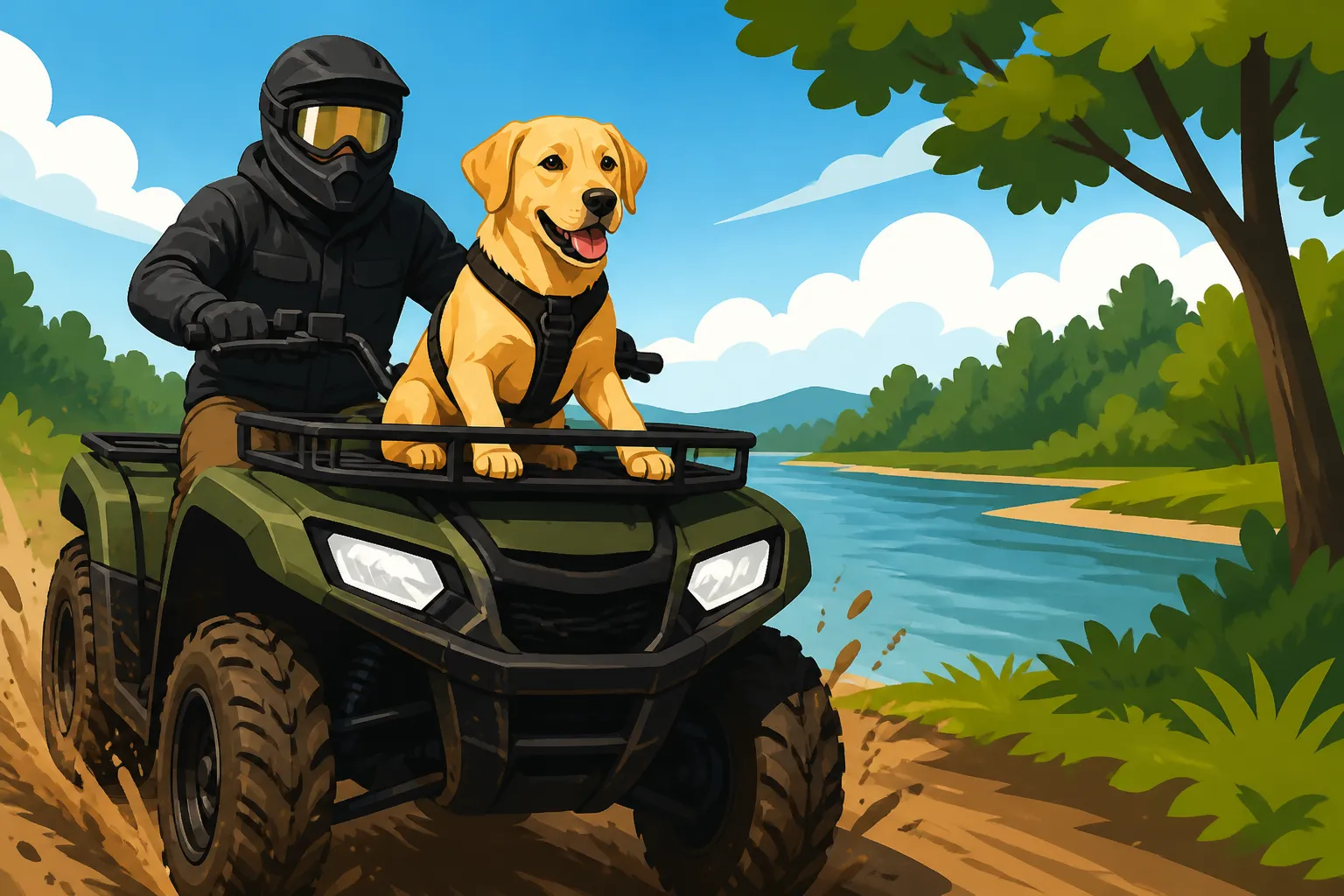
We all love our furry companions, and for many of us, the idea of hitting the trails or heading out to the deer camp with our dog by our side is part of the dream of owning an ATV or UTV. But trying to figure out how to safely and comfortably bring your dog along for the ride, especially on a quad's front rack, can be a real head-scratcher. This guide is here to walk you through all the practicalities, safety measures, and considerations you need to keep in mind when your best friend joins you on your Mississippi off-road adventures.
The Unique Challenges of Riding with a Dog on an ATV Front Rack
Riding with a dog on an ATV, particularly on the front rack, introduces a specific set of challenges that are very different from just taking them in a car or even a UTV's bed. It's not as simple as tossing a blanket down and hoping for the best. We're talking about an open-air environment, vibrations, speed, and the unique ergonomics of a quad that can be quite daunting for a dog, and potentially dangerous if not managed correctly.
Understanding the Exposed Environment
First and foremost, an ATV's front rack offers little protection from the elements or trail hazards. Unlike a car interior or even a UTV cab, your dog will be fully exposed to wind, dust, debris, sun, and rain. The wind in their face might seem fun for a moment, but sustained exposure can cause eye irritation or even damage, and dust can get into their lungs and eyes. Small rocks or branches kicked up by your own tires, or those of a riding buddy, can be a serious threat. This is why you often see riders making makeshift shelters or investing in specialized carriers to shield their dogs.
Then there's the sun. Mississippi summers are brutal, and a dog can quickly overheat, especially if they have a dark coat or a brachycephalic (short-nosed) breed. Shade is non-existent on a bare front rack, making dehydration and heatstroke real risks. Conversely, riding in cooler weather means they're exposed to chilling winds, which can be just as uncomfortable. It’s critical to think about the weather conditions and how your dog’s specific breed and coat might react.
Vibration, Noise, and Unfamiliar Motion
ATVs vibrate a lot. They're built for rugged terrain, and that means a bumpy, rumbling ride. For a dog, especially one not accustomed to it, this constant vibration can be disorienting, anxiety-inducing, and even physically uncomfortable over long periods. Imagine sitting on a vibrating massage chair that's also bouncing around – it's not exactly relaxing.
Engine noise is another factor. Modern ATVs can be loud, and that high-pitched whine or low rumble is amplified for a dog's sensitive hearing. This noise, combined with the wind and the sounds of the trail, can be overwhelming. Some dogs might adapt, but others could develop a fear of the machine or the riding experience itself.
The motion itself is also unique. ATVs lean, tilt, and sometimes make sudden movements as you navigate turns or obstacles. A dog needs to be able to maintain its balance constantly, which can be tiring and stressful. If they're not securely fastened, they could easily be thrown off balance or even off the machine during an unexpected maneuver or bump. This is a common worry among riders who want to bring their dogs, and rightfully so.
Choosing the Right Gear for Your Canine Co-Pilot
Once you understand the challenges, the next step is to equip your dog and your ATV with the right gear to ensure their safety and comfort. This isn't just about a leash; it's about creating a secure, protected space for them.
Secure Carriers and Crates
For many riders, a sturdy carrier or crate is the safest option for a dog on a front rack. This isn't your average soft-sided pet carrier; it needs to be robust enough to withstand trail conditions. Look for hard-sided kennels or heavy-duty fabric carriers designed for outdoor use. The key here is proper ventilation to prevent overheating, but also sufficient protection from impacts and debris.
When selecting a carrier, consider its size relative to your dog and your ATV's front rack. The carrier should be large enough for your dog to stand up, turn around, and lie down comfortably, but not so large that they slide around inside during motion. Too much space can actually make them less secure. You also need to ensure the carrier fits securely on your front rack without obscuring your view or interfering with your steering. Some brands, like SuperATV, offer cargo boxes and rack extenders that can be adapted to secure a dog carrier.
Straps, Tie-Downs, and Harnesses
Securing the carrier to the front rack is paramount. You can't just set it there and go. Use heavy-duty ratchet straps or strong bungee cords to firmly attach the carrier to the rack at multiple points. Test its stability vigorously before you even start the engine. You want absolutely no movement or slippage, even over rough terrain.
Inside the carrier, your dog should wear a well-fitting harness. Never connect a leash directly to their collar if they are in a moving vehicle. A sudden jolt could yank their neck. A harness distributes any pressure across their chest and back, making it much safer. While inside the carrier, you can use a short lead attached to the harness and secured to an anchor point within the carrier (not the ATV itself, in case the carrier comes loose) to prevent them from jumping out if the door accidentally opens or if they get overly excited. This also keeps them from shifting too much inside the carrier, maintaining a better center of gravity.
Eye and Ear Protection
Just like you wear eye protection, your dog needs it too. "Doggles" (dog goggles) are specifically designed to protect their eyes from wind, dust, branches, and UV rays. They might look a bit silly at first, but they are incredibly important for preventing serious eye injuries and discomfort. Get your dog used to them before hitting the trail, rewarding them with treats and praise.
Similarly, consider ear protection, especially for dogs with sensitive hearing or during longer rides. Dog ear muffs or noise-canceling covers can help dampen the engine noise and wind roar, reducing stress and potential hearing damage. Again, gradual introduction and positive reinforcement are key to getting your dog to accept these items. Many riders underestimate the cumulative effect of sustained noise on their dog's well-being.
Training and Acclimation for a Smooth Ride
You can't just throw your dog onto the ATV and expect them to be a natural off-road adventurer. Proper training and gradual acclimation are essential for their safety, comfort, and your peace of mind. This process takes patience and consistency, but it's worth every minute.
Introduction to the ATV Itself
Before your dog ever gets on the machine, introduce them to it while it's turned off. Let them sniff it, walk around it, and get comfortable with its presence. Give them treats and praise near the ATV. This helps them associate the machine with positive experiences. Then, gradually introduce the sound of the engine. Start it for short periods, far away at first, and then closer, always rewarding your dog for calm behavior.
Once they're comfortable with the noise, let them get into their carrier on the ATV while the engine is off. This familiarizes them with the elevated position and the confines of the carrier in its riding spot. Practice securing the carrier and harnessing your dog inside. Make it a fun, low-pressure experience with lots of positive reinforcement.
Short Practice Rides and Gradual Progression
Your first "ride" should be very short and slow, perhaps just around your yard or a quiet field. Don't go blasting down a dusty trail right away. Keep it to a few minutes, going at a slow, controlled pace. Observe your dog's reactions closely. Are they panting excessively? Whining? Trying to get out? Or are they relatively calm and curious?
Gradually increase the length and speed of your rides, always watching for signs of stress or discomfort. Introduce different types of terrain slowly. Always bring plenty of water and offer it frequently. [Mississippi Riding in Summer Heat] can be tough on dogs, so be extra cautious with ride duration and hydration during those months. If your dog seems stressed, take a break, reassure them, or end the ride. It’s better to have several short, positive experiences than one long, traumatic one.
Consistency is crucial. Regularly take your dog on short practice rides to reinforce their comfort and confidence. This isn't a one-and-done training session; it's an ongoing process to build a reliable riding buddy.
Breaks, Hydration, and Rest
Just like you need breaks, your dog needs them too. Plan your rides with frequent stops, especially in warmer weather. Get off the machine, let your dog out of the carrier (on a leash, of course!), and give them a chance to stretch their legs, relieve themselves, and drink water. Carry a portable water bowl and ample water supplies – more than you think you'll need. Dehydration is a serious risk for dogs, especially when exposed to wind and exertion.
Monitor your dog for signs of fatigue or heat stress: excessive panting, drooling, lethargy, or stumbling. If you notice these, it's time to cut the ride short and get them to a cool, shady spot. A cool-down vest or bandanna can also be helpful in hot climates like Mississippi's. Remember, your dog's safety and well-being should always be your top priority. You might be having a blast, but your dog might be struggling silently.
Mississippi Laws and Considerations for Canine Companions
While Mississippi doesn't have specific state laws dictating how you transport a dog on an ATV, there are general principles of responsible pet ownership and off-road vehicle use that absolutely apply. Being aware of the broader context of [Mississippi ATV Road Rules Under 63-31-3] and where you can legally ride is crucial.
No Specific State Laws, But Common Sense Applies
You won't find a specific statute in Mississippi that says "thou shalt not put a Fido on a front rack." However, that doesn't mean you can ignore safety. Animal cruelty laws, though broad, could theoretically be invoked if an animal is clearly in distress or put in a dangerous situation due to negligence. More importantly, any accident involving your dog could lead to liability issues if it's determined you were operating your ATV recklessly or unsafely with an animal on board.
The absence of a specific law puts the onus squarely on you, the rider, to ensure your dog's safety and the safety of others. This means adhering to best practices for animal transport, even if not mandated by law. Think about how you would transport a child – you wouldn't just let them sit unsecured. The same level of care, if not more, should be applied to your canine companion.
Where You Can (and Can't) Ride with Your Dog
The general rule in Mississippi is that ATVs are banned from public roads. [Mississippi Bans ATVs on Public Roads] is clear on this. So, your rides with your dog will primarily be on private land, designated OHV trails, or in specific areas like [Mississippi National Forest Riding Explained] or [Mississippi WMA Riding Rules]. Each of these locations will have its own set of rules, and while they might not mention dogs specifically, they will have regulations about trail etiquette, permitted activities, and potential restrictions.
For instance, some wildlife management areas might have rules about pets during hunting seasons or in sensitive ecological zones. Always check with the specific land manager or park authority before heading out. A quick phone call can save you a lot of hassle. Even on private land, if you're not the landowner, ensure you have permission to bring your ATV and your dog. [Mississippi Trespass Law for Riders] applies to you and your animal.
The Importance of Responsible Pet Ownership on the Trail
Beyond legalities, being a responsible pet owner means considering the impact your dog might have on other trail users and the environment. A barking dog can disturb wildlife or other riders who are seeking peace and quiet. Make sure your dog is well-behaved and doesn't chase after animals, and always pick up after them. No one wants to find dog waste on a beautiful trail.
If you encounter other riders, especially those on horses, be mindful. Some dogs are reactive to horses, and a sudden bark or lunge could spook an equine, leading to a dangerous situation for the horse and rider. Keep your dog secure and under control at all times. This kind of courtesy and awareness is part of [Mississippi Trail Etiquette Locals Expect] and helps ensure that dog owners continue to be welcomed on trails.
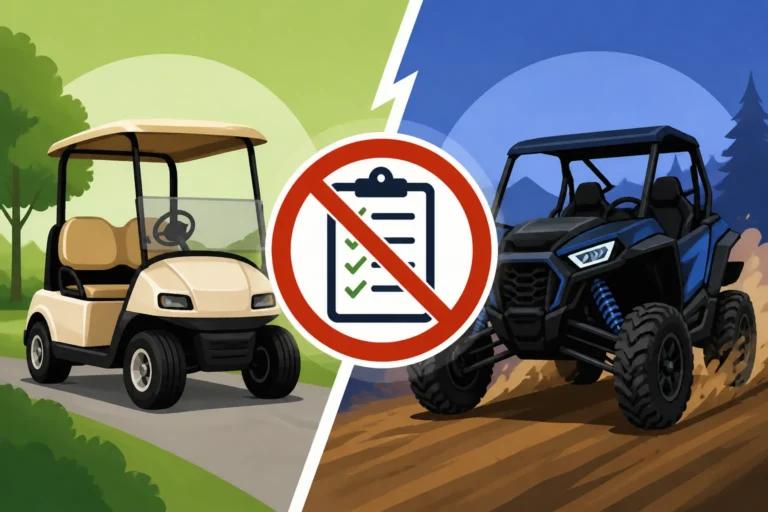
| Consideration | Front Rack Carrier (ATV) | Cargo Bed (UTV) |
|---|---|---|
| Exposure | High (wind, sun, dust, debris) | Moderate (some cab protection, but still open) |
| Vibration/Noise | High (direct exposure to engine, frame) | Moderate (some dampening from UTV chassis/cab) |
| Security | Requires robust strapping of carrier to rack | Easier to secure carrier or create dedicated space |
| Visibility (Dog) | Excellent (can see forward with rider) | Can be limited by UTV structure/cargo |
| Visibility (Rider) | Can block rider's view if carrier is too large/high | Generally less impact on rider's forward view |
| Balance | Center of gravity can be affected more by dog's movement | More stable platform for dog movement |
| Weight Limit | Often lower than a cargo bed, heed manufacturer limits | Higher capacity for larger/multiple dogs |
| Ease of Monitoring | Easy to glance at dog | Requires turning around or specific mirrors |
| Accessibility | Can be harder for dog to enter/exit | Often lower, easier for dog to jump in/out |
| Protection | Needs full, sturdy enclosure and eye/ear protection | May allow for more open concept with harness/tether |
Remember, the goal is always to make the experience enjoyable and safe for both of you. By taking the time to prepare, invest in the right gear, and understand the nuances of riding with a dog in Mississippi's off-road environment, you can create lasting memories with your four-legged co-pilot. Whether you're heading to a mud park or just exploring some back roads, your dog can be a part of the adventure, as long as you put their well-being first. [Mississippi Rules for Riding After Dark] also means considering reflective gear for your dog's carrier to ensure visibility.
Disclaimer
This article is for general informational purposes only and does not constitute professional advice. Laws, prices and regulations vary by location and change over time. Consult a qualified professional for guidance on your specific situation.