Alcohol at a Southern Mud Park
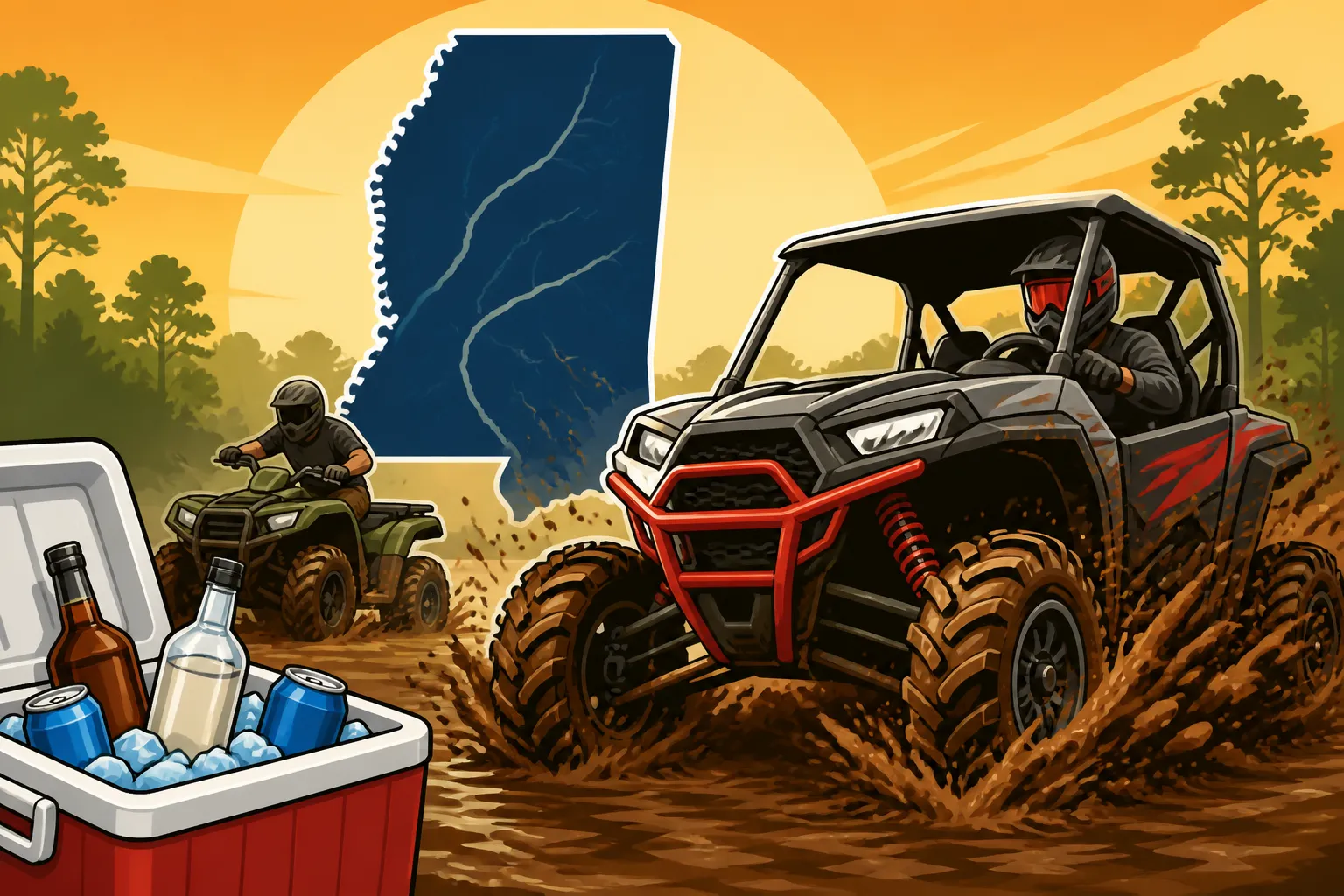
Let's be real for a moment: the scene at many Southern mud parks, especially after the sun dips below the horizon, often includes some folks enjoying a cold beverage. It’s a part of the culture for many, a way to relax and unwind after a day of tearing up the trails. But while that camaraderie and good-time atmosphere can be incredibly appealing, mixing alcohol with the inherent risks of off-road riding, even on private land, introduces a whole host of complications and dangers that riders truly need to understand. This guide isn't here to judge your choices, but to lay out the plain truth about the realities, rules, and crucial safety considerations when alcohol enters the picture at a Mississippi mud park.
The Reality of Alcohol and Off-Roading Culture at Southern Mud Parks
It’s no secret that for many, a trip to a mud park is more than just about the riding; it’s a full-on social event. People bring their families, set up camp, crank up the music, and often, alcohol becomes part of that festive atmosphere. You see it at tailgates, at concerts, and yes, at [Mississippi Private Mud Parks]. There’s a distinct culture around it, and it’s one that often feels deeply ingrained in the Southern off-roading experience.
Why Alcohol Often Appears at Mud Parks
For a lot of folks, the appeal of a mud park lies in the freedom it offers – the chance to escape the everyday grind, kick back, and let loose. After a long week of work, getting out into the woods or open fields with your machine, surrounded by friends, just feels right. For many, a few drinks are simply part of that relaxation ritual. It’s seen as a way to enhance the fun, to unwind further, and to deepen the social bonds within the group. When you're camping out for a weekend, it's easy for the lines between "socializing" and "riding" to blur, particularly if you feel you're on private property where the "rules" might seem less strict than on public roads. It's a perception that validates many people's choices.
The atmosphere itself encourages it. Imagine the roar of engines, the splash of mud, the camaraderie around a campfire, and the sheer excitement of overcoming challenging terrain. Adding a cooler full of cold drinks just feels like a natural extension of that good time. It’s part of the celebration when someone conquers a particularly gnarly mud pit, or simply a way to enjoy the evening after a hard day of riding. This cultural expectation, however, can sometimes overshadow the very real dangers that come with impaired judgment when operating heavy machinery.
The Disconnect Between Perception and Responsibility
Here’s where the rubber meets the road, or rather, where the knobby tire meets the mud. While it might feel like you're on private property and therefore immune from all rules, that’s simply not the full picture. There's a false sense of security that can creep in. Riders might think, "Well, I'm not on a public road, so what's the harm?" This mindset often overlooks several critical factors.
First, even on private land, the laws regarding operating a vehicle while impaired can still apply, especially if the park allows public access. A mud park might be private property, but it's typically open to the public for a fee, which can change its legal standing. Second, and perhaps more importantly, the laws of physics and personal safety don't disappear just because you're off-road. An ATV or UTV is a powerful machine, and operating one, even at low speeds, requires quick reflexes, sound judgment, and acute awareness of your surroundings. Alcohol directly compromises all of these abilities. It slows your reaction time, distorts your perception of speed and distance, and impairs your coordination – precisely the skills you need most when navigating tricky trails, deep mud, or interacting with other riders. The desire to have a good time is completely understandable, but it doesn't absolve anyone of the responsibility to keep themselves and others safe.
Understanding the Rules and Risks of Alcohol Use at Mud Parks
Navigating the waters of alcohol consumption at mud parks can be tricky, precisely because the rules aren't always uniform. What's acceptable at one park might get you ejected from another. Understanding these nuances, and the broader risks, is paramount.
Park-Specific Rules and Their Enforcement
One of the biggest variables when it comes to alcohol at mud parks is the individual park's policy. Unlike public lands where state and federal laws are often quite clear, private mud parks have the autonomy to set their own regulations. Some parks might have a strict "no alcohol" policy anywhere on the premises, aiming to create a family-friendly environment and minimize liability. Other parks might permit alcohol consumption but restrict it to designated camping or social areas, explicitly prohibiting it while riding. Still others might be more lenient, simply relying on common sense and individual responsibility, though even in these cases, problems arise.
It is absolutely crucial to check the specific rules of any [Mississippi Private Mud Parks] you plan to visit before you load up your cooler. A quick visit to their website, a phone call, or checking their social media pages can save you a lot of hassle. Ignorance of the rules is rarely an excuse that park management will accept. If you violate a park's alcohol policy, you could face immediate ejection from the property, potentially without a refund. Some parks even have "three strikes" or similar policies that could lead to being permanently banned. This isn't just about a park trying to be a buzzkill; it’s about them managing risk, ensuring safety for all patrons, and protecting their business.
The Dangers of Impaired Riding
The most immediate and obvious danger of mixing alcohol with off-road riding is the heightened risk of accidents and injuries. We’re talking about powerful machines, often weighing hundreds or even thousands of pounds, moving over unpredictable terrain. Add compromised judgment to that equation, and you're inviting trouble.
Consider these scenarios: a rider, a few drinks in, might misjudge the depth of a mud hole, getting stuck or, worse, rolling their machine. They might fail to notice a hidden root or rock on the trail, leading to a nasty spill. Reaction times are critical when navigating tight turns or sudden drops, and alcohol significantly slows them down. A moment of impaired focus could mean a head-on collision with another rider who suddenly appears around a blind corner. You might even struggle with something as simple as braking effectively or maintaining balance on a steep incline. [Mississippi Accident Reporting for an ATV Crash] becomes a much more serious affair when impairment is involved, complicating investigations and potentially leading to more severe consequences.
Beyond just the physical dangers to yourself, there’s the risk to passengers, fellow riders, and even spectators. An out-of-control machine, operated by someone who isn’t thinking clearly, can become a deadly projectile. The fun can turn tragic in an instant, leaving behind not just physical scars but emotional trauma for everyone involved. Even seemingly minor incidents, like getting stuck deep in a mud pit far from camp, become exponentially more difficult and dangerous to resolve when you're not fully sober.
Legal Implications Beyond the Park Gates
This is where the "private property" argument often falls apart. While you might think you're safe from law enforcement on private land, that's not always the case, especially if serious injury or property damage occurs. Mississippi's DUI laws, for instance, are broad and can absolutely apply to ATVs and UTVs. While the specifics can vary, operating any motorized vehicle, including off-road machines, while impaired can lead to a [Mississippi DUI Law and Off-Road Machines] charge. Law enforcement can be called to private parks, particularly if there are accidents resulting in serious injury or if public disturbances occur.
If you cause an accident while impaired and someone is injured, you could face criminal charges beyond just DUI, such as assault or reckless endangerment. Even without injury, significant property damage could lead to criminal mischief charges. Beyond the criminal aspect, there's the civil liability. If you damage another person’s machine, park property, or cause injury, you could be sued for damages. Your insurance company might even deny coverage if impairment is a factor, leaving you to foot potentially massive bills out of pocket. [Mississippi Insurance After a Southern Collision] is a crucial consideration, and most policies have clauses regarding operating under the influence. It's a sobering thought that a fun weekend could result in years of legal and financial headaches.
| Scenario at Mud Park | Park Rule Example | Potential Immediate Consequence | Potential Legal Consequence (MS) |
|---|---|---|---|
| Riding while drinking | "No alcohol on trails" | Ejection from park, ban | DUI/DWI if public access or serious incident |
| Drinking in camp area | "Alcohol permitted in camp only" | None (if rules followed) | None (if contained and not operating machine) |
| Impaired riding leading to accident | Varies by park | Ejection, ban, liability for damage | DUI/DWI, assault, civil lawsuits |
| Underage drinking | "21+ for alcohol consumption" | Ejection for minor and guardians | Minor in possession, contributing to delinquency |
| Public disturbance due to alcohol | "No disruptive behavior" | Ejection, ban | Public intoxication, disorderly conduct |
Strategies for a Safe and Enjoyable Mud Park Experience (With or Without Alcohol)
The goal of any mud park trip is to have fun and make memories, not end up in a ditch or a legal bind. If alcohol is going to be part of your weekend, planning and clear communication are your best tools.
Designating a Sober Driver
This is perhaps the single most important safety measure you can take if alcohol is present at your mud park gathering. Just like with cars on public roads, having a designated sober driver for your ATV or UTV is non-negotiable. This person commits to staying completely sober and is responsible for operating the machine, whether it's navigating trails, running back to camp for supplies, or helping with recovery.
Making this a group commitment is key. Rotate the responsibility, or if one person prefers to stay sober, ensure they are recognized and appreciated for taking on this vital role. The benefits are immense: not only does it drastically reduce the risk of accidents and injuries, but it also provides peace of mind for everyone in the group. You know there's a clear-headed person at the controls, capable of making sound decisions, especially in an emergency situation or when riding [Mississippi Rules for Riding After Dark]. This proactive step acknowledges that while the social aspect is important, safety remains the top priority.
Setting Boundaries and Planning Ahead
Open communication within your riding group before you even leave home can prevent a lot of headaches. Talk about expectations around alcohol use. Will it be strictly a "camp only" activity? Will there be a cutoff time? By discussing these boundaries beforehand, everyone is on the same page.
If you plan to consume alcohol, stick to designated camping or social areas. Avoid the temptation to "just take a quick spin" after you’ve been drinking. Plan your riding for earlier in the day when everyone is sober and focused. If you're camping overnight, consider having your "riding gear off, party gear on" moment, signifying the end of riding for the day. Also, think about how you’ll get home. If you’ve been drinking, driving your truck and trailer is just as dangerous and illegal as driving a car. Have a sober driver lined up for the road trip, too. Clear plans reduce impulse decisions that can lead to trouble. [Mississippi Private Park Camping Rules] will often have explicit expectations around this, so be sure to check them.
Essential Gear and Preparedness, Regardless of Alcohol
Even without alcohol, off-road riding demands respect and preparedness. When alcohol is involved, this preparedness becomes even more critical. Always, always wear appropriate safety gear: a DOT-approved helmet (especially important for younger riders, as [Helmets Are Required Under 16 on Forest Land] in some public areas, and it's simply good practice everywhere), eye protection, gloves, sturdy boots, and long sleeves/pants. These items provide crucial protection in a crash, regardless of its cause.
Beyond personal gear, ensure your machine is equipped for the terrain. For mud parks, this often means robust tires, good ground clearance, and critically, recovery gear. A reliable winch, like those made by SuperATV, can be a literal lifesaver when you inevitably get stuck in a deep mud hole. Carrying [Budgeting a Winch for Southern Mud] and other recovery straps, a small shovel, and a first-aid kit is just common sense. You should also pack plenty of water and snacks, even if you plan to drink. Staying hydrated helps mitigate the effects of alcohol and keeps you sharper longer. Remember, even if you’re trying to navigate tough terrain, whether it's a tight squeeze or a watery crossing, having the right gear, especially from a reputable brand like SuperATV, can make all the difference in safely getting out of a sticky situation. This level of preparedness is your ultimate safeguard against the unpredictable nature of off-roading, and it's doubly important if your judgment might be clouded.
Responsible Off-Roading and Community Etiquette
Being a responsible rider extends beyond just personal safety; it involves respecting the environment, the park, and everyone else who shares the trails. Alcohol can unfortunately make this more challenging, but it doesn't have to.
Respecting Park Rules and Fellow Riders
Every rule a mud park sets, including those concerning alcohol, is there for a reason – usually safety, liability, or the preservation of the park itself. When you pay an entry fee, you’re agreeing to abide by those rules. Ignoring them not only puts you at risk but can also jeopardize the future of the park itself. If parks face too many incidents related to alcohol, they might be forced to implement stricter bans or even close.
Think about the impact your actions have on others. Most mud parks are shared spaces. Families with young children, new riders, and those who simply prefer a quieter, sober experience are often present. Loud, reckless, or aggressive behavior fueled by alcohol can ruin their day, create an unsafe environment, and leave a negative impression of the entire off-roading community. Maintaining common courtesy, yielding to others on trails, and keeping noise levels reasonable, especially during quiet hours in camping areas, are all part of good mud park etiquette. Check the [Mississippi Private Park Alcohol Rules] for specific guidelines, and always err on the side of caution and courtesy.
Protecting Your Investment and Your Future
ATVs and UTVs are significant investments, and reckless riding, especially while impaired, can lead to costly damage. Rolling your machine, hitting a tree, or submerging it beyond its capabilities can mean thousands of dollars in repairs or even a total loss. While you might have [Insuring an ATV That Has No License Plate], many policies have clauses that limit or deny coverage for incidents involving intoxication. This means that a moment of poor judgment could cost you the entire value of your machine, plus potential medical bills.
Beyond the machine itself, consider your personal future. A DUI/DWI conviction can have far-reaching consequences, affecting your driver's license, employment prospects, insurance rates, and even your ability to travel. [Mississippi DUI Law and Off-Road Machines] are serious, and a conviction stays on your record. Is a few hours of impaired fun worth risking your machine, your financial stability, and your long-term freedom? Brands like SuperATV offer fantastic upgrades for improving your machine's performance and durability, but no aftermarket part can compensate for impaired judgment. Making responsible choices means protecting not just your present enjoyment, but your future well-being and the longevity of your passion for off-roading.
Disclaimer
This article is for general informational purposes only and does not constitute professional advice. Laws, prices and regulations vary by location and change over time. Consult a qualified professional for guidance on your specific situation.