Reflective Tape on a Southern Machine
Let's be real, riding an ATV or UTV in Mississippi often means navigating dimly lit back roads, deep woods trails, or making quick dashes across county asphalt, even when we know the law says we shouldn't be there for long. One of the biggest fears out there is not being seen, especially when the sun starts to dip, or fog rolls in thick across a field. This guide is all about giving you the lowdown on reflective tape – why it’s not just a good idea, but a truly critical safety measure for your Southern machine, and how to use it effectively to boost your visibility.
Why Reflective Tape is Crucial for Mississippi Riders
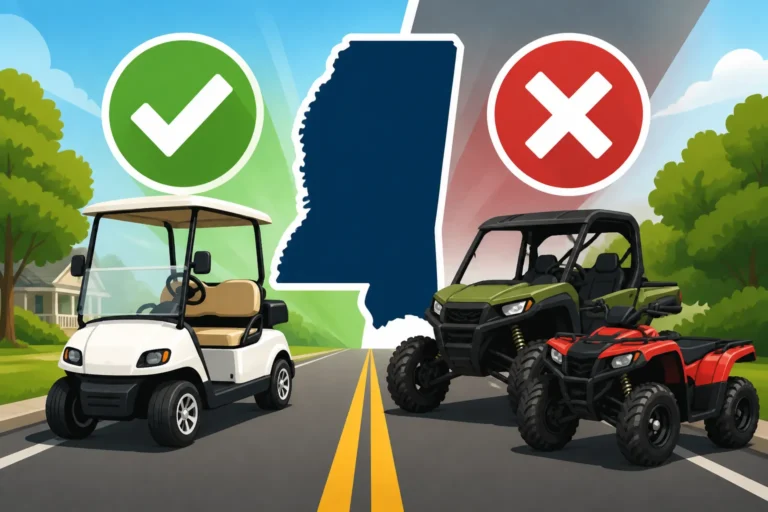
Riding an off-road machine in Mississippi comes with its own unique set of challenges and unspoken rules, even when you're sticking to private land or designated trails. While [Mississippi Law Flatly Bars ATVs From Public Roads], the reality is that many of us still find ourselves briefly on or near public thoroughfares – whether it’s to get from one section of private property to another, access a hunting camp, or simply cross a small county road. In these moments, and especially outside of broad daylight, your visibility can literally be a matter of life or death. Standard ATV lights are often designed for illuminating the trail ahead, not for making your entire machine pop to an oncoming driver who isn't expecting you. Reflective tape adds a layer of passive safety that works around the clock, catching any available light and bouncing it back, making you a much more noticeable presence.
Imagine you're on a familiar timber road, the kind that eventually spits you out onto a quiet two-lane county highway. You just need to cross the road to get to another section of your lease. It's late afternoon, the sun is low in the sky, and trees cast long, confusing shadows. A pickup truck comes over the hill, the driver squinting into the setting sun. If your machine is dark, caked in mud, and only relying on its factory headlights, you might blend right into the background. But if you have strategically placed reflective tape, even a momentary glint of light from the truck’s headlamps can make your ATV or UTV stand out like a beacon, giving that driver precious extra seconds to react. It’s not about making your machine street legal – because that's still a no-go in most cases – but about acknowledging the real-world situations we face and taking every possible step to protect ourselves and others.
The Hidden Dangers of Low Visibility on Southern Back Roads
Southern back roads, particularly in Mississippi, are a different beast compared to well-lit urban streets. They often lack streetlights, feature dense tree cover that creates perpetual twilight even on sunny days, and can be narrow with limited shoulders. Factors like dusk, dawn, heavy fog rolling in from the swamps or river bottoms, or even just heavy rain can drastically reduce visibility. Your machine’s factory lighting, while adequate for trail riding, simply isn't designed to make you highly visible from multiple angles to fast-moving traffic on these roads.
Consider a typical scenario: you're heading back to camp after an evening hunt. It’s now pitch dark, and you’re relying solely on your ATV’s headlights and taillights. These lights are focused to illuminate what's directly in front or behind you. However, a driver approaching from the side, or even from a blind curve, might not see the limited light output until they are very close. This creates a significant hazard, particularly if you need to perform a quick [Mississippi Rules for Crossing a Highway] or even just ride along the edge of a road to access a gate. Reflective tape breaks up the silhouette of your machine, turning it from a hard-to-spot mass into a clearly defined object when hit by light, providing a crucial visual cue to other road users, whether they’re in a truck, a car, or another off-road machine.
Bridging the Gap: Visibility for Brief Road Crossings and Private Access
Despite strict regulations that largely ban ATVs and UTVs from public roads in Mississippi, the reality for many riders is that short road crossings or brief stretches of public right-of-way are sometimes unavoidable to connect properties or reach trailheads. While these acts can carry [Mississippi Fines for Road Riding], most riders prioritize quick, safe access. This is precisely where reflective tape shines – it's a safety measure for those unavoidable, albeit brief, interactions with public roads, not a way to skirt the law.
Think about farm operations, for example, where a farmer might need to move a utility UTV from one field to another across a low-traffic county road. Or a hunter who has permission to ride on private timberland but needs to cross a short gravel road stretch to get from one parcel to the next. In these instances, having high-quality reflective tape applied to key areas of your machine significantly increases your chances of being seen by any passing vehicles. It’s an acknowledgment that even in situations where you're technically not supposed to be there, personal safety demands maximum visibility. Without this added measure, even a momentary lapse in attention from another driver could lead to a serious incident on these often-unforgiving Southern roads.
Choosing the Right Reflective Tape for Your Southern Machine
Picking out reflective tape isn't just about grabbing the first roll you see at the hardware store. For a Southern machine that's going to face the unique challenges of Mississippi's climate and riding conditions, you need something robust. We're talking about scorching summer sun, relentless humidity that can peel adhesives, heavy rains, and, of course, the ever-present mud and grime from the trails. The right tape needs to stick, stay reflective, and withstand a beating. You wouldn't put cheap tires on your machine and expect them to perform in a mud bog, so don't skimp on your safety gear either.
When you’re looking, consider the environment your machine lives in. Is it parked outside year-round, exposed to the elements? Does it regularly churn through deep, gritty mud, or is it primarily used for light utility work on a farm? These factors will influence the type of adhesive, the material, and the overall durability you need. For riders who invest in robust accessories and parts, like those often found at SuperATV, the same thought process should apply to visibility upgrades. Investing a little more in quality tape means it won't be peeling off after the first downpour or fading to a dull grey after a few months under the Mississippi sun.
Types of Reflective Tape
Not all reflective tapes are created equal, and understanding the differences is key to making the best choice for your ATV or UTV. The main categories you'll encounter are engineer-grade, high-intensity prismatic, and diamond-grade. Each offers different levels of reflectivity and durability, impacting how well your machine will stand out, especially in low light or on dark back roads.
- Engineer-Grade Reflective Tape: This is your basic, entry-level reflective material. It’s usually a single layer of glass beads embedded in a polymer, offering decent reflectivity for about 3-5 years. It's affordable and readily available, but its reflectivity is lower, and it might not be as durable against constant exposure to mud, water, and extreme sun. It's okay for light use or areas less prone to abrasion.
- High-Intensity Prismatic (HIP) Tape: This is a step up. Instead of glass beads, it uses microprisms to reflect light, offering significantly brighter and wider-angle reflectivity. It’s more durable, often lasting 7-10 years, and holds up better to the elements. This type is often seen on traffic signs and utility vehicles, making it a good, practical choice for ATVs and UTVs that see regular use.
- Diamond-Grade Reflective Tape: The crème de la crème of reflective materials. This tape uses a more advanced prism technology, making it incredibly bright and visible from extreme angles. It’s also the most durable, with a lifespan of 10+ years, and can withstand harsh conditions. While it's the most expensive option, it offers unparalleled safety, which for many riders, makes the investment worthwhile for their side-by-sides or quads that might briefly interact with traffic.
When it comes to color, white and yellow are typically the most reflective, especially in low-light conditions. Red is excellent for rear visibility, mimicking brake lights, and is a must for the back of your machine. Fluorescent colors (like lime green or orange) also offer good daytime visibility in addition to their reflectivity, which can be a bonus for machines operating in hunting seasons where bright colors are often required.
Durability Against Mississippi's Elements
The Mississippi environment is unforgiving on off-road machines, and that includes any accessories you attach. The heat, the humidity, the drenching rains, the thick mud, and the often-abrasive sands and gravel of our trails demand reflective tape that is built to last. A cheap tape with poor adhesive will start curling at the edges after a few weeks, collecting grime, and quickly losing its reflective properties. You need tape designed specifically for outdoor, heavy-duty applications, not just something meant for a mailbox.
Look for tape that specifies a strong, outdoor-grade adhesive. Automotive-grade adhesive is usually a good indicator. The material itself should be flexible enough to conform to the curves of your machine but tough enough to resist tearing and abrasion. Some manufacturers, including those who produce high-quality off-road accessories like SuperATV, often use materials that are specifically engineered for extreme conditions. This ensures that the reflective tape will stand up to pressure washing, repeated mud baths, and prolonged exposure to UV rays without fading or delaminating. Remember, the goal is long-term visibility, not just a temporary fix.
Strategic Placement: Where to Apply Reflective Tape for Maximum Impact
Applying reflective tape isn't just about slapping it on wherever there's an open spot. To be truly effective, it needs to be placed strategically, keeping in mind the angles from which your machine needs to be seen. Think of it like this: you want to create a highly visible outline of your ATV or UTV from every direction a potential hazard might approach, whether it's another vehicle on a dark road or a hunter walking through the woods. The goal is to break up the natural camouflage of your machine and make its presence undeniable, especially when [Night Visibility on a Southern Back Road] is poor.
Before you start, make sure the surfaces are clean and dry. Any dirt, grease, or moisture will compromise the adhesive and lead to premature peeling. Use rubbing alcohol to clean the area thoroughly, then let it dry completely. Don't rush this step – proper prep is critical for the tape to bond securely and last through countless rides in the Mississippi wilderness. Once applied, firmly press the tape down to ensure good adhesion, especially around edges and contours.
Front, Rear, and Side Visibility
To achieve comprehensive visibility, you need to think about all 360 degrees around your machine. A driver might approach from the front, the rear, or either side, and your reflective tape should provide clear warning from every angle.
Front: For the front of your ATV or UTV, focus on areas that are broad and prominent. The front bumper is an excellent starting point; apply strips horizontally or in a chevron pattern. The front fenders are another prime location, especially their leading edges. If your machine has a front rack or a windshield frame, these can also be outlined with tape. The goal here is to complement your headlights, providing a wider, brighter visual footprint for oncoming traffic or other riders. Think about how vehicles often have reflective elements integrated into their grille or lights – you're essentially doing the same for your off-road machine.
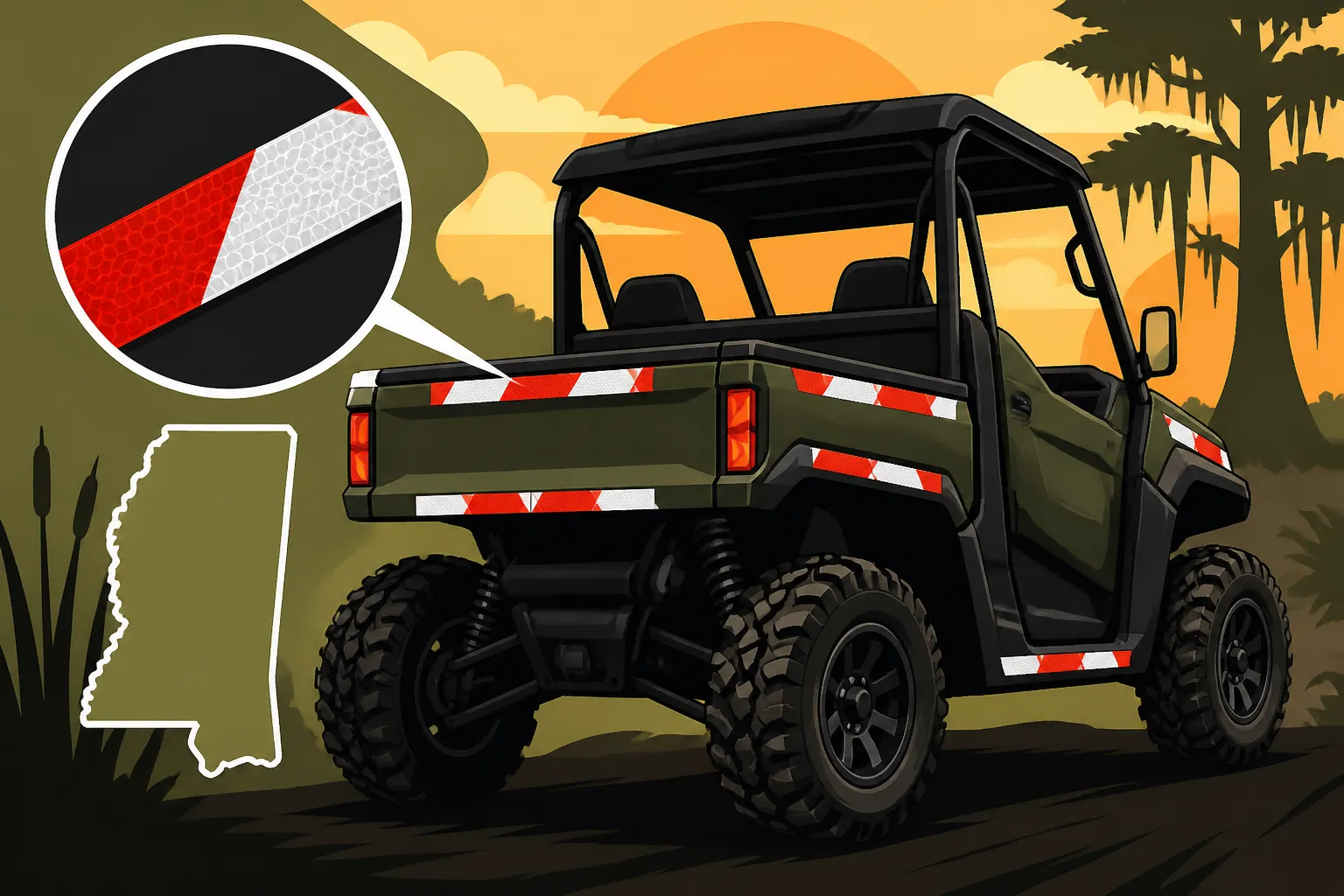
Rear: The rear of your machine is perhaps the most critical for reflective tape placement, as this is the side most often exposed to following vehicles, especially during brief road crossings or when operating near a roadway. Apply bright red or white tape to the rear bumper, across the tailgate (if it's a UTV), and along the outer edges of the rear fenders. Many riders also find success outlining their taillight assemblies or even adding small strips to the back of their helmet. The idea is to create a clear, unmistakable visual warning that stands out against the darkness and tells drivers, "There's a machine here." This is particularly important when considering [Mississippi Rules for Riding After Dark].
Sides: Side visibility is often overlooked but is incredibly important, especially if you're making turns, entering or exiting a trail that meets a road, or simply operating in an area with multiple access points. Apply reflective tape to the side panels of your fenders, along the edges of the footwells, and, for UTVs, along the roll cage. Vertical strips on the roll cage posts can be very effective as they rise higher and catch light from a greater distance. Think about how truck trailers use full conspicuity tape along their sides – you want to create a similar, unmistakable line that defines the length of your machine. Even small, strategically placed pieces can make a huge difference in how quickly your machine is registered by another person's eyes.
Common Mistakes and Best Practices
Even with the best tape, poor application or incorrect choices can undermine your efforts. Avoiding common mistakes and following best practices will ensure your reflective tape provides the maximum safety benefit for your Southern machine.
One common mistake is over-taping or haphazard application. More tape isn't always better if it's not applied thoughtfully. A machine plastered with random reflective strips can look cluttered and less effective than one with carefully placed, clean lines. Instead of covering every surface, focus on creating clear outlines and prominent shapes that mimic road safety markings. Another error is neglecting proper surface preparation; as mentioned, a dirty or greasy surface will cause the tape to fail quickly. Taking the extra five minutes to clean with rubbing alcohol and dry the area can double the lifespan of your tape.
When it comes to best practices, consider the angles of reflection. Apply tape to flat surfaces or areas with gentle curves where it can lie smoothly and present a consistent reflective surface. Avoid crumpling tape into tight corners or over sharp edges, as this will lead to peeling. For roll cages or tubular components, spiral-wrap the tape or apply short, overlapping sections for better adhesion and coverage. Also, use contrasting colors to enhance visibility. For example, if your machine is dark green, white or fluorescent yellow tape will stand out far more than black reflective tape, which offers minimal contrast during daylight. Finally, regularly inspect your tape. Mud, UV exposure, and general wear and tear can degrade its effectiveness. If you notice peeling, fading, or significant damage, it's time for a touch-up or replacement. This regular maintenance ensures your safety measure is always performing at its peak.
Maintaining Your Reflective Tape and Enhancing Overall Visibility
Applying reflective tape is a fantastic first step towards enhancing your safety on a Southern machine, but it’s not a "set it and forget it" solution. Just like any other component of your ATV or UTV, the tape needs a little love and attention to remain effective. The harsh conditions we ride in – the mud, the dust, the humidity, and the powerful sun – can all take a toll on even the most durable reflective materials. Think of it as part of your regular machine upkeep, right alongside checking your oil or tire pressure. A well-maintained strip of reflective tape can be a lifesaver, especially when [Mississippi Equipment Checks by Deputies] or other riders might be looking for signs of responsible machine ownership.
Beyond just the tape, true visibility is a multi-faceted approach. It involves a combination of passive and active measures, all working together to make sure you’re seen, whether you’re crossing a gravel road at dusk or navigating a crowded mud park. Don't rely on just one thing; layer your safety tools to create the most comprehensive visibility strategy possible.
Keeping Reflective Tape Clean and Effective
The biggest enemy of reflective tape is dirt, mud, and grime. A thick layer of Mississippi clay on your fender will effectively negate any reflective properties your tape might have. For the tape to do its job – bouncing light back to its source – its surface needs to be clean and unobstructed. This means integrating tape cleaning into your post-ride routine.
When washing your machine, pay special attention to the taped areas. Use a soft brush or sponge with mild soap and water. Avoid using high-pressure washers directly on the edges of the tape, as this can force water underneath and cause the adhesive to fail prematurely. If you have caked-on mud, let it soak for a bit before gently scrubbing. For stubborn grime or sap, specialized automotive cleaners that are safe for plastics and paints can be used, but always test on an inconspicuous area first to ensure it won't damage the tape or the underlying finish. After cleaning, inspect the tape for any signs of peeling, cracks, or fading. If you spot areas that are starting to lift, you can sometimes press them back down firmly, but if the damage is extensive, it's better to remove and replace that section. Regular cleaning and inspection not only maintain reflectivity but also help you catch minor issues before they become major problems, ensuring your machine remains highly visible through every [Mississippi Riding Season Month by Month].
Combining Tape with Other Visibility Aids
While reflective tape is an excellent passive safety feature, its effectiveness is greatly amplified when combined with other visibility aids. Think of it as building a robust safety profile for your machine. Your goal is to be seen early and clearly, from as many angles as possible, and under varying conditions.
Active lighting is paramount. Ensure your ATV or UTV's factory headlights and taillights are in perfect working order. Consider upgrading to brighter LED lights, especially if you frequently ride at night or in very shaded areas. Forward-facing light bars are fantastic for illuminating the trail, and auxiliary LED lights on the rear or sides can further boost your profile. Many riders, for instance, install extra amber or red LED pods that function as additional running lights or brake lights. Some even mount small, bright LED lights to their helmets or the upper part of their roll cage to increase their visibility above the vehicle’s height. Brands like SuperATV offer a wide range of durable lighting solutions that are designed to withstand off-road abuse, providing both illumination for you and visibility for others.
Beyond lights, consider a brightly colored safety flag mounted high on your machine, especially if you're riding in tall grass, over hills, or in areas with obstructed views. For younger riders, a helmet is legally required under [Mississippi Helmet Law for Riders Under 16], and a brightly colored helmet with reflective strips is a great way to make them stand out. Wearing bright, contrasting clothing, especially fluorescent colors during the day and reflective gear at night, also makes a significant difference. Remember that even though [Mississippi Has No Insurance Mandate] for ATVs, comprehensive coverage often provides peace of mind, just as layered visibility measures offer physical protection. Every little bit helps to create a comprehensive safety strategy, turning your Southern machine into a highly noticeable presence, no matter the conditions or terrain.
| Reflective Tape Type | Reflectivity Level | Durability (Years) | Common Use Cases | Best For ATV/UTV In MS? |
|---|---|---|---|---|
| Engineer-Grade | Basic | 3-5 | Mailboxes, light commercial vehicles | Budget-friendly, light use, less critical areas |
| High-Intensity Prismatic | Bright | 7-10 | Traffic signs, utility trucks | Good all-around choice for regular riders, good value |
| Diamond-Grade | Very Bright | 10+ | Emergency vehicles, heavy haul trucks | Max safety, critical areas, frequent road interaction |
| Fluorescent w/ Reflectivity | High Day & Night | 5-7 | Construction vests, school buses | Excellent for daytime visibility (hunting season), adds night reflectivity |
Disclaimer
This article is for general informational purposes only and does not constitute professional advice. Laws, prices and regulations vary by location and change over time. Consult a qualified professional for guidance on your specific situation.