Mississippi Rules for Riding on the Coast
Riding your ATV or UTV along Mississippi's beautiful coast sounds like a dream for many off-road enthusiasts. The thought of cruising near the Gulf, feeling the sea breeze, and exploring unique coastal terrains is incredibly appealing. However, the reality of what's legally allowed can be a frustrating maze, often leading to confusion, fines, and disappointment. This guide is here to untangle the complex rules and set realistic expectations for anyone hoping to ride their machine on or near the Mississippi coast, helping you understand where you can and, more importantly, where you cannot ride legally and safely.
Understanding Mississippi's Statewide Ban on ATV/UTV Road Riding
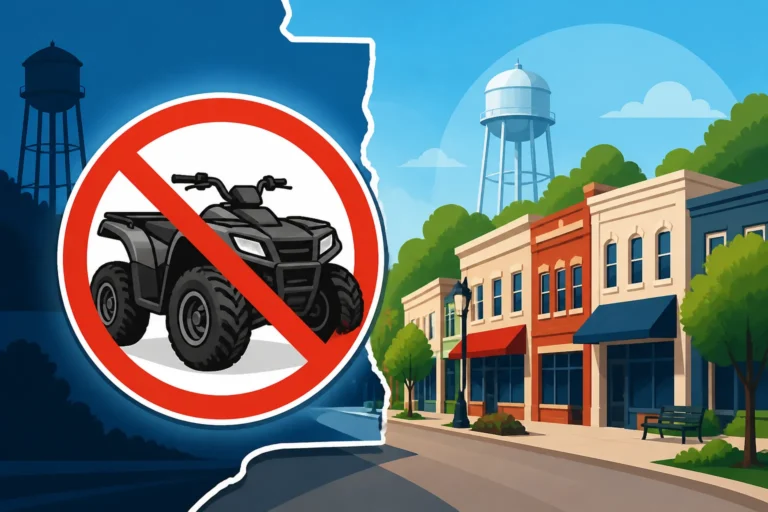
Let's cut right to the chase: Mississippi has a very clear, statewide stance on ATVs and UTVs on public roads. It's a flat-out ban. This isn't just a suggestion or a guideline; it's the law. Many riders, especially those new to the state or visiting from areas with more permissive rules, often find this incredibly restrictive. They might think, "Oh, but I'm just going a few hundred feet to get to my buddy's house," or "I'm only crossing the highway to get to a different section of private land." The truth is, under state law, these actions are still illegal.
Mississippi Code Section 63-31-3 is the primary piece of legislation that governs off-road vehicles. It defines what constitutes an "all-terrain vehicle" or "off-road vehicle" and, crucially, explicitly prohibits their operation on public roads, streets, and highways. There are no blanket exceptions for short distances, low speeds, or emergency situations that would allow general road use. This means that if you're on a county road, a state highway, or even a quiet city street in a coastal town, your ATV or UTV is technically breaking state law.
This overarching state ban applies to every corner of Mississippi, including the entire Gulf Coast region. So, while you might imagine leisurely rides down scenic coastal drives, the state law makes that vision impossible on public thoroughfares. It's a tough pill to swallow for many, especially when you see golf carts zipping around in some coastal communities. But it's vital to differentiate between these types of vehicles, as the law does.
This clear directive from the state is why you won't find specific state-level allowances for ATVs or UTVs to operate on coast roads, even if they're lightly traveled or seem ideal for your machine. This legal framework also impacts how local authorities respond to complaints or sightings of ATVs on roads. Even if a local deputy is generally lenient, they are still operating under this statewide prohibition. For a deeper dive into the state's stance, you can read more about [Mississippi Bans ATVs on Public Roads] and [Mississippi Code Section 63-31-3]. This foundational understanding is critical before we even start talking about local ordinances, because the state law is always the baseline.
Coastal Confusion: Why Local Ordinances Rarely Help ATV/UTV Riders
One of the biggest sources of confusion for riders eyeing the Mississippi coast is the presence of local ordinances. You might hear that a particular town, say in Harrison County or Jackson County, has "street legal" golf carts, or that they've passed some sort of "off-road vehicle" ordinance. This can mistakenly lead people to believe their ATV or UTV might also be welcome on city streets. Unfortunately, this is almost always a misunderstanding.
The vast majority of these local ordinances are specifically crafted for golf carts or Low-Speed Vehicles (LSVs), not ATVs or UTVs. While some UTVs can be modified to meet LSV requirements in other states, Mississippi's legal definitions and local ordinances are usually quite stringent. A golf cart, by definition, has a top speed, weight limit, and specific safety features that set it apart from a typical ATV or UTV. When a town like Hattiesburg passes its cart ordinance, as detailed in [Hattiesburg's Cart Ordinance in Mississippi], it's specifically addressing golf carts, not the rugged machines you take mudding or hunting.
Coastal towns often grapple with the desire to be tourist-friendly while maintaining order and safety. Many have embraced golf carts as a way for residents and visitors to navigate short distances to the beach, shops, or restaurants without using a car. However, they almost universally draw a hard line at ATVs and UTVs, which are often perceived as louder, faster, and more prone to reckless operation on public streets. For example, [Ocean Springs' Cart Rules in Mississippi] might allow golf carts on certain streets, but it certainly doesn't open the door for ATVs or side-by-sides. In fact, some towns explicitly name the types of machines they wish to bar from their streets, often including ATVs and UTVs in that prohibited list.
It's also important to remember that local ordinances cannot override state law. If state law says ATVs are banned from public roads, a city ordinance allowing them would be invalid. Local ordinances typically only grant specific permissions for certain types of vehicles (like golf carts) within the framework of state law, or they specify additional restrictions for ATVs/UTVs beyond the state ban, such as noise limits or specific zones where they are completely prohibited, even on private land if the noise carries. This is why you'll find that [Mississippi Towns That Refuse ATVs on Streets] are plentiful, and their refusal is often rooted in safety concerns and the straightforward state ban.
So, while the idea of a street-legal UTV cruising the scenic coastal routes is appealing, in Mississippi, it's largely a fantasy. Any local rules you hear about are highly likely to be for golf carts, and it’s critical to understand the distinction to avoid legal trouble.
The Reality of Riding on Mississippi Beaches and Sandbars
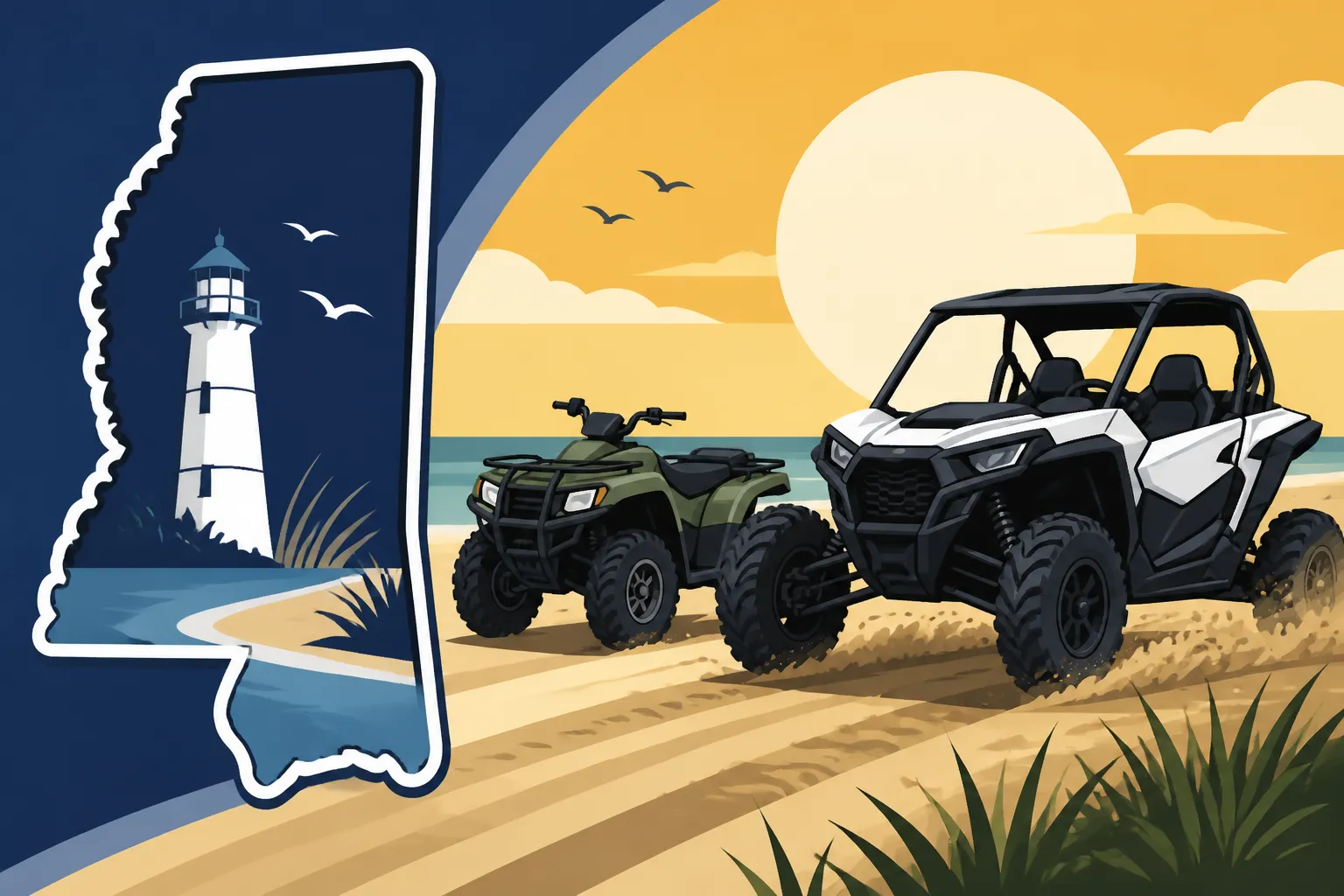
Beyond public roads, many riders dream of tearing up the sand on a Mississippi beach or exploring remote coastal sandbars with their ATV or UTV. This image, however, often clashes sharply with environmental regulations, private property rights, and public access laws. The reality is, legal riding on Mississippi's beaches and coastal sandbars is extremely rare, if not entirely nonexistent for recreational purposes.
Mississippi's coastline, like many others, is a fragile ecosystem. Beaches are vital nesting grounds for various species and play a crucial role in preventing erosion. Operating off-road vehicles on these sensitive areas can cause significant environmental damage, disturb wildlife, and accelerate erosion. Because of these concerns, most beaches along the Gulf Coast, whether publicly or privately owned, have strict prohibitions against motorized vehicle traffic. These rules are usually clearly posted, and violations can lead to hefty fines and even confiscation of your machine.
Even if you find a stretch of beach that appears to be unmonitored or unposted, it's almost certainly still illegal to ride there. The concept of "public beach" often refers to public access for activities like walking, swimming, and sunbathing, not for operating motorized vehicles. Any land along the coast, whether submerged or exposed, typically has an owner, even if it's the state itself. Without explicit, written permission for ATV/UTV use, you would be trespassing.
Sandbars present a similar, if not more complex, challenge. While some might seem like wild, untamed areas perfect for exploration, they are often subject to the same property laws and environmental protections as the mainland and beaches. Ownership of submerged lands and dynamic sandbars can be ambiguous to the casual observer, but that doesn't make them free-for-all riding zones. [Is It Legal to Ride a Mississippi River Sandbar?] provides insight into similar issues for inland sandbars, and the principles often apply to coastal areas as well. You might encounter protected species, sensitive marsh grasses, or areas designated for other uses. Furthermore, the dynamic nature of sandbars means they can shift quickly, posing significant safety hazards for riders. Getting stuck, or worse, finding yourself in a rapidly changing tidal situation, could put you and your machine at serious risk.
In very limited circumstances, you might find private land adjacent to the coast where the owner grants specific permission for ATV/UTV use, perhaps for a specific event or purpose. However, this is exceptionally rare for recreational riding directly on the beach or a sandbar. Always assume it's prohibited unless you have clear, written, and specific permission from the actual landowner. The allure of coastal riding is strong, but the legal and environmental hurdles make it almost universally off-limits for ATVs and UTVs.
Navigating the De Soto National Forest: Your Closest Legal Riding Near the Coast
While direct beach and road riding is largely off-limits along the Mississippi coast, that doesn't mean there are no legitimate off-road opportunities nearby. In fact, a significant portion of the Mississippi Gulf Coast region borders the De Soto National Forest, which offers some of the state's premier legal off-road vehicle (OHV) trails. This is often the best, and sometimes only, place for coastal-area residents and visitors to enjoy their ATVs and UTVs legally.
The De Soto National Forest offers the Bethel OHV Trail System, which is a designated riding area. This isn't just a random patch of woods; it's a managed system designed for off-road recreation. You'll find miles of marked trails, specifically engineered to handle the wear and tear of OHVs. This is a far cry from the spontaneous, unauthorized riding that leads to trouble on beaches or roads. You can find more details about [Mississippi Coast and De Soto National Forest Riding] and [Mississippi National Forest Riding Explained] to get a full picture of what's available.
Riding in the De Soto National Forest means adhering to specific rules and regulations established by the U.S. Forest Service. These typically include:
- Permits: You'll need to purchase a National Forest OHV Pass, often an annual pass, to access the trails.
- Spark Arrestors: Your machine must be equipped with a U.S. Forest Service-approved spark arrestor to prevent wildfires.
- Noise Limits: There may be decibel limits for your exhaust.
- Width Restrictions: Trails might have width limits, which is particularly important for wider UTVs. For example, Bethel's 43 miles of trails are designed for machines 50 inches and under. If your UTV is wider, you might be out of luck on certain sections. If you're looking at aftermarket parts from a company like SuperATV to enhance your machine, always consider how they might impact your width, noise, or spark arrestor status, especially if you plan to ride on regulated trails.
- Safety Gear: Helmets are often required for all riders, regardless of age, on designated forest trails, even if state law only mandates them for younger riders on public land.
- Trail Etiquette: Staying on marked trails, respecting signage, and packing out what you pack in are crucial for maintaining access.
The terrain in the De Soto National Forest can be quite diverse, offering a mix of sandy sections, pine forest paths, and, depending on recent weather, some muddy spots. This environment can be demanding on your machine, so make sure it’s in good working order. Companies like SuperATV offer a wide range of parts and accessories that can enhance your UTV's performance and durability for these kinds of conditions, from skid plates to winches. Just ensure any modifications comply with Forest Service rules.
While the De Soto National Forest provides a legitimate avenue for riding near the coast, it's important to understand that it's not beach riding, nor is it road riding. It's a structured off-road experience that requires preparation and adherence to specific rules, but it’s a legal and fun alternative to the prohibited coastal adventures.
How to Research Local Rules for Your Coastal ATV/UTV Ride
Given the strict statewide ban on ATVs and UTVs on public roads and the sensitive nature of coastal environments, if you're determined to find a place to ride near the Mississippi coast, your only real option outside of designated OHV parks is private land with explicit permission. However, even on private land, you need to be aware of local noise ordinances and other regulations that might apply. For anything else, you absolutely must do your homework.
Here’s a practical guide on how to research local rules, especially if you're trying to understand if a specific coastal town or area has any allowances, however unlikely:
-
Start with the Source: City Hall or County Administrator's Office.
The best place to begin is by contacting the administrative office of the city or county where you plan to ride. Ask to speak with someone in the clerk's office or planning department. They are responsible for keeping records of all local ordinances. Be specific in your questions: "Are ATVs or UTVs permitted on any public streets or rights-of-way within the city limits?" and "Are there any specific ordinances regarding off-road vehicles on private property that I should be aware of?" This is more reliable than asking a random person on the street. For more guidance on this, see [Mississippi Ordinance Lookups Before You Ride]. -
Contact Local Law Enforcement (Non-Emergency Line).
Before you even load up your machine, call the non-emergency line of the local police department or county sheriff's office. Explain your situation: "I'm planning to visit [Coastal Town/Area] with my UTV and I want to understand the local regulations about where I can and cannot ride, especially concerning public roads or beaches." They can provide you with direct information about enforcement and might even direct you to the specific ordinances. Remember, these officers are the ones who will issue a citation if you break the rules. You can find out more by asking [Asking the Sheriff's Office About Road Riding]. -
Check City/County Websites.
Many cities and counties post their municipal codes and ordinances online. While it might take some digging, searching for terms like "all-terrain vehicle," "off-road vehicle," "golf cart," or "motorized vehicle" can often lead you to relevant sections. Look for chapter titles related to "Traffic and Vehicles" or "Public Nuisances." -
Understand the Difference Between Golf Carts and ATVs/UTVs.
Again, this is crucial. If an ordinance explicitly mentions "golf carts" or "Low-Speed Vehicles," it almost certainly does not apply to your ATV or UTV. These are distinct vehicle classes in the eyes of the law. Don't assume a golf cart ordinance grants you permission. If your UTV has been modified with accessories from a brand like SuperATV, it's still a UTV unless it has been legally reclassified (which is highly unlikely in Mississippi for street use). -
Be Wary of Anecdotal Information.
Just because "everyone else does it" or "my cousin said it's fine" doesn't make it legal. Enforcement can be sporadic, but a single complaint or a new officer on patrol could mean a significant fine or even impoundment of your machine. Always rely on official sources. -
Consider State Agencies for Environmental Concerns.
If you're looking into riding near water bodies or sensitive ecosystems, the Mississippi Department of Environmental Quality (MDEQ) or the Department of Marine Resources (MDMR) might have specific regulations regarding vehicle use in those areas. This is especially true for marshlands, coastal wetlands, or certain ecological preserves.
By taking these proactive steps, you can avoid legal headaches and ensure you're riding responsibly. The general rule of thumb for Mississippi's coast is: if you can't find clear, written permission from an official source, then assume it's prohibited. It's much better to be safe and informed than to risk a ticket or damage to the environment.
| Rule Category | Mississippi Statewide ATV/UTV Law | Common Coastal Town Ordinance (Golf Carts) | The Reality for ATVs/UTVs on the Coast |
|---|---|---|---|
| Public Roads | Banned | Allowed on certain streets (Golf Carts) | Banned (State Law overrides) |
| Beaches | Generally prohibited (trespass, environmental) | No specific allowances | Banned (Environmental, private land) |
| Sandbars | Generally prohibited (trespass, environmental) | No specific allowances | Banned (Environmental, private land) |
| Private Land | Allowed with owner's permission | Local noise/trespass laws may apply | Allowed with owner's permission |
| Designated OHV Parks | Allowed (e.g., De Soto National Forest) | No specific allowances | Allowed (e.g., De Soto National Forest) |
| Vehicle Type | Applies to ATVs, UTVs | Applies to Golf Carts, LSVs | Clearly differentiates from Golf Carts |
Disclaimer
This article is for general informational purposes only and does not constitute professional advice. Laws, prices and regulations vary by location and change over time. Consult a qualified professional for guidance on your specific situation.