Mississippi ATV Helmet Law Age
Navigating the rules and regulations for ATV riding can feel like a maze, especially when it comes to keeping our youngest riders safe and legal on the trails. Many parents wonder about the specific requirements for helmet use, trying to ensure their children are protected without running afoul of the law. This comprehensive guide will walk you through Mississippi’s ATV helmet law for minors, explain why these rules are so vital, and offer practical advice for keeping every ride a safe one for your family.
The Specifics of Mississippi's ATV Helmet Law for Minors
When you're out enjoying the beautiful Mississippi landscape on your ATV or UTV, safety should always be your top priority, especially when children are involved. It's not just about common sense; it's also about following the law. Mississippi has clear regulations in place to protect its youngest riders, and understanding these specifics is the first step toward ensuring everyone has a good time without unnecessary risks or legal headaches.
The Under-16 Rule: What It Means for Your Family
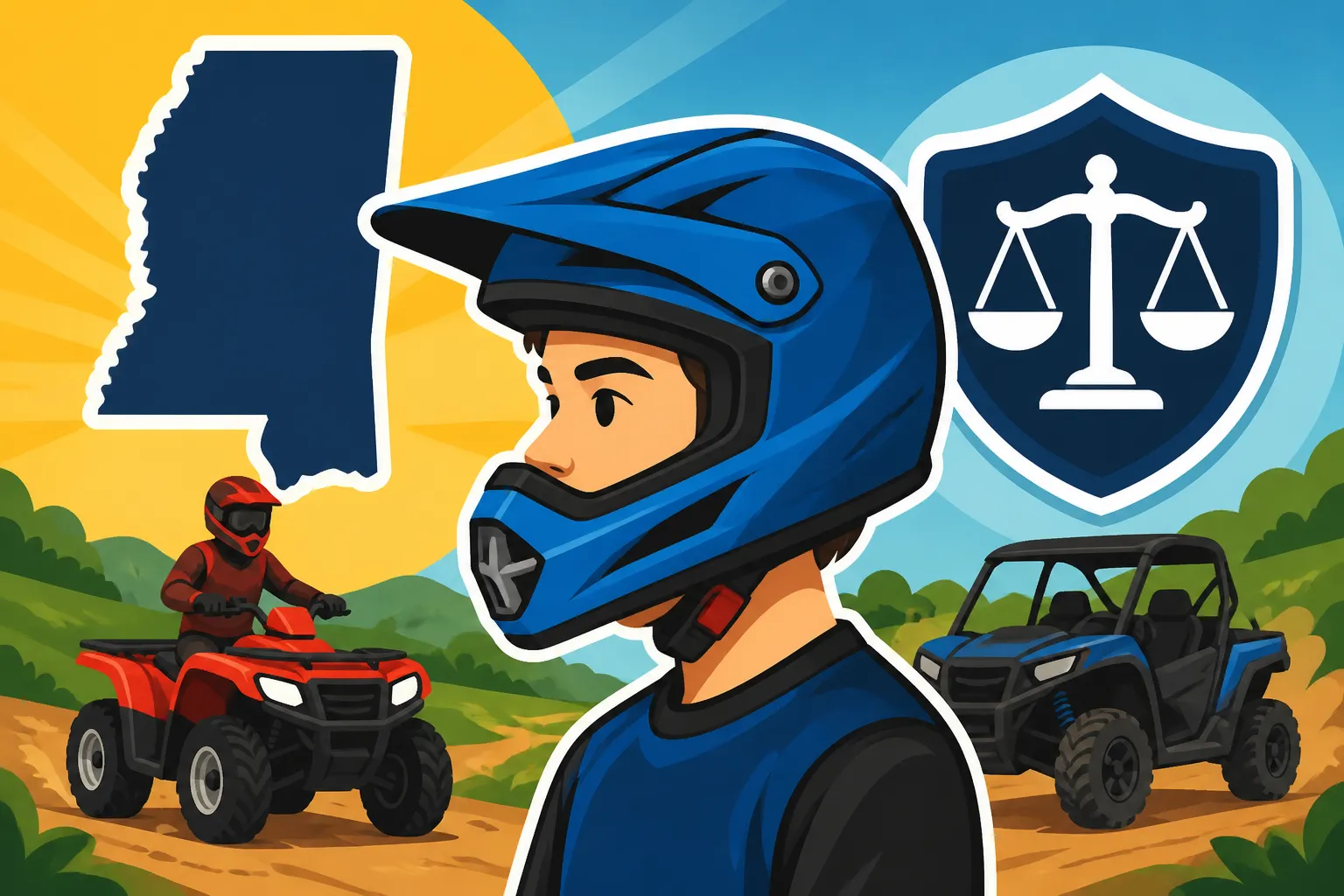
Let's cut right to the chase: In Mississippi, any person under the age of 16 operating or riding as a passenger on an all-terrain vehicle (ATV) or off-road vehicle (ORV) must wear a protective helmet. This isn't a suggestion; it's a legal requirement designed with the well-being of our children in mind. This rule is comprehensive, meaning it applies statewide, whether you're tearing up trails in the De Soto National Forest, cruising across your own private acreage, or just tooling around a friend's property. There's no special exception for private land when it comes to a child's helmet. As a parent or guardian, this places a clear responsibility on your shoulders to ensure your young rider is properly equipped every single time they get on a machine. Ignoring this rule isn't just a gamble with your child's safety; it can also lead to citations and fines if you're encountered by law enforcement, particularly on public lands or if an accident occurs.
Think of it this way: children, by nature, are more vulnerable to head injuries. Their developing brains are more susceptible to trauma, and their judgment and motor skills are still maturing. A helmet acts as a critical line of defense, absorbing impact forces that could otherwise lead to devastating injuries. It's a non-negotiable piece of equipment for any rider under 16, no matter how short the ride or how slow the speed. Ensuring your child wears a helmet also sets a strong example about the importance of safety for all riders, fostering good habits from a young age. For more detail on this, you might want to review [Mississippi Helmet Law for Riders Under 16].
Understanding Approved Helmet Standards
It’s not enough to simply wear a helmet; it needs to be the right kind of helmet. Just like you wouldn't use a bicycle helmet for high-speed motorcycling, an ATV helmet needs to meet specific safety standards to provide adequate protection. In Mississippi, while the law specifies a "protective helmet," it implicitly refers to helmets that meet nationally recognized safety standards. The most common standards you'll see are those from the Department of Transportation (DOT), Snell Memorial Foundation (Snell), and the Economic Commission for Europe (ECE).
- DOT certification means the helmet has met minimum performance standards for impact absorption and penetration resistance. These are common and widely available.
- Snell certification is often considered more rigorous, as Snell is a non-profit organization that performs more extensive testing than required by DOT.
- ECE certification is a European standard, but many helmets sold globally meet it, offering robust protection.
When you're shopping for a helmet for your child, always look for the DOT sticker on the back, or internal labels indicating Snell or ECE approval. A helmet that doesn't carry one of these certifications might not offer the necessary level of protection in the event of a crash, potentially leaving your child vulnerable. A properly fitting helmet, regardless of its certification, is also paramount. A helmet that's too loose can shift during impact, reducing its effectiveness, while one that's too tight can be uncomfortable and distracting. Make sure the helmet fits snugly but comfortably, without rocking side-to-side or front-to-back. You can often find a good selection of certified helmets and other ATV gear at reputable retailers or specialized online stores like SuperATV, where you can compare different styles and ensure they meet the necessary safety criteria. For more on selecting the right headgear, check out [Which Helmet Standard a Rider Under 16 Needs].
Beyond the Law: Why Helmets Are Non-Negotiable for All Ages
While Mississippi's helmet law specifically targets riders under 16, the reality is that helmets are a critical piece of safety equipment for all ATV and UTV riders, regardless of age. The trails and terrains we ride can be unpredictable, and even the most experienced rider can encounter an unexpected obstacle or misjudgment. Thinking of a helmet as just a legal obligation misses the bigger picture of personal safety and risk mitigation.
Protecting Against Head Injuries: The Unseen Dangers
The human brain is incredibly delicate, and head injuries sustained during ATV accidents can range from concussions to severe traumatic brain injuries (TBIs) with lifelong consequences. It’s a sobering thought, but it’s one that every rider and parent should consider seriously. Even a seemingly minor fall or impact, particularly at low speeds or when coming off a machine, can result in a dangerous blow to the head. Unlike a broken arm or a scraped knee that might heal completely, brain injuries can have lasting effects on cognitive function, memory, personality, and physical abilities.
Imagine a scenario where a rider, even an adult, is slowly navigating a muddy trail. Suddenly, a hidden root or rock throws the machine off balance. The rider is ejected, landing awkwardly. Without a helmet, that impact could mean a trip to the emergency room with a concussion that leaves them with headaches, dizziness, and memory issues for weeks or months. With a helmet, the energy of the impact is dissipated across a wider area, reducing the force transmitted to the brain and potentially turning a severe injury into a minor bump or bruise. The cost of a good helmet pales in comparison to the medical bills and long-term suffering that can result from a serious head injury. This isn't just about avoiding a ticket; it's about safeguarding futures.
The Role of Other Protective Gear
While helmets are absolutely foundational to ATV safety, they are part of a larger system of protective gear that can drastically reduce the risk of injury. Think of it like a full suit of armor for the trail. Eye protection, such as goggles or a helmet with a full visor, is crucial to shield your eyes from dust, flying debris, branches, and even insects. A sudden splash of mud or a low-hanging branch to the eye can impair vision, leading to a loss of control and a much bigger accident.
Gloves protect your hands from blisters, scrapes, and impacts, while also providing a better grip on the handlebars. Long sleeves and pants, preferably made of durable materials like denim or specialized riding gear, offer a barrier against abrasions, cuts, and minor burns from exhaust pipes. Finally, sturdy over-the-ankle boots protect your feet and ankles from impacts, crushing injuries, and ensure you have solid footing on the pegs. Riding in shorts and flip-flops might seem comfortable on a hot Mississippi day, but it leaves you incredibly vulnerable. Encouraging a "full gear, every ride" mentality, where all riders consistently wear appropriate protective equipment, establishes a powerful safety culture. Leading brands like SuperATV offer a comprehensive range of protective apparel and accessories to help riders of all ages stay safe and comfortable on the trails.
Practical Steps for Parents and Guardians
As a parent or guardian, you're the primary safety officer for your young riders. Beyond simply enforcing the helmet law, there are many proactive steps you can take to ensure your children are as safe as possible while enjoying their ATV or UTV. This involves making informed choices about gear and fostering a strong safety-first mindset through education and leading by example.
Choosing the Right Helmet for Your Child
Selecting a helmet for your child isn't a one-size-fits-all decision; fit is king. The best way to ensure proper fit is to measure your child's head circumference just above the eyebrows and around the widest part of their head. Compare this measurement to the manufacturer's sizing chart. When trying on a helmet, it should feel snug all the way around, with no pressure points. It shouldn't wiggle or slide when your child shakes their head. If it does, it's too big. Have them put it on, fasten the strap, and try to pull the helmet off their head from the back. If it comes off easily, it's not the right fit.
While there are open-face helmets available, for ATV riding, a full-face helmet is generally recommended, especially for children. This design offers superior protection for the chin and face, areas highly susceptible to injury in an ATV crash. Ensure the helmet has a clear visor or that your child wears separate goggles to protect their eyes. Look for helmets specifically designed for off-road use, as they often have better ventilation and wider eyeports for goggles. When purchasing, buy from reputable dealers or online stores that specialize in powersports gear. They can often provide guidance on sizing and safety standards. Always ensure the helmet meets DOT, Snell, or ECE standards. Remember, a helmet's protective materials can degrade over time, even without visible damage. Many manufacturers recommend replacing helmets every five to seven years, or immediately after any significant impact.
Education and Training: More Than Just Helmets
While a helmet is crucial, it’s only one part of comprehensive safety. Education and formal training play a massive role in preparing young riders for the complexities of off-road riding. In Mississippi, if a child (or any rider, for that matter) plans to operate an ATV on public land like designated trails in national forests, they must either possess a valid [Mississippi Driver's License on Public Property] or have completed an approved [Mississippi Safety Course Certificates] and carry proof of completion. These courses teach vital skills like proper throttle control, braking techniques, turning, hazard perception, and understanding terrain challenges. You can often find courses offered through various organizations, including the Mississippi Extension Service, using materials that align with established safety guidelines. [Mississippi Safety Certificate Lookup] can help you find approved courses and verify certifications.
Beyond formal training, parental example is incredibly powerful. If you, as an adult, wear a helmet every time you ride, even if the law doesn't strictly require it for your age group, your child will naturally internalize that behavior as the norm. Ride together, practice safe techniques, and discuss potential hazards as you encounter them. Reinforce the rules clearly and consistently. For parents riding with children, remember that your supervision includes ensuring all safety gear is correctly worn and that the child is operating a machine appropriate for their size and skill level. More tips on this can be found in [Mississippi Parent Riding With a Child]. This holistic approach to safety, combining proper gear with education and supervision, creates a much safer riding environment for everyone.
Broader Mississippi ATV Laws Affecting Young Riders
Mississippi's helmet law for minors is a foundational piece of youth ATV safety, but it exists within a broader framework of regulations that riders and parents should understand. These laws often intertwine, dictating not just what gear is required, but also who can ride, where they can ride, and under what conditions. Being aware of these additional rules helps create a comprehensive safety strategy and ensures compliance across the board.
Age Requirements and Supervision
Beyond helmets, Mississippi also has general [Mississippi ATV Age Requirements] that dictate who can operate an ATV. While the state doesn't have a single, overarching minimum age for all ATV operation on all private land, the laws become much stricter on public property. On designated public riding areas, an operator must typically be at least 16 years old and possess a valid driver's license or have completed an approved ATV safety course. This means that a younger child, even if they are wearing a helmet and riding a properly sized machine, might not be legally allowed to operate an ATV on public trails without proper certification or supervision.
The spirit of these laws is to ensure that riders have the maturity, physical capability, and trained skills to handle an ATV safely. For children under 16, direct supervision by a responsible adult is always recommended, even on private land, where state laws might be less prescriptive. This supervision isn't just about watching them ride; it's about actively guiding them, teaching them, and being able to intervene quickly if a problem arises. Your role as a supervisor inherently includes ensuring all safety gear, especially that all-important helmet, is being used correctly before the wheels even turn. For more details specific to different age groups, refer to [Mississippi Rules for a Teen Rider] and [Mississippi Rules for Riders Under 16].
Passenger Rules for Minors
Another critical aspect of ATV safety for youth in Mississippi revolves around passenger rules. Generally, ATVs are designed for a single operator unless they are specifically manufactured and equipped for carrying a passenger. The law on [Mississippi Passenger Rules on Public Land] is clear: an ATV may not carry a passenger unless it is specifically designed by the manufacturer to carry more than one person and is equipped with a designated passenger seat and handholds. This rule is especially important when considering young riders.
Allowing a child to ride as a passenger on a single-rider ATV is incredibly dangerous. The added weight shifts the machine's balance, makes it harder to control, and exposes the passenger to direct impact in a rollover or collision. If you do have a two-up machine designed to carry a passenger, and that passenger is under 16, they still fall under the helmet law. This means a helmet is required for both the operator and the passenger if either is under 16. Never allow a child to ride on your lap or stand on the machine while it’s in motion. Their safety is paramount, and these rules are designed to prevent serious injury.
Public vs. Private Land Riding
Understanding the distinction between riding on public and private land is key to navigating Mississippi's ATV laws. While the state's helmet law for riders under 16 applies universally, other regulations, such as those concerning operator age, required safety courses, or the need for a driver's license, often apply specifically to public lands. This includes popular spots like [Mississippi National Forest Riding Explained] areas (such as the Bethel Trails in the Holly Springs National Forest) and [Mississippi WMA Riding Rules] (Wildlife Management Areas).
On private property, landowners generally have more leeway to set their own rules, but common sense safety should always prevail. The helmet law for minors, for instance, doesn't disappear just because you're on private land. It's a state statute designed to protect children no matter the location. However, specific state regulations regarding things like road crossing or noise ordinances might not apply in the same way on your own land as they would on public trails. Even on private land, it’s a good idea to ensure all riders, especially children, are trained and adhere to best safety practices. Always check for any local ordinances in your specific area, as some towns or counties might have additional rules even for riding on private property, especially concerning noise or nuisance.
| Item | Description | Importance |
|---|---|---|
| Helmet Standard | DOT, Snell, or ECE approved label inside | Legal compliance and proven impact protection |
| Proper Fit | Snug, no wobble, doesn't obscure vision, no gaps | Maximizes protection, prevents shifting |
| Full-Face Design | Covers chin and face, recommended for ATVs | Best protection for ATV use |
| Visor/Goggles | Clear vision, protection from debris, dust, and branches | Essential for eye safety and clear sight of path |
| Condition | No cracks, deep scratches, fraying straps, or exposed foam | Compromised helmet offers inadequate protection |
| Manufacturer Date | Check for age; materials degrade over time (replace every 5-7 years) | Ensures material integrity and peak performance |
Disclaimer
This article is for general informational purposes only and does not constitute professional advice. Laws, prices and regulations vary by location and change over time. Consult a qualified professional for guidance on your specific situation.