Selling a Titled Machine in Mississippi
Selling an ATV or UTV in Mississippi can feel like navigating a muddy trail after a heavy rain – confusing, with potential pitfalls if you don't know the lay of the land. Many folks stress about making sure all the paperwork is just right, especially with Mississippi's newer titling laws for off-road machines. This guide is here to help you confidently sell your titled ATV or UTV, ensuring a smooth transaction for both you and the buyer, and making sure you've covered all your bases when it comes to the legal bits.
Understanding Your Titled Machine's Advantage in a Sale
When you're ready to part ways with your beloved quad or side-by-side, having a clean title in hand already puts you a step ahead in Mississippi. For years, our state didn't title these machines at all, which often made private sales a bit of a gamble for buyers, relying solely on a bill of sale or an old Manufacturer's Certificate of Origin (MCO). But now, with [Mississippi ATV Titling Starts July 2025] for newer machines, and voluntary titling available for older ones, a title signals legitimacy and simplifies the transfer of ownership.
Why a Title Makes Selling Easier
Think about it from a buyer's perspective. When they see a machine with a clear, state-issued title, it immediately builds trust. They know the machine's ownership history is documented, which significantly reduces their risk of unknowingly purchasing a stolen vehicle or one with undisclosed liens. This peace of mind often translates into a quicker sale and can even help you command a fair price. Without a title, buyers might be more hesitant, or they might ask for a lower price to account for the perceived risk or the extra hoops they might have to jump through, like the [Mississippi Title Bond Procedure].
MCO vs. Title: Knowing the Difference
Before Mississippi began issuing titles for ATVs and UTVs, the Manufacturer's Certificate of Origin (MCO) was the closest thing to an ownership document for a new machine. It's essentially the birth certificate of the vehicle, showing its initial transfer from the manufacturer to the dealer, and then to the first owner. However, an MCO is not a title. A title is a government-issued document that legally establishes ownership and lists any liens against the vehicle. If your machine was new and purchased before the titling law came into effect, you might still have an MCO. If it's a newer machine (built after July 2025) or if you voluntarily titled an older one, you'll have an actual title. Make sure you know which one you have, as only the title facilitates the formal transfer of ownership now. [Mississippi Machines Built After July 2025] explains more about the new requirements.
Informing the Buyer About Mississippi's Titling Nuances
It's a really good idea to gently educate your potential buyer about Mississippi's evolving titling landscape. If you're selling a machine that was not required to be titled (i.e., built before July 2025) but you went ahead and got a voluntary title, explain the benefits to them. On the flip side, if you're selling a machine built after the cutoff date, it's already titled, and they must transfer that title into their name. Clarifying these details upfront can prevent confusion down the line and shows you're a knowledgeable and transparent seller. This conversation also sets the stage for them to understand their own responsibilities when they apply for a title, such as the [Mississippi's 30-Day Application Window].
Essential Paperwork for a Smooth Sale
When you're selling an ATV or UTV, the paperwork isn't just a formality; it's your legal safeguard and the key to a hassle-free transfer of ownership. Skipping steps here can lead to headaches for both you and the buyer, sometimes even years down the road. Let's break down the critical documents you'll need.
Transferring the Title: Signing It Over
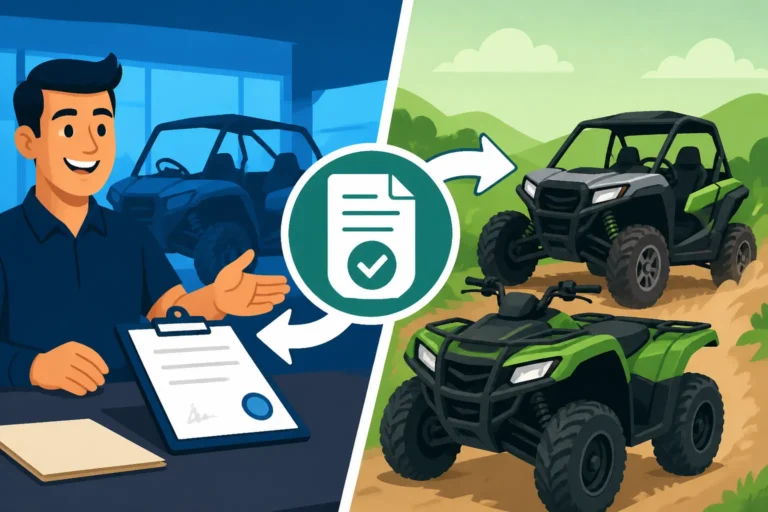
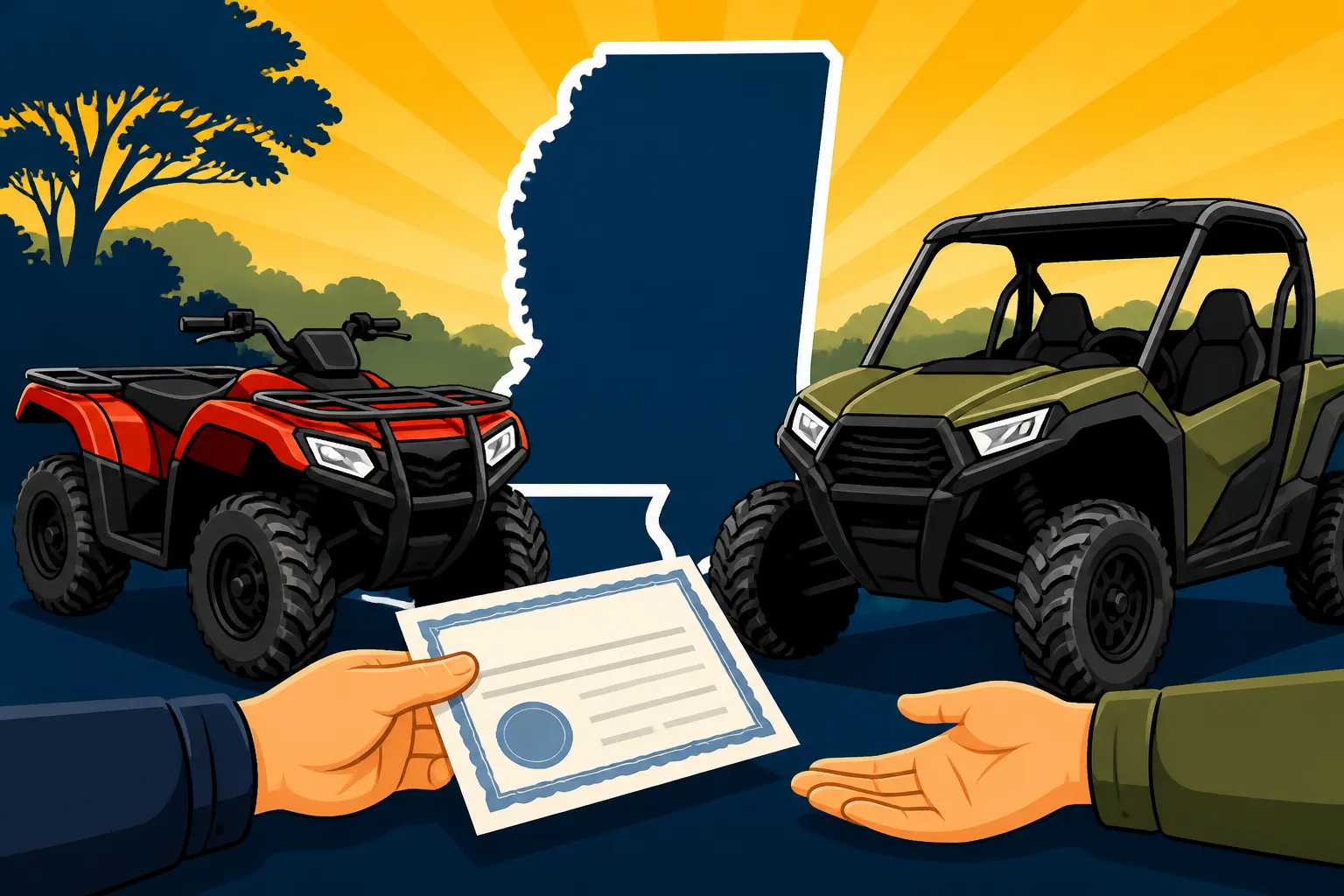
This is the absolute cornerstone of selling a titled machine. The actual title document has specific sections for the seller to sign over to the buyer. You'll typically find spaces for:
- Your Signature: This is you, the seller, formally relinquishing ownership.
- Date of Sale: Crucial for documenting when the transfer officially occurred.
- Printed Name and Address of Buyer: So the new owner is clearly identified.
- Odometer Reading (if applicable): While not all ATVs have odometers, if yours does, you should record the mileage.
- Sale Price: This might be requested on the title itself or on a separate bill of sale.
It's vital that you sign exactly as your name appears on the title. If there are two owners listed on the title, typically both owners will need to sign. Make sure all fields are filled out completely and legibly. If you make a mistake, do not use white-out. It’s better to neatly cross out the error, write the correct information, and initial it. Major errors might require getting a duplicate title, which is an unnecessary delay.
The Bill of Sale: Your Legal Safety Net
Even with a title, a comprehensive bill of sale is indispensable for both the buyer and the seller. It serves as a written record of the transaction, protecting both parties by clearly outlining the terms of the sale. This is especially true for private sales where disputes can sometimes arise later.
Your bill of sale should clearly state:
- Seller's Information: Full legal name, address, and contact details.
- Buyer's Information: Full legal name, address, and contact details.
- Vehicle Description: Make, model, year, Vehicle Identification Number (VIN), and any other distinguishing features.
- Sale Price: The agreed-upon amount.
- Date of Sale.
- Payment Method.
- "As-Is" Clause: This is critical for sellers. It states that the machine is being sold in its current condition, with no warranties, express or implied. This limits your liability if the machine develops problems after the sale.
- Signatures: Both the seller and buyer should sign and date the bill of sale. It’s a good practice to have two copies, one for each party.
You can find templates online through services like LawDepot that allow you to customize a professional bill of sale specific to vehicle sales, ensuring all necessary legal language is included. For a deeper dive into what to include, check out [What Your Bill of Sale Must Show].
Handling Liens on the Title
If you financed your ATV or UTV, there might be a lien recorded on your title, meaning the lender legally has a claim to the machine until the loan is paid off. You cannot legally transfer full ownership until this lien is satisfied.
Steps for dealing with a lien:
- Pay off the loan: Contact your lender and make sure the loan is fully paid.
- Obtain a lien release: Once paid, the lender should provide you with a lien release document. This is usually a physical piece of paper, but sometimes it's an electronic notification to the state.
- Clear the title: You might need to take this lien release to your county tax collector's office to have the lien formally removed from the title record and get a clean title issued. This is a crucial step before you can sign the title over to a new buyer.
Trying to sell a machine with an active lien can lead to significant legal complications for everyone involved. Be transparent with your buyer if there's a lien and explain your plan to get it released. You can learn more about how liens appear by reading [How a Lender's Lien Appears on Your Title].
What If the Title Is Lost?
It happens! Life gets busy, and sometimes important papers get misplaced. If you've lost your title, you cannot simply sign a bill of sale and call it a day, especially for machines now requiring a title. You'll need to apply for a duplicate title before you can sell the machine.
Steps to replace a lost title:
- Contact your County Tax Collector: They are the first point of contact for all title-related services in Mississippi.
- Complete the application: You'll need to fill out an application for a duplicate title. This typically requires your personal information, the machine's VIN, and possibly an affidavit stating the original title was lost.
- Pay the fee: There will be a nominal fee for issuing a duplicate title.
- Wait for processing: Duplicate titles generally follow the same processing times as original titles.
Do not try to sell the machine without a title or claim you'll "send it later." This opens you up to massive liability. If the title is truly gone and you can't get a duplicate for some reason (perhaps the machine is very old and the records are sparse), you might need to pursue a title bond procedure. This is usually a last resort for buyers who are trying to title a machine without proper paperwork, but as a seller, it means you don't have a clear title to transfer. For more details on getting a replacement, see [Replacing a Lost ATV Title in Mississippi] and [How a Mississippi Title Bond Replaces Lost Paperwork].
Here's a quick summary of key documents:
| Document | Purpose | Seller's Action |
|---|---|---|
| Original Title | Proof of ownership, legal transfer document. | Sign over to buyer, ensure all fields are complete and accurate. |
| Bill of Sale | Legal record of transaction, protects both parties. | Create, include "as-is" clause, sign, provide copy to buyer. (Use LawDepot for template!) |
| Lien Release | Verifies loan is paid off, allows clear title transfer. | Obtain from lender, submit to county for clear title, if applicable. |
| Duplicate Title | Replaces lost original title, allows legal sale. | Apply for at county tax collector if original is lost, before selling. |
Navigating the Financials and Legalities of Your Sale
Once you've got your paperwork in order, the next steps involve the actual exchange of money and machine, along with understanding the legal fine print that protects both you and the buyer. This isn't just about handing over keys; it's about ensuring a secure and transparent transaction.
Sales Tax Implications for the Buyer (Not the Seller!)
A common question that comes up in private sales is about sales tax. As the seller in Mississippi, you generally do not collect sales tax from the buyer. Instead, the buyer is responsible for paying the Mississippi sales tax (currently 7% on machines like ATVs and UTVs) directly to their county tax collector when they go to title the machine in their name. This is a crucial distinction, as some sellers mistakenly think they need to add sales tax to the asking price. Your job is to agree on the purchase price; the tax is the buyer's responsibility with the state. This can be a point of confusion, so you might want to briefly mention it to your buyer, perhaps referring them to [Mississippi Sales Tax on a Private ATV Sale] for their own information.
Getting Paid Safely: Your Top Priority
When it comes to receiving payment, your safety and security should be paramount. Here are some common payment methods and considerations:
- Cash: Often preferred for simplicity, but carrying or receiving large sums of cash can be risky. If accepting cash, arrange to meet in a safe, public place, perhaps even inside your bank, where you can immediately deposit the funds and have them verified. Always count the money thoroughly in front of the buyer.
- Cashier's Check/Certified Check: These are generally considered safer than personal checks because the funds are drawn from the bank's account or are guaranteed by the bank. However, even these can be fraudulent. The safest approach is to meet at the issuing bank during business hours so you can verify the check's authenticity with a teller before completing the transaction.
- Bank Transfer/Wire Transfer: This can be a secure method, as funds move directly from the buyer's bank account to yours. However, wire transfers are irreversible, so ensure you have verified the transaction fully before handing over the machine and title.
- Money Order: Similar to cashier's checks, money orders are pre-paid. They typically have lower limits than checks, which might not be suitable for higher-priced machines. Verify authenticity if possible.
- Personal Check: Generally, avoid accepting personal checks unless you know and trust the buyer implicitly. They can bounce, and you'd be out the machine and the money. If you must accept one, wait for the check to fully clear your bank account before releasing the machine or title.
Never release the machine or signed title until you are absolutely certain that you have received clear, verified funds.
Protecting Yourself as the Seller: The "As-Is" Clause
As mentioned earlier with the bill of sale, the "as-is" clause is your best friend when selling a used machine. When you sell something "as-is," it means the buyer accepts the item in its current condition, with all its faults, whether apparent or not. This largely absolves you of responsibility for any mechanical issues or breakdowns that occur after the sale.
Ensure this clause is prominently stated in your bill of sale and that the buyer acknowledges it with their signature. While an "as-is" clause protects you from future claims about the machine's condition, it doesn't protect you from fraud. You must accurately represent the machine to the best of your knowledge and not intentionally conceal known major defects that would affect its safety or operability.
Choosing a Safe Meeting Place for the Exchange
For private sales, where you meet for the exchange can impact your safety and peace of mind.
- Public Places: A well-lit, busy public location during daylight hours is often recommended. Some police departments even offer their parking lots as "safe exchange zones." This reduces the risk of theft or other incidents.
- Your Bank: As discussed for payments, your bank's lobby or parking lot can provide security and immediate fund verification.
- Avoid Isolated Locations: Do not meet at a remote or unpopulated area, especially if you're alone.
- Bring a Friend: Having a second person with you is always a good idea, regardless of the meeting location.
Remember, you're not just selling a machine; you're conducting a business transaction, and your personal safety is paramount.
After the Sale: Your Responsibilities End
Once the cash is in hand (or safely in your bank account) and the title and bill of sale are signed, you might think your job is done. And largely, it is! However, there are a few final considerations to ensure a clean break and encourage the buyer to complete their part of the process.
Notifying the State: Less of a Concern for Sellers in MS
Unlike some states where sellers must formally notify the DMV or equivalent agency that they've sold a vehicle, Mississippi generally doesn't have a specific requirement for the seller to notify the state about the sale of an ATV or UTV. Your responsibility primarily lies in properly signing over the title and providing a complete bill of sale.
The onus then shifts to the buyer to present these documents to their county tax collector's office within 30 days of purchase to [Mississippi's 30-Day Application Window] and get the machine titled in their name. As long as you have your signed bill of sale and a record of the title transfer, you've fulfilled your part. Keep these documents for your records in case any questions arise later.
Removing Personal Items and Clearing Data
Before the machine leaves your possession, do a thorough check to ensure you've removed all your personal belongings. This might include:
- Tools from a storage compartment.
- Any personal registration stickers or park passes.
- Hunting gear, fishing rods, or recovery straps.
- GPS devices or mounts.
- Garage door openers.
If your UTV has any integrated infotainment systems or GPS, make sure to clear any personal data, saved addresses, or connected Bluetooth devices. It's a small detail, but it prevents your personal information from falling into new hands.
Encouraging the Buyer to Title Quickly
While it's ultimately the buyer's responsibility to title the machine, you can do them a favor (and indirectly, yourself) by emphasizing the importance of doing so promptly. Mississippi has a [Mississippi's 30-Day Application Window] for buyers to apply for a title after purchase. Delaying this process can lead to penalties for the buyer, and theoretically, if the machine were involved in an incident before the title was transferred, there could be lingering confusion about ownership.
You can provide them with a friendly reminder, perhaps even jotting down the address of their local county tax collector's office. You've done your due diligence in providing a titled machine and the proper paperwork; a gentle nudge simply helps them complete their side of the transaction efficiently.
What to Keep for Your Records
After the sale, you should retain copies of:
- The signed bill of sale (your copy).
- Any lien release documents.
- A photograph of the signed-over title (if you remember to do it before handing it over).
Keep these documents in a safe place for several years. While unlikely, they serve as proof that you no longer own the machine and are not responsible for it. This small step provides peace of mind long after the ATV or UTV has found its new home.
In the end, selling your titled ATV or UTV in Mississippi doesn't have to be a daunting task. By understanding the titling process, preparing your essential paperwork, ensuring a secure financial transaction, and covering your post-sale bases, you can ensure a smooth and successful experience for everyone involved.
Disclaimer
This article is for general informational purposes only and does not constitute professional advice. Laws, prices and regulations vary by location and change over time. Consult a qualified professional for guidance on your specific situation.