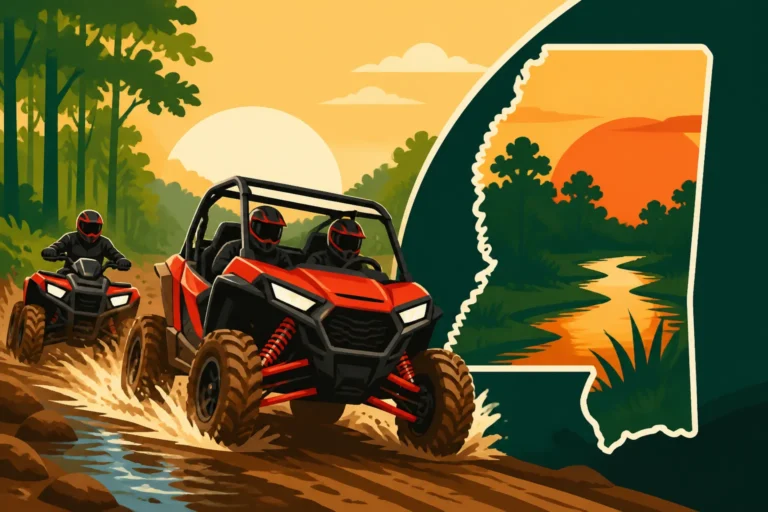
Red Creek Off-Road in Mississippi
A Red Creek Off-Road trip can turn frustrating fast if you arrive without checking access, machine restrictions, lodging arrangements, or what to bring for Mississippi mud. This guide explains how to plan a visit near Perkinston, choose a suitable machine, prepare for changing trail conditions, and make the most of a riding weekend without assuming every detail will stay the same.
Getting to Know Red Creek Off-Road
Where the park fits into a Mississippi riding trip
Red Creek Off-Road is a private riding destination near Perkinston in Stone County, in south Mississippi. That location makes it a possible weekend option for riders coming from places such as Hattiesburg, Gulfport, and the surrounding Pine Belt. Before setting out, check the park’s directions and entrance information rather than relying only on a map pin. Rural roads, phone coverage, and navigation instructions can make the last part of the drive less straightforward than the highway portion.
The park is best treated as a dedicated off-road recreation area, not as a starting point for an improvised ride onto nearby land. Private trails, neighboring property, national forest roads, and public roads all have different access rules. A route that appears to continue past a trail boundary is not permission to keep riding. Stay within the areas the park identifies as open to guests, and ask staff if a trail connection or boundary is unclear.
It also helps to think of Red Creek as a destination where the day’s conditions shape the experience. A trail that is comfortable for a new rider in dry weather might feel substantially more difficult after heavy rain. Mud, standing water, sandy sections, roots, and uneven ground can all affect speed and machine control. Plan for a slower outing than the mileage or a map might suggest, especially if you are riding with children or a mixed-experience group.
If you are comparing local options, start with [Mississippi Private Mud Parks](Mississippi Private Mud Parks) and [Mississippi Riding Near Perkinston](Mississippi Riding Near Perkinston). These topics can help you place the park within a wider trip plan, but the park itself should be your source for its current admission, open areas, restrictions, and reservation requirements.
What to confirm before you leave home
A park’s operating schedule can be more limited than a visitor expects, and closures may happen because of weather, maintenance, private events, or other operational needs. Confirm the hours and riding dates directly before loading your ATV or UTV. Do not assume that a weekend means every day of the weekend is available for riding, or that a schedule you saw in an older post still applies.
Ask specifically about the gate opening and closing times, the last time riders may enter a trail, and whether you need to reserve a place in advance. If you are bringing a group, confirm whether everyone must check in together, whether each rider needs to complete a waiver, and whether there are limits on group size. A quick call or message before departure can prevent the particularly aggravating situation of arriving with a trailer full of machines and finding out that the park is not accepting riders.
Weather deserves its own check. Rain can change trail conditions quickly in south Mississippi, but dry weather can bring dust and heat concerns. Ask whether any trails are closed, whether the park has restrictions after heavy rain, and whether there are areas that are unsuitable for your machine. For updates and contact details, use the park’s official information rather than a social post shared without a date or context.
Make a small confirmation list on your phone: riding date, operating hours, reservation status, entrance location, machine rules, payment methods, lodging status, and weather-related closures. For another perspective on the importance of checking before you tow, see [Checking Trail Conditions Before You Load the Trailer]. A few minutes of planning can save a long drive and a disappointing day.
Choosing a Machine and Preparing It for the Trails
Matching an ATV or UTV to your group
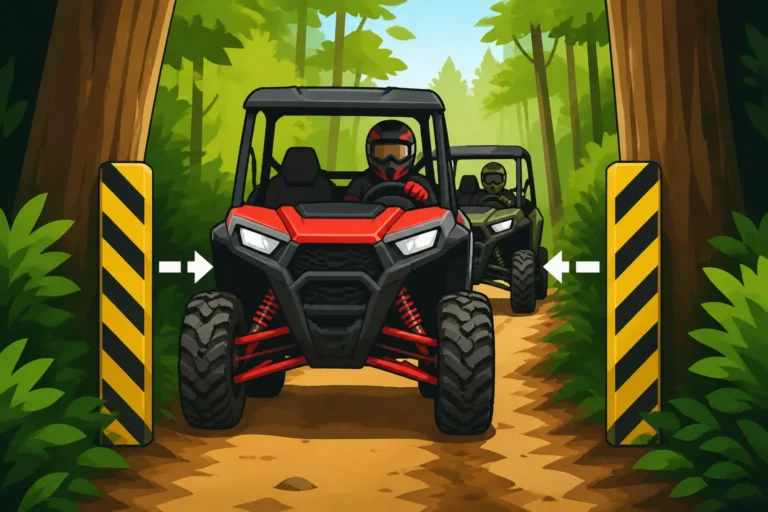
A smaller ATV can be easier to manage on narrow or winding trails, while a side-by-side may suit riders who need passenger seating, extra storage, or a more comfortable ride. But machine size alone does not tell you whether a vehicle is appropriate for every trail. Width, ground clearance, tires, turning room, and the rider’s experience all matter. Confirm Red Creek’s machine requirements before you decide which vehicle to bring.
A wide UTV can feel stable and capable in open areas, yet be awkward where a trail narrows, turns sharply, or has an uneven edge. An ATV can be more maneuverable but may ask more of the rider’s balance and body position. If you are bringing a mix of vehicles, ask whether they can use the same trails or whether the park separates routes by width or vehicle type. It is better to know that before unloading than to discover it at a trail junction.
For families, match the machine to the least-experienced rider in the group rather than the most confident one. A child or beginner may need a shorter route, a slower pace, and a clear plan for what to do if they feel overwhelmed. A passenger should have a proper, designated seat and secure handholds; a cargo rack is not a passenger seat. Never let group pressure turn a cautious ride into a machine or route choice that feels unsafe.
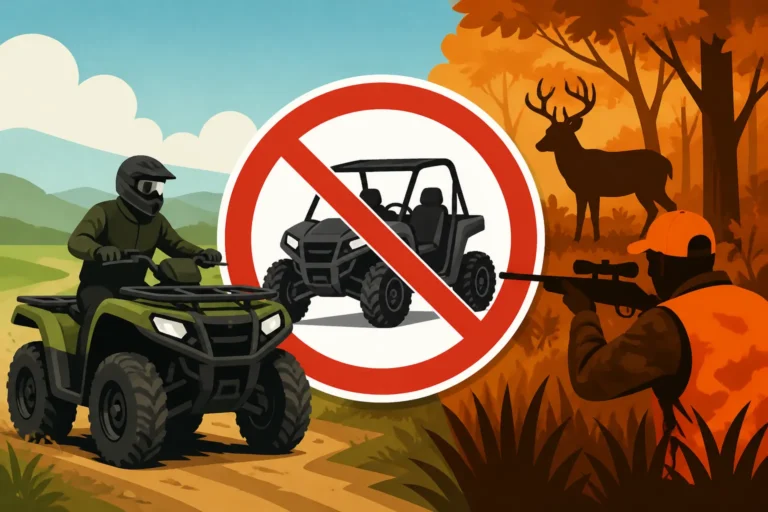
If you are not sure whether your machine will fit a particular trail, do not rely on a general statement that the park is “UTV friendly” or “good for ATVs.” Ask about your vehicle’s width and type. The article [Mississippi Trails That Allow Side-by-Sides] offers related context for comparing trail access, while the park’s own rules determine where a specific machine may ride on its property.
A pre-ride inspection that catches common problems
Before leaving home, inspect the tires for damage, check their pressure according to the manufacturer’s guidance, and look for loose or missing fasteners. Check the brakes, throttle, lights, steering, and any safety equipment your machine requires. A machine that performed well on the last outing can still develop a problem while sitting in a humid shed or being hauled over rough roads.
For a UTV, make sure seat belts latch and retract properly, doors or nets are secure, and the cargo is tied down. For an ATV, check the controls and footrests, and confirm that nothing on the racks can shift into the rider’s path. If your machine has a winch, test it before the ride rather than waiting until it is buried in a muddy rut. A winch is useful only if it is in working order and you know how to use it safely.
Consider what the park’s terrain may expose your machine to. Mud and water can get into places that stay dry on ordinary property roads. Sand can work into moving parts, and roots or stumps can strike the underside. If you have added equipment such as a snorkel, skid plate, or radiator protection, inspect it for secure mounting. These accessories do not make a machine invulnerable, and they do not replace careful route choices.
Pack a basic tool kit, tire repair supplies appropriate to your machine, gloves, and a way to contact your group if riders become separated. Carrying a paper map or saving key information offline can help if mobile service is weak. A planning app such as onX Offroad may help you organize routes and locate general off-road information, but it should not be treated as authorization to ride outside Red Creek’s marked areas. The park’s directions and trail instructions take priority.
Understanding Trails, Mud, and Changing Conditions
Why the same trail can feel different from one visit to the next
South Mississippi weather can transform a ride. Following rain, a low spot that was easy to cross may hold water, while clay and mud can become slick enough to make steering and braking less predictable. A dry stretch may be dusty, with reduced visibility when several machines travel close together. Trail conditions are not simply a matter of whether it rained today; recent rainfall, drainage, traffic, and the surface beneath the mud all make a difference.
Do not judge a trail only by what another rider’s machine managed to cross. A powerful UTV with aggressive tires may make a route look easy, but that does not mean the same line is appropriate for a smaller ATV or a less-experienced rider. If a section seems beyond your comfort level, stop in a safe place, assess it, and turn back if needed. A day’s ride is not a test of who can get the deepest into the mud.
Water crossings deserve special caution. Depth can be hard to judge, and submerged holes, rocks, branches, or soft edges may be hidden from view. Do not enter water simply because another machine has passed through. Check for a designated crossing and follow the park’s guidance. If you are unsure about depth, current, or the condition of the bottom, choose another route or ask staff.
Before you ride, ask which trails are open and whether there are temporary closures or one-way sections. Respect cones, signs, gates, and barriers, even when the trail beyond them appears usable. Closures may protect visitors, equipment, wildlife, or a section of trail being repaired. For a broader planning checklist, see [Mississippi Trail Closures After a Storm] and [Mississippi Trail Etiquette Locals Expect].
Riding with mixed skill levels
A group ride is only enjoyable when the pace works for everyone. Agree on a leader and a sweep rider before leaving the staging area. The leader should know the planned route and be willing to slow down; the sweep rider should make sure no one is left behind. If the group is large, divide it into smaller units so riders are not following a long, dusty line with little space to see.
Set a regrouping point before the first trail. At junctions, stop somewhere that does not block other riders, then wait until the group is accounted for. Avoid relying on a quick glance in the rearview mirror to determine whether everyone is still together. A rider may stop for a mechanical issue, a loose strap, or a nervous child without being visible around a bend.
Give beginners permission to opt out. They may be more comfortable repeating an easy loop or returning to the staging area while experienced riders take a more challenging route. This is not a failure of the trip; it is sensible planning. A tired or anxious rider is more likely to make a mistake, especially in mud, heat, or unfamiliar terrain. Take breaks before people become exhausted rather than after.
Keep a respectful distance between machines. Following too closely can expose the rider behind to dust, flying debris, sudden braking, or a machine slowing unexpectedly. Signal before changing direction, keep speed appropriate to visibility, and do not assume that a rider ahead has seen you. These habits matter on private trails just as they do on public riding areas.
Planning a Comfortable Day or Weekend
What to bring for a day of riding
Start with water, snacks, weather-appropriate clothing, and a first-aid kit that your group knows how to use. Mississippi heat and humidity can make a ride feel more demanding than the mileage suggests. Wear breathable layers, use sun protection, and take regular breaks in shade when available. If anyone feels dizzy, unusually weak, nauseated, or confused, stop the ride and address the situation rather than pushing onward.
Bring eye protection and sturdy riding footwear. Mud, branches, and debris can reach a rider even at modest speeds, while wet ground can make ordinary shoes unreliable. Gloves help with grip and reduce discomfort during a long day. A helmet is an important part of riding protection; choose equipment that fits properly and follow the park’s rules, especially when riding with minors.
Prepare for the unpleasant but common details too. Pack a change of clothes, towels, bags for muddy gear, and a way to clean up before getting back into your vehicle. A tarp can help keep mud off the trailer or truck bed. Keep snacks and spare clothing separate from wet items so that a muddy ride does not leave every bag damp.
A practical packing plan can be organized around the problem each item solves:
| Need | Useful items | Why it matters |
|---|---|---|
| Hydration and heat | Water, electrolyte drinks, sun protection, breathable clothing | Heat and humidity can drain energy before a ride feels long |
| Rider protection | Properly fitting helmet, eye protection, gloves, sturdy footwear | Helps protect against debris, branches, mud, and loss of footing |
| Machine readiness | Basic tools, tire supplies, straps, a charged phone | Helps with minor problems and keeps essential gear secure |
| Wet and muddy gear | Towels, spare clothes, sturdy bags, tarp | Keeps mud and water from spreading through the vehicle |
| Navigation and communication | Park information, offline map, agreed regrouping plan | Useful when riders are separated or phone reception is unreliable |
Use the table as a starting point, not a substitute for the park’s rules or the needs of your own machine. For example, the right recovery equipment depends on the vehicle and the terrain. If your group is riding in an area with unreliable service, tell someone outside the group where you are going and when you expect to return.
Lodging, camping, and making an overnight plan
Red Creek Off-Road may suit riders who want to make a weekend of their visit, but lodging availability, site types, reservation rules, and minimum stays should be confirmed directly. Do not assume a cabin or RV spot will be available simply because you have chosen a riding date. Ask whether reservations are required, what facilities are included, and what you need to bring yourself.
If you are booking a cabin, clarify sleeping arrangements, check-in and check-out procedures, parking, and whether muddy machines can be kept in a designated area. For an RV stay, confirm the type of hookup available, the space needed for your vehicle and trailer, and any quiet-hour or generator rules. A group arriving with several trailers may need more room than a standard vehicle parking space provides.
Think through the parts of the weekend that do not involve riding. Where will you refuel? Where will wet clothing dry? Is there a place to wash mud off equipment, and are there rules about washing machines or discharging water? Will your group cook or bring food? These details are easy to ignore while planning a ride, but they affect how comfortable the trip feels after a long day outdoors.
Build some flexibility into the schedule. A late arrival, weather delay, mechanical issue, or tired rider can change the plan. If you are traveling from outside the immediate area, avoid making the return drive depend on squeezing in one last ride at closing time. A calmer finish gives you time to load carefully, secure the machines, and check that everyone has their belongings.
Riding Safely and Respectfully at a Private Park
Rules, waivers, and responsible trail use
Read the park’s rules before unloading. Ask about age limits, passenger requirements, helmets, noise, alcohol, trail direction, speed, and any vehicle restrictions. These policies can differ from general state rules and from the requirements at another park. A rider who has visited a different Mississippi riding area should not assume the same rules apply at Red Creek.
Complete required waivers accurately and make sure each person in your group understands what they are signing. If you are riding with a minor, ask what documentation or adult supervision is required. Keep emergency contact information accessible, and let the group know where to meet if someone becomes separated. Do not leave children or inexperienced riders to navigate alone.
Stay on designated trails and use marked staging areas. Cutting around a closed section can damage the trail or put riders into an area that staff has identified as unsafe. Avoid spinning tires unnecessarily or creating new ruts through vegetation. If a machine is stuck, consider whether recovery could damage the trail or endanger a person before trying to pull it free.
Respect other guests and park staff. Reduce speed near staging, lodging, parking, and people on foot. Give approaching riders room, avoid revving near campsites, and follow instructions from staff even when a restriction seems inconvenient. Shared courtesy keeps the place safer and more enjoyable for the next group.
Safety habits for families and newer riders
A family ride needs clear boundaries. Explain the route, stop signals, and what to do if a child falls behind before starting the engine. Choose a short, manageable route first and check in with younger riders often. A child who seems quiet may be tired or uncomfortable rather than simply enjoying the ride.
Match each rider to a machine suited to their size, skill, and age. Do not let a child ride a machine that is too powerful or too large to control. Follow the park’s supervision and passenger rules, and never carry someone on a machine that is not designed for a passenger. A machine’s ability to move does not mean it can safely carry extra people.
Avoid riding when fatigue, heat, or frustration is affecting judgment. Take a break before someone becomes impatient or makes risky choices to keep up. If the weather shifts or a trail feels more difficult than expected, head back while the group still has energy. There is no benefit to turning a recreational outing into an endurance challenge.
New riders may benefit from a safety course before visiting. A course can help with basic control, turning, braking, riding posture, and hazard awareness, but it does not replace instruction from the park or good judgment on the trail. See [Mississippi Safety Courses Through Extension] for related information. For children and teen riders, review [Mississippi Rules for Riders Under 16] and confirm the park’s own age and supervision requirements.
Trailering, Navigation, and Protecting Your Equipment
Loading and securing machines for the drive
A smooth trip starts before you reach the park. Use a trailer with enough capacity for the machines, passengers’ gear, fuel, and accessories. Check the trailer tires, lights, hitch, safety chains, and tie-down points before departure. A tire or light problem discovered at home is inconvenient; one found after loading on the roadside can become much more stressful.
Load machines in a way that keeps the trailer balanced and leaves enough room to secure each vehicle properly. Use appropriate straps at suitable points on the machine, and check that they are tight after the first part of the drive. Do not rely on a single strap or attach tie-downs to a part that can bend or move. If you are unsure about a secure point, consult the machine’s owner information.
Protect loose cargo from wind and rain. Tools, helmets, fuel containers, coolers, and spare clothing should be secured so they cannot shift or fall out. Keep fuel containers handled and stored according to their instructions, away from heat and sources of ignition. At the park, unload in the designated area and avoid blocking traffic or trail access.
Before leaving, take a photo of the loaded trailer and check that you have the keys, registration or ownership papers you normally carry, phone chargers, and any park confirmation details. A simple departure checklist reduces the chance of discovering at the gate that the one essential item is still on the workbench.
Using maps without wandering beyond permitted trails
Navigation tools are useful, but a map is not a permission slip. A route shown in an off-road mapping app may be private, closed, outdated, or unsuitable for the machine you are driving. This is especially important around a private park, where a visible track can lead onto a neighboring property or a road that is not part of the riding area.
You can use onX Offroad to prepare for the drive and understand general terrain or route context, but verify any route with Red Creek staff before riding it. Follow signs, marked trail boundaries, and official park maps. If the app and the posted information disagree, stop and ask rather than choosing the route that looks more convenient.
Save the park address and contact details before leaving an area with dependable service. Download or save any map layers you need for offline use, and tell your group what to do if the navigation screen stops working. Do not let riders split up because one person is following a different route on a phone.
Navigation is most helpful when it supports a conservative plan. Use it to know where you are, where the group intends to go, and how to return to the staging area—not to find a shortcut around a closure. For practical local riding information, [Mississippi ATV Trails: Where to Ride] and [Mississippi Trail Phone Numbers Worth Saving] can help you think more broadly about trip planning beyond one park.
Making the Most of a Red Creek Visit
A simple plan for a first visit
For a first trip, keep the schedule light. Confirm the date, hours, admission and reservation requirements, machine rules, and lodging details before you leave. Arrive with enough time to check in, review the park map, unload safely, and let newer riders become familiar with the controls and surroundings before heading onto the trails.
Start with an easy route or a short ride that allows everyone to adjust to the surface. Pay attention to how your machine handles in mud, sand, and uneven ground, and be honest about the group’s comfort level. If the first loop goes well, you can decide whether to continue. If it does not, you have learned something without committing the whole day to a route that feels wrong.
Take breaks, drink water, and keep the group together. Stop at designated areas rather than blocking a trail. If you encounter a closure, mechanical issue, or confusing junction, contact staff or return to the staging area instead of improvising. A relaxed first visit helps you understand how the park works and gives you a better basis for planning your next one.
At the end of the ride, inspect the machines before loading. Look for damage, mud packed around components, loose straps, and leaks. Clean equipment only where permitted, and follow the park’s guidance for wash areas or waste disposal. Secure wet and muddy gear separately so the trip home does not become a cleanup problem inside the vehicle.
Questions worth asking the park
Good questions are specific. Rather than asking only whether the park is “open,” ask whether the date you want is available for your type of machine, what time riders must be off the trails, and whether weather can affect access. If information online is unclear, ask for the exact rule that applies instead of relying on an assumption.
For a first visit, consider asking:
- What are the current riding days and operating hours?
- Do riders need a reservation, and does each person need to check in?
- Which ATV and UTV types are allowed, and are there width or other machine limits?
- Are there trails or areas that are temporarily closed?
- What helmet, passenger, age, and supervision rules apply?
- Are cabins, RV sites, or other overnight options available, and what must be booked separately?
- What payment methods are accepted, and are there separate fees for riding or lodging?
- Are there facilities for washing machines or changing after a muddy ride?
- What happens if rain changes trail access on the day of the visit?
- Is there a recommended place to park and unload trailers?
Record the answers with the date you received them. That matters because operating details can change, and a note from an earlier visit may not reflect the next trip. If the park gives you a map or specific instructions, share them with the whole group before anyone starts riding.
A good visit is not defined by how much mud a machine collects or how many trails a group completes. It is a day when the vehicles suit the terrain, the riders feel comfortable, the rules are clear, and everyone gets home safely. With a little preparation, Red Creek Off-Road can be easier to enjoy as a riding destination rather than a last-minute gamble.
Disclaimer
This article is for general informational purposes only and does not constitute professional advice. Laws, prices and regulations vary by location and change over time. Consult a qualified professional for guidance on your specific situation.