Mudslangers Off Road Trails and Its Duck Pond
Mudslangers Off Road Trails and its Duck Pond can sound like an easy choice for a muddy ride, but a park name alone does not tell you which trails are open, what machines fit, or whether riders can use the water feature. This guide explains what to confirm before you go, how to prepare for Mississippi conditions, and how to make a safer day of it.
What to know about Mudslangers Off Road Trails
Treat the Duck Pond as a feature to ask about, not an automatic activity
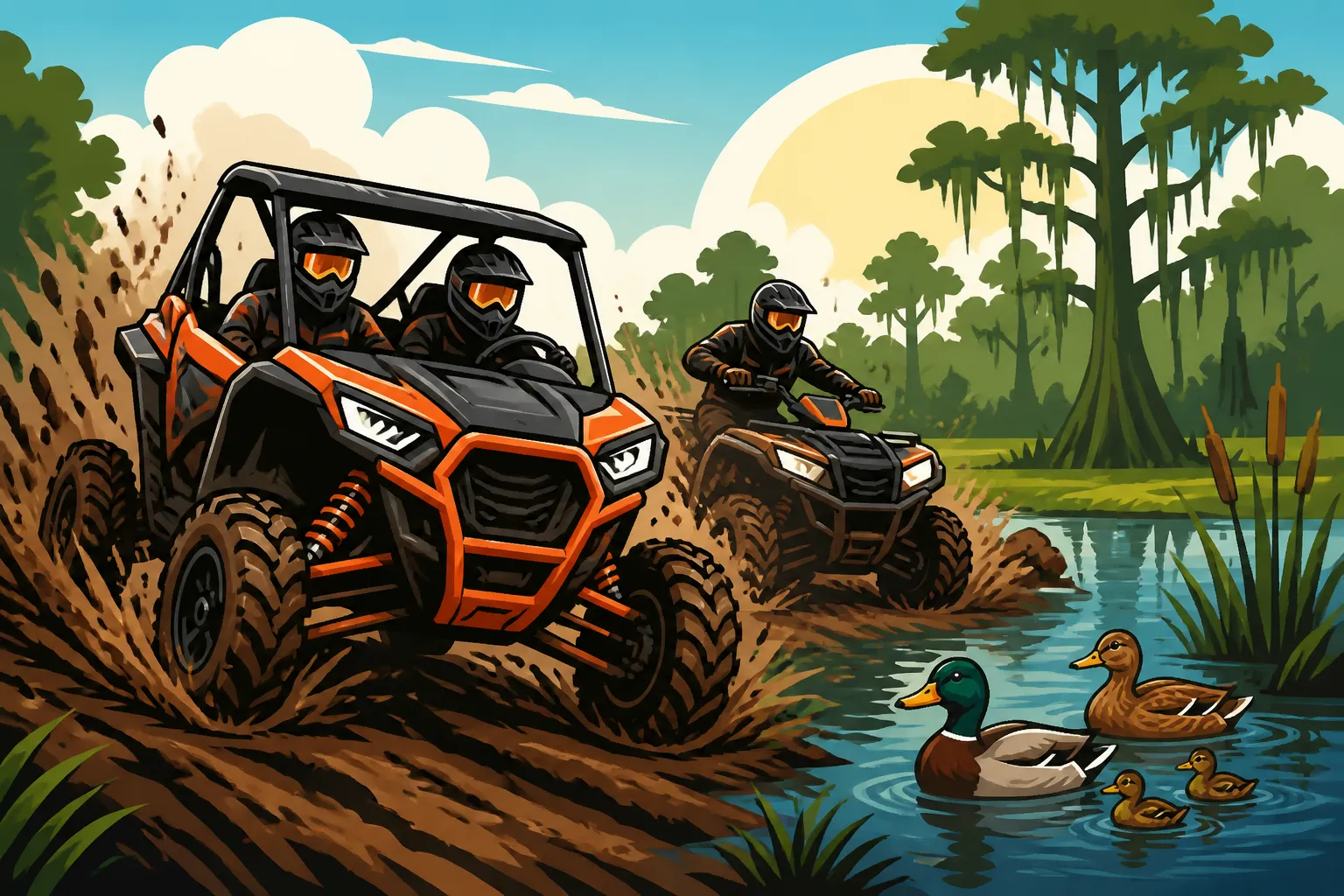
A duck pond may be a landmark, scenic spot, or part of the park’s riding environment, but its name does not establish what visitors may do there. Riding near the water, entering it, swimming, fishing, or letting children play beside it can all be subject to different rules. Ask the operator what the pond area is for and whether it is open to riders during your visit.
This matters because a pond edge can look harmless from a distance but be soft, steep, or slippery under the surface. A machine that sinks at the shoreline can be difficult to recover, and a rider may not be able to judge the depth or bottom conditions by looking at the water. Keep wheels away from the bank unless the park clearly permits access and the route is designed for it.
If you are bringing children, agree on a simple boundary before unloading: no approaching the water without an adult, and no riding toward it unless the park’s directions specifically allow that route. Make sure everyone in your group knows where the pond is and which marked trails or areas are off-limits. That small conversation can prevent a casual stop from turning into a recovery or safety problem.
Confirm what is open before loading the trailer
Private riding areas can change their available routes because of rain, maintenance, events, or land-management needs. A trail that was open during a previous visit may be closed the next time you arrive. Before making the drive, contact the park through its current official channels and ask which areas are open, whether the Duck Pond area is accessible, and whether any temporary restrictions apply.
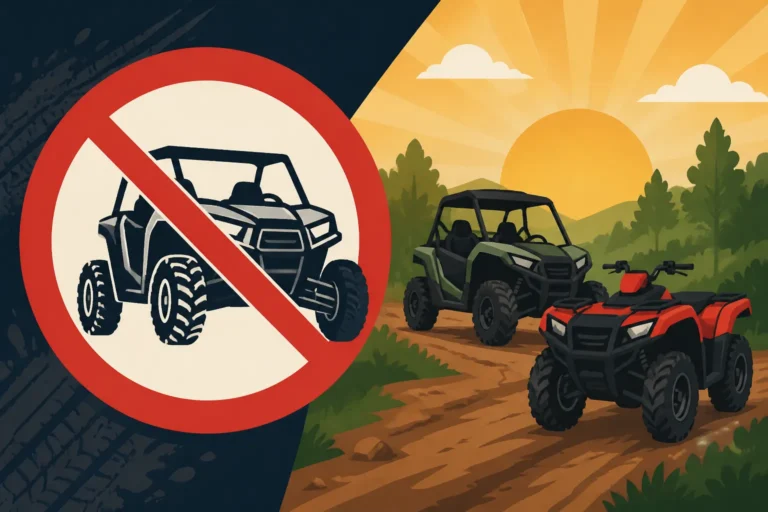
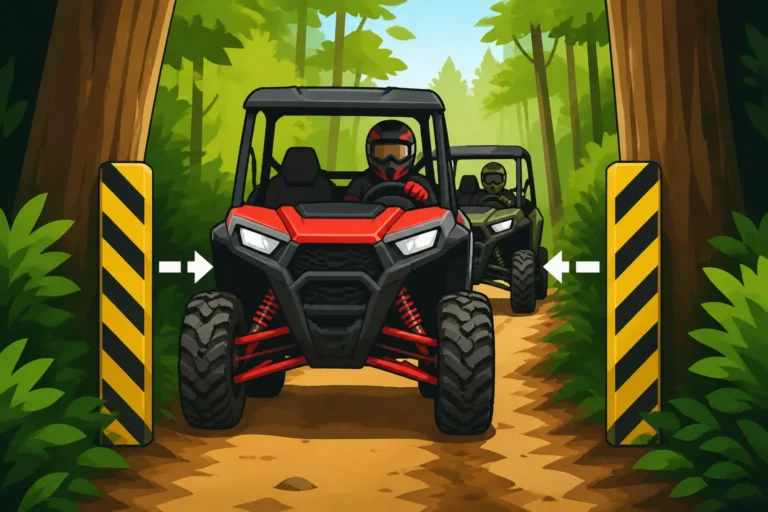
Also confirm the practical details that can make or break a riding day: the permitted vehicle types and widths, age or passenger rules, helmet requirements, waiver procedures, parking arrangements, and whether the facility allows overnight stays. Do not assume that a side-by-side can use every route available to a narrow ATV, or that a youth machine can follow the same trails as an adult group. For broader context on private riding venues, see Mississippi Private Mud Parks and [Mississippi Private Park Waivers and Rules].
It helps to ask one question at a time and write down the answers. For example: “Are side-by-sides allowed on the trails we plan to ride?” is more useful than asking only whether the park is “UTV-friendly.” If your group is traveling from another part of Mississippi, check the route and arrival instructions as well. A closed gate, event schedule, or weather-related change can add a long detour if you discover it only after reaching the area.
Planning for Mississippi mud, water, and trail conditions
Rain can change the ride quickly
Mississippi weather can turn a manageable trail into a slick, rutted route, especially where water collects or the ground has been disturbed by repeated traffic. Conditions may vary across the same property: a firm approach road can lead to a muddy low spot, while a shaded section stays wet after a sunny stretch has dried. Ask the park about recent rainfall and closures rather than relying only on the forecast for the nearest town.
A wet trail is not just a question of whether your machine can push through. Deep ruts can hide roots, rocks, or abrupt drops. Mud can cover the tread and make steering less predictable, while standing water can conceal holes or soft ground. If a route looks deeper than you expected, stop where you have safe footing and assess it before committing. Do not follow another rider into an obstacle simply because their machine made it through; vehicle weight, tires, clearance, and rider experience all make a difference.
Before leaving home, check Mississippi Trail Conditions After Rain and Mississippi Trails With Deep Mud for general planning ideas. Those topics can help you think through what rain does to a riding day, but they do not replace a direct update from Mudslangers. For a nearby ride or a backup plan, confirm conditions with that specific venue too.
Set up your machine for the terrain you actually expect
A machine prepared for a dry gravel road may need more attention before a muddy outing. Check tire condition and pressure against the manufacturer’s guidance, make sure the brakes work properly, and inspect the throttle, steering, and lights. Secure any tools or recovery equipment so they cannot shift during a rough ride. If you carry a winch or straps, know how to use them safely before you are stuck—not while the machine is already sliding toward a rut or pond edge.
Water and mud can affect more than traction. Mud may collect around the radiator, brakes, footwells, or moving parts, and water crossings can expose components to conditions they were not designed for. Avoid submerging a machine unless the route is permitted and you understand its limits. A snorkel or other modification does not make every water depth safe, and a machine that stalls in water can face expensive damage.
Plan for cleanup before the trip ends. Ask whether the park has a wash station or whether you should bring your own supplies, and follow its directions about where washing is allowed. Mud and debris left on a machine can hide damage, while rinsing in an unauthorized spot can create drainage or property concerns. For more preparation ideas, see Mississippi Riding Areas With Wash Stations and Mississippi Trail Etiquette Locals Expect.
Making a safer day of riding at Mudslangers
Match the route to the least experienced rider
A group often has a mix of machines and comfort levels. One person may be confident in deep mud while another is learning to use the throttle smoothly or has never ridden in ruts. Choose a route that works for the least experienced rider, and let faster or more confident riders adjust their pace rather than pulling the whole group into an obstacle.
Before setting out, agree on a lead rider and a sweep rider. The lead can stop at junctions and make sure the group stays on permitted routes; the sweep can check that no one has fallen behind or had a mechanical problem. Keep enough space between machines to avoid dust, thrown mud, and sudden braking, but close enough to communicate when the group stops. On narrow trails, pull over only where there is room and visibility.
If you use a map app such as onX Offroad to help organize a route, treat it as a planning aid rather than permission to ride anywhere. A mapped line may not reflect a private park’s latest closures, marked boundaries, or one-way directions. Confirm access with the operator, follow posted signs, and stay on routes designated for your vehicle. Save the park’s contact details before you arrive, since mobile coverage can vary in rural areas.
Use clear rules around water and recovery
Establish a no-rushing rule around the Duck Pond and any other wet or steep areas. Riders should approach only when the route is marked and the park allows it, and they should never assume that another person’s tracks indicate a safe crossing. If a machine becomes stuck, keep bystanders clear of the cable or strap path and avoid standing between a loaded recovery line and its anchor. Use recovery points intended for that purpose, not a bumper or another improvised attachment.
A rider should also know when to turn back. If water is deeper than expected, the bottom cannot be seen, the machine begins to lose traction, or the route is not clearly authorized, stop and find another way. A delayed ride is frustrating, especially when the group has traveled a distance, but a damaged machine or an injured rider can end the day for everyone.
Keep children and passengers within the park’s rules and your group’s supervision plan. Do not let a child wander toward the pond while adults are focused on recovering a machine or unloading gear. If someone is tired, cold, overheated, or rattled after a difficult section, pause in a safe place and regroup before continuing.
Before you leave home
Use a simple pre-ride checklist
A short checklist helps prevent the familiar last-minute scramble: someone cannot find a helmet, the trailer plug is not connected, or the group arrives without knowing whether the trails are open. Confirm the park’s current operating details directly, then check your vehicle and riding gear before departure.
| Check | What to confirm |
|---|---|
| Park access | Open status, arrival directions, and any event or closure notices |
| Machine eligibility | Allowed vehicle types, width limits, and any route-specific restrictions |
| Duck Pond area | Whether riders may access the area and what activities are permitted |
| Safety rules | Helmets, age limits, passengers, waivers, and required equipment |
| Trail conditions | Recent rain, standing water, closures, and expected difficulty |
| Equipment | Tires, brakes, steering, lights, fuel, recovery gear, and secure cargo |
| Group plan | Lead and sweep riders, meeting points, and a plan if someone gets separated |
| Cleanup | Wash-station availability or approved cleanup arrangements |
Keep your identification, emergency contact information, and any required park paperwork accessible. Pack water, basic first-aid supplies, weather-appropriate clothing, and a way to communicate if the group separates. In hot, humid conditions, schedule breaks before anyone feels unwell rather than waiting until a rider is already exhausted.
For a broader comparison of places to ride, Mississippi ATV Trails: Where to Ride can help you think about alternatives, while Mississippi Trail Etiquette Locals Expect is useful for reviewing shared-trail habits. If Mudslangers is your chosen destination, the park’s own instructions should guide your decisions once you arrive.
Have a backup plan if conditions change
A rainy forecast, a closed section, or a route that proves too difficult does not have to ruin the trip. Decide in advance what your group will do if the park limits access or the mud is beyond your comfort level. That could mean sticking to easier trails, taking a break, or rescheduling rather than pushing into an unsafe area.
If you are choosing between several riding areas, compare the type of experience each offers: trail difficulty, machine suitability, facilities, and how much driving the group is willing to do. Do not assume a venue’s name or photos tell the whole story. Call ahead and ask specific questions, especially if you are bringing a wide side-by-side, a youth rider, or someone who has not ridden in muddy conditions before.
The best Mudslangers outing is the one where the group knows the rules, respects the pond and trail boundaries, and leaves room to change plans. Confirm details before you load up, follow park directions on site, and let conditions—not excitement—decide how far you ride.
Disclaimer
This article is for general informational purposes only and does not constitute professional advice. Laws, prices and regulations vary by location and change over time. Consult a qualified professional for guidance on your specific situation.