Earlier Road Access Bills From 2022 and 2024
Navigating the question of where you can and can't ride your ATV or UTV in Mississippi can feel like trying to solve a puzzle with half the pieces missing. For years, riders across the Magnolia State have dreamed of the day when their beloved machines could legally access public roads for short distances, connecting trails, reaching gas stations, or simply traveling from one part of their property to another without fear of a ticket. This guide will take a deep dive into the legislative landscape, specifically focusing on the road access bills that emerged in 2022 and 2024, examining what they proposed, why they didn't pass, and what those efforts mean for the future of ATV and UTV use on Mississippi's public roads.
The Persistent Push for Mississippi Road Access: A Look Back at Early Attempts
It's no secret that Mississippi riders face some of the strictest laws in the nation when it comes to operating ATVs and UTVs on public roads. The current state of affairs, as outlined in statutes like [Mississippi Code Section 63-31-3], flatly prohibits these machines from public roadways. This has led to countless frustrations, as riders often own land split by a county road, or find themselves needing to travel a short distance to a fuel stop or access different sections of a vast trail system. The desire for some form of legal road access isn't new, and it certainly hasn't been ignored by state lawmakers entirely, though progress has been slow and often met with significant hurdles.
Why Riders Are So Eager for Road Access in Mississippi
Think about it: you’ve got a fantastic UTV, maybe a utility model you use for hauling feed around your farm, or a sportier side-by-side that takes you deep into the woods for hunting. But your property borders a paved county road, and your pasture is on the other side. Or perhaps your favorite [Mississippi ATV Trails: Where to Ride] don't have a gas station right at the trailhead, and the closest one is a mile down a state highway. What do you do? Many riders take the risk, hoping a deputy won’t be around, while others trailer their machine for distances that feel absurdly short. It’s a huge inconvenience and a source of constant worry.
The yearning for road access isn't about joyriding down Main Street; it's often about practical necessity and responsible use. Riders want the ability to cross a road, move from one piece of private property to another, or connect established off-road areas. The frustration is palpable when other states have found ways to allow limited, regulated road access, while Mississippi has largely held a firm line with its [Mississippi Bans ATVs on Public Roads]. It leaves many feeling like their legitimate needs are being overlooked, especially considering how integral ATVs and UTVs are to the rural economy, farming, hunting, and outdoor recreation throughout the state.
The Core Challenges Facing ATV and UTV Road Legalization
Legalizing ATVs and UTVs on public roads isn't as simple as changing a single line in a law book. There are legitimate concerns that lawmakers, law enforcement, and even some members of the public raise. Safety is, of course, paramount. These machines aren't designed with the same safety features as cars and trucks, lacking airbags, crumple zones, and often even basic turn signals or windshields (though many, like those from SuperATV, can be upgraded with accessories). Visibility, speed differentials, and the potential for accidents involving larger, heavier vehicles are major points of contention.
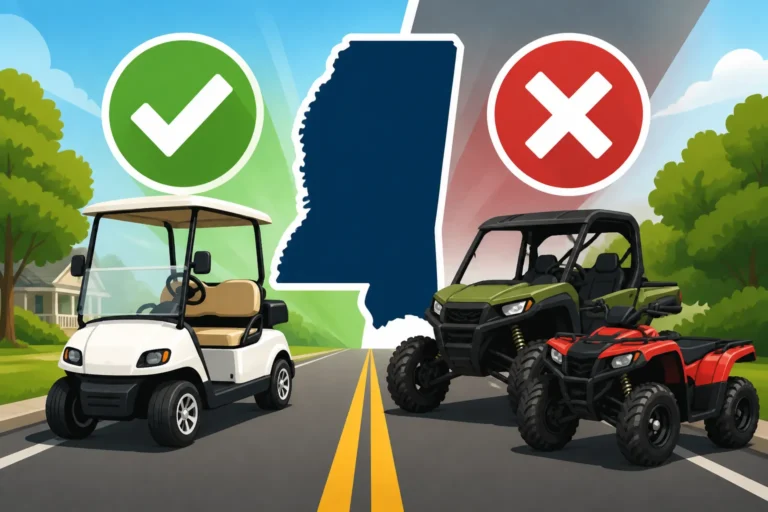
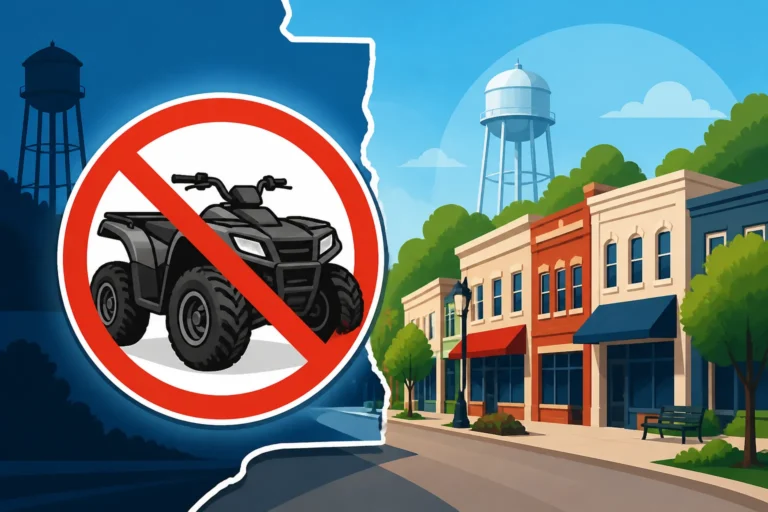
Beyond safety, there are questions of enforcement. How would deputies enforce speed limits, ensure riders have proper licensing (such as a [Mississippi Driver's License on Public Property] or [Mississippi Safety Certificates as an Alternative]), or confirm that machines meet certain equipment standards? Then there's the nuanced issue of local control. Many towns and counties want the ability to set their own rules, leading to a patchwork of ordinances, as seen in places with specific golf cart rules or [Mississippi Towns That Refuse ATVs on Streets]. Balancing statewide consistency with local autonomy is a tightrope walk that has tripped up many legislative attempts.
Unpacking the Details: What the 2022 and 2024 Bills Proposed
The legislative sessions of 2022 and 2024 weren't the first, and certainly won't be the last, to see bills introduced aimed at loosening Mississippi's stringent ATV and UTV road access laws. Each attempt brings new ideas, refines previous proposals, and tries to address the concerns that caused earlier bills to fail. While the specifics can get quite technical, understanding the general thrust of these earlier efforts helps us appreciate the ongoing struggle and the potential shape of future legislation.
The Key Provisions of the 2022 Road Access Bill
The 2022 legislative session saw proposals that aimed to create limited exemptions to the blanket ban on ATVs and UTVs on public roads. These bills typically focused on specific types of roads and defined operational conditions. For example, some proposals suggested allowing ATVs and UTVs to operate on county roads with speed limits below a certain threshold (e.g., 35 mph or 45 mph) for short distances or for specific purposes, such as accessing agricultural land or connecting trail systems. They often included requirements for the machines themselves, such as having headlights, taillights, brake lights, and a rearview mirror. For riders, there were discussions about needing a valid driver's license and, in some cases, a safety course.
A key element of these early bills was often the concept of "designated roads." This meant that not just any road would be open, but that county boards of supervisors or city aldermen would have the authority to specifically mark roads where such operation was permissible. This approach aimed to give local communities control over what made sense for their unique infrastructure and traffic patterns. However, even with these careful limitations, the bills faced an uphill battle, often struggling to gain traction beyond initial committee hearings. The idea was to offer a highly restricted form of access, not a free-for-all, but getting that nuance across proved challenging.
How the 2024 Bill Tried to Broaden Access and Address Concerns
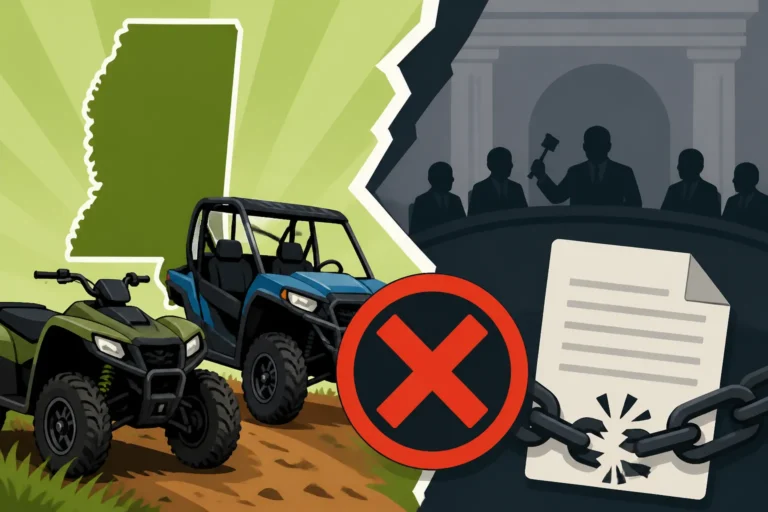
Following the unsuccessful attempts of 2022, the 2024 legislative session saw renewed efforts with bills that sometimes tried to broaden the scope slightly or, conversely, refine the restrictions based on previous feedback. While the [Mississippi's Failed 2025 Road Access Bill] ultimately didn't make it to law, the ideas behind these earlier proposals shared a common lineage. For instance, the 2024 proposals often continued to emphasize local control, allowing counties and municipalities to opt-in or opt-out of certain provisions. They might have introduced the concept of a state-level permit or registration for road-legal machines, even if they weren't fully "street legal" in the traditional sense, helping to track ownership and ensure compliance.
Another aspect that sometimes emerged in the 2024 discussions was a more explicit focus on specific machine types. While "ATV" and "UTV" are broad terms, proposals sometimes differentiated between wider, heavier side-by-sides (like those that SuperATV helps outfit with custom parts) and narrower, lighter single-rider ATVs, recognizing that their operational characteristics on a road could differ. Some bills also tried to address the [Mississippi Helmet Law for Riders Under 16] by ensuring any road access provisions aligned with existing safety mandates for younger riders. The intention was to create a framework that was both practical for riders and acceptable to those concerned about public safety, but the legislative path remained fraught with obstacles.
Why These Early Efforts Stalled: Understanding the Legislative Hurdles
It’s easy for riders to feel disheartened when bill after bill fails to pass, especially when the need for some form of road access feels so obvious and urgent. However, the legislative process is complex, and many factors can contribute to a bill's demise, even those with broad public support in certain communities. It’s rarely one single issue but rather a combination of objections, practical concerns, and the sheer challenge of consensus-building that ultimately prevents progress.
Common Objections and Concerns from Lawmakers and Public
One of the most significant roadblocks has consistently been safety. Opponents frequently highlight the inherent differences between off-road vehicles and street-legal vehicles. They point to the lack of traditional safety equipment, the higher center of gravity in some UTVs, and the general vulnerability of riders in an open-air machine if involved in a collision with a passenger car or truck. There's a persistent fear of increased accidents and fatalities if ATVs and UTVs are allowed onto public roads, even with speed restrictions. These concerns are often amplified by anecdotes of irresponsible riding, leading to a generalization that all riders will misuse the privilege.
Another major objection revolves around the precedent. Lawmakers often worry that allowing limited road access for ATVs and UTVs will open the floodgates for other types of off-road vehicles, or that what starts as limited access will inevitably expand over time. There are also concerns from a law enforcement perspective regarding the practicalities of enforcement. Ensuring compliance with new regulations, especially in rural areas with limited patrols, can be a daunting task. Furthermore, some segments of the public simply prefer to keep ATVs and UTVs off roads, citing noise, environmental concerns, or a general desire to maintain the traditional character of public roadways. These various objections, when combined, create a formidable opposition that any road access bill must overcome.
The Unintended Consequences and Practical Roadblocks
Even when the safety concerns are debated and potential solutions offered, other practical roadblocks can derail a bill. For instance, questions of liability insurance often come up. While [Mississippi Has No Insurance Mandate] for off-road use, allowing these machines on public roads would invariably raise questions about accident liability and whether specific insurance requirements should be put in place, adding another layer of cost and complexity for owners.
Then there's the issue of infrastructure. While many ATVs and UTVs are equipped with tires suitable for varied terrain, they aren't always ideal for sustained pavement use, which could lead to faster wear and tear, or even damage to road surfaces in some cases, particularly with aggressive tread patterns. The logistics of implementing a system where some roads are "legal" and others are not, especially in rural areas where road signage might be inconsistent, also presents a significant challenge. And let's not forget the financial aspect: new permits, enforcement tools, and administrative burdens would all require funding, which is always a hot topic in state budgets. Each of these "unintended consequences" or practical hurdles adds weight to the arguments against passage, making it incredibly difficult for a bill to gain enough momentum to become law.
Looking Ahead: Lessons Learned and the Path to Future Legislation
While the 2022 and 2024 bills for ATV and UTV road access ultimately didn't cross the finish line, their journey through the legislative process offers valuable insights. The persistent efforts by riders and some lawmakers highlight an ongoing need and a desire for change. Understanding why these earlier attempts fell short is crucial for anyone hoping to see responsible road access become a reality in Mississippi. It's not about giving up, but about learning from the past to better navigate the future.
What Future Bills Might Need to Address
For any future road access bill to succeed, it will likely need to be meticulously crafted, addressing the previous sticking points head-on. This means focusing heavily on safety standards that are clear, enforceable, and appropriate for the machines in question. For example, specific requirements for lighting, turn signals, mirrors (many of which are available from aftermarket providers like SuperATV), and potentially even laminated windshields could be included. The bill might need to differentiate more clearly between ATVs and UTVs, or between machines used for agricultural purposes versus recreational ones, as their operational profiles and needs can vary greatly.
Furthermore, any new legislation would benefit from a robust local control mechanism that clearly defines the process for counties and municipalities to opt-in or designate specific roads. This empowers local communities to make decisions that best suit their unique circumstances rather than imposing a statewide mandate that might not fit everywhere. Clear guidance on rider requirements, such as mandating a valid driver's license and perhaps an approved ATV safety course, could also help alleviate safety concerns. The devil, as they say, is in the details, and future bills will need to be exceptionally detailed and comprehensive.
How Riders Can Advocate for Responsible Road Access
For riders who want to see these changes, passive hope isn't enough. Active advocacy is key. Start by understanding the current laws, including [Mississippi's 30-Day Application Window] for new titles, if applicable, and the [Mississippi Fines for Road Riding] that are currently in place. Educate yourself on the specifics of any proposed bills. Then, reach out to your local and state representatives. Share your personal stories about why limited road access is important to you – whether it's for farm work, connecting hunting leases, or simply getting to a trail from your home. Explain the practical benefits and emphasize your commitment to responsible, safe riding.
Joining local ATV and UTV clubs can also amplify your voice, as organized groups often have more influence than individual citizens. These clubs can organize petition drives, attend legislative meetings, and present a united front. Emphasize that riders are not asking for carte blanche access, but for carefully considered, safe, and regulated opportunities that respect both off-road enthusiasts and the general public. By engaging constructively, showing a commitment to safety, and providing clear, practical examples of need, Mississippi riders can continue to push for a future where their machines can responsibly and legally share certain public roads.
| Aspect | Current Mississippi Law (Generally) | Proposed in 2022/2024 Bills (Often) | Key Hurdles to Passage |
|---|---|---|---|
| Road Access | [Mississippi Law Flatly Bars ATVs From Public Roads] | Limited access on designated, low-speed county/city roads | Safety, enforcement, precedent, public perception |
| Rider Requirements | [Do You Need a License for an ATV in Mississippi?] (No for off-road) | Valid driver's license, potentially safety course | Ensuring compliance, age restrictions |
| Machine Equipment | Basic operational for off-road | Headlights, taillights, brake lights, mirrors, turn signals (potential) | Cost for owners, consistency, inspection processes |
| Local Control | Some [Mississippi Towns With Cart Ordinances] exist | Opt-in system for counties/cities to designate roads | Patchwork of laws, confusion for riders |
| Primary Concern | General public safety, vehicle incompatibility | Mitigating risk, balancing access with safety | Overcoming deep-seated fears and logistical challenges |
Disclaimer
This article is for general informational purposes only and does not constitute professional advice. Laws, prices and regulations vary by location and change over time. Consult a qualified professional for guidance on your specific situation.