Who Issues a Title Bond for an ATV
It's a common, frustrating scenario: you've got this great ATV or UTV, maybe you snagged it at a great price, or it's been a family machine for years. But when it comes time to get a title for it, especially with Mississippi's new titling requirements for certain machines, you realize the original paperwork is long gone. Perhaps it was lost in a move, damaged, or simply never existed in the first place because of an informal private sale years ago. This guide is here to walk you through exactly who issues a title bond in Mississippi to help you get that all-important title, turning that paperless headache into a legitimate, titled machine.
Understanding the Mississippi ATV Title Bond Process
Let's be real, the idea of a "title bond" can sound a bit intimidating and like something only big businesses deal with. But for ATV and UTV owners in Mississippi, it's a very practical solution to a very common problem: missing ownership documentation. As the state moves towards titling certain off-road machines, especially those manufactured after July 2025, having clear proof of ownership is becoming more critical than ever.
What Exactly is an ATV Title Bond?
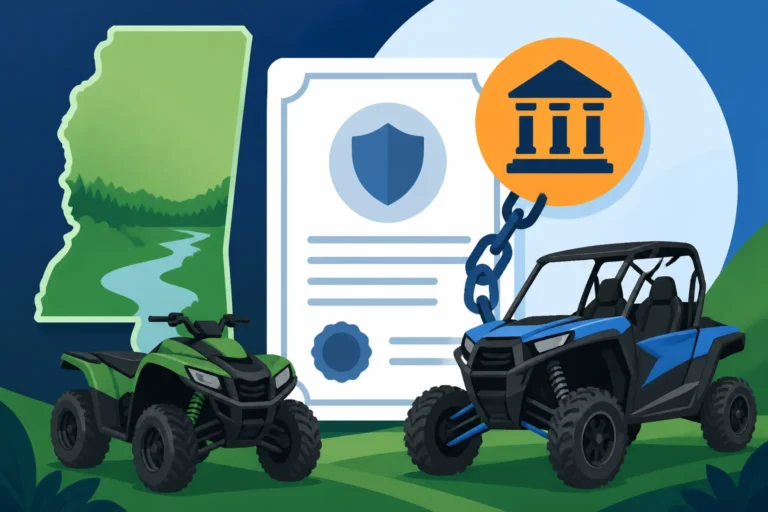
In simple terms, an ATV title bond, often called a bonded title or a certificate of title bond, is a type of surety bond. Now, "surety bond" might sound like legal jargon, but think of it this way: it's a guarantee. It's a promise, backed by a third party (the surety company), that if someone else comes forward later claiming to be the rightful owner of your ATV and can prove it, that surety company will cover any financial losses up to the bond's value. This protects both the state, which is issuing a title without the original paperwork, and any future owners, while allowing you, the current owner, to get a legal title. It’s essentially a safeguard against potential fraud or unresolved ownership disputes.
The state accepts this bond in lieu of your original Manufacturer's Certificate of Origin (MCO) or a clear bill of sale from a previous owner, which are typically required. It's an acknowledgment that sometimes, life happens, and original documents disappear. The bond essentially bridges that gap, giving the state the assurance it needs to issue you a new title. You'll find more details on why this process exists in [How a Mississippi Title Bond Replaces Lost Paperwork].
Why Would You Need a Title Bond for Your ATV?
The most common reason for needing a title bond is simply that you don't have the proper paperwork to prove ownership. Imagine you bought an older quad from a buddy's cousin a decade ago, paid cash, and never got a formal bill of sale. Or maybe you inherited a side-by-side, and the original owner's documents vanished during an estate cleanup. These are everyday scenarios that lead people down the path of needing a title bond.
Another situation might arise if your machine was purchased at an auction without a clear chain of title, or if you bought it from a private seller who themselves had lost the original MCO or prior title. Without that crucial documentation, the Mississippi Department of Revenue or your local county tax collector's office can't issue you a standard title. They need that solid proof of ownership to prevent theft and protect legitimate owners. This is particularly relevant now that [Mississippi ATV Titling Starts July 2025] for new machines. If you're wondering how this applies to older machines, you might want to look into [Mississippi Voluntary Titles for Older Machines].
Essentially, if you are the legitimate owner but lack the foundational documents required for titling, a title bond is your path forward. It's a way to affirm your ownership and ensure your machine is legally recognized by the state.
Who Issues ATV Title Bonds in Mississippi?
When you realize you need a title bond, the immediate question is, "Where do I even get one?" You don't get them from the state's titling office, nor do they come from your local tax collector. Instead, title bonds are issued by specialized financial institutions known as surety companies.
The Role of Surety Companies
Surety companies are financial institutions that specialize in issuing various types of surety bonds, including title bonds. They act as the "guarantor" in this three-party agreement: you (the principal), the state of Mississippi (the obligee), and the surety company (the guarantor). These companies are often departments within larger insurance groups or standalone entities focused solely on bonding.
When you apply for a title bond, the surety company will assess your risk. They want to ensure you are indeed the legitimate owner of the ATV and that there's a low probability of someone else successfully claiming ownership later. They'll review your application, which will include information about the ATV (VIN, make, model, year), how you acquired it, and why you don't have the original title. They'll also verify your identity and financial stability.
It’s important to understand that the surety company isn’t insuring your ATV in the way an auto insurance policy would. They are guaranteeing your ownership to the state. If a claim is made against the bond, the surety company will pay out to the claimant (up to the bond amount) and then typically seek reimbursement from you, the principal. This is why their underwriting process is thorough; they want to avoid claims, and they want to be sure you are trustworthy.
Working with Insurance Agents and Brokers
While surety companies issue the bonds, most individual consumers don't deal directly with them. Instead, you'll typically work through an insurance agent or a specialized surety bond broker. Think of these agents and brokers as the intermediaries who connect you to the surety companies.
Many independent insurance agencies that handle car, home, or business insurance also have departments or connections that can assist with surety bonds. They'll help you fill out the application, gather the necessary documents, and submit everything to various surety companies to find you the best rate and terms. Some agencies specialize even more, focusing almost entirely on bonds, which can be particularly helpful for niche bonds like an ATV title bond.
These agents and brokers are crucial because:
- Expertise: They understand the nuances of the bonding process and what specific information surety companies require for a Mississippi ATV title bond. They can guide you through the paperwork and explain legalities.
- Access: They have established relationships with multiple surety companies, allowing them to shop around on your behalf to secure the most competitive rates and terms. This saves you the time and effort of contacting numerous companies yourself.
- Efficiency: They streamline the application process, ensuring all documentation is correctly submitted, which can significantly speed up approval times.
When looking for an agent or broker, seek out those with experience in title bonds or, even better, those familiar with vehicle titling laws in Mississippi. A simple online search for "surety bonds Mississippi" or "title bond Mississippi" will likely bring up several local or regional agencies. They’ll be your main point of contact throughout the process.
The Steps to Obtaining a Mississippi ATV Title Bond
Navigating the process of obtaining a title bond might seem daunting at first, but by breaking it down into manageable steps, it becomes much clearer. The key is thoroughness and patience. This process is how you apply for a [Mississippi Title Bond Procedure].
Gathering Your Documentation
Before you even approach a surety bond agent, you'll need to compile a robust packet of information. The more evidence you can provide to support your ownership claim, the smoother the process will be. Here's what you'll typically need:
-
Vehicle Information:
- Full VIN (Vehicle Identification Number): This is paramount. Locate it on the frame of your ATV or UTV. Take a clear photograph of it.
- Make, Model, Year: Be precise.
- Estimated Value: The bond amount will typically be set at 1.5 to 2 times the fair market value of your ATV. You might need to provide comparable sales data or an appraisal.
- Odometer/Hour Meter Reading: If applicable, note the current reading.
-
Proof of Possession/Purchase:
- Bill of Sale: Even an informal, handwritten one can help. It should include the seller's name and address, your name and address, the date of sale, the purchase price, and a description of the ATV (including VIN). If you don't have one, you might consider creating a comprehensive one with tools like LawDepot, outlining all the details you remember.
- Previous Registration (if any): If the ATV was registered in another state that didn't title ATVs, or if you have old, expired registration cards, these are valuable.
- Affidavits: Sworn statements from previous owners, witnesses to the sale, or even mechanics who have worked on the machine, attesting to your ownership.
- Repair Records/Maintenance Logs: Any documentation proving you've been maintaining and using the machine.
- Photographs: Clear pictures of the ATV from multiple angles, including any unique identifiers or modifications.
- Statement of Facts: A detailed written account from you, explaining how you acquired the ATV and why you do not have the original title. Be honest and thorough here.
-
Personal Identification:
- Your driver's license or state-issued ID.
- Proof of address.
Remember, the goal here is to paint a clear picture for the surety company and the state that you are the rightful and undisputed owner. Every piece of documentation strengthens your case. If you're looking at [Mississippi Title Without a Bill of Sale], this section is particularly important for you. Tools like LawDepot can be helpful for documenting these details formally, even if you are just creating a retrospective bill of sale or affidavit based on your memory and records.
The Application and Underwriting Process
Once you have your documents in order, you'll work with your chosen insurance agent or surety broker to complete the application. This application will require much of the information you just gathered.
The underwriting process is where the surety company evaluates your application. They'll be looking for red flags, such as conflicting information, signs of potential fraud, or an unusually high risk of someone else claiming the machine. They will determine the bond amount, which, as mentioned, is usually 1.5 to 2 times the estimated value of your ATV. This higher amount provides a buffer for potential legal fees or other costs associated with a claim. For example, if your ATV is valued at $5,000, your bond might be $7,500 to $10,000.
The cost of the bond itself, which is the premium you pay, is usually a small percentage of the total bond amount, typically between 1% and 5%. So, for a $10,000 bond, you might pay a one-time premium of $100 to $500. This is a crucial point, as the premium is your only cost for the bond; it's not a refundable deposit. This is separate from the standard [Mississippi Title Fee of $9] or [Mississippi Fast Track Fee of $30]. You can learn more about [Mississippi Title Bond Costs].
Be prepared for the surety company to ask follow-up questions or request additional documentation during this phase. Their due diligence is for everyone's protection. The timeline for approval can vary, from a few days to a couple of weeks, depending on the complexity of your case and the responsiveness of all parties.
Submitting Your Bond to the State
Once your application is approved and you've paid the premium, the surety company will issue the official title bond. This document will typically be mailed to you or directly to your agent. It will include details about the bond, the surety company, you (the principal), the state (the obligee), and the specific ATV it covers.
With the official title bond in hand, you will then submit it along with your title application and all supporting documentation to your local [Mississippi County Tax Collectors and Titles] office. They will review all the paperwork, including the bond, to ensure it meets state requirements. This is where your journey to obtaining a title truly culminates.
The county tax collector's office will process your application. Keep in mind that even with a title bond, the typical processing times for titles in Mississippi still apply. You might still wait [Mississippi Titles Take About Six Weeks] for a standard title, or potentially use a [Mississippi Fast Track Titles Explained] option if available for this specific scenario.
What to Expect After Getting Your Title Bond
Congratulations, you've secured your title bond and submitted it to the state! This is a significant step, but it's important to understand what happens next and the long-term implications of having a bonded title.
How the Bond Protects All Parties
The title bond serves as a critical safety net for everyone involved:
- For the State: The bond assures the Mississippi Department of Revenue that if they issue a title based on your ownership claim and later a legitimate, prior owner comes forward, there's financial protection in place. This allows them to title machines without the original paperwork, facilitating legal ownership while mitigating their risk.
- For You, the New Titled Owner: Once the title is issued, you have legal proof of ownership, which is essential for selling the machine, insuring it, or simply having peace of mind. The bond helps secure your position as the rightful owner, even in the absence of original documents. It effectively replaces the lost paperwork, such as a missing [Mississippi Manufacturer's Certificate of Origin].
- For Future Buyers: If you decide to sell your ATV down the line, a bonded title signals that the ownership history was initially murky but has been formally resolved and legally secured by a bond. A buyer can feel more confident knowing that potential ownership disputes are covered for the bond's duration.
- For a Prior Legitimate Owner: In the rare event that the original, true owner (who somehow missed intervening in the process) does appear and can prove their claim, the bond provides them with a mechanism for financial recovery. They can file a claim against the bond to recoup their losses, rather than you having your ATV potentially seized years after you bought it. This is a very rare occurrence, but the bond is there for that specific scenario.
The bond typically remains in effect for a specific period, often three to five years, depending on state regulations. After this period, if no claims have been made against the bond, it generally expires, and your title becomes a "clean" title, no longer subject to the bond's provisions.
The Waiting Period and Title Issuance
After submitting your title bond and application to the county tax collector, there will be a waiting period. This is standard for any title application, but with a bonded title, there's an added layer of due diligence. The state needs to ensure that no competing claims arise during this period.
During this time, the county tax collector's office will process your application, verify the bond, and perform any necessary background checks on the ATV's VIN to ensure it's not stolen or subject to other legal holds. It's during this time that a new owner might realize they need a title, especially if their machine was manufactured after the cutoff date. For example, if you bought a new machine, [ATVs Made After July 2025 Must Be Titled].
You'll eventually receive your physical title certificate in the mail. This document will indicate that it is a "bonded title." This designation is normal and simply reflects the process through which it was obtained. It doesn't diminish your ownership rights or the validity of the title; it merely notes its origin.
Once you have that title in hand, you are the indisputable legal owner of your ATV or UTV in the state of Mississippi. You can then confidently buy insurance, sell your machine, or simply enjoy your rides knowing all your paperwork is in order. This process, while it requires a bit of effort, is invaluable for legitimate owners who find themselves without the traditional documents. It's truly the key when you're dealing with [Mississippi Title Bonds When Papers Are Gone].
| Step | Description | Key Documents/Entities | Typical Timeline |
|---|---|---|---|
| 1. Gather Documentation | Collect all available info proving ownership and machine details. | VIN, Bill of Sale (if any), photos, repair records, affidavits, LawDepot templates | Varies by individual, can take several days/weeks |
| 2. Contact Agent/Broker | Find an insurance agent or surety broker experienced with title bonds in Mississippi. | List of local agents/brokers | 1-3 days |
| 3. Application & Underwriting | Complete the bond application with your agent; surety company assesses risk and sets bond amount/premium. | Application form, personal ID, vehicle details | 3-10 business days |
| 4. Bond Issuance & Payment | Pay the premium; surety company issues the official title bond document. | Official Title Bond document, payment receipt | 1-3 business days after payment |
| 5. Submission to State | Submit the title bond along with the title application and all supporting documents to the county tax collector. | Title bond, application, all gathered documents, state fees | Immediately after receiving bond |
| 6. Title Processing | The state reviews your application and bond; issues your new bonded title. | County Tax Collector's Office, MS Dept. of Revenue | 4-6 weeks (standard) or 72 hours (Fast Track) |
Disclaimer
This article is for general informational purposes only and does not constitute professional advice. Laws, prices and regulations vary by location and change over time. Consult a qualified professional for guidance on your specific situation.